


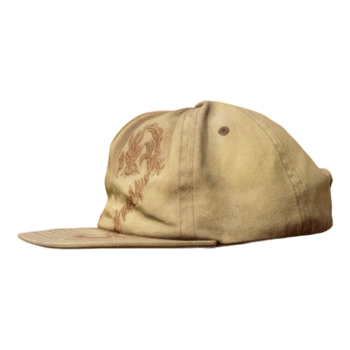
HUF skateboard baseball cap

Colorblock Round-Edge Hat

Vintage distressed newsboy hat

Camouflage Round-Trimmed Hat
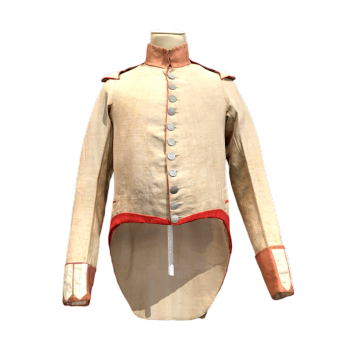
Latin American Cultural Heritage Military Coat During the War of Independence
The coat represents part of the historical heritage of the Latin American independence movement between 1815 and 1824. It is a military uniform artifact of historical significance, showing the cultural and military characteristics of that period.

The spacesuit worn by Franz Vierb ö ck
Franz Vierb ö ck was Austria's first astronaut who traveled to the MIR space station on October 2, 1991 aboard the Soyuz TM-13 rocket. The Sokol spacesuit he is wearing is a soft pressure suit designed and manufactured by NPP Zvezda. The main purpose of this spacesuit is to maintain the life of astronauts in the event of an unexpected depressurization of the spacecraft.
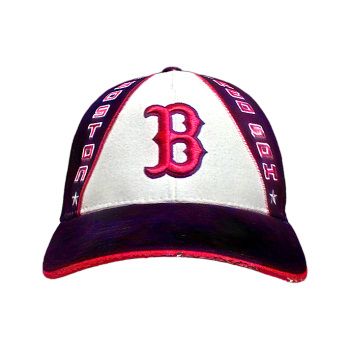
Red edged baseball cap OBJ model

3D model of waterproof rain cap

Trial version of the "Sea Eagle" extravehicular activity spacesuit
Orlan "(Russian: Орлан, Chinese: Sea Eagle) is a series of semi-rigid integrated extravehicular activity spacesuits designed and manufactured by the Soviet Institute of Astrology. This type of spacesuit has been used for extravehicular activities in the Soviet space program, as well as in other countries' space programs, including NASA. The Orlan spacesuits were used for extravehicular activities on the Salyut space station, but for the Mir space station, they were replaced by Orlan-DMA and Orlan-M spacesuits.
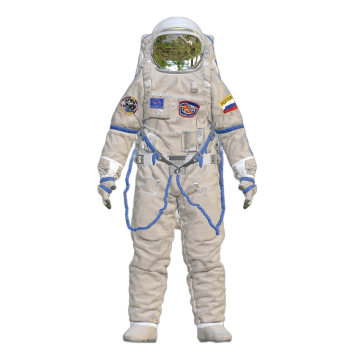
Seahawk extravehicular activity spacesuit
Orlan "is a series of semi-rigid integrated extravehicular activity spacesuits designed and manufactured by the Russian Academy of Sciences. This type of spacesuit has been used for extravehicular activities in Russia's space program, as well as in other countries' space programs, including NASA. The first extravehicular activity of the Orlan spacesuit occurred on December 20, 1977, at the Soviet space station Salyut 6, with the mission Soyuz 26. Astronauts Yuri Romanenko and Georgi Grechko tested the Orlan-D spacesuit.

Feitian "extravehicular spacesuit
On September 27, 2008, Chinese astronauts conducted their first spacewalk, and the first set of extravehicular spacesuits developed by China, "Feitian," made its debut in the vast space over 300 kilometers away from Earth. According to the China Manned Space Engineering Office, as of 11:02 am Beijing time on July 4, 2021, astronauts Liu Boming and Tang Hongbo, wearing China's independently developed new generation "Feitian" extravehicular spacesuits, have successfully exited the Tianhe core module node module.
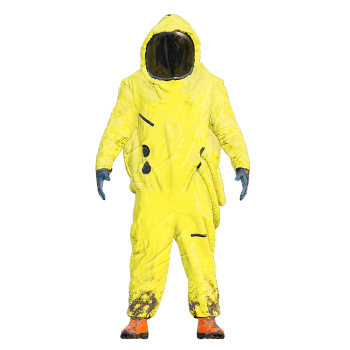
Nuclear radiation protective clothing
Nuclear radiation protective clothing, also known as radiation protective clothing, is a special type of clothing specifically designed to protect against X and gamma rays. This protective suit can provide shielding for X, gamma, beta, and alpha particles. It is a lightweight and durable polymer lipid, and is also made of organic rubber. The main principle of nuclear radiation protective clothing is to use a polymer lining and a natural or synthetic non-woven fabric material to produce a fabric, which is then used to prepare radiation resistant safety clothing. This polymer lining is made of shielding material using tantalum, which is equivalent to lead in terms of material attenuation coefficient, resistance to gamma, X-ray, and beta radiation.
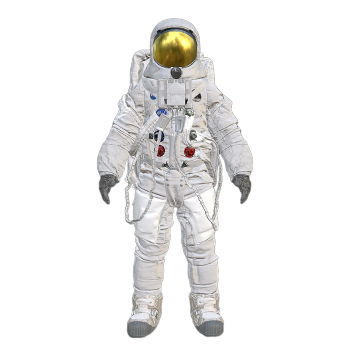
Apollo 11 space suit
The Apollo 11 spacesuit was worn by astronauts during the Apollo 11 mission to the moon. This spacesuit is made of 21 layers of nested fabric, sturdy enough to block micrometeorites but flexible enough for astronauts to do all the work they need on the moon. These spacesuits are works of Playtex company. The main components include a set of pressure suit components and a backpack, which contains a life support system that allows astronauts to walk freely on the surface of the moon. The waist, knees, and elbows of the spacesuit are made of sea latex, making it convenient for astronauts to move around.
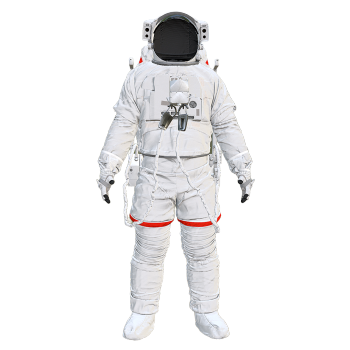
Exploratory extravehicular activity maneuvering device
The Exploration Extravehicular Mobility Unit (xEMU) is an independent humanoid spacesuit that provides astronauts with environmental protection, mobility, life support, and communication. This type of spacesuit is designed for extravehicular activity (EVA) in Earth orbit.
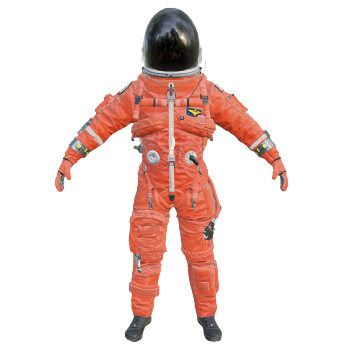
Orion Crew Survival System
This orange NASA spacesuit is named the Orion Crew Survival System. The spacesuit is lighter, stronger, fits snugly, has stronger temperature control, and can be worn and taken off more quickly. If there is an emergency situation such as pressure loss caused by broken spacecraft glass, this spacesuit can support astronauts to survive for up to 6 days, providing time guarantee for their return to Earth.

Japanese Kimono
The kimono (, wafuku) is the national costume of Japan. Before the Edo period, it was called Wu Fu, and the words "Ancient Records", "Japanese Book of Books", and "Pine Window Dream Language" were used. Before it was called kimono, Japanese clothing was called "object", and the ancient Japanese called "Wu Fu" is a kind of "object.

Women's Blue and Red Luxury Evening Gown

a pair of white women's flat shoes

Popular Models
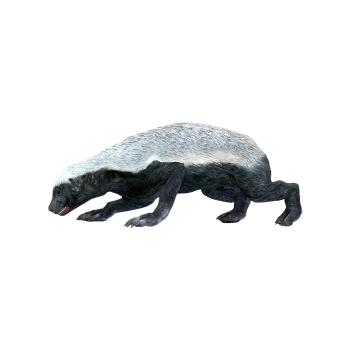
Honey Badger (3D animated model)
192 View
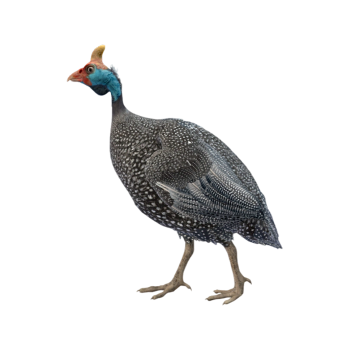
Guinea fowl (3D animated model)
163 View
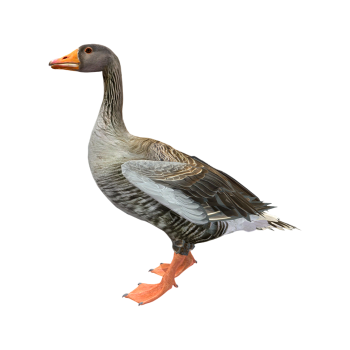
Wild Goose (3D animated model)
185 View
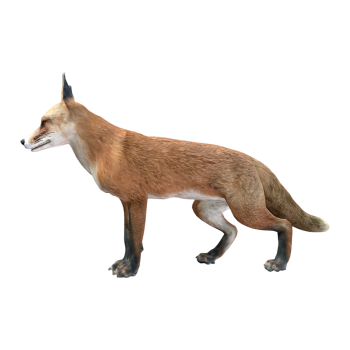
Red Fox (3D animated model)
153 View
Random Model
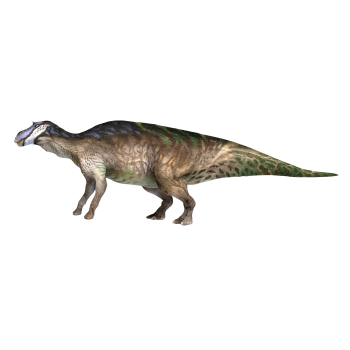
Mother Dragon (3D animated model)
137 View
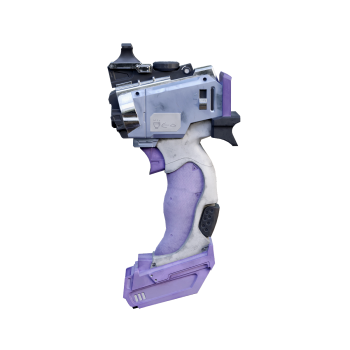
science fiction thermometer
861 View
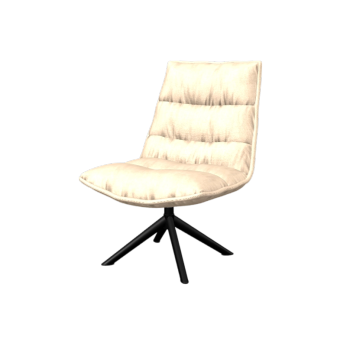
armchair
515 View


Durasta Fire Engine
957 View



The Modern Office
781 View
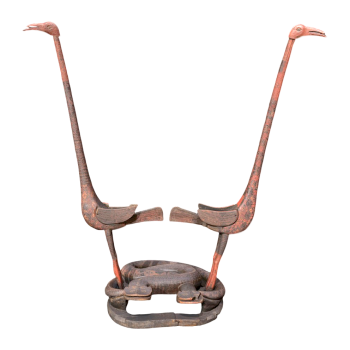
Crane and Snake
759 View