The clay sculpture "Dog ū (Mia)" from the prehistoric Jomon period in Japan
Over the years, archaeologists have discovered many different types of clay sculptures - dog ū - dating back to the prehistoric Jomon period in Japan (1400-800 BC). Various forms have been unearthed in northeastern Japan, some sitting, some standing, some with almost no surface decoration, while others, like this example, are known as the "goggles" type, with unique large eyes adorned with colors and complex carved decorations. The popular theory suggests that they are talismans related to health and childbirth, and after use, they are intentionally destroyed and disposed of. They are now collected at the Minneapolis Institute of the Arts.

Popular Models
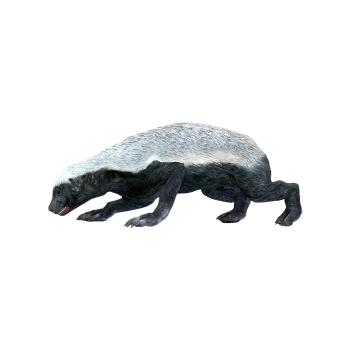
Honey Badger (3D animated model)
192 View
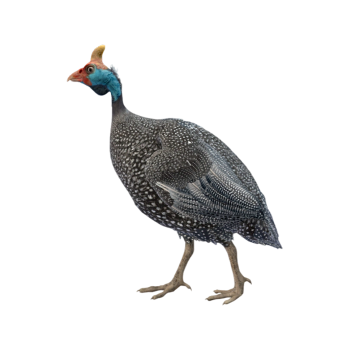
Guinea fowl (3D animated model)
163 View
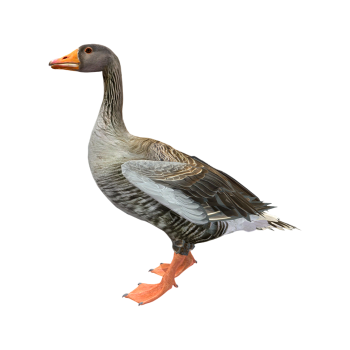
Wild Goose (3D animated model)
185 View

Red Fox (3D animated model)
153 View
Random Model

Nike Shoes (Blazer Mid '77 Jumbo)
480 View

Prickly pear fruit
192 View

Jin light apple
713 View

Chile Kiwi
325 View
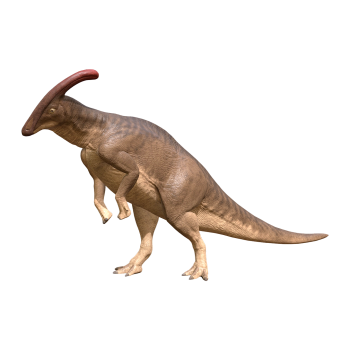
Parasaurus (3D animated model)
133 View

Sculpture of Lao Zi
511 View