Roof water storage tower

Roof water storage tower

Yellow safety iron chain fence pole

Yellow safety iron chain fence pole

Wall ventilation openings

Wall ventilation openings

Parking space signage

Parking space signage

Iron chain fence rod

Iron chain fence rod

3D model of hollow cement brick pile

3D model of hollow cement brick pile

3D model of cement building materials
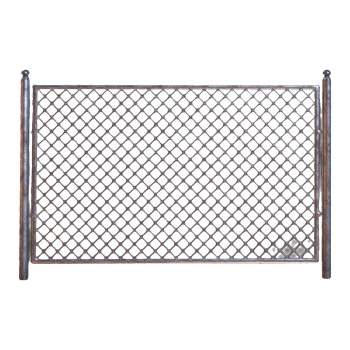
3D model of cement building materials

Wire mesh 3D model
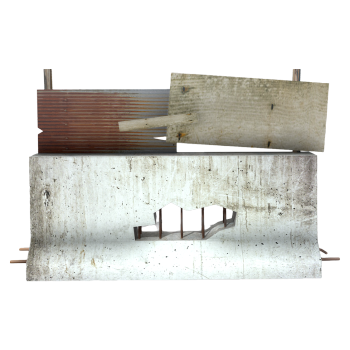
Wire mesh 3D model

Damaged concrete guardrail

Damaged concrete guardrail

Concrete guardrail

Concrete guardrail

3D model of water tower

3D model of water tower

Anti theft wire mesh

Anti theft wire mesh

British classical fence

British classical fence

Old style wooden fence
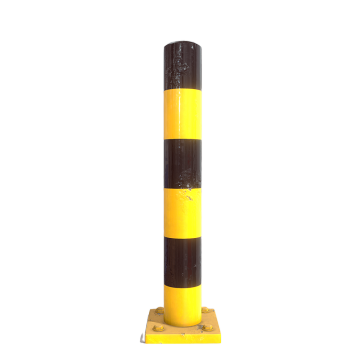
Old style wooden fence

Industrial yellow safety barrier pole
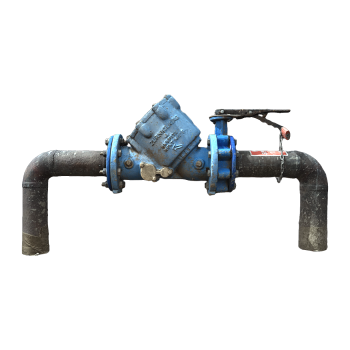
Industrial yellow safety barrier pole

pipeline valve

pipeline valve

Entrance Gate of Heiligenkreis Monastery

Entrance Gate of Heiligenkreis Monastery

It is the entrance located in the southwest direction to the Heiligenkreis Monastery. There is a window like structure above the arch, on which a bust of Saint Leopold is placed. This sandstone statue was placed there in the early 18th century. The Heiligenkreis Monastery is a historic monastery in Austria, and this entrance gate, as an important component, witnesses the monastery's glorious history. The design of the arch is unique, and the window structure above not only serves a decorative purpose, but also adds a sense of sacredness. The bust of Saint Leopold is located in the center of the arch, appearing solemn and dignified.
Japanese hand water bowl

Japanese hand water bowl

It is a common stone basin in traditional Japanese gardens, used for visitors to wash their hands and rinse their mouth before entering shrines or temples to purify their body and mind. It is usually carved from natural stone and has various shapes, but the most common ones are round or square. Its design is simple and elegant, blending harmoniously with the surrounding environment. In Japanese culture, a water bowl is not only a practical facility, but also a spiritual symbol that reflects the Japanese people's respect for cleanliness, purity, and humility. When using a hand water bowl, visitors will follow certain etiquette: first use a spoon to scoop water to clean their left hand, then clean their right hand, then use their right hand to scoop water to rinse their mouth, and finally clean their left hand again and put the spoon back in place
Japanese torii

Japanese torii

It is an iconic annex building of Japanese shrines, mainly used to distinguish the divine realm from the secular realm where humans reside, symbolizing the entrance to the divine realm. It usually consists of two pillars and two crossbeams, and sometimes hangs a plaque with inscriptions on it. It is usually made of wood and painted with raw paint. The color is usually vermilion, which is believed to have the power to dispel demons, like a monk's barrier. In Japan, people believe that torii can fulfill their wishes, so the custom of worshipping torii has been popular since the Edo period. Torii is not only a part of the shrine, but also an important symbol of Japanese culture.
Watford Clock Tower, Ireland

Watford Clock Tower, Ireland

It is an iconic building in Watford, Ireland, built in 1861 and designed in Victorian Gothic style. Three years later, a clock device was added. Not only renowned for its unique architectural style, but also valued for its historical significance. Initially, the construction of the clock tower was to provide facilities for horses to drink water, hence it was also known as the "Fountain Clock Tower". Over time, it has become a part of Watford's historic center and an important landmark for visitors to learn about the city's history. The clock tower is located in the Watford waterfront area, and despite the busy traffic and tourists surrounding it, it still maintains a classical charm.
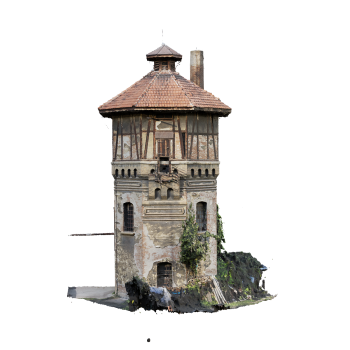
Kniajevac Water Tower, Serbia

Kniajevac Water Tower, Serbia

A historic building located in Kniajevac, Serbia.. This building is an example of architecture from the socialist period, and its design and construction reflect the architectural style and urban planning concepts of that time. It was only filled once for testing in 1964 and has not been used since then. Not only is it a unique landmark in Kniajevac, but it is also protected due to its unique history and architectural features. Witnessing the changes in the region from ancient times to the present, it has become an important resource for studying local history and culture. In addition, the construction of the water tower also reflected the social demand for public facilities and modern urban development at that time.
Kunming Biji memorial archway

Kunming Biji memorial archway

It is one of the famous historical and cultural landmarks in Kunming, together with Jinma Square, known as "Jinma Biji Square". It is located at the intersection of Sanshi Street and Jinbi Road in the center of Kunming city. Founded during the Xuande period of the Ming Dynasty, its name comes from the legendary Blue Chicken God near Dianchi Lake, symbolizing auspiciousness. This wooden memorial archway carved beams and painted rafters is extremely beautiful, 12 meters high and 18 meters wide. It is tens of meters away from the Golden Horse Archway. The shape of the two archways is similar, which together constitute the unique landscape of "three memorial archway with characters" in Kunming. Not only is it a cultural symbol of Kunming, but it is also a witness to the historical changes of the city. It has undergone multiple reconstructions, with the most recent one being in 1998 when it was rebuilt to its original appearance.
Yokosuka Naval Port Guard Pavilion, Japan

Yokosuka Naval Port Guard Pavilion, Japan

Located at the Naval Port in Yokosuka City, Japan, it is a historic building in the area. A part of the Yokosuka Naval Arsenal, the Guard Pavilion was built around 1930 and serves as an important base for the Japan Maritime Self Defense Force. They mark the location of the entrance to the naval station and naval factory waters. The design features modern architectural characteristics, with a copper dome roof with a small dome and sunshade, resembling a baseball cap in shape. Not only is it a symbol of the history of Yokosuka Naval Port, but it is also a part of the cultural heritage of the region. You can learn about the history and culture of Yokosuka as a naval port here.
Abandoned buildings in Riga, Latvia

Abandoned buildings in Riga, Latvia

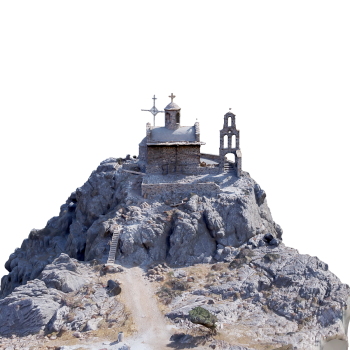
The church under construction in Crete, Greece
The church under construction in Crete, Greece

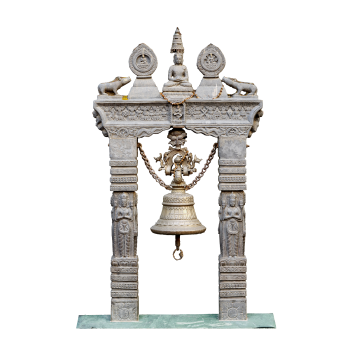
Nepal's traditional carved bronze bell

Nepal's traditional carved bronze bell

A part of Nepal's cultural heritage, this bell is not only used in religious ceremonies, but also often displayed as an artwork. It is usually made of copper and has exquisite patterns and symbols carved on the surface, which are often related to the religious beliefs of Buddhism or Hinduism. The shapes and sizes vary, but most have a top that can be shaken to produce a crisp and pleasant sound. In Nepal, bronze bells are not only used as ritual objects in religious ceremonies, but also an important embodiment of local handicraft skills and cultural traditions. Their existence not only enriches Nepal's cultural heritage, but also contributes to the world's handicraft arts.
Japanese Count Noble Cemetery

Japanese Count Noble Cemetery

It is a cemetery for nobles or politicians who were granted the title of Count during Japan's modernization process. Count was one of the five noble ranks that existed from the Meiji Restoration to the end of World War II, located below Duke and Marquess, and above Viscount and Baron. The design and decoration of tombstones often reflect the status, wealth, and personal taste of the Count's family. Due to the emergence of many important politicians and thinkers in the process of modernization in Japan, some of whom were posthumously honored or granted earldom titles during their lifetime, these tombs are often associated with figures who promoted Japan's modernization and participated in major historical events.
Emmanuel Yobes Tomb in France

Emmanuel Yobes Tomb in France

The village of Zion located in the Jura department of France. Emmanuel Yobes is a regional industrialist who owns and operates the famous Zion Forge. Not only a successful entrepreneur, but also a person with a deep interest in art and culture. Inspired by Italian travel, the Zion Castle, also known as the Palladio Villa, was built in 1818, becoming a place for peaceful living and a cultural cradle with great originality. His grave has become a memorial site, commemorating this figure who had a profound impact on the local industry and culture.
Abandoned Industrial Site in Niigata Prefecture, Japan
Abandoned Industrial Site in Niigata Prefecture, Japan

An abandoned industrial site located in Niigata Prefecture, Japan. The facilities that were once used for industrial production were later abandoned due to various reasons. Abandoned factories often become destinations for explorers and photography enthusiasts due to their unique sense of history and industrial aesthetics. These sites are also often used for creating 3D models to document and showcase their current condition. Reflecting the historical changes in the industrialization process, it also reminds people to pay attention to the protection and reuse of industrial heritage.
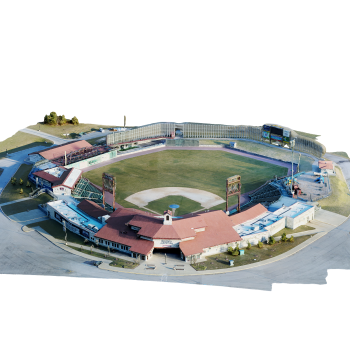
Drone photography of baseball field scenes

Drone photography of baseball field scenes

Victorian era railway station drone aerial survey

Victorian era railway station drone aerial survey

Conducting drone surveys at Victorian era train stations is an activity that combines history and modern technology. The Victorian era, from the mid-19th century to the early 20th century, was a golden period for the industrial revolution and railway development in Britain. As an important transportation hub at that time, train stations carried rich historical and cultural values. By using drones for aerial surveys, detailed 3D scanning and data collection can be conducted on these historic train stations. These high-precision data are of great significance for building protection, restoration work, and historical research.
Japanese roadside shrine

Japanese roadside shrine

Mizumoto Village, a historically significant village located in Japan. This shrine is a sacred place for worshiping the Daozu God, who is a deity in Japanese folk beliefs that protects travelers and ensures road safety. Often located next to the main roads or intersections in the village, so that passing pedestrians can easily worship and pray for a safe journey. It is the center of religious activities and spiritual life for local residents, as well as an important symbol of the village's history and cultural heritage. Reflecting the local traditional craftsmanship and aesthetic concepts. For local residents, this shrine is also a symbol of community cohesion, a part of their shared memory and identity.
Classical marble fountain

Classical marble fountain

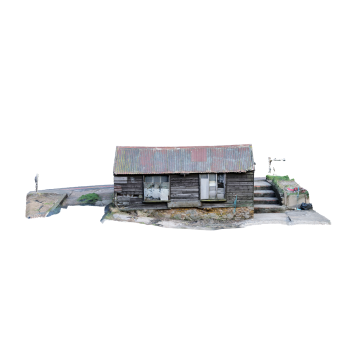
Colgate Island Seafood Restaurant in England

Colgate Island Seafood Restaurant in England

Located on Colgate Island in eastern England, it is a restaurant known for serving fresh seafood. Located on the coastal road of West Mersea, only about 200 meters away from the coastal dock. Geographically unique, it is a part of the easternmost inhabited island in the UK, covering an area of approximately 18 square kilometers. It is loved by diners for its simple and direct dining environment and fresh seafood cuisine. The interior decoration of the restaurant is simple, without excessive decoration, mainly serving seafood. This unique business approach and insistence on freshness of ingredients have become a popular local food destination.
Austrian Mausoleum

Austrian Mausoleum