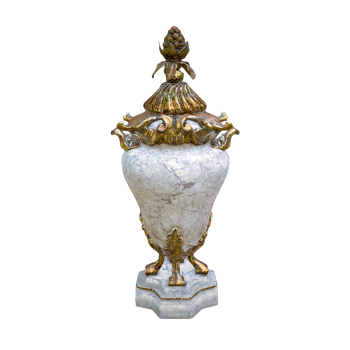
Modern minimalist L-shaped fabric sofa

Modern minimalist L-shaped fabric sofa
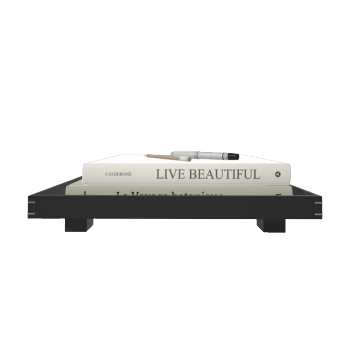
Single layer storage low table with books
Single layer storage low table with books

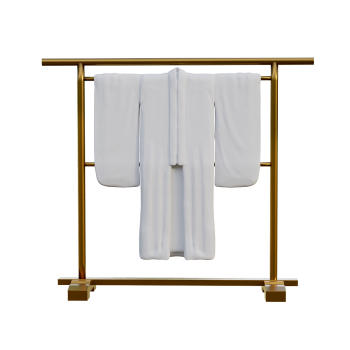
Japanese kimono rack

Japanese kimono rack

It is a shelf used for displaying or storing kimono. Kimono is a traditional Japanese garment with profound cultural significance and historical value. The design of kimono racks usually takes into account the elegant lines and fine details of the kimono to ensure that its shape and aesthetics can be maintained during display. Usually made of wood or metal, some also come with fabric or silk padding to increase softness and protection. It can be a simple vertical design or a complex wall mounted or rotating design to accommodate different display needs and spatial layouts. It is a practical and beautiful household item that can also reflect the owner's love and respect for Japanese culture and art.
Mask vase

Mask vase

It is a ceramic artwork created by French artist Prosper Jouneau. This piece is renowned for its exquisite craftsmanship and unique design, typically featuring deep toned ceramic materials and adorned with delicate mask patterns. The mask, as a decorative element, gives the vase a mysterious and elegant artistic atmosphere. Prosper Jouneau's works not only showcase his superb skills in ceramic art, but also reflect the stylistic characteristics of French ceramic art from the late 19th century to the early 20th century.
Japanese Screen - Xiangyun

Japanese Screen - Xiangyun

Also known as "screen painting" or "screen", it is an important form of traditional Japanese art. Originating in China, it later spread to Japan and gradually developed a unique Japanese style. It is usually composed of multiple connected screens that can be folded and unfolded for easy carrying and storage. The materials of screens are diverse, including paper, silk, wood, etc. They are often painted with patterns of mountains, rivers, flowers, birds, and figures, reflecting Japan's natural scenery and cultural characteristics. Although the practicality of screens has weakened, their artistic and decorative qualities are still loved by people.
Japanese Screen - Flower Butterfly

Japanese Screen - Flower Butterfly

Also known as "screen painting" or "screen", it is an important form of traditional Japanese art. Originating in China, it later spread to Japan and gradually developed a unique Japanese style. It is usually composed of multiple connected screens that can be folded and unfolded for easy carrying and storage. The materials of screens are diverse, including paper, silk, wood, etc. They are often painted with patterns of mountains, rivers, flowers, birds, and figures, reflecting Japan's natural scenery and cultural characteristics. Although the practicality of screens has weakened, their artistic and decorative qualities are still loved by people.
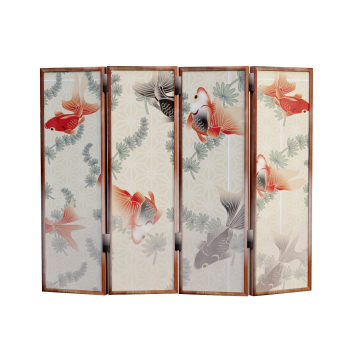
Japanese Screen - Goldfish

Japanese Screen - Goldfish

Also known as "screen painting" or "screen", it is an important form of traditional Japanese art. Originating in China, it later spread to Japan and gradually developed a unique Japanese style. It is usually composed of multiple connected screens that can be folded and unfolded for easy carrying and storage. The materials of screens are diverse, including paper, silk, wood, etc. They are often painted with patterns of mountains, rivers, flowers, birds, and figures, reflecting Japan's natural scenery and cultural characteristics. Although the practicality of screens has weakened, their artistic and decorative qualities are still loved by people.
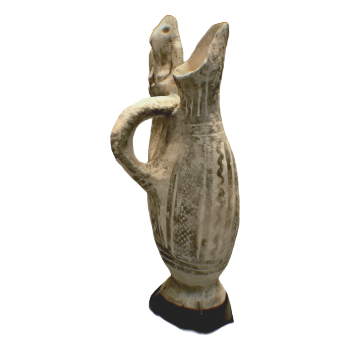
Wing Lion Vase

Wing Lion Vase

This work is renowned for its unique design and decorative details, particularly its winged lion shaped handle, showcasing the artist's exquisite mastery of form and detail. The body of a winged lion usually presents a female image, adding a sense of elegance and strength. Not only does it demonstrate high-level craftsmanship in technology, but it also has profound cultural significance in artistic expression. These works typically feature deep tones, such as dark blue, in sharp contrast to creamy or white decorations, making each piece a precious treasure cherished by collectors and art enthusiasts.
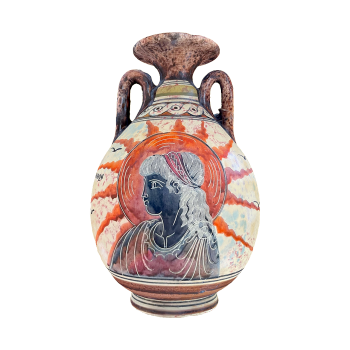
Hand drawn vase

Hand drawn vase

It is a ceramic artwork created by hand drawing patterns and colors. This type of vase is usually meticulously crafted by skilled artists or craftsmen, and each piece is unique. The surface decoration of hand drawn vases can include various styles, such as traditional floral patterns, abstract art designs, landscape paintings, or figurative art. These patterns not only showcase the artist's creativity and painting skills, but also reflect cultural characteristics and personal style. Hand drawn vases can be fired using various techniques, including underglaze color, overglaze color, or a combination of both, to achieve different visual effects and textures.
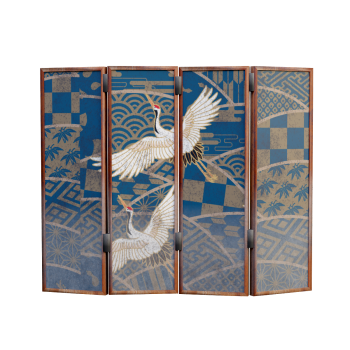
Japanese Screen - Red crowned Crane

Japanese Screen - Red crowned Crane

Also known as "screen painting" or "screen", it is an important form of traditional Japanese art. Originating in China, it later spread to Japan and gradually developed a unique Japanese style. It is usually composed of multiple connected screens that can be folded and unfolded for easy carrying and storage. The materials of screens are diverse, including paper, silk, wood, etc. They are often painted with patterns of mountains, rivers, flowers, birds, and figures, reflecting Japan's natural scenery and cultural characteristics. Although the practicality of screens has weakened, their artistic and decorative qualities are still loved by people.
Sumerian toy vase

Sumerian toy vase

Sumerian toy vases are ceramic products of the ancient Sumerian civilization, located in present-day Iraq and one of the earliest civilizations. These toy vases not only serve as children's toys, but also reflect the culture and daily life of the society at that time. They are usually made of clay, shaped and fired by hand, with small sizes and simple shapes, making them easy for children to carry and play with. The decoration of Sumerian toy vases may include geometric patterns, animal images, or mythological stories carved or molded, which not only have decorative value but also convey educational significance and help children understand the world.
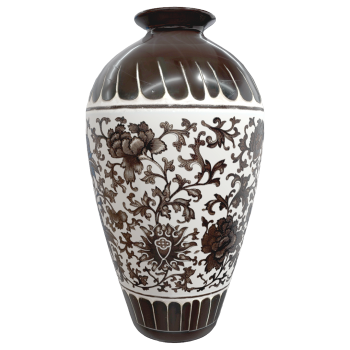
Black imitation Song Chinese style vase

Black imitation Song Chinese style vase

It is a modern vase design that combines elements of Song Dynasty aesthetics and traditional Chinese culture. This type of vase typically features black or dark tones to echo the theme, while also drawing inspiration from the characteristics of classical Chinese vases in terms of shape and decoration. They may have elegant neck lines, rounded bellies, and delicate ear handles, and surface decorations may include traditional Chinese patterns, motifs, or calligraphy. It is not only a decoration, but also a fusion of culture and art, showcasing the combination of Eastern aesthetics and modern design concepts. This vase is suitable for placement in various indoor environments, adding artistic atmosphere and cultural depth to the space.
Sicilian Vase

Sicilian Vase

It is a traditional ceramic artwork from Sicily, Italy, known for its unique cultural characteristics and style. These vases are usually handmade from local clay, carefully shaped, painted, and fired. The design of Sicilian vases often combines classical elements with local characteristics, with common patterns including geometric shapes, natural landscapes, mythological stories, and historical figures. Among them, "giara" is a special large Sicilian vase that has been used since ancient times to hold liquids. In addition, Caltagirone in Sicily is known for producing ceramics with artistic charm, whose works evoke memories of Sicilian land and fire
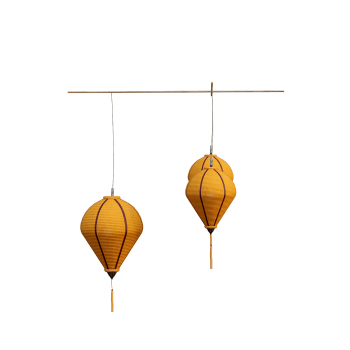
Chinese droplet shaped lantern

Chinese droplet shaped lantern

It is a classic decoration in traditional Chinese culture, which not only has a lighting function, but also contains profound cultural significance and aesthetic value. This type of lantern usually uses traditional red or yellow colors, symbolizing joy and auspiciousness, and is an indispensable element in festivals and celebrations. The design inspiration comes from water droplets in nature, with a simple yet elegant shape and smooth lines, giving people a sense of aesthetic enjoyment. The frame is mostly made of bamboo or wood, which are not only environmentally friendly but also able to showcase a rustic beauty. The interior is usually equipped with candles or modern LED lights, which emit a soft and warm light through the paper surface of the lantern when the light is on.
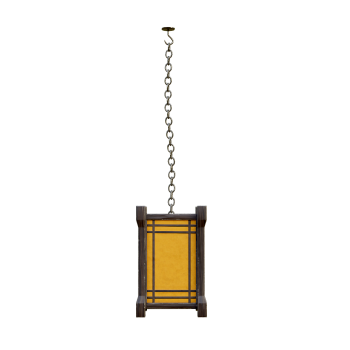
Chinese square lantern

Chinese square lantern

It is a traditional Chinese decoration commonly used for festivals, celebrations, or decorating indoor and outdoor spaces. It has distinctive Chinese cultural characteristics and integrates Chinese elements in design, such as Chinese knots, Paper Cuttings, calligraphy and painting. The frame is usually made of bamboo or wood, covered with red or yellow silk or paper on the outer layer, and can hold candles or modern LED lights inside to provide warm and soft light. Not only visually appealing, but also symbolizing brightness, prosperity, and happiness. In traditional Chinese festivals, such as the Spring Festival and the Yuanxiao (Filled round balls made of glutinous rice-flour for Lantern Festival) Festival, people hang red lanterns to celebrate, which means family harmony and prosperity in the new year.
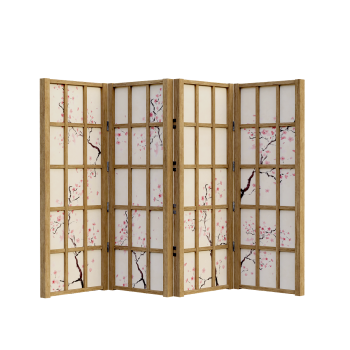
Japanese cherry blossom pattern solid wood screen

Japanese cherry blossom pattern solid wood screen

It is an interior decoration that combines traditional craftsmanship and natural aesthetics. Usually made of carefully selected solid wood materials, the surface is painted with exquisite cherry blossom patterns. As Japan's national flower, cherry blossoms symbolize beauty, transience, and rebirth. Solid wood screens not only have high ornamental value, but also have the functions of separating spaces, providing privacy, and decorating interiors. Design often combines traditional Japanese art styles with modern design concepts, giving it both classical charm and modernity.
Japanese style exquisite marble painted drawer cabinet

Japanese style exquisite marble painted drawer cabinet

Japanese walnut drawer cabinet

Japanese walnut drawer cabinet

Dragon shaped three legged incense burner

Dragon shaped three legged incense burner

It is a traditional Eastern handicraft, just a incense burner used in religious or spiritual ceremonies, and also an exquisite decoration. Known for its unique design and exquisite craftsmanship. The top of the censer is carved with a coiled Chinese Loong. The whole is made of brass, with a three legged incense burner and many exquisite carvings on the surface, reflecting exquisite craftsmanship. In Eastern culture, the dragon is a symbol of auspiciousness, representing strength, wisdom, and good luck. The design and production embody the perfect combination of traditional craftsmanship and modern aesthetics, making it a worthwhile piece of art to possess.
Traditional Chinese Red Lantern

Traditional Chinese Red Lantern

It is an important component of traditional Chinese culture, with a long history and profound cultural connotations. Originating from the Han Dynasty, it was initially used as a lighting tool and gradually evolved into decorative items in festivals and celebrations, symbolizing brightness, reunion, and joy. In traditional Chinese festivals, such as the Spring Festival, the Yuanxiao (Filled round balls made of glutinous rice-flour for Lantern Festival) Festival, and the Mid-Autumn Festival, every household will hang red lanterns to add to the festive atmosphere. Widely popular in China, it has also become a landmark decoration for Chinese cultural festivals, Chinatown and other occasions around the world due to its unique Eastern charm. With the development of modern technology, there have also been many innovative designs for red paper lamps.
Copper bonsai

Copper bonsai

It is a new trend in modern interior decoration that perfectly integrates natural beauty with industrial design. It conforms to the minimalist style of modern interior design and embodies the design concept of "less is more". The copper bonsai model adds a low-key luxury to indoor spaces with its exquisite craftsmanship and unique texture. The choice of copper material is not only due to its corrosion resistance and ease of maintenance, but also because it gradually exhibits unique color changes over time, adding a depth of time and storytelling to bonsai. Whether in the living room or workspace, copper bonsai can perfectly blend in and become a highlight of interior decoration.
Spiral bamboo

Spiral bamboo

It is a unique form of bamboo known for its spiral shaped curved growth. The characteristic of this type of bamboo is the twisting of the bamboo joints in a spiral shape, creating a visual dynamic aesthetic. Not only favored in landscape design, but also often used to make various handicrafts and decorations. Used to create a natural and elegant landscape effect, its spiral shape can add a flowing beauty to the garden. It is a plant that is both beautiful and practical, showcasing its unique charm and value both as a part of garden landscapes and as a material for artistic creation.
Rococo vase

Rococo vase

Rococo vase is a decorative ceramic artwork popular in Europe in the 18th century. Its style originated in France and is characterized by delicacy, elegance, and decorative elements. The design of this vase typically includes complex patterns, asymmetrical curves, and natural elements such as shells, curled grass, and flowers. The Rococo art style reflects the society's pursuit of luxury, relaxed and enjoyable life at that time, and its decorative details often show a relaxed and flowing beauty. The colors of Rococo vases are usually soft and rich, using shades such as pink, gold, ivory white, and a large number of gold decorative lines to create a warm and gorgeous visual effect.
Decorative vase

Decorative vase

It is a ceramic or glass container mainly used for indoor beautification and decoration. This type of vase has exquisite design and diverse shapes, and can be a classic, modern, or any other style of artwork. Decorative vases typically have elegant necks and wide bottoms to support their weight and maintain stability. They can be monochrome or feature a variety of colorful patterns and decorations, such as hand drawn flowers, geometric shapes, or other abstract designs. Decorative vases not only add beauty to indoor environments, but also reflect the owner's taste and style. They can be displayed as art pieces alone or combined with natural elements such as flowers, dried flowers, and tree branches.
Chinese Lotus Lantern

Chinese Lotus Lantern

It is a very prominent symbol in Chinese culture. The combination of lotus flowers and lanterns creates a unique artwork. Lotus flowers are closely related to Buddhist Falun in Chinese culture and are regarded as a symbol of purity. The lantern itself has a long history and usually symbolizes good luck. Traditionally, real shells are used to make lotus lanterns, giving them a unique appearance through artistic arrangement and painting. The design is full of creativity, with high aesthetic appeal, and in people's eyes, they also have important cultural significance. I believe these lanterns can bring good luck, longevity, and purity.
Japanese Wooden Pagoda Lamp

Japanese Wooden Pagoda Lamp

It is a decoration that combines traditional and modern elements, not only serving the function of lighting, but also possessing high artistic value and decorative value. This type of lighting fixture is usually made of high-quality wood and coated with protective paint on the surface, which is both durable and aesthetically pleasing. The design inspiration for the shape comes from the traditional Japanese pentagram tower, representing Japan's architectural aesthetics and cultural characteristics. Exquisite design and meticulous attention to detail, every part from the top to the bottom of the tower has been carefully crafted, showcasing the exquisite craftsmanship of Japanese craftsmanship. The light passes through the texture of the wood, emitting soft and warm light, creating a peaceful and tranquil atmosphere.
Spanish ceramic kettle

Spanish ceramic kettle

Japanese cloisonn é vase

Japanese cloisonn é vase

The Cloisonn é vase from 19th century Japan is an outstanding representative of the craftsmanship level of that period. This vase uses copper wire as dividing lines, meticulously outlining the outline of the pattern, and is filled with enamel material, which is then fired and polished at high temperatures. The 19th century is known as the "golden age" of Japanese cloisonn é, when production techniques reached unprecedented heights. The works are characterized by "exquisite wire work and extreme attention to detail". These vases are not only cherished domestically in Japan, but have also achieved great success at international exhibitions, exerting a profound influence on European ceramic manufacturers.
Aquarium Ancient temple ruins Buddha head statue decoration

Aquarium Ancient temple ruins Buddha head statue decoration

Rattan backrest chair, single person leisure chair, rattan household dining chair

Rattan backrest chair, single person leisure chair, rattan household dining chair

Chinese style mahogany storage cabinet, living room tea water cabinet, solid wood cabinet

Chinese style mahogany storage cabinet, living room tea water cabinet, solid wood cabinet

The Pilgrim at Emmaus, created by Titian
The Pilgrim at Emmaus, created by Titian

Titian's "Pilgrim at Emmaus" is an oil painting depicting the scene in the Bible where Jesus appears to two disciples after his resurrection. This painting was created around 1533 or 1534 and is currently hanging in the Louvre Museum in Paris. The painting depicts the scene of pilgrims at Emmaus. The history of this painting is somewhat controversial. Some believe it was created around 1547, while others believe it was created around 1543. The Louvre Museum has set its creation date between 1533 and 1534. This painting used to belong to a group of paintings in Mantua and was purchased by Charles I in 1628.
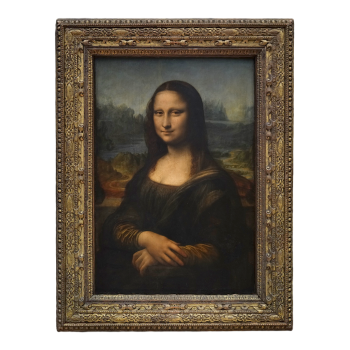
The Mona Lisa created by Leonardo da Vinci

The Mona Lisa created by Leonardo da Vinci

The Mona Lisa is a masterpiece by Italian Renaissance painter Leonardo da Vinci, currently housed in the Louvre Museum in France. This painting mainly depicts the typical image of elegance and tranquility of women, shaping the image of a woman from the urban bourgeoisie during the rise of capitalism. The figures in the painting have elegant sitting postures, and the background landscape is deep and vast, fully demonstrating the painter's unique smoky "boundless gradient coloring method". The smile of Mona Lisa in the painting is known as the "mysterious smile", which makes people unable to believe that it is a real face, and its existence cannot completely dispel people's doubts.
Simple retro Chinese style solid wood double seat backrest chair sofa armchair dining chair

Simple retro Chinese style solid wood double seat backrest chair sofa armchair dining chair

European classical wrought iron corridor wall lamp

European classical wrought iron corridor wall lamp