Nymphs 3D model animation

Nymphs 3D model animation

The Nymphalid butterfly, also known as the ocean-cruising butterfly, is a butterfly belonging to the family Nymphalidae. The wings are brightly colored. The wings of male butterflies are mainly orange with black edges and several small eye spots, while female butterflies are more diverse in color, with yellow, brown, black and white combinations on their wings. The larvae are black and yellow to white, with black branchlike spines on the back and sides. Mainly to passionflower family plants for food. The adults feed on the nectar of various flowers, often fly at the edge of forests and in open areas, and like to cruise on forest roads. There is the act of gathering on wet or moist soil for nutrients, a phenomenon known as "muddy water gathering".
Spotting Butterfly 3D Model Animation

Spotting Butterfly 3D Model Animation

Spotted butterflies are a class of butterflies with migratory behavior, belonging to the family Nymphalidae. The wings are usually bright orange or black with striking white or yellow spots. This color scheme is a warning color that warns predators that they contain toxins. The larvae feed primarily on milkweed plants, which contain toxins that the larvae store in their bodies, giving the adult a defense against predators. Migration behavior is not only a great wonder of nature, but also an important object of ecological research. Some spotted butterfly populations are declining due to factors such as habitat loss, climate change and pesticide use.
Red Race Butterfly 3D Model Animation

Red Race Butterfly 3D Model Animation

The red-reed butterfly is a species of butterfly belonging to the family Nymphalidae, known for its bright red wings and complex black edges. The wing pattern is very complex and is one of the most exquisite of all butterflies. Both the forewings and the hindwings have distinct black edges, and each has a diagonal white patch at the tip of the forewings. It is mainly distributed in Southeast Asia, including Malaysia, Indonesia and the Philippines. The larvae feed mainly on the Passiflora family. The adult is usually active in a sunny environment and likes to visit flowers to absorb honey.
Spotted Tortoise

Spotted Tortoise

Spotted flower tortoises are large, with adults 1.4-1.8cm long and oval bodies, usually dark brown or black with yellow or white spots. The wings are shiny and remain closed during flight. It feeds mainly on nectar and pollen and is common in gardens, orchards, and forest margins. The larvae are white, live in saprowood or humus, are thick in size, and have relatively small heads and legs. The larvae pupate in round cells formed by wood chips, and the adults appear in summer. It is more common in Australia, mainly from New South Wales to northern Queensland.
Heaven chicken butterfly 3D animation model

Heaven chicken butterfly 3D animation model

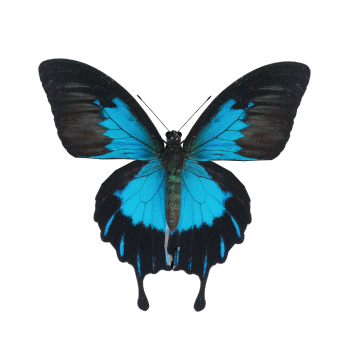
Heaven butterfly, also known as colored glaze butterfly, hero butterfly, is Australia's national butterfly. It is famous for its pure blue and black contrasting wings. The wings are beautiful and huge, and the whole body shines with pure blue luster on the black velvet background color. It mainly inhabits the tropical rainforest, but also appears in the garden of tropical plants on the outskirts of the city. It migrates over short distances, depending on the seasons, in search of warmer places and abundant food. Male butterflies are easily attracted to blue objects, and the larvae mainly feed on Evodia or Honey Cornus. Not only beautiful, but also a symbol of wisdom, persistence, courage and true love.
Mouse Woman 3D Model Animation

Mouse Woman 3D Model Animation

The rosewoman, also known as the tide worm, the earth beetle, or the psyllid, is a small terrestrial crustacean belonging to the order isopod. The body is flat, oval in shape, usually gray or brown, and the surface is covered with a hard shell with multiple segments. The head has two pairs of antennae, one of which is longer and is used to sense the environment. Likes to live in a humid environment, such as stone, rotting wood or wet soil. It feeds on humus, dead leaves and other organic matter and plays an important role in the decomposition process in the ecosystem. The body structure allows them to live on land, but still requires a moist environment to keep the body hydrated.
Mosquito 3D Model

Mosquito 3D Model

The mosquito belongs to the family Diptera and is a tiny insect. The adult body is about 3-6mm long, and the body is divided into three parts: head, chest and abdomen. The head has a pair of antennae and a long beak for sucking liquids. The wings are transparent, have wing veins, and buzz when flying. It belongs to complete metamorphosis. Female mosquitoes suck blood, while male mosquitoes feed on plant juices. Widely distributed in the world, especially in tropical and temperate regions more common. Frequent activities in the breeding season, often at dusk and night. The blood-sucking behavior of mosquitoes is not only annoying, but may also transmit diseases such as malaria, dengue fever and yellow fever.
Monarch Butterfly Caterpillar 3D Model Animation

Monarch Butterfly Caterpillar 3D Model Animation

Monarch butterfly caterpillar body length 25-45mm, body segments, black, yellow, white stripes, small head, short antennae. Foods on milkey, the plant contains toxins that caterpillars store in their bodies to create a defense against predators. The life cycle includes four stages: egg, larva, pupa and adult. Female butterflies lay eggs on milkweed leaves, and after the eggs hatch, the caterpillars feed on the egg shell and milkweed leaves and undergo five molts. After the end of the fifth instar, the caterpillars fix themselves with silk pads, forming green pupae with golden spots. About two weeks later, adult monarch butterflies emerge from their pupae with brightly colored wings with orange and black markings
Bombardier beetle

Bombardier beetle

The Bombardier beetle is a small insect, usually only 5-13mm long. It is known for its unique defense mechanism: when threatened, it can spray a high-temperature, corrosive chemical spray from the abdomen. This spray is produced by a mixture of hydrogen peroxide and hydroquinone at temperatures up to 100°C, effectively repelling predators. The tail nozzle can be aimed in all directions like a rotating turret, and the spray frequency can reach 500 times per second. It lives mainly in temperate forests and grasslands. It is a carnivorous insect that feeds on other insects and small animals and is nocturnal.
Malaysia giant tree branches gladiator 3D animation model

Malaysia giant tree branches gladiator 3D animation model

Malaysia giant tree gladiator is a huge mantis, body length up to 15-18cm, is one of the largest mantis in the world. The body is flat and slender, dendritic, with a high camouflage ability, mainly distributed in Malaysia, Sumatra, Java and Borneo and other places. The head is triangular and can rotate freely, with a wide field of vision. The front legs resemble sickles with spikes and are suitable for catching prey such as insects, frogs, birds and small snakes. Wings with markings, hidden under the body, flight ability is limited. The female abdomen has six ventral segments, which are large and bulging; the male abdomen has eight ventral segments, which are relatively small.
Malay giant flat stick insect

Malay giant flat stick insect

The Malay giant bamboo worm is a huge bamboo worm. The female can reach 14-17cm in length and 30-65g in weight. It is one of the heaviest insects known. The male is about 9-13cm long and brown, with a slender body and a fully developed hindwing. The female is bright green, with short wings covering the dorsum. This insect feeds mainly on plants such as oak, hawthorn, blackberry and ivy. Quiet during the day and nocturnal, with a unique defense mechanism, the female will clamp the predator with her spiny hind legs and scare off the enemy by spreading the rustling of her hindwings.
Ant 3D Model

Ant 3D Model

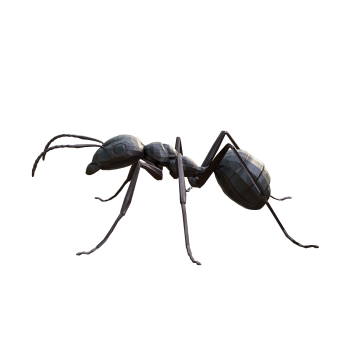
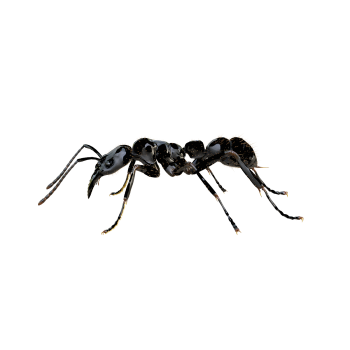
Ants are hymenoptera Formicidae insects, small size, body length 2-25mm, body split head, chest, abdomen three parts. It is a typical social insect, living in a nest composed of tens of thousands or even millions of individuals, with a complex structure and a clear division of labor. There are workers, soldiers and breeding ants and other different forms and functions of the individual, workers are responsible for nesting, foraging and care of larvae, soldiers are responsible for defense, breeding ants are responsible for offspring. Communicate through the secretion of pheromones to transmit information such as food location and danger warnings. It feeds on plant seeds, insect carcasses, honeydew, etc. Some species also raise aphids to obtain honeydew.
Violin Beetle 3D Model Animation

Violin Beetle 3D Model Animation

The fiddler beetle is a unique species of beetle insect that lives in the tropical rainforests of Southeast Asia. The body length can reach 60-100mm, the body is flat, brown or black, with metallic luster. Shape resembles a violin, narrow head, "thin neck", wide wings, the overall appearance is unique. The larvae live in huge porous bacteria, will dig tunnels in the bacteria and pupate, the development period of up to 8-9 months. The adults are usually active between August and November, and are mostly found at dusk and at night. It is a predatory insect that feeds on the larvae of other insects and secretes a toxic butyric acid defense fluid to ward off predators.
Animation of 3D model of leaves

Animation of 3D model of leaves

The leaf-worms are insects of the order Slub-worms, known for their amazing leaf-mimicry abilities. The body is flat and broad, usually green or brown, matching the color of the surrounding vegetation. The wings and leg extensions mimic the shape and texture of the leaves, and some species even have traces of blade bites on the edges. Females are usually larger than males, with broad forewings, leaf-like midrib s and leaf veins. It lives mainly in tropical rainforests and feeds on the leaves of plants, especially those such as mango and guava. Rely on excellent camouflage to avoid predators, and even shake from side to side when walking, like leaves swaying in the wind.
American cockroach 3D animated model

American cockroach 3D animated model

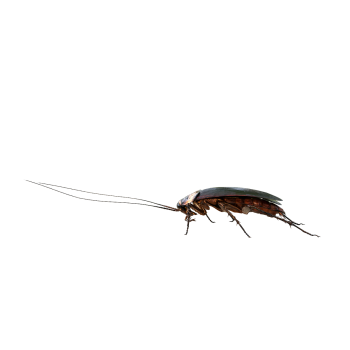
American cockroach alias Japanese Periplaneta, oil woman, is a large cockroach, adult body length 35-40mm. It is reddish brown to tan, with oily luster. It is an omnivorous insect that eats almost everything. It prefers warm and humid environments and often appears in basements, sewers, kitchens and other places. Native to Africa, it was introduced to the Americas in 1625. It is widely distributed worldwide, especially in large commercial buildings and residences. Harmful to human health because they spread bacteria such as Salmonella and Shigella, which can cause food poisoning.
Wasp 3D Model Animation

Wasp 3D Model Animation

Wasps, also known as wasps, wasps or wasps, belong to the hymenoptera wasp family. Large insects, body length up to 2-4cm, the body is black and yellow stripes, with a clear warning color. The head is triangular, with large compound eyes and slender antennae. Poisonous bee needles are hidden at the end of the abdomen and are used for defense and predation. A social insect that usually builds its nest in the trunk, under the eaves, or in the corner of a wall. The nest is conical or spherical and consists of a mixture of beeswax and plant fibers secreted by the bee colony. It is a predatory insect that mainly feeds on other insects and has a certain effect on controlling the number of pests. Venom contains a variety of toxins that can cause severe allergic reactions after being stung.
Female Pink Orchid Mantis 3D Animated Model

Female Pink Orchid Mantis 3D Animated Model

The Pink Orchid Mantis is a unique insect that lives in the rainforests of Southeast Asia and is known for its pink and white body and petal-like legs. The body length can reach 6-7cm, with obvious sexual dimorphism, and the female body size is much larger than that of the male. The use of its flower-like appearance for aggressive mimicry, to attract and capture bees, butterflies, moths and other insects as food. The color and petal-like legs make them difficult to spot in their natural environment and even more attractive to prey than real flowers. Not only beautiful in appearance, but also a top insect predator, sometimes even preying on creatures larger than themselves.
Fish fly 3D model animation

Fish fly 3D model animation

The lacewing, also known as the Oriental mandibular lacewing, is a large insect, belonging to the vein-winged fish lacewing family. Adult body length up to 75mm, color is light brown, with dark markings. The male individual has a particularly long, sickle-shaped jaw, which is used in courtship competition. The larvae, known as "Hell Grimette", can reach 90mm in length, are dark brown, have a flattened body and tiny spines, and feed on other aquatic insects and small invertebrates. The adults feed less and are mainly active at night. Female lacewings lay their eggs on branches, rocks, or other structures near streams, and the eggs are white and arranged in clusters. Mainly distributed in eastern North America.
Citrus Chicken Butterfly 3D Animated Model

Citrus Chicken Butterfly 3D Animated Model

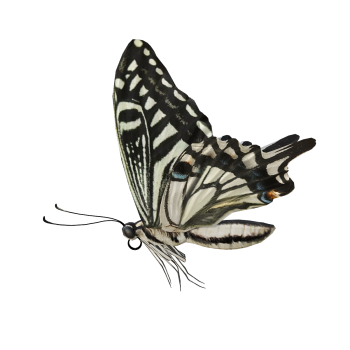
The citrus butterfly, also known as the Chinese yellow swallowtail butterfly or the Asian swallowtail butterfly, is a medium-large butterfly, a beautiful butterfly widely distributed in East Asia, belonging to the genus Papilionidae. The adult body length is about 50mm and the wing span can reach 80 to 110mm. The wings are colored with bright yellow, covered with black markings and stripes, and a pair of slender tail processes at the end of the hindwings, which are very eye-catching. The larvae feed mainly on plants of the family Rutaceae, such as the leaves of citrus plants. The adults, on the other hand, prefer to move in open areas, sparse woodlands, gardens and citrus orchards, where they often gather honey from flowers and have the habit of visiting flowers.
Giant round hip big fly 3D animation model

Giant round hip big fly 3D animation model

The giant round buttock fly, also known as the non-bully hook fly, is one of the largest dragonflies in the world. Adult body length up to 95-100mm, wing span up to 120-140mm. The head and thorax are black with yellow markings and the compound eyes are turquoise. The larvae live in water and prey on small aquatic animals and fish fry. The adults prey on flying insects such as mosquitoes and flies in the air. Distributed in China, Japan and South Korea, in China mainly found in Jiangsu, Zhejiang, Guizhou, Guangdong and other places. It is not only beneficial insects, but also a large number of pests, and its larvae can also be used as an indicator of water pollution.
3D animation model of parthenogenetic
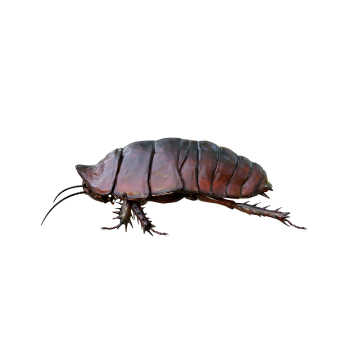
3D animation model of parthenogenetic

Parthenoptera is a large wingless species that lives in katydids in Eurasia and belongs to the family Orthoptera. The body is slender, with a body length of about 55 to 75mm, and is emerald green or iron cyan. Known for its strong predatory ability, it is specialized in the front and middle feet with spikes and is used to catch prey. A distinctive feature is its parthenogenetic ability, in which a female individual produces offspring without the need for males. Makes parthenogenetic males of the hydatids extremely rare in the wild. It mainly inhabits open grasslands and bushes and feeds on other insects. Mainly distributed in parts of Xinjiang. Due to its unique reproductive mode and large body size, it is classified as a near-endangered species.
Giant Cockroach 3D Model Animation

Giant Cockroach 3D Model Animation

The giant cockroach is the heaviest known cockroach in the world and the second largest. It lives mainly in the tropics of Queensland, Australia, and is an important decomposer in the local ecosystem. The body is huge, the body length can reach 8cm, the weight can reach 35 grams, and the life span is up to 10 years. It is an egg-viviparous animal in which the female incubates the eggs and then directly lays the larvae. It feeds mainly on withered eucalyptus leaves, bark, hay and branches, helping to cycle nutrients through the consumption of these organisms. It is a ground-dwelling insect that digs permanent caves up to 1 meter deep in the soil. No wings, unable to fly, action is relatively slow. They are usually active at night.
Giant Sand Kat 3D animation model

Giant Sand Kat 3D animation model

The giant sand is a giant insect living in New Zealand, belonging to the family Orthoptera. It is one of the largest insects known at present, with an adult body length of 8-10cm and a weight of up to 80g. It has barely evolved in nearly 0.2 billion years, and its shape and features have been preserved to this day. It lives mainly on Little Barrier Island in New Zealand and several isolated islands around it. Due to the lack of large predators on these islands, they were able to evolve into huge body sizes. It is a nocturnal insect that feeds on plants, small insects and fruits. Although large, but generally do not take the initiative to attack humans, only when threatened to defend themselves
Army Ant 3D Model Animation

Army Ant 3D Model Animation

The marching ant is a group of ants known for their colony migration and strong predation ability, belonging to the hymenopteran family. Mainly distributed in South America, Africa, some species also migrated to North America and Asia. No fixed nest, in the form of group migration, a group of up to 1 millions or 2 millions. An omnivorous animal that preys mainly on terrestrial arthropods, such as spiders and centipedes, and also sucks plant sap. Predation behavior is extremely aggressive and will form dense columns or horizontal lines that quickly surround and shred prey. During the migration process, the marching ants use themselves to form "ant bridges" so that the entire colony can quickly pass through obstacles.
3D model animation of gladiator lacewings

3D model animation of gladiator lacewings

The gladiolus is an insect of the family gladiolidae, similar in appearance to a small mantis, with a distinctive catchy forefoot and an elongated front chest. The body length is generally between 2 and 20cm, the front chest is developed, the antennae are rod-shaped, the wings are two pairs, the wing veins are rich, and sometimes imitate the wasp for mimicry. The eggs are white, have short stalks, and usually lay hundreds of grains in pieces on the bark. There are two forms of larvae, one is well-developed and active, and the other is short-footed, white and fat, resembling grubs. Most of them are parasitic on the eggs or larvae of tarantulas, and a few of them are parasitic on the hive of Hu. It is a predatory insect that feeds on small insects and uses its forefoot to catch prey.
Black Sun Flash Butterfly 3D animation model
Black Sun Flash Butterfly 3D animation model

Black sun flash butterfly is a butterfly of the genus flash butterfly of the family flash butterfly, large in size, wings about 10cm wide, and colorful. The forewings are silver-gray and blue-green on the upper side, with a broad black-brown outer margin, and the hindwings have similar features, with a black band at the basal costal margin. The lower ventral surface is composed of copper brown, black white and orange, with black, white and orange lines. It is a completely abnormal insect, with hemispherical eggs and larvae living in clusters, feeding on legumes and emitting pungent odors to drive away predators in case of danger. Mainly distributed in Brazil, Colombia, Guyana, Suriname, Ecuador and Peru.
Six-spot hetero ladybug

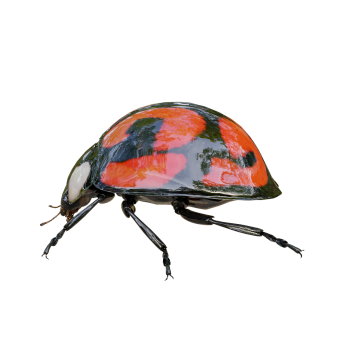
Six-spot hetero ladybug

The six-spotted heteropyridis is medium in size, with adult body length up to 13mm, body color is usually black, with multiple white or yellow spots on the anterior thoracic back and elytra, and 6 obvious white or yellow spots on the elytra. Mainly found in parts of Europe and Asia, it is common in sunny areas such as forests, meadows and gardens. It is a predatory insect, which mainly feeds on the insects of the leaf nail family and has a certain effect on the control of pests. The adults migrate from the forest to sunny rocky hillsides or buildings in early autumn in search of overwintering sites, forming clusters of up to several hundred individuals that maintain higher temperatures by aggregating to survive the winter.
Japanese Swallowtail Butterfly

Japanese Swallowtail Butterfly

The Japanese swallowtail butterfly, also known as the black belt swallowtail butterfly or the horse butterfly, is a large butterfly with a wing span of 100-120mm. The female is usually larger than the male, the wings are mainly black with yellow or white markings, the forewings have two yellow banded stripes, the hindwings have yellow spots and blue flashes, and the hindwings have prominent caudal processes. Mainly distributed in East Asia, often inhabiting forest edges, grasslands and mountains, preferring sunny environments. The adults feed on nectar and the larvae feed on Rutaceae. In Japan, swallowtail butterflies are regarded as auspicious symbols and often appear in works of art, but their numbers have declined due to habitat destruction and environmental pollution.
Chinese broadsword gladiator 3D animation model

Chinese broadsword gladiator 3D animation model

The Chinese gladiator, also known as the Chinese mantis or Japanese gladiator, is a large mantis species belonging to the family Mantidae. The female body length can reach 47-90mm, the male body length 68-77mm. The body color is usually yellowish-brown or green, the head is triangular, the compound eyes are large, the forefoot base is long, and the lower edge has blunt teeth. It is a carnivorous insect that preys mainly on other insects and occasionally on small vertebrates. Usually in the morning and evening activities, love shade afraid of heat, hot summer at noon often perched in the shade of the crown. Because of its large size, large appetite, wide range of insect-eating, strong fecundity and other characteristics, it has become an important predatory insect.
Ellegaon spade

Ellegaon spade

A small shovel is a small spade worm, male 15-20mm long, reddish brown, with a black striped elytra. Mainly distributed in Southeast Asia. Male individuals have short and curved large jaws with fused internal teeth and unique morphology. It usually lives in mountainous areas at higher elevations and is adapted to warm and humid environments. In rearing, the larvae feed on rotten wood, and the adults can eat insect-specific jellies or sweet fruits. Because of its small size and unique appearance, it is loved by insect lovers and suitable for beginners.
Giant Ants

Giant Ants

Giant Ants is one of the largest ants in the world, belonging to the Formicidae needle ant subfamily. The body length can reach 25-40mm, mainly distributed in the tropical rain forests of South America. The body is huge, black in color, shiny, and the surface is covered with fine hair. Nests are usually located in soil with large nesting chambers and tunnels up to 1.2 meters deep. It feeds on small insects, but mainly on the nectar and sweet juice of plants. The venom is very strong, and the sting is very painful, lasting for 48 hours, and can even cause symptoms such as swollen lymph nodes, edema, and tachycardia. Nevertheless, there is a role for pest control in the ecosystem.
Ghost Slub Insect 3D Animation Model

Ghost Slub Insect 3D Animation Model

The ghost stick insect, also known as the giant spiny stick insect or mccley's ghost, is a larger species of stick insect native to australia and new guinea. Known for its unique appearance, the female can be up to 15-18cm long, covered with thorn-like thorns, and has a variety of colors, including brown, green, yellow and white. The male is small, about 12-13cm, with well-developed wings and capable of flight. The adults feed primarily on eucalyptus leaves and have a unique defense mechanism that, when threatened, rolls up their belly to mimic the tail of a scorpion and releases a taffy-like scent to scare off predators.
South America Lantern Wax Cicada 3D Model Animation

South America Lantern Wax Cicada 3D Model Animation

The South American lantern wax cicada, also known as the peanut-headed lantern fly or alligator, is a larger insect of the order Hemiptera. Mainly living in the tropical rain forests of South and Central America, it has a distinctive head protuberance resembling a peanut shape with a prosthetic eye that looks like the head of a lizard or snake. The head protrusion may be used for camouflage and defense, and the artificial eye markings on its wings expand when threatened to scare off predators. It also releases unpleasant chemicals to ward off threats and is not deadly toxic. It feeds on the sap of large trees.
Spider Bee

Spider Bee

Spider wasp is a large solitary bee, belonging to Hymenoptera spider wasp family. It is known for hunting spiders, especially the larger tarantulas. The venom is painful in humans, but usually not fatal. The body length can reach 30-50mm, the body is blue-black or green-black, with a metallic luster, and the wings are usually orange or brown-red. Mainly distributed in the tropical and subtropical regions of South America. The habitat is mostly dry desert and grassland areas. In predation behavior, the spines at the tail end are used to inject the spider with venom, paralyze it, and then drag it back to the nest as a host for spawning.
Golden Ring Wasp

Golden Ring Wasp

The golden-ringed wasp, also known as the Asian hornet, is the largest wasp in the world. Head orange, body dark brown. It is mainly distributed in the subtropical and temperate regions of eastern and southeastern Asia, and widely distributed in China. It is a social insect that overwinters as a fertilized queen bee in tree holes, wall crevices or rock crevices. It mainly preys on other insects, including bees, caterpillars, etc., and has a certain effect on pest control in the ecosystem. It also poses a threat to the bee farming industry, capable of quickly destroying bee nests. Venom is dangerous to humans, especially to people with allergies. In Japan, the Golden Ring wasp is responsible for 30 to 50 deaths a year.