Freecreat category

Animals/Organics

Browse models in this category, preview details, then continue to download when ready.
Melville Whale (3D animated model)
Melville Whale (3D animated model)

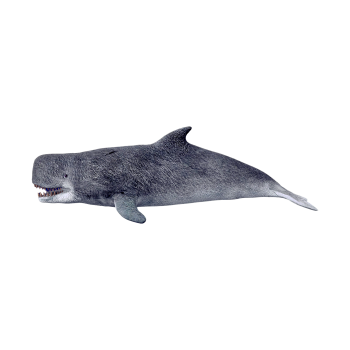
The Melville whale was the most powerful marine mammal of the Neogene. The Melville whale is 18 meters long and weighs 65 tons. It is about the same size as the current female sperm whale. The teeth are 35 centimeters long, longer than the teeth of the Megalodon shark. Melville whale is named after the novel author Melville because it conforms to the description of the classic novel "Moby Dick. Fossils of the Melville whale were found in Miocene formations dating from 13 million to 12 million years ago. Because of its huge head and large size, the Melville whale does not swim fast and has an amazing bite force. Its brain oil can locate the sound of its prey.
Frilled Shark (3D Animated Model)

Frilled Shark (3D Animated Model)
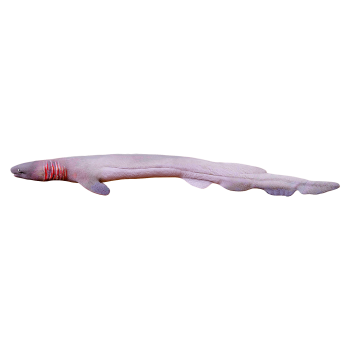
The frilled shark is a fish of the family Frilled Shark, also known as the Anguilla Shark. The body is elongated, eel-shaped, with obvious ridge on the abdomen. The mouth end position is deep arc-shaped and quite large, extending backward to the back of the eye. The anastomosis is extremely short, and the anastomosis end is flat. The eye is oblong, without nictation membrane, and is closer to the anastomosis end than to the first gill orifice. Small nostril, flank near the anus end, there is a small tooth head between the base of the central tooth tip and the base of the lateral tooth tip; 6 pairs of gill holes are located in front of the base of the pectoral fin, and the gill interval is extended and folded, and covers each other.
Fear of Fish (3D animated model)

Fear of Fish (3D animated model)
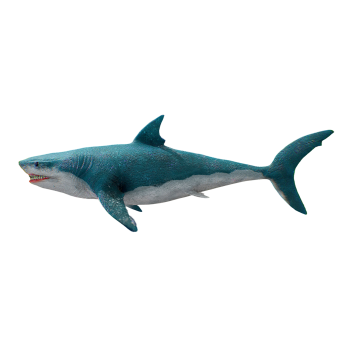
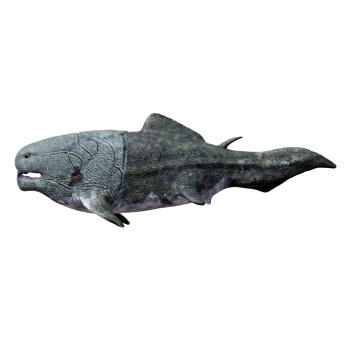
Fear fish (scientific name: Dunkleosteus) is a large prehistoric fish of the order Scutellopterus and Neck-saving fish. Its body length can reach 10 meters. Its head and trunk are wrapped by bone carapace, and its front jaw has scissor-like bone plate teeth. Its bite force is estimated to reach 6000 cattle. Fossils show that its upper and lower jaws can move freely, and its mouth is more than 1 meter wide, which is the top predator of the late Devonian period. China's Sichuan Jiangyou has been found about 1 meters long phobic fish fossils. The phobic fish lived in the late Devonian period from 0.36 billion to 0.4 billion years ago, distributed in Morocco, Poland, the United States and other places.
Megalodon Shark (3D animated model)

Megalodon Shark (3D animated model)
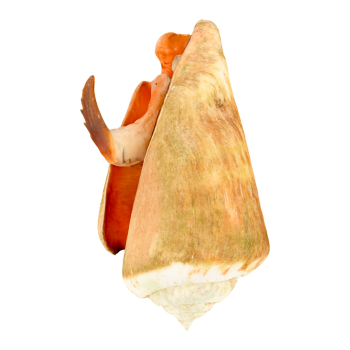
Megalodon (scientific name: Carcharocles megalodon), also known as Megalodon, is an extinct prehistoric shark of the genus Ear Shark, and the largest known marine predator with the largest bite force. Mature adult Megalodon average length of 16 meters, the longest or up to 25 meters; weight between 30'000~65'000kg. Its body is torpedo-shaped, with a conical nose, huge pectoral and dorsal fins, and a powerful crescent-shaped tail. This species possesses a strong bite force, and its jaw force is strong enough to crush a small car.
Red-mouthed Phoenix Snail Specimen

Red-mouthed Phoenix Snail Specimen

The red-mouthed Phoenix snail (Strombus luhuanus) is a tropical marine gastropod mollusk of the genus Phoenix snail in the family Phoenix snail, commonly known in Chinese as the Lu's Phoenix snail or the red-mouthed Phoenix snail. Widely distributed in the Indo-Pacific Ocean, including the South China Sea (Hainan, Taiwan), the Philippines, Indonesia, Malaysia, Australia, the Great Barrier Reef and Pacific Islands (such as Fiji, Solomon Islands), intertidal to shallow waters (0-20 meters), common Sandy or coral sand bottom.
Samoan Octopus Specimen

Samoan Octopus Specimen

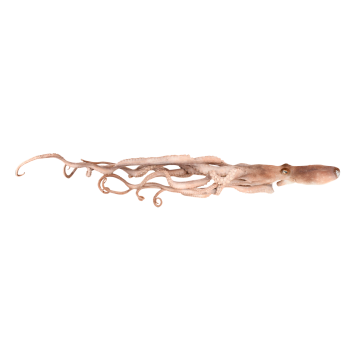
The Samoan octopus (scientific name: Octopus minorSasaki, 1920) is a shallow marine species with unusually slender brachiopods in the octopidae. It is also called or "Samoan octopus" because its body size is smaller than the octopus (Octopus vulgaris) distributed in the same domain ". It is distributed in the shallow waters of the Northwest Pacific, including Japan (southern Hokkaido to Okinawa), the Korean Peninsula, the East China Sea (along the coasts of Zhejiang and Fujian), Taiwan and the Sea of Japan. Preference is made to rock crevices, sand-mud mixing areas, seaweed beds (e. g. Kumbulin), water depth 0-50 m, water temperature 5-25°C (diving into deep water in winter).
Specimen of the thick-cled live hermit crab
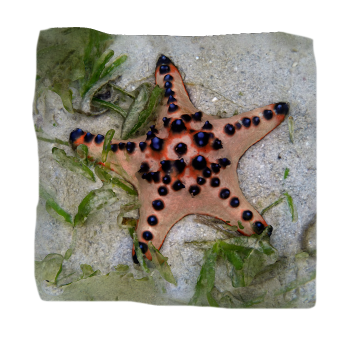
Specimen of the thick-cled live hermit crab

The thick-chelated live hermit crab (DardanusCrassimanus) is the dominant species in the Indian Ocean-Pacific tropical beach and reef junction area (0-10 m water depth), distributed in the western Pacific: Japan (Hokkaido to Okinawa), Korean Peninsula, East China Sea (Zhejiang, Fujian beach), Philippines, Indonesia. Indian Ocean: Gulf of Thailand, Bay of Bengal coast. Diet omnivorous partial rot food, body length (including shell) 5-8cm, body width 3-5cm.
crown of thorns starfish

crown of thorns starfish

The crown-of-thorns starfish is a well-known top predator of coral reefs in the Asteroidea class (starfish). Its scientific name is now mostly classified as Acanthaster planci (often translated as "crown-of-thorns starfish" or "coral starfish" in Chinese). This kind of starfish is called "the nightmare of coral reefs" because its large-scale outbreak can lead to the death of large-scale bleaching coral reefs, is a key regulator of tropical coral reef ecosystems
Flat Coral

Flat Coral

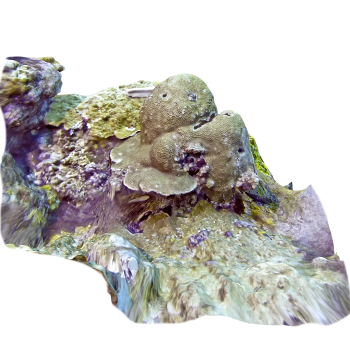
Flat coral is the "invisible cornerstone" of coral reefs-its dense skeleton, symbiotic relationship with zooxanthellae, and support for biodiversity make it a core species for maintaining reef health. In the face of climate change and man-made air disturbance, protecting this "flat engineer" is essentially injecting resilience into the entire coral reef ecosystem. Every gentle guardian of a coral reef is an investment in the future of the ocean.
leafy Monterey coral

leafy Monterey coral

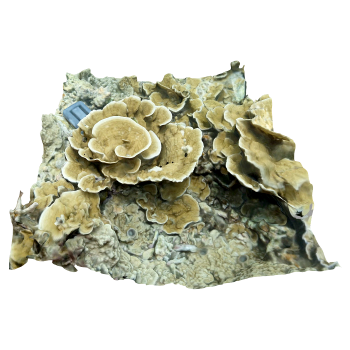
The leafy Monterey Coral is the elegant "leafy builder" of tropical coral reefs-its flaky skeletons, tiny coral polyps and zooxanthellae symbionts that together form the core framework of the coral reef ecosystem. However, climate change and man-made air disturbances are putting these "seafloor leaves" at risk of disappearing. Protecting foliated Montipora is essentially protecting the health of the entire coral reef ecosystem.
Shrimp

Shrimp

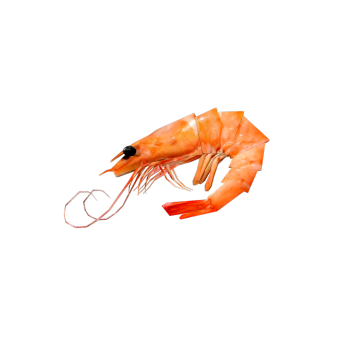
The body is naturally curved and streamlined, divided into three parts: head, chest and abdomen. The front end of the head has slender tentacles (simplified to several smooth lines), the eyes are protruding and spherical, the chest is connected with multiple pairs of walking feet (simplified to block or strip structure), the abdomen is composed of multiple sections, and the tail is a fan-shaped tail fan (outlined by a small number of triangular surfaces), the overall proportion fits the biological characteristics of real shrimp, ensuring high recognition under low mold.
Sallia cono specimen

Sallia cono specimen

Conus Sallia (scientific name: Conus lampas sauliae) is a highly toxic marine gastropod mollusk of the conus family Conus. It is classified as a subspecies of the lamp snail, named for its type specimens collected from the Saliya Archipelago in Indonesia. Sallia conus is known for its unique shell shape, bright body color and deadly venom, and is one of the most representative "marine poison kings" in the conus family. It is distributed in the tropical waters of the Indian Ocean-Pacific Ocean, mainly in Indonesia, the Philippines, Malaysia, northern Australia and the west coast of India. Sandy, muddy or coral reef bottoms with a preference for water depths of 1-50 m
Cranus giant specimen

Cranus giant specimen

Crocea (Tridacna crocea) is a very distinctive marine shellfish in the bishell class, named after the orange-red markings on the surface of the shells. As a smaller member of the genus, it is still a key species in tropical coral reef ecosystems.
Skipjack specimen

Skipjack specimen

Bonito (Katsuwonus pelamis) is a large pelagic fish widely distributed in the global tropical-subtropical waters, and belongs to one of the most economically valuable species of tuna. It is named for its dark stripes on the sides of the body ("skipjack" originally means "jumping mackerel") and active cluster habits. Bonito is a typical pelagic migratory fish with a streamlined spindle-shaped body and is adapted to high-speed swimming. The tropical-subtropical waters (40 ° N to 40 ° S) of the three global oceans (Pacific Ocean, Atlantic Ocean, and Indian Ocean) are concentrated on both sides of the equator.
Giant webbed-footed octopus specimen

Giant webbed-footed octopus specimen

Giant webbed-footed octopus is a typical cephalopod mollusk. The giant webbed-footed octopus (Callistoctopus macropus) of Octopaceae family has no shell, soft body and highly flexible body. It is a warm benthic cephalopod, widely distributed in tropical-temperate waters of the world, and prefers complex habitat to avoid predators. Mainly preys on crustaceans (crabs, shrimps), mollusks (shellfish, squid) and small fish. It often inhabits coral reef crevices, rock caves, shipwrecks or sandy seabed in shallow seas (water depth 1-100 meters). It is hidden during the day and active at night.
long neck medaka specimen

long neck medaka specimen

Long-necked medaka (Vietnamese Giraffe Loach, scientific name: Leptobotia rubripinnis) is a freshwater fish of the genus Cyprinidae (Cyprinidae) Long-necked medaka (Leptobotia) in the order Cyprinidae (Cypriniformes). It is named after its dark markings similar to giraffes on its body. It is a rare freshwater fish that is unique to Southeast Asia (especially Vietnam).
Lipid Carp Specimen

Lipid Carp Specimen

Although its name contains "Malabar", it is actually distributed in the tropical freshwater basin of South America and is an important member of the Amazon River, Orinoco River and other water systems. Malabar carp is a medium-sized freshwater fish of the family Lipid Cyprinidae, named after type specimens found on the coast of Malabar, India (now Kerala, India).
Salmon Specimen

Salmon Specimen

Pacific salmon is one of the most important groups in the family Salmonidae, including 8 species of large migratory fish widely distributed in the North Pacific Ocean. Because of its delicious meat, high economic value and key ecological role, it is called "the silver gold of the Pacific".
Malabar Pomfret Lipid Carp Specimen

Malabar Pomfret Lipid Carp Specimen

Spotfishes Specimen

Spotfishes Specimen

Vietnamese long neck medaka specimen

Vietnamese long neck medaka specimen

Pacific Salmon Specimen

Pacific Salmon Specimen

pasteurized tongue sole specimen

pasteurized tongue sole specimen

striped puffer specimen
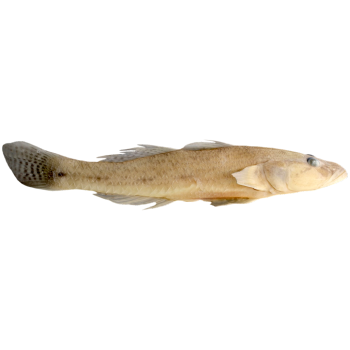
striped puffer specimen

Golden Flat Head Specimen of Goby

Golden Flat Head Specimen of Goby

Specimen of spotted mullet

Specimen of spotted mullet

Spotted mullet (scientific name: Mugil cephalus) is a broad-salt fish of the genus Mugiidae, named for its obvious spots or stripes on its body side. This species is widely distributed in tropical to temperate waters and estuaries. It is an important economic fish and a typical group for studying the adaptation mechanism of saltine fish. Widely distributed in tropical to temperate waters around the world. Adult fish prefer coastal waters with salinity of 5-35 ‰, and juvenile fish mostly inhabit the semi-salty waters of estuaries or the estuaries of freshwater rivers.
Specimen of Ducklefish

Specimen of Ducklefish

The stingy fish (scientific name: Cottus spinulosus) is a freshwater fish of the family Sparidae. Because of its hard bone plate ("stingy head") on its head and its adaptability to cold water environment, it has become a landmark species in the freshwater ecosystem at high latitudes in the northern hemisphere. Mainly distributed in the northern hemisphere high latitudes and temperate mountain cold water streams. The Rocky Mountains and Coast Range streams of the United States (Alaska, Washington, Montana) and Canada (British Columbia, Alberta).
Smith's Barbus Specimen

Smith's Barbus Specimen

Smith's barbus scientific name: Puntius smithi is a small freshwater fish of the genus Cyprinidae, named after it was first described by British ichthyologist John Smith in the 19th century. This species is mainly distributed in the tropical freshwater watershed of Southeast Asia. It is a colorful and adaptable group in the Cyprinidae, and it is also one of the common species in the ornamental fish market. Inhabit in clear streams, rivers or lakes at an altitude of 50-500 meters, preferring slower water flow. It feeds mainly on algae (such as diatoms, green algae), organic debris and small invertebrates on rock surfaces.
Fine-mouthed light-lip fish specimen

Fine-mouthed light-lip fish specimen

The fine-mouthed light-lip fish (Acrossocheilus labiatus, commonly known as "Slender mouth Almighty") is a small freshwater fish of the carp family light-lip fish. because of its slender mouth, sharp snout and strong ecological adaptability, it is called "all-round hunter" by mountain fishermen ". This species is mainly distributed in clear streams in the mountains of southern China and Southeast Asia. It is mainly distributed in the mountain streams in the Yangtze River Basin and south of China, as well as in the mountains of Laos and northern Vietnam in Southeast Asia; it inhabits clear streams or tributaries at an altitude of 500-2000 meters.
Specimen of reticulated ear lip barbus

Specimen of reticulated ear lip barbus

Reticulated ear lip barbus (Crossocheilus reticulatus) is a small freshwater fish of the genus Cyprinidae ear lip barbus, named for its reticular markings on its side. This species is mainly distributed in clear streams in the mountains of Southwest China and Southeast Asia. It is a strong adaptability group in the Cyprinidae and an important species in the study of freshwater ecology in mountainous areas. It is mainly distributed in mountain streams in the Yangtze River basin and south of China, as well as in the mountains of Laos and northern Vietnam in Southeast Asia. It inhabits clear streams or tributaries with an altitude of 500-2000 meters and prefers shallow water areas with rapid water flow and gravel or rock bottom.
Specimen of Shishi Pingfingurnus anguillicaudatus

Specimen of Shishi Pingfingurnus anguillicaudatus

Shishi flat-finned loach (Homaloptera) is a small freshwater fish of the family Cyprinidae, named for its broad and spreading dorsal and gluteal fins. This species is mainly distributed in the clear streams in the mountains of southern China and Southeast Asia. It is a highly adaptable group in the Pingfin loach, and it is also an important species in the study of freshwater ecology in mountainous areas. It is mainly distributed in the Yangtze River Basin of China and the mountainous streams to the south (such as Yunnan, Guizhou, Sichuan, Guangxi, Guangdong), and the mountainous areas of Laos and northern Vietnam in Southeast Asia; it inhabits clear streams or tributaries at an altitude of 500-2000 meters.
Monopterus albus specimen

Monopterus albus specimen

The scientific name of Monopterus albus: Monopterus albus, a freshwater fish of the family Gracilidae, is named because its body is slender like a snake, its body surface is smooth and scaleless, and it often inhabits mud holes. It is widely distributed and adaptable. It is an important aquatic economic species in the world and a typical group for the study of freshwater ecology. Native to freshwater waters of Asia (China, Japan, India, Southeast Asia) and Africa; now spread to global temperate to tropical regions due to aquaculture. It mainly inhabits in fresh water environment such as rice fields, ponds, rivers and lakes, and prefers muddy or sandy substrates with a water depth of 0.5-3 meters.
Specimen of low-eyed pair giant catfish

Specimen of low-eyed pair giant catfish

The scientific name of the low-eyed giant catfish Pangasianodon hypophthalmus is a freshwater fish under the giant catfish family, named after its large size, streamlined features and "shark-like" swimming posture. Mainly distributed in Southeast Asia tropical freshwater basins, Mekong River, Chao Phraya River, Irrawaddy River. It mainly feeds on medium-sized fish (such as carp, crucian carp, tilapia), crustaceans (shrimp, crab), aquatic insects (dragon lice larvae) and amphibians (tadpoles).
shark and catfish specimen

shark and catfish specimen

The scientific name of the shark catfish is Pangasius. It is a freshwater fish under the giant catfish family. It is named after its streamlined body, wide caudal fin and "shark-like" swimming posture. The family contains about 30 genera and more than 100 species, of which some species of the genus Giant and the genus Paracinus are widely known for their large size and high economic value. Sandy or gravelly substrates that prefer deep water (5-10 m), often lurking in underwater caves or sunken gaps.
Corner specimens

Corner specimens

Horn (Ceratias holboelli) is a deep-sea fish of the family Brectaidae. Because of the female's iconic "luminous fishing rod" and "giant mouth", as well as the extreme parasitic behavior of males, it has become one of the most legendary species in deep-sea ecology. Its unique sexual dimorphism and symbiotic reproduction strategy is a classic case of "extreme adaptation" in marine biology. It is mainly distributed in the deep-sea areas of the North Atlantic, including the Norwegian Sea, the Greenland Sea, around Iceland and off the Nova Scotia Peninsula.
1 2 3 4 5 6 7 8 9 ... 12 Next