European rabbit resting (with 3D animated model)
European rabbit resting (with 3D animated model)

It is a relatively large rabbit animal, measuring 50-70 centimeters in length and weighing 2.5-6.5 kilograms. Mainly inhabiting open agricultural grasslands in temperate regions, it has excellent visual, olfactory, and auditory abilities. It is a herbivore that mainly eats grass and herbs in summer, and feeds on tree branches, flower buds, and shrub bark in winter. Running at an extremely fast speed, up to 60 kilometers per hour in a straight line, and being an excellent swimmer. Originating from the Iberian Peninsula, it has been introduced to multiple regions around the world, such as Argentina, Australia, Canada, etc. This species plays an important role in the ecosystem and is the primary target of certain hunting games.
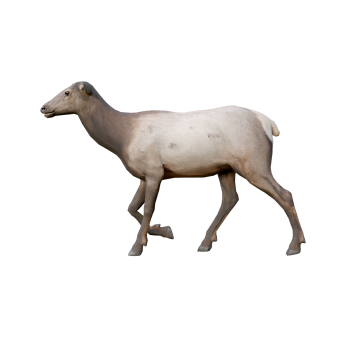
Elk (female) 3D model animation

Elk (female) 3D model animation

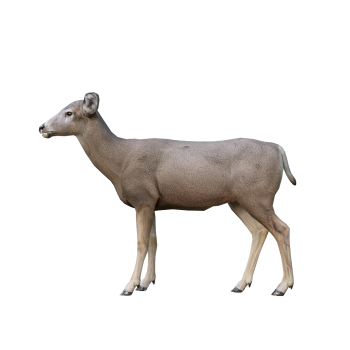
It is a rare deer species endemic to China. It was widely distributed in the eastern and central regions of China, especially in the marshy areas along the coast of the Yangtze River Delta. Originating about 2 million years ago, the number in history once reached hundreds of millions. However, due to natural changes, narrow dietary habits, and human activity interference, elk rapidly decreased after the Shang and Zhou dynasties and became extinct in China by the early Qing dynasty. Large in size, males can reach a shoulder height of up to 137 centimeters and weigh up to 250 kilograms, with unique inverted three legged antlers. Gentle temperament, good at swimming, and feeds on plants such as grasses and mosses. At the end of the 20th century, elk was reintroduced into China.
Animated 3D model of an eight toothed mouse

Animated 3D model of an eight toothed mouse

It is a curious and sociable rodent. They often live in groups of three or five, enjoy making friends, and even establish friendships with harmless animals. Small in size, with a long tail and tufted hair at the tail end, and short hind limbs. Having 20 teeth, it is named after the 8-shaped surface of its cheek teeth. Skilled at digging tunnels and possessing strong sociality, only distributed in Peru, Bolivia, Chile, and Argentina in South America. They communicate through 17 different vocalizations and exhibit strong curiosity. They also use tools such as rakes to obtain food, demonstrating their intelligence and adaptability.
3D Animation of Simmental Cattle (Young Cattle) Model

3D Animation of Simmental Cattle (Young Cattle) Model

It is an excellent beef cattle breed originating from Switzerland, known for its excellent meat quality and milk production ability. Large body size, well-developed muscles, usually yellow and white fur, with good adaptability and cold resistance. Fast growth rate, high feed conversion rate, capable of producing high-quality beef and dairy products. Not only in Switzerland, but also around the world, including China, it is widely raised. The meat of Simmental beef is favored by consumers for its delicate texture and rich marble patterns, making it the preferred variety for making steaks and other high-end beef products. In addition, Simmental cattle are also used to improve other cattle breeds due to their excellent genetic characteristics.
3D animation of Simmental cow model

3D animation of Simmental cow model

It is an excellent beef cattle breed originating from Switzerland, known for its excellent meat quality and milk production ability. Large body size, well-developed muscles, usually yellow and white fur, with good adaptability and cold resistance. Fast growth rate, high feed conversion rate, capable of producing high-quality beef and dairy products. Not only in Switzerland, but also around the world, including China, it is widely raised. The meat of Simmental beef is favored by consumers for its delicate texture and rich marble patterns, making it the preferred variety for making steaks and other high-end beef products. In addition, Simmental cattle are also used to improve other cattle breeds due to their excellent genetic characteristics.
Big Horn Sheep (Female) 3D Model Animation

Big Horn Sheep (Female) 3D Model Animation

It is a mammal living in North America, belonging to the family of sheep. Known for its prominent horns and strong physique. Female bighorn sheep are usually smaller in size than males, but still strong and powerful. Their fur color changes with the seasons, ranging from light brown in summer to grayish white in winter. It mainly inhabits high and subalpine areas and feeds on grass, leaves, and bark. It is a social animal that usually forms larger groups in winter. The breeding season is in autumn, and each litter usually gives birth to one offspring. Despite their small size, they have almost no natural enemies in the wild, and their main threats come from human activities and climate change.
Hippopotamus (with 3D action model)

Hippopotamus (with 3D action model)

It is the largest extant amphibian mammal, mainly distributed in rivers, lakes, and swamps in Africa. Large in size, adult hippos can weigh up to 1500 to 3200 kilograms and grow up to 4 to 5 meters in length. The skin is very thick and can resist parasites in water and direct sunlight. It has short and sturdy limbs, as well as a huge head and a wide mouth that can be opened up to 150 degrees, revealing huge canine teeth. It is a social animal, usually led by a male, with a group of females and cubs. Most of the time is spent in water to avoid high temperatures on land. It is a herbivorous animal that mainly feeds on aquatic plants.
Elephant 3D animation model

Elephant 3D animation model

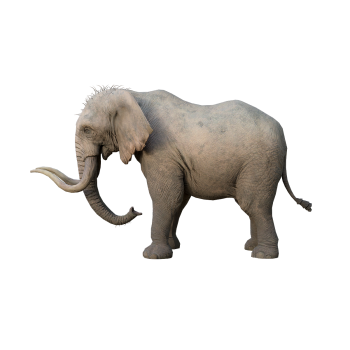
It is the largest surviving land mammal on Earth, known for its massive size, long nose, and large ears. Belonging to the elephant family, it is mainly divided into two subspecies: African elephants and Asian elephants. African elephants have larger body sizes and larger ears, while Asian elephants have smaller body sizes and circular ears. The nose is very flexible and can be used to grasp objects, breathe, and make sounds. They are social animals that live in families and are led by an older female elephant. Elephants feed on plants and require a large amount of food every day to maintain their large bodies. Plays an important role in ecosystems and is a significant symbol in many cultures.
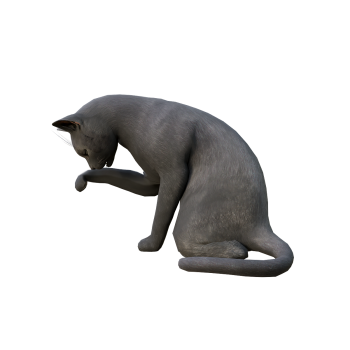
Black Cat Model with 3D Animation

Black Cat Model with 3D Animation

It is a cat with pure black fur, and its eyes usually appear yellow, green, or bronze. Black cats have different symbolic meanings in many cultures, sometimes seen as symbols of mystery and magic, while in other cultures they may be associated with misfortune or evil. However, these superstitions have no scientific basis, as black cats, like other colored cats, are cute and friendly pets. Usually gentle in personality, loyal and caring to family members. Black fur appears particularly smooth in sunlight, adding a unique charm to them.
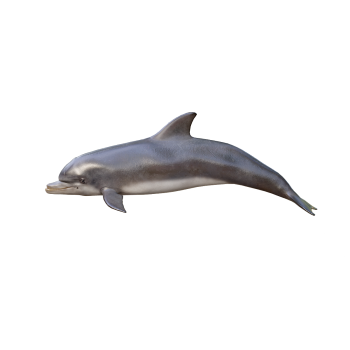
Dolphin 3D Model Animation

Dolphin 3D Model Animation

It is a highly intelligent and social marine mammal belonging to the family of dolphins in the order of whales. Known for its friendly nature and spectacular behavior of leaping out of the water. The body is streamlined, the skin is smooth, usually gray or blue, and some species also have spots or stripes. Equipped with a highly developed sonar system, it can navigate and search for food in water. It is a social animal that often swims in groups and sometimes interacts with humans. The food mainly includes fish and squid. Dolphins play an important role in marine ecosystems, but also face threats such as ocean pollution, overfishing, and habitat destruction.
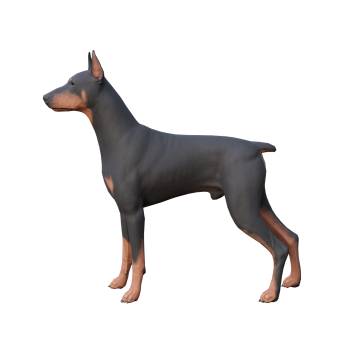
Doberman Inu (with 3D animated model)

Doberman Inu (with 3D animated model)

It is an elegant, intelligent, and strong breed of dog that originated in late 19th century Germany. Originally designed as guard dogs and hunting dogs, it is known for its agility, loyalty, and bravery. Having smooth short hair, usually black and brown, with a slender body and muscular physique. Having high alertness and excellent work ability, it is an ideal family pet and guard dog. Regular exercise and intellectual stimulation are needed to maintain their physical and mental health. In addition, they are very loyal to family members, but may show caution towards strangers. Having a strong territorial instinct and protective desire, it is necessary to receive socialization training from a young age.
Black Pig 3D Model Action

Black Pig 3D Model Action

Also known as black haired pig, it is a pig breed with a long history of breeding. Usually has black skin and hair, a robust physique, strong adaptability, and can grow in various climatic conditions. Black pigs are famous for their delicious meat and delicate taste, rich in various nutrients such as protein, amino acids, and essential fatty acids, which are very beneficial to human health. In addition, black pork has a relatively high fat content, but mostly unsaturated fatty acids, which can help reduce the risk of cardiovascular disease. There are various breeding methods, which can be grown in traditional free range environments or scaled up in modern farms.
Camel Model 3D Animation

Camel Model 3D Animation

It is a large mammal that adapts to desert environments and is known for its ability to survive in extreme drought conditions. They have thick feet that can walk on sand without sinking, and a special nose structure that can filter out dust and reduce water loss. There are one or two humps on the back that store fat and provide energy in times of food shortage. In addition, camels' stomachs can store a large amount of water, allowing them to survive without drinking water for a long time. Camels are not only transportation vehicles in deserts, but also important economic animals that provide resources such as meat, milk, and fur for humans.
Rhinoceros model with 3D animation

Rhinoceros model with 3D animation

It is a large and powerful mammal belonging to the family Rhinoceros in the order Rhinoceros. Known for its short and robust limbs, thick skin, and unique horns. Mainly distributed in tropical regions of Africa and Asia, it is one of the largest surviving land mammals. Rhinoceros horns are composed of keratin and have high medicinal value, but this also makes them a major target for illegal hunting. Poor eyesight, but very keen sense of smell and hearing. Usually mainly herbivorous, occasionally also eating some fruits and leaves. Due to habitat loss and poaching, the number of rhinoceroses is decreasing, and many species have been listed as endangered.
Bucks Model 3D Animation

Bucks Model 3D Animation

It is a type of mammal that lives around the world and belongs to the deer family. They are known for their majestic physique, strong limbs, and spectacular antlers unique to males. They usually live in forests, grasslands, and swamps, with plants as their staple food, including grass, leaves, fruits, and bark. Antlers shed and regrow every year, which is a significant sign of their sexual maturity. Bucks compete for mates during the breeding season through the collision of antlers, which is part of their survival competition. In addition, male deer are also important species in many ecosystems, playing a crucial role in maintaining biodiversity and ecological balance.
White Bengal Tiger 3D Animation Model

White Bengal Tiger 3D Animation Model

It is a rare Bengal tiger variant known for its unique snow-white fur and black stripes. This color variation is caused by genetic mutations, resulting in a lack of pigments in the body. The fur of a white tiger will present a silver white luster under sunlight, which is very beautiful. They mainly live in tropical rainforests and grassland areas in Asia and are top predators, feeding on animals such as deer, wild boars, and monkeys. Due to its rarity, white tigers are extremely rare in the wild, and most existing white tigers are the offspring of artificial breeding. The number of wild Bengal tigers is decreasing due to habitat loss and illegal hunting.
Holstein cow (with 3D animated model)

Holstein cow (with 3D animated model)

It is a dairy cow breed originating from the Netherlands, renowned for its high milk yield and excellent milk quality. Cattle have a large body size and strong adaptability. Their fur color is usually black and white patches, with a few being red and white patches. The fat content of milk is usually between 3.5% and 4.5%, while the protein content is around 3.0%. Due to its excellent milk production performance, Holstein cattle have become one of the most important breeds in global dairy farming. Holstein cattle not only play an important role in dairy production, but their meat performance cannot be ignored. Due to its large size and well-developed muscles, Holstein beef is also popular in the market.
Elephant (with 3D animated model)

Elephant (with 3D animated model)

It is the largest surviving land mammal on Earth, known for its massive size, long nose, and large ears. Belonging to the elephant family, it is mainly divided into two subspecies: African elephants and Asian elephants. African elephants have larger body sizes and larger ears, while Asian elephants have smaller body sizes and circular ears. The nose is very flexible and can be used to grasp objects, breathe, and make sounds. They are social animals that live in families and are led by an older female elephant. Elephants feed on plants and require a large amount of food every day to maintain their large bodies. Plays an important role in ecosystems and is a significant symbol in many cultures.
Toothed Elephant (with 3D Animation)

Toothed Elephant (with 3D Animation)

It is an extinct long nosed animal and is considered one of the ancestors of modern elephants. Fossils have been found in Eurasia, Africa, and the Americas, and they lived during the Miocene period. The species of the genus Megalophynchus were once considered a central link in the evolution of long nosed dinosaurs, but there are also many taxonomic controversies. Their lower incisors are usually elliptical or pear shaped, while the characteristics of cheek teeth are not specialized and have significant intraspecific variation. The discovery and study of the toothed elephant not only enriched our understanding of the evolutionary history of long nosed animals, but also provided important clues for understanding the relationship between modern elephants and other ancient long nosed animals.
3D model of terror with action

3D model of terror with action

The scientific name Deinoterium is a group of prehistoric mammals that lived from the Miocene to the Pleistocene, belonging to the order Longnose. Famous for its unique downward curved long teeth, which are different from the long teeth of modern elephants. They grow from the lower jaw and curve upwards, rather than from the upper jaw. Large in size, similar to modern elephants, but may have different behavioral and living habits. Fossils of terror elephants have been found in Africa, Asia, and Europe, indicating their widespread distribution. The reason for the extinction of this prehistoric behemoth is not fully understood, but it may be related to climate change and human activities.
Texas Longhorns

Texas Longhorns

A breed of cattle derived from the southern U.S. state of Texas, hence the name. Known for its prominent long horns and rough appearance, the horns of bulls can often grow to be very long, sometimes reaching or exceeding 7 feet. In the 16th century, when the Spanish conquistadors brought cattle to the New World, these cattle then multiplied freely in the vast grasslands of Texas. Very adaptable to tough grazing conditions, able to tolerate extreme climates and rough grazing environments. It is favored by cattle farmers for its strong disease resistance, heat and cold resistance, high fecundity and low feeding cost. It has also become a symbol of western American culture because of its unique appearance and cultural significance.
zebra

zebra

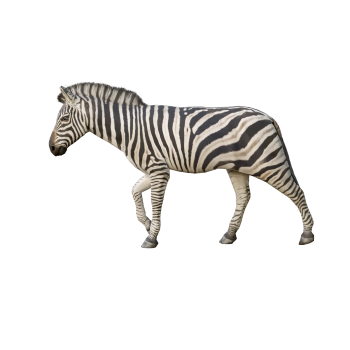
Zebra is a mammal of the genus Macroma in the order Quetziformes, native to eastern, southern, and southwestern Africa, mainly inhabiting tropical and subtropical forests and grasslands. Social animals, usually in groups of dozens or hundreds, will go to ponds or streams to drink water in the morning and evening. Having a timid and cowardly personality, one will quickly flee when feeling scared, with a speed of up to 70 kilometers per hour; They rely on keen perception and rapid running to avoid attacks from predators. Feed on tender leaves of wild grass. Strong disease resistance and good at self-protection. The black and white stripes of zebras can interfere with the sight of predators in sunlight and moonlight.
Little Rhinoceros

Little Rhinoceros

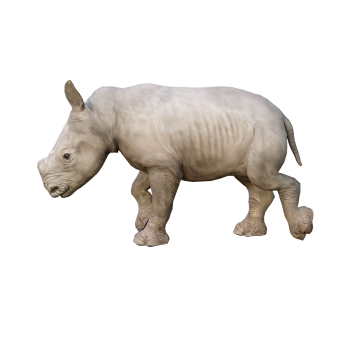
Rhinoceros is a large mammal in the family Rhinocerotidae of the order Rhinoceros. Fat and clumsy, with thick and rough skin arranged in folds; The fur is sparse and hard; The ears are oval in shape; Big and long head; Short and thick neck; No canine teeth; The tail is thin and short, and the body is yellow brown, brown, black or gray; Solid single or double horns on the head and nose; Both males and females have double horns, with females having longer horns than males. Rhinos are distributed in Asia, such as India in South Asia; It inhabits sparse grasslands and dense forests in tropical and subtropical regions. They often come out to forage in the early morning, evening, or night, with poor vision and sensitive sense of smell and hearing; Living alone often with little contact between individuals.
Red Deer

Red Deer

Red deer, a species of deer in the family Deer. Red deer were widely distributed in many parts of the world, originally found in Asia, Europe, and North America, and later introduced to New Zealand. Red deer usually live separately for both sexes and only gather together during the mating season. At this point, the male deer engages in intense combat with the female deer in order to mate. Red deer living in the forest have long been the best prey for humans, with the purpose of not only consuming their delicious meat, but also widely regarded as a great form of entertainment and exercise. Many subspecies of red deer are now at risk of extinction. This includes North African red deer, Kashmir red deer, and Corsican red deer.
cow

cow

Cows are mammals belonging to the family Taurus in the order Artiodactyla. They are tall and have a well proportioned structure, thin skin, low fat content, short capillaries, and often have distinct black, white, or yellow fur. Chinese Holstein cattle are the main dairy cow breed in China, currently distributed throughout the country, mainly in northern grassland areas such as Heilongjiang, Inner Mongolia, and Xinjiang, while other areas are distributed in urban and suburban areas and some suburban rural areas. Cattle are mainly fed with coarse feed, silage feed, energy feed, and protein feed. Adding seasonings such as spices, sodium saccharin, sodium glutamate, and organic acids to the feed can increase the cow's feed intake and milk production.
giraffe

giraffe

Giraffe (scientific name: Giraffa camelopardalis): It is a ruminant cloven hoofed animal that grows in Africa, and its Latin name means "camel with leopard print". They are the tallest living terrestrial animals in the world. When standing, it can reach 6-8 meters from head to feet, weigh about 700 kilograms, and the newborn baby is 1.5 meters tall. It inhabits tropical and subtropical savannas, shrubs, open acacia forests, arid and open savanna areas, and semi desert areas with sparse trees in Africa. It is a herbivorous animal that feeds mainly on leaves and small branches.
Bactrian camel

Bactrian camel

Bactrian camels, also known as wild camels. Bactrian camels are mammals of the camel family in the order Artiodactyla. The body shape is similar to that of a domesticated Bactrian camel, but the hump is smaller, the hooves are narrower, and the ears are also smaller; The back has twin peaks and the neck is long and curved. The lower neck hair, upper outer body hair, and tail hair of the limbs are all short; The fur is sandy yellow brown, with a slightly gray snout. Bactrian camels have a very sensitive sense of smell and are tolerant of hunger and thirst. They can go without drinking water for more than 10 days or even longer. When they are extremely dehydrated, they can break down the fat inside their humps, producing water and heat. Bactrian camels are also resistant to high and cold temperatures, wind and sand, and are good at long-distance running. They can run hundreds of kilometers in a short period of time.
Black Rhinoceros

Black Rhinoceros

The black rhinoceros is a mammal belonging to the family Rhinocerotidae in the order Rhinoceros, also known as the black rhinoceros or the pointed snouted rhinoceros. Strong and robust in physique, with skin ranging from brown to gray, and sparse and hard fur; The skin is thick and rough, with less obvious wrinkles on the shoulders and waist compared to Indian rhinoceros, and there are no wart like protrusions on the surface of the body; The ears are oval in shape, with a thick and long head and a short and thick neck; The upper part of the nose has solid anterior and posterior double horns, with the largest anterior horn measuring up to 1.4 meters in length; There is a sharp protrusion in the middle of the upper lip that can stretch and curl. Males have a slightly larger body weight than females. Black rhinoceros is mainly distributed in vast areas of eastern, central, western, and southern Africa. Often feeds on the tender branches, leaves, and fruits of woody plants, especially fond of eating acacia, and occasionally eats green grass.
bear

bear

Bear is a general term for carnivorous animals in the family Ursidae. All types have a broad head; Maxillofacial protrusion; The skeleton is huge; The claws are thick, sharp and powerful; Covered with coarse hair on the body; The size varies depending on the type; Short and thick neck; The mouth and nose are pointed in shape; Short ears and small eyes. The lifespan of wild bears is about 15-20 years. Bears are more common in northern temperate regions and are widely distributed in North America, Europe, and Asia. Residing in mountainous, temperate, or tropical forests. Most of them are good at climbing trees and swimming Due to continuous hunting, the numbers around the world are decreasing. Nowadays, many countries protect it in national parks and require strict adherence to hunting regulations.
High horned antelope

High horned antelope

The Aepycerosmelampus is a mammal belonging to the family Auchenipteridae in the order Artiodactyla, also known as the wide-angle antelope or the black antelope. Distributed in countries such as Kenya, Uganda, and South Africa in central and southern Africa. I enjoy living on grasslands and open forests. Usually form small groups of 15-25 and live together. In the dry season, small groups gather together to form large groups of hundreds or more. Very good at jumping. When threatened by enemies, they will quickly hide in the jungle. Activity occurs day and night, alternating between eating and resting. Eating various leaves, grass, and fruits.
Jumping Mouse

Jumping Mouse

Dipodidae, also known as jumping pocket mice, belongs to the rodent order and rodent family. The jumping mouse has a medium to small body, a large head, large eyes, a short and wide snout, and long whiskers. The fur color is light, mostly sandy yellow or sandy gray, without luster; Close to the scenery of the habitat. Originating from southwestern Africa, it is widely distributed in arid and semi-arid regions of Asia, Africa, and Europe, living in the northern parts of North America and Eurasia, as well as in desert and grassland areas throughout China. Having a hibernation habit, one will find a hole to hide, build a nest, and then hibernate, using the fat accumulated in the tail to supplement the body's energy consumption during hibernation; It mainly eats plants and also preys on insects in summer.
Polar bear

Polar bear

The polar bear is a species of bear in the family Ursidae, and is the world's largest terrestrial carnivore, also known as the white bear. The body is large and robust, with a shoulder height of up to 1.6 meters. Adult males weigh between 300-800 kilograms and can grow up to 2.5 meters in length. Females are relatively small, weighing 150-300 kilograms and measuring 1.8-2 meters in length. Similar to brown bears, but without shoulder humps. The head is relatively smaller than other bears, with small and round ears and a slender neck. The skin is black, and due to transparent hair, it usually appears white in appearance. There are also yellow and other colors, and the body is huge and fierce.
Hippopotamus

Hippopotamus

It is a semi aquatic mammal belonging to the family Hippopotamus in the order Artiodactyla. It is the largest omnivorous mammal in freshwater, with a huge body size and short limbs; Thick and sturdy head; The mouth is large and can be opened at a 90 degree angle; The front teeth and canine teeth of a hippopotamus are both fang shaped, with the lower front teeth extending parallel to the front like a shovel. The word hippopotamus means' horse in the river ', which is the Greek term for this powerful beast. Mainly distributed in tropical regions of Africa, it inhabits swamps and reed beds near rivers. They often live in groups, move around at night, soak in water most of the time, and have a gentle temperament. I have a huge appetite and mainly feed on aquatic plants such as reeds.
The little polar bear

The little polar bear

The polar bear is a species of bear in the family Ursidae, and is the world's largest terrestrial carnivore, also known as the white bear. The body is large and robust, with a shoulder height of up to 1.6 meters. Adult males weigh between 300-800 kilograms and can grow up to 2.5 meters in length. Females are relatively small, weighing 150-300 kilograms and measuring 1.8-2 meters in length. Similar to brown bears, but without shoulder humps. The head is relatively smaller than other bears, with small and round ears and a slender neck. The skin is black, and due to transparent hair, it usually appears white in appearance. There are also yellow and other colors, and the body is huge and fierce.
Male elk

Male elk

Deer is the only deer species in the family Deer and genus Deer. Because its head and face are long and narrow like a horse, its horns are slightly different from other deer, its hooves are wide like cows, and its tail is slender like a donkey, it is also known as the Four Elephant. Its horn shape is unique, opposite to the horns of other deer. The front branch splits into smaller branches, while the back branch hardly splits. The head has a long and narrow snout, the exposed part of the nose is wide, the eyes are small, and the infraorbital glands are very prominent. The limbs are thick and the main hooves are broad and fleshy, with well-developed hanging hooves and a loud knocking sound when walking. Deer prefer swamp and wetland habitats, feeding on green grass and aquatic plants. Good at socializing, good at swimming, and enjoys eating tender grass and aquatic plants.