


Freecreat category
Sculpture/Artifacts
Browse models in this category, preview details, then continue to download when ready.

World War II steel helmets for American soldiers

Gustav Vasa's steel helmet at the Royal Swedish Armory Museum
It was made in 1540 in Germany, probably in Augsburg or Nuremberg, which was home to some of the most skilled armour makers of the time. The visor is the part that covers the face and was not originally part of the helmet, but is thought to be of the same period. This helmet is quite special-looking and is one of the few well-preserved items owned by King Gustav Vasa of Sweden. The helmet is currently on display at the Royal Swedish Armoury Museum, which is located in the Royal Palace in Stockholm and is one of the oldest museums in the world. The museum houses historical artifacts from the Swedish royal family and military.

Barsanet-style steel helmet at Rida Hall Gate Church in Sweden
This helmet was made in Germany, around the middle of the 16th century. It was once mistaken for a relic of King Magnus Laduras of Sweden, who died in 1290. The helmet, together with a set of armor consisting of unrelated parts, was on display in the Church of Rida Hall, Sweden, until 1866. The church is the mausoleum of the Swedish royal family and one of the oldest churches in Sweden. It is a Basarnett-style helmet, the distinctive feature is that there is a sharp mouth protruding forward in front of the mask, the main function is to deflect frontal attacks. It was more popular in Europe in the 16th and 17th centuries and was often used to equip heavily armored pistol cavalry.
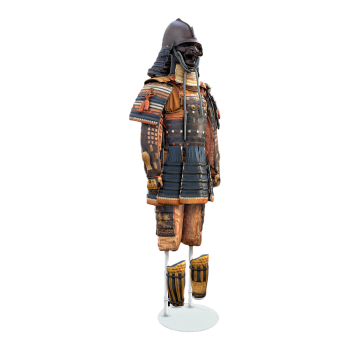
Japanese samurai armor (Edo period)
A samurai of ancient Japan, belonging to the military elite who served dame or feudal lords. Their armor is the basis of defensive suits, consisting of different parts covering the whole body, which evolved into very ornate and precious decorative forms, especially in the Edo period (1603-1868). The samurai armor is currently in the collection of the Spanish National Army Museum.

A stone age flint blade
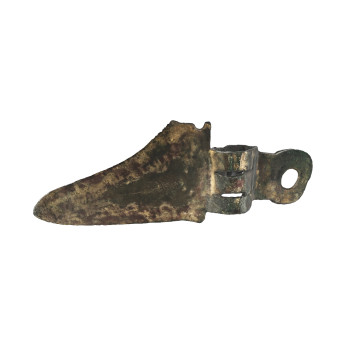
Zhou Wangge 3D Model Ancient Relics AR
This dagger axe was unearthed in the tomb of M1 in Shantable Town, Weihui City, Henan Province, and is listed as one of the important cultural relics in China. According to textual research, this cultural relic originally belonged to King Zhou Jing, although it was found in the M1 tomb in Shanpiao Town, the tomb of the Jin aristocrats acting father; this dagger was sealed to this gentleman as a prize to fight against Prince Zhao with King Zhou. Artifacts found along with the Xuanfu Ge dagger axe are found in the northeast corner of the tomb, indicating that they were cherished.

Random Model

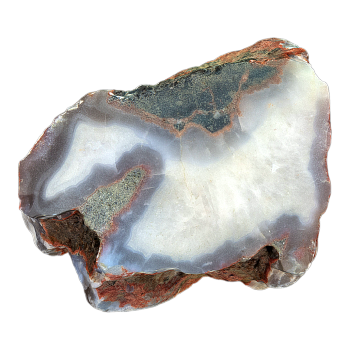
Gurasada agate
988 View

Flowering cactus potted plant
982 View


Augsburg Gorgeous Silver Vase
947 View

Sony A9 II Full Frame Single Camera
1183 View


