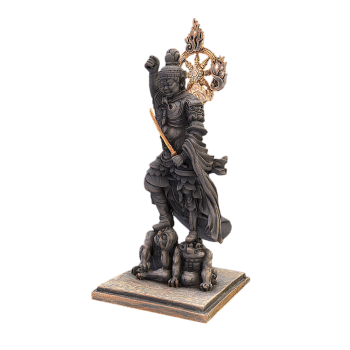
Heavenly King of the Four Heavenly Kings
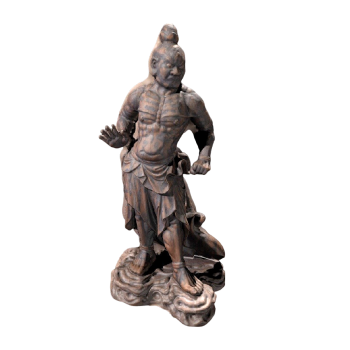
Heavenly King of the Four Heavenly Kings

The King of Heaven is an important dharma protector in Buddhism and belongs to one of the four heavenly kings. The heavenly king of the country guards the east of the Buddhist world. His name means "land holder" and his duty is to protect the land and safeguard the Dharma. He is often portrayed as a samurai in armor and with an angry expression to deter evil forces. In East Asian Buddhist art, the standard image of a heavenly king holding a kingdom is a lute or sword. The musical instrument pipa (or other stringed instrument) held by the heavenly king of the country symbolizes the need to manage the world with both hardness and softness, neither too relaxed nor too nervous.
King Kong Hercules Wood Carving

King Kong Hercules Wood Carving

Konglius (King Ren), who are the Buddhist protectors of anger, usually appear in pairs and guard the entrance to many Buddhist temples in Japan and East Asia on both sides of the mountain gate. The statue is known for its exaggerated muscles, ferocious expressions and power-filled postures, designed to drive away evil spirits and deter enemies. This statue is made of wood, and many of the ancient Ren Wang statues are carved from wood such as Japanese cypress.
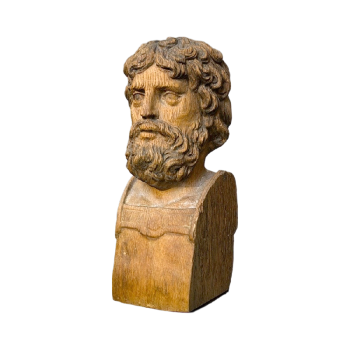
Wood Bust of St. Peter

Wood Bust of St. Peter

St. Peter (also translated as St. Peter) was one of the most important leaders of early Christianity and the head of the twelve apostles of Jesus Christ. His original name was Simon, and Jesus named him "Peter" (which means "rock" in Greek) and said he would build his church on this rock. He was one of the first followers of Jesus. The Roman Catholic Church reveres St. Peter as the first Bishop of Rome, the first pope, and the famous Vatican Basilica of St. Peter (St. Peter's Basilica) is built above his burial ground.
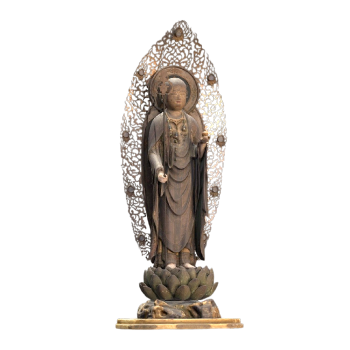
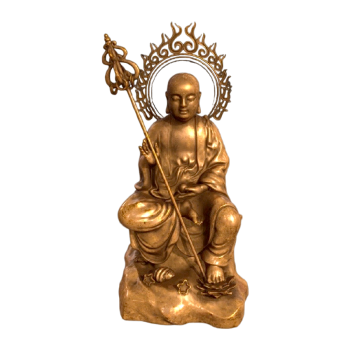
Ksitigarbha King Bodhisattva Statues

Ksitigarbha King Bodhisattva Statues

The King Bodhisattva (Kṣitigarbha Bodhisattva) is one of the four major Bodhisattvas of Chinese Buddhism. It is famous for its "great wish" ("hell is not empty, vows not to become a Buddha"), and is mainly responsible for saving all living beings in hell.
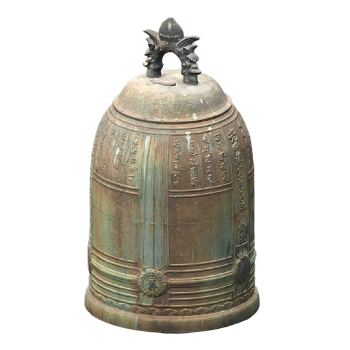
Ancient Bronze Van Bell (Buddhist Temple Bell)

Ancient Bronze Van Bell (Buddhist Temple Bell)

This is a well-preserved ancient bronze Brahma bell (Buddhist temple bell) with important religious and historical value. The inscription on it is key information for studying the age and background of its casting. This large bronze bell with inscriptions of Buddhist scriptures is very common in East Asian Buddhist cultural circles such as China, Japan and South Korea.
a statue of a god

a statue of a god

This statue holds the obvious instrument of "axe", and its appearance is powerful, which is more inclined to be some kind of Buddhist dharma protector, or a martial god with axe as weapon in folk belief.
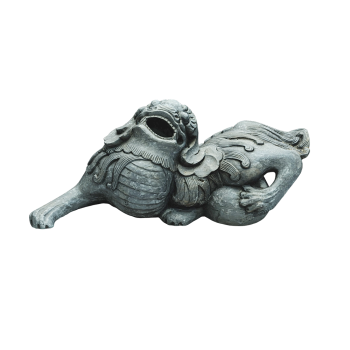
Stone carving brave (HD 3D scanning)

Stone carving brave (HD 3D scanning)

A combination of animal features, often described as having a dragon head, a horse body, unicorn feet, and sometimes wings. The neck and body have carved details of curly or flowing mane and hair. With a big mouth and a strong expression, this gesture symbolizes fortune, evil spirits and deterrence in traditional Chinese mythical beast sculptures.
Ksitigarbha Bodhisattva

Ksitigarbha Bodhisattva

Ksitigarbha Bodhisattva is one of the four Bodhisattvas in Mahayana Buddhism. He is famous for his "great wish". His famous oath is "hell is not empty, and he will not become a Buddha". He is mainly responsible for saving six sentient beings, especially those suffering in hell, in the Buddha-free world after the Nirvana of Shakyamuni Buddha and before the birth of Maitreya Buddha. Ksitigarbha Bodhisattva usually appears in the image of a monk. This is the difference between him and other major Bodhisattvas (such as Guanyin, Manjusri, and Samurian) in the appearance of heaven and man (wearing wreaths and crowns).
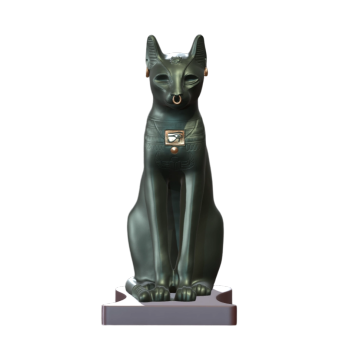
Gail-Anderson Cat

Gail-Anderson Cat

Gail-Anderson Cat is a bronze statue depicting the image of the goddess Buster. The goddess is usually portrayed as a female figure of the head of the cat, or directly in the form of a cat. The main center of worship of the goddess Bast is located in Bubatis, in the Nile Delta. As a maternal goddess, Buster is gentle and kind, in contrast to the more aggressive lioness god, Sehmet. The statue dates back to the late dynasty of ancient Egypt, around 600 BC. Major Robert Grenville Gail-Anderson donated the statue to the British Museum in 1939 and named it in his honor.
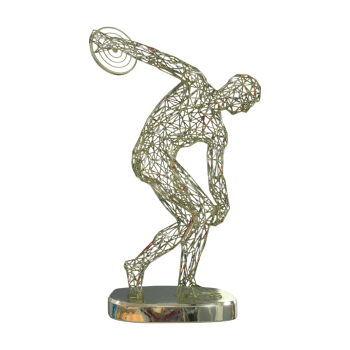
Geometric Abstract Discus Player Like
Geometric Abstract Discus Player Like

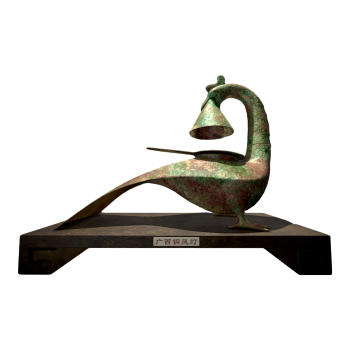
Copper Phoenix Lantern in the Late Western Han Dynasty

Copper Phoenix Lantern in the Late Western Han Dynasty

In 1971, a pair of bronze phoenix lanterns, 33cm high, 42cm long and 15cm wide, were unearthed in the No. 1 Han tomb bell of the late Western Han dynasty in Guangxi Zhuang autonomous region. their appearance was similar to that of a phoenix bird. they stood side by side with their feet, looked back with their heads raised, and their tails drooped behind them to support the whole body with their feet. they looked very stable. Fengtong body fine carved feathers, head, crown, neck, wings, tail, foot, well-proportioned, clear outline, lifelike. When the lamp is lit, the soot from the wax torch enters the neck through the phoenix's mouth, and the phoenix's abdominal cavity dissolves into the water to eliminate pollution and purify the indoor air so as not to affect human health. It is a product with similar environmental protection function in the earlier period.
Ceramic Vase

Ceramic Vase

Adapt to the requirements of various decorative scenes-can be used as home soft clothes (placed on tea tables, bookshelves, porches), still life sketch props or traditional craft display models; The style is compatible with classical (with Chinese furniture and ink painting) and modern (with simple home and green plants); The detailed design supports separate display or combined scenes (such as vases with flowers inserted and combined display with other ceramic utensils); The overall soft tone, glaze luster is not dazzling, passing "quiet, elegant" decorative atmosphere, at the same time through high-precision reduction, showing the artistic value of ceramic technology in material, shape and decoration.
Bone Thrower

Bone Thrower

Shows the typical dynamics of bone-throwing players-the character may be sitting or squatting, leaning forward slightly, focusing on the domino/talus in the hand or on the ground, and looking focused (or with expectation and thinking); The hand movements are delicate, which may show the state of holding, placing before throwing or stretching just after throwing, and the contact details between fingers and talus are clear. The head is slightly low or turned sideways, the facial expression is natural (possibly with a smile or a focused sense of seriousness), the body is relaxed but the focus is focused on the game action, and the overall dynamics capture the vividness of the "moment in the game.
Egyptian Style Sphinx Statue

Egyptian Style Sphinx Statue

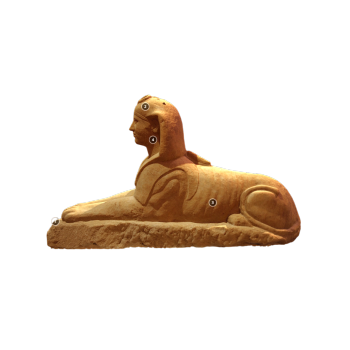
Strictly follow the Egyptian style Sphinx modeling specifications-the head is an idealized pharaoh's face (smooth eyebrow arch, deep eye sockets, apricot-shaped eyes, high nose bridge, full lips, tough jaw lines, with false beard symbolizing divinity); The head wears ancient Egyptian iconic headdresses (such as the Niemes scarf, with blue and yellow vertical stripes and holy snake decoration, symbolizing kingship and protection of gods); the body, the muscle lines are full and strong (broad chest, slightly bulging back and tight abdomen), with stout limbs, front paws stretched together, claws with clear details (clear toenails) and tail naturally curled on the side of the body.
12th Century Stone Guanyin Head

12th Century Stone Guanyin Head

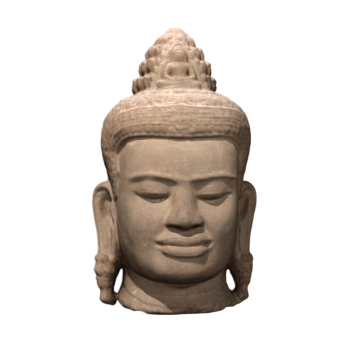
It is clear that the theme of the model is the head of Guanyin carved by stone in the 12th century, "Avalokiteshvara" is Guanyin Bodhisattva (the god symbolizing compassion in Buddhism), "12th C CE" points to its historical period (the 12th century AD, corresponding to the heyday of Buddhist art in Song Dynasty of China or Southeast Asia at the same time), "Stone" emphasizes that the material is stone (presumably sandstone, marble or limestone), and the model restores the religious symbolic significance and artistic style, passing on the solemn and compassionate atmosphere of Buddhist statues.
Ancient Egypt 19th Dynasty Pharaoh Head
Ancient Egypt 19th Dynasty Pharaoh Head

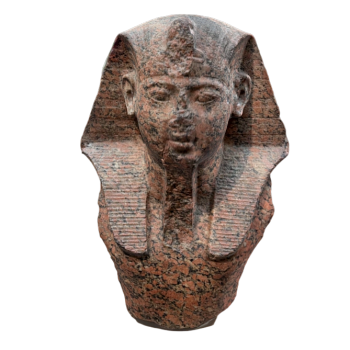
The theme of the model is clearly the head statue of the pharaoh of the 19th dynasty of ancient Egypt (about 1292 BC -1189 BC, the heyday of the New Kingdom), focusing on its solemn image as a symbol of royal power-typical pharaoh's face features, iconic headdresses (such as Niemes headscarf, crown) and royal power symbols (such as beard), restore the artistic norms of the ancient Egyptian sculpture "positive law" and the visual expression of the pharaoh's "unity of divinity and kingship" to convey the historical weight and religious solemnity of the ancient Egyptian civilization.
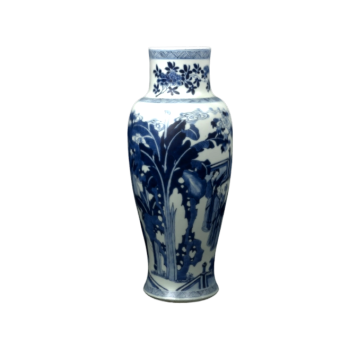
railing vase

railing vase

The edge of the bottle mouth may have a delicate lip design, and the bottom of the circle foot may be marked with a piece of knowledge (such as the production age, kiln mouth mark, etc., and the original information of the re-engraved cultural relics). Each part of the bottle body is connected naturally without stiff turning, reflecting the exquisite level of classical craftsmanship.
Bavarian warrior helmet (supports 3D printing)

Bavarian warrior helmet (supports 3D printing)

Ninja terracotta helmet (support 3D printing)
Ninja terracotta helmet (support 3D printing)

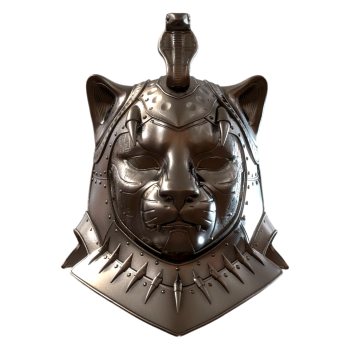
Ancient Egyptian Sehmet Helmet (supports 3D printing)
Ancient Egyptian Sehmet Helmet (supports 3D printing)

Saihmet (Sekhmet), a lioness god in ancient Egyptian mythology, was originally the goddess of war and the goddess of medicine in Upper Egypt. She is portrayed as a lioness, recognized by the Egyptians as the fiercest hunter. It was said that her breath formed a desert. She was seen as the patron saint of the pharaohs and guided them in war.
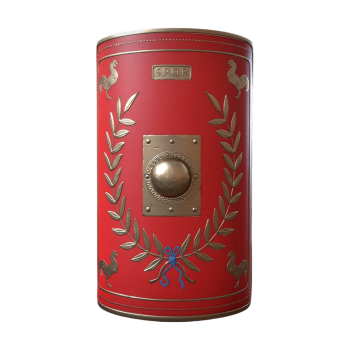
Laurel Shield (supports 3D printing)

Laurel Shield (supports 3D printing)
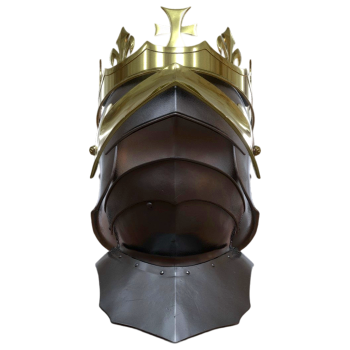
Richard III helmet (supports 3D printing)
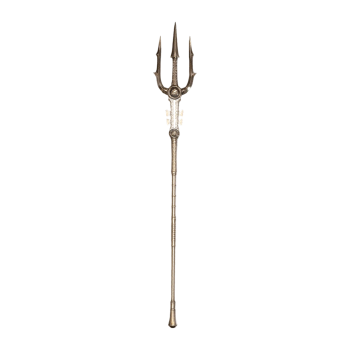
Richard III helmet (supports 3D printing)

Richard III was the last king of York and the last king of the Plantagenet. Playwrights such as Shakespeare portrayed it as a "hunchbacked tyrant". However, Richard III made great achievements during his reign. He established a complete legal aid system and bail system, assisted universities, churches, and established the Northern Parliament. He enjoyed widespread love in the region at that time.
Posidon Trident (supports 3D printing)
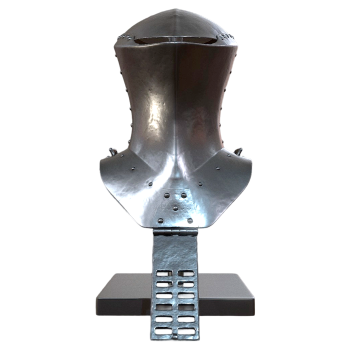
Posidon Trident (supports 3D printing)

Gun Rider Helmet (supports 3D printing)
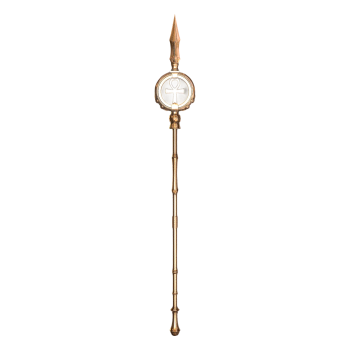
Gun Rider Helmet (supports 3D printing)

Egypt Horus long gun (support 3D printing)
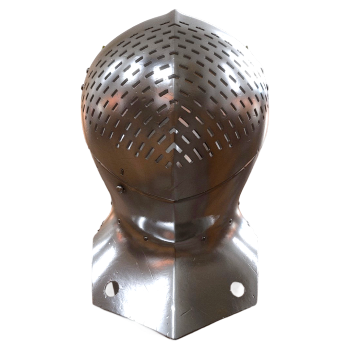
Egypt Horus long gun (support 3D printing)

Sir Gilles Capel's helmet (supports 3D printing)
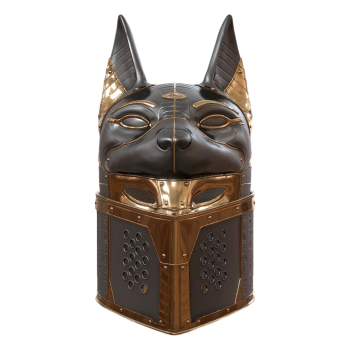
Sir Gilles Capel's helmet (supports 3D printing)

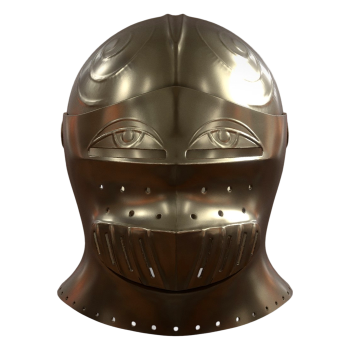
This helmet, or "Great Baschnet", was used for foot racing, and was formerly suspended above the grave of Sir Giles Capel (1485-1556) in the Church of Rennes, Essex, where, as stipulated in his will, his "best helmet" and his sword were placed.
Basteto Helmet (supports 3D printing)
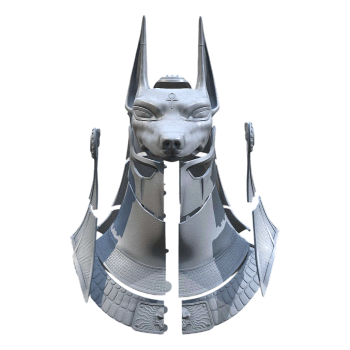
Basteto Helmet (supports 3D printing)

Bastet (Bastet), also known as Goddess Isis or Lady of the East, is a cat god in ancient Egyptian mythology. She began to be worshipped as early as the Second Dynasty of Egypt (2890 BC). Before the unification of Upper and Lower Egypt, she used to be the goddess of war in Lower Egypt, as opposed to the goddess of the lion of Upper Egypt, Sehmet, because of her similarity, basteto's priesthood slowly transformed from the god of war to the patron saint of the family.
Anubis bust (support 3D printing, can be assembled model)
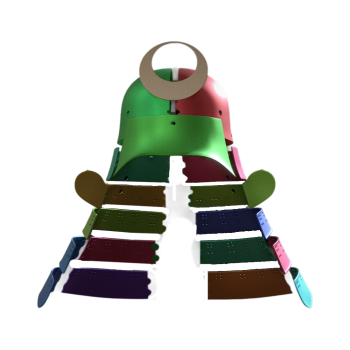
Anubis bust (support 3D printing, can be assembled model)

Samurai helmet (3D printable, assembled model)
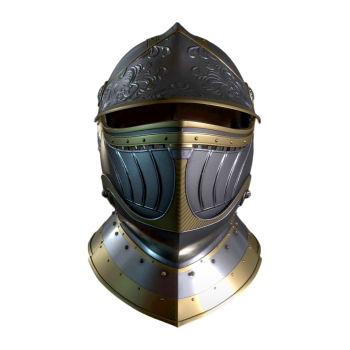
Samurai helmet (3D printable, assembled model)

Thames Knight Helmet (3D printable)
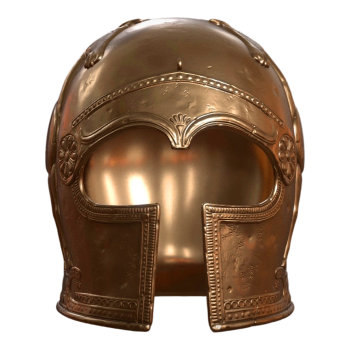
Thames Knight Helmet (3D printable)

Pegasus Helmet
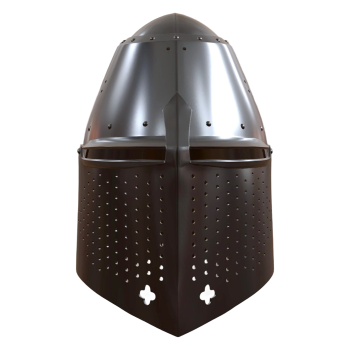
Pegasus Helmet

Pegasus (Pegasus, Greek Π-γασος), one of the most famous fantasy creatures in Greek mythology, was born to Poseidon, the god of the sea, and the character is the god of horses.
Sir Richard Pembridge's helmet (3D printable)
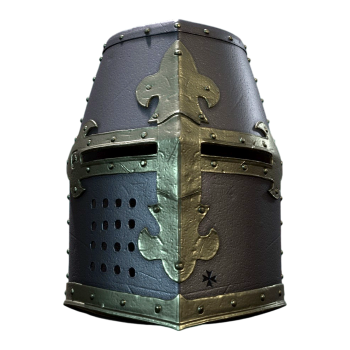
Sir Richard Pembridge's helmet (3D printable)

Sir Richard Pembridge (Pembridge Richard, died 1375),KG was one of the first knights of the Garter to be appointed. A man of uncertain family background from Herefordshire, he took part in the Battle of Sruiz (1340) and fought alongside Edward III in the Hundred Years' War at the Battle of Creasy (1346) and the Battle of Poitiers (1356). After that he became guardian of Southampton Castle in 1361 and then constable of Dover Castle and caretaker of the Cinque Harbour in 1370.
Crusader Knight Helmet (3D printable)
Crusader Knight Helmet (3D printable)

Hassol cow statue (3D printable)
Hassol cow statue (3D printable)

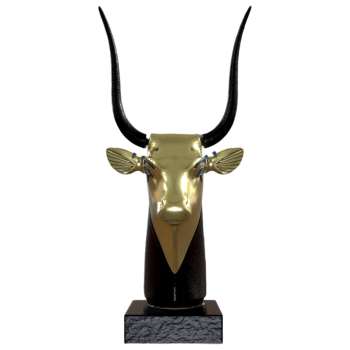
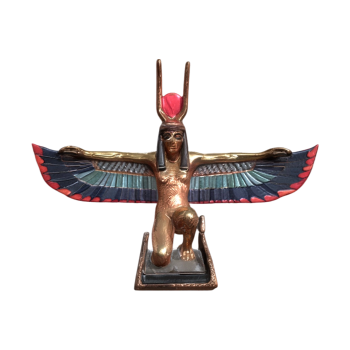
"Hathor bull head image" is a typical artistic image of Hathor (Hathor), the god of love, music and joy in ancient Egyptian mythology. It is marked by "cow head" or "female face with bull ears". It is widely used in ancient Egyptian temples, burial chamber reliefs, statues and decorative arts. This image is not only the core symbol of the Hassolge, but also bears the deep belief in "fertility", "sacred protection" and "joy of life" in ancient Egypt, and is an important physical carrier for the study of religion, art and social culture in ancient Egypt.
Ancient Egyptian sky statue (3D printable)
Ancient Egyptian sky statue (3D printable)

1 2 3 4 5 6 7 8 9 ... 73 Next