Freecreat category

Animals/Organics

Browse models in this category, preview details, then continue to download when ready.

Horses (3D animated model)

Horses (3D animated model)

The wilted horse is a large herbivore in the family Coreidae. The horned horse has drooping manes and whiskers, long and tufted tails, and both sexes have curved corners. The top of the head bends to both sides first, then twists back and above. The tip of the male horn is wide and thick inward and very smooth. Beard-like long drooping hairs grow under the jaw and neck. There are two species in this genus: white-tailed wildhorse, also known as black wildhorse, weighs 110-147kg and is 106-121cm tall. The zebra horned horse, also known as the common horned horse, has five subspecies. Weight 230-275kg, body length 1.8-2.4 m, height 140-152cm, tail length about 0.9 m; Kiss nose and limbs are black.
Wild Boar (3D animated model)

Wild Boar (3D animated model)

The wild boar is a medium-sized mammal of the order Artiodactyla, the family Swine. There are 17 subspecies. Weight 90-200kg; The body length is 1.5-2 meters, the tail length is 21-38cm, and the ear length is 24-26cm. Shoulder height is about 90cm. The size of the yield varies from region to region. The overall coat color is dark brown or black, the top layer is composed of harder setae, and there is a layer of soft fine hair below the bottom layer. The back is covered with stiff and sparse needle hairs, the hairs are coarse and sparse, there are some differences between subspecies and subspecies nuclear type, the chromosome number (2n) is between 36-38, Japanese wild boar 2n = 38, but there is no reproductive barrier between each other.
Hare (3D animated model)

Hare (3D animated model)

The hare, a combination of four rabbit species in the Harethroid family, is a wild rabbit that has not been domesticated by humans and is divided into acupoint rabbits and Kuang rabbits. There are about 30 species in the world and 9 species of hares in China. The hair color of adult hare is relatively dark, mainly gray and blue-gray, mixed with star yellow. The head is small, with an ear much smaller than that of rabbit. Compared with rabbit, the ear is slightly longer and the ear tip is black. The back of the body is brown and yellow, with irregular black spots on the back of the body. The color of the tail back hair and the abdominal hair on the back of the body are pale yellow, light brown or white, and the rest of different shades; the hair is long and soft; the limbs are slender and strong; the hind limbs are strong; the body size is smaller than that of the rabbit.
Ring-necked pheasant (3D animated model)

Ring-necked pheasant (3D animated model)

The ring-necked pheasant is a species of walking bird in the genus Pheasant, with a total of 30 subspecies. Weight 900-1050 grams, body length 53-89cm. The body is slightly smaller than the domestic chicken, but the tail is much longer. Male birds and female birds have different plumage colors. Male birds have gorgeous plumage colors and are mostly reflective of metal. Both sides of the top of the head have a bunch of ear feathers that can stand up and the feather ends are square. The edges of the feathers on the lower back and waist are scattered like hair. Wings are slightly short and round. There are 18 tail feathers, with long and pointed tails. The central tail feathers are much longer than the outer ones.
Goat (3D animated model)

Goat (3D animated model)

Goat (scientific name: Capra hircus) is a mammal of the genus Bovine Goat. Also known as summer sheep, black sheep. There are more than 150 goat breeds in the world, including dairy goat and hairy goat; there are more than 40 goat breeds in China, including Yimeng black goat and Cangshan black goat. The goat has a compact structure, a deep and broad chest, arched ribs, a straight back and waist, a large abdomen without drooping, regular limbs, strong bones, well-developed and elastic breasts, and large and neat nipples. Pointed mouth, sharp teeth, thin lips. Both male and female sheep have horns and beard. The coat is mostly white, accounting for more than 85%, the outer layer is coarse hair and the inner layer is fluff.
Moose (3D animated model)

Moose (3D animated model)

Moose is a species of mammals in the family Ceratidae and the genus Moose, with a total of 8 subspecies. Moose is large, with a body length of 200-260cm, a shoulder height of 160-240cm and a weight of 400-700kg. The body and four long legs are similar to camels, with towering shoulders and humps like the camel's back, hence the name. It is characterized by the male's palm-shaped antlers. The head is large, the eyes are small, the face is long, the neck is short, the nose is large and slightly drooping, and the upper lip is 5-6cm longer than the lower lip. The hair color of the whole body is brown, the nose is thick, and the chin pouch is under the throat. The horns of the adult stag are the largest in the deer, with palmately branches and rough horns.
Lion (3D animated model)

Lion (3D animated model)

The lion is a large beast of the cat family and the leopard family. The lion for short, the ancient Chinese name of. It is the largest existing cat with the largest average weight, and it is also the only male and female cat in the world. It has the title of "king of grassland. Wild African male lions weigh an average of 240 kilograms and can reach 2.4-3.3 meters in length. The lion is large in size, uniform in body, long in limbs and long in toes. The head is large and round, the snout is short, and the vision, hearing and smell are well developed. Canine teeth and cracked teeth are extremely developed. The upper cracked tooth has three tooth tips and the lower cracked tooth has two tooth tips. Molar teeth are relatively degenerate, with crown diameter smaller than the height of lateral incisor teeth. The fur is soft. Forefoot 5 toe, hindfoot 4 toe.
Hyena (3D animated model)

Hyena (3D animated model)

Hyena (scientific name: Hyaenidae), is a general term for hyenidae under the cat suborder. This family is one of the least existing genera and species in the order of carnivores, with only 3 genera and 4 species under it. Hyenas are dog-like in appearance and medium-sized in individuals, but they have no blood relationship with the current canidae, but are more closely related to the felines and the nimbus. The hyena has a relatively short and compact torso, with unequal anterior and posterior limbs, longer forelimbs, lower hind limbs, high shoulders, and a significant downward slope of the spinal line to the hips. The skull is larger and heavier than that of canines, with a shorter face and a stubby neck.
White Horse (3D animated model)

White Horse (3D animated model)
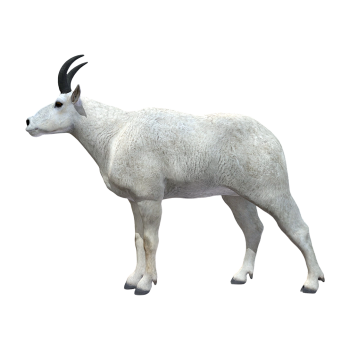
Goat (3D animation model)
Goat (3D animation model)

The goat (scientific name: Capra hircus) is a mammal belonging to the genus Capra within the family Bovidae. Also known as the summer sheep or the black sheep. There are more than 150 goat breeds worldwide, including dairy goats and cashmere goats; China is home to over 40 goat breeds, such as the Yimeng Black Goat and the Cangshan Black Goat. Goats have a compact body conformation, with a deep and broad chest, arched ribs, a straight topline from back to loin, a sizable but not drooping abdomen, well‑set limbs, sturdy bones, a well‑developed and resilient udder, and large, evenly aligned teats. Pointed mouth, sharp teeth, thin lips. The coat is mostly white, accounting for more than 85%. The outer layer is coarse hair and the inner layer is fluff. The coarse hair is shiny and bright, and the fluff is slender and soft.
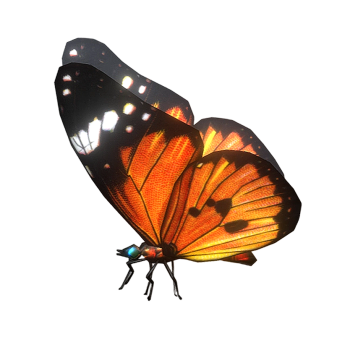
Golden Spot Butterfly (3D animated model)
Golden Spot Butterfly (3D animated model)

The golden spotted butterfly is an insect of the genus Spotfly of the family Spotfly in the order Lepidoptera. The cephalothorax is black with white spots on it. The wings are orange-red, the front edge and outer edge of the front wing are black, the wing end is a black area, there are 4 oblique bands composed of white spots in it, and the outer edge has 2 rows of small white spots. The outer edge of the hindwing is black, with 1 row of small white spots on it and 3 black spots on the middle chamber end. The reverse is similar to the front, but the outer edge, white halo around black spot at middle chamber end. The life span of male adults is 168.65-384.66 hours, and that of female adults is 288.43-624.67 hours.
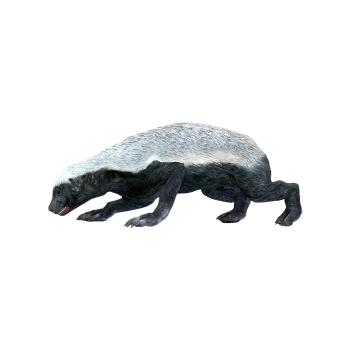
Honey Badger (3D animated model)

Honey Badger (3D animated model)
Honey Badger (scientific name: Mellivora capensis): is a carnivora, a ferret. There is a great difference in body size between males and females, with males sometimes weighing twice as much as females. The body is thick, the head is wide, the eyes are small, the ears are not visible, and there is a flat and blunt nose. The body is stout and the claws are strong, which can destroy the hive. The thick skin and rough hair can resist the attack of the bee colony. It is named for eating bee larvae and pupae. Distributed in Africa, West Asia and South Asia.
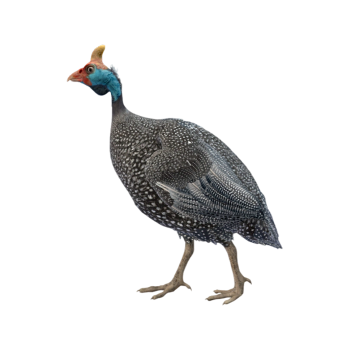
Guinea fowl (3D animated model)

Guinea fowl (3D animated model)
Guinea fowl (scientific name: Numida meleagris), also known as pearl chicken, pheasant, guinea bird. The head of guinea fowl is very small, the face is pale blue and purple, the beak is strong and sharp, the tip of the beak is pale yellow, the back is red, and there is a heart-shaped meat drooping around the back and bottom of the beak. The eyes are glabrous, with a white stripe extending to the upper part of the neck. Neck slender, draped with a ring of purple-blue needle-like feathers. Foot short, hour foot red, adult gray black. The guinea fowl is round and short, has no cockscomb, has no hairs on the top of its head, and has keratinized protrusions, which are called helmets, and its tail feathers are hard and slightly drooping.
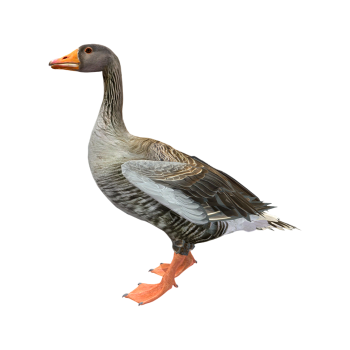
Wild Goose (3D animated model)

Wild Goose (3D animated model)
The wild goose is a general term for the birds of the genus Geese in the order Auckdae. Wild geese are large swimming birds with a smaller body size than swans. The group has a large mouth, a high mouth base, a length almost equal to that of the head, and a strong odontoid process on the edge of the upper mouth. Longitudinal nostrils; The neck is relatively thick and short, and the wings are long and pointed. Round tail; Body feathers are mostly brown, gray or white. Wild geese are mostly distributed in the northern hemisphere and are distributed throughout China. Wild geese often live in groups at the water's edge. They fly to the north to breed after the spring equinox and to the south to overwinter after the autumn equinox. When sleeping at night, they land on one leg.
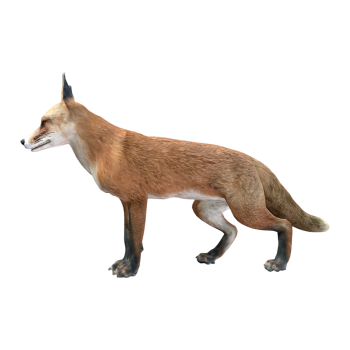
Red Fox (3D animated model)

Red Fox (3D animated model)
Red fox is a carnivora canidae fox mammals, also known as grass fox, red fox. The body size is slender; the snout is pointed, and the ears are large and pointed. The body color varies greatly due to different seasons and regions, from yellow to brown to dark red, and the larvae are light grayish brown. Common hair on the back is reddish brown, slightly yellowish on the shoulder and body. Black brown behind the ear, the hair color of the upper part of the back of the ear is significantly different from that of the head, which is black. The abdomen is white, and the legs are slender and black. The tail is thick and fluffy, and the tail tip is gray. Black stripes on the outside of the limbs extend to the foot surface. The body is covered with abundant hairs and long needle hairs; the paws are densely hairy; the base of the tail has subcaudal glands.
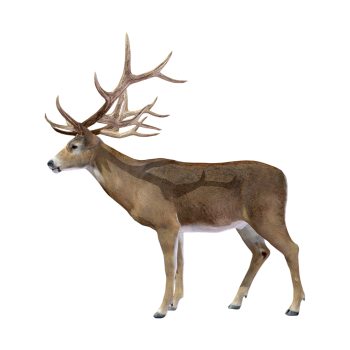
White-tailed deer (3D animated model)
White-tailed deer (3D animated model)

The white-tailed deer is an empty-toothed deer subfamily, empty-toothed deer. The white-tailed deer have a broad white tail with a reddish tan in summer and a slightly grayish brown in winter. An adult white-tailed deer has antlers, the antlers growing on the trunk stretch forward and the forks grow upward. The white-tailed deer's horns are not forked, and its wide brown tail is covered with a piece of white hair. When the white-tailed deer runs forward in danger alarm, its tail is tilted upward, revealing white. It is said that it can confuse the pursuer, and the name of the white-tailed deer comes from this.
Buffalo (3D animated model)

Buffalo (3D animated model)
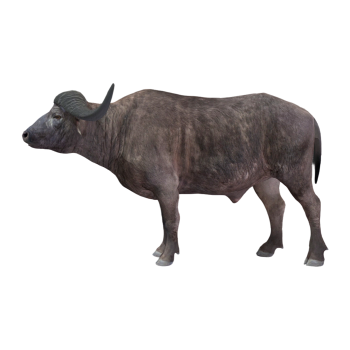
Buffaloes are mammals of the genus Buffaloidae in the order Artiodactyla. Body size hypertrophy. Large head; Both male and female heads have a pair of horns, the horns are long and slightly flat, curved, the upper part has many nostrils, the forehead is wide, the mouth is large, the upper part of the upper lip has two large nostrils, the skin is hard and smooth, hairless; The nose is wide; The eyes and ears are very large; The neck is short; Waist-abdominal protuberance, limbs are short; The skin is thick, the anterior part of the body is dense, and the back and chest and abdomen are sparse. The body color is mostly gray-black, but also yellow-brown or white. It is named for its habit of being fond of water. Life can reach 20-30 years.
Wild Boar (3D animated model)

Wild Boar (3D animated model)
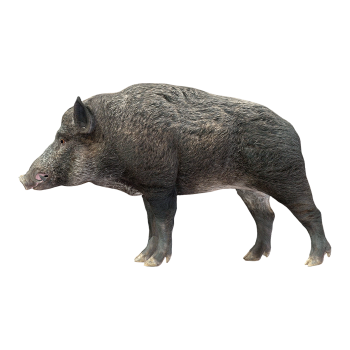
The wild boar (scientific name: Sus scrofa) is a medium-sized mammal in the order Artiodactyla, the family Swine. There are 17 subspecies. Weight 90-200kg; The body length is 1.5-2 meters, the tail length is 21-38cm, and the ear length is 24-26cm. Shoulder height is about 90cm. The size of the yield varies from region to region. The overall coat color is dark brown or black, the top layer is composed of harder setae, and there is a layer of soft fine hair below the bottom layer. The dorsum is covered with stiff and sparse needle hairs, the hairs are coarse and sparse, and there are some differences between subspecies and subspecies nuclear type.
Canadian argali (3D animated model)

Canadian argali (3D animated model)
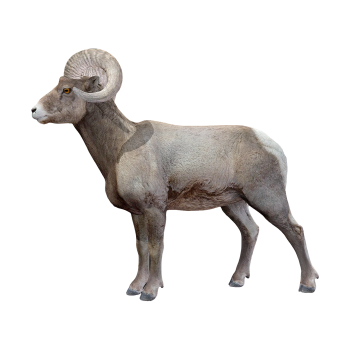
Canadian argali (scientific name: Ovis canadensis): Artiodactyla, boviidae, argali genus of mammals. There are 8 subspecies. Body length 1.5-1.8 meters, male weight 119-127kg, female weight 53-91kg. It is named for the crooked large horns of the ram. Although the ewe also has horns, it is much shorter and only slightly curved. The colors of the fur include light brown, gray and brown, while the hips and legs are white.
Black Bear (3D animated model)

Black Bear (3D animated model)
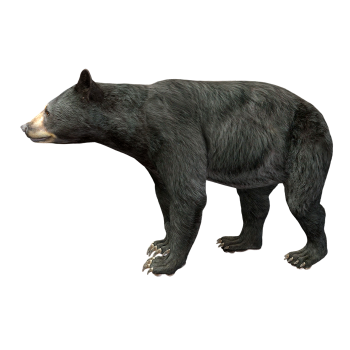
The black bear (Ursus thibetanus) is a carnivora bear genus of animals, also known as the Asian black bear. The black bear is of middle and equal size, with a thick body, a wide and round head and a short kiss. Naked nose; The eyes are very small and the eyesight is degraded, but the sense of smell and hearing are very sensitive. Developed wrist pads, thick and strong limbs, curved and sharp claws; The blind bear is commonly known as a bear because its face looks like a dog, and is called a crescent bear because its whole body is black, only with a crescent-shaped white hair on its chest.
Short Nose Crocodile (3D Animated Model)
Short Nose Crocodile (3D Animated Model)

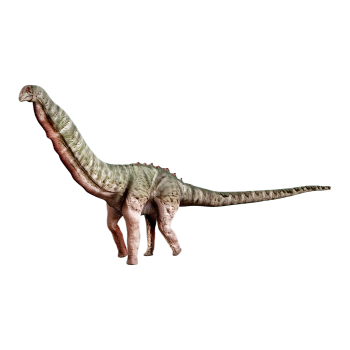
Brachiosaurus (3D animated model)
Brachiosaurus (3D animated model)

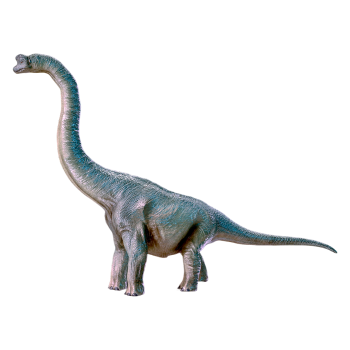
Brachiosaurus is a general term for the "Brachiosaurus" dinosaurs of the Jurassic period. The body length is 25 meters, the height is 15 meters, the weight is 30 tons, the tail is thick and short, the head is very small, the neck is very long, and the shape is similar to that of a giraffe. There are large claws on the inner side of the foreruns. The jaw is well developed, covered with 52 teeth up and down, and the edges of the teeth are sharp. The limbs are thick and strong. The nostrils are on top of the head. It is named for its long forelimbs.
Halosaurus (3D animated model)

Halosaurus (3D animated model)
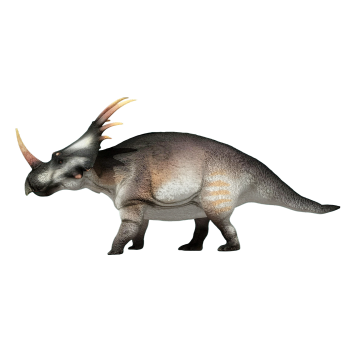
Stardosaurus (Styracosaurus), also known as shield-horned dinosaur, means "lizard with spikes (στυ ραξ)" in Greek. It is a genus of herbivorous horatosaurus dinosaurs and lived in the Cretaceous Campanidae, about 76.5 million to 75 million years ago.
Shandong Dragon (3D animation model)

Shandong Dragon (3D animation model)
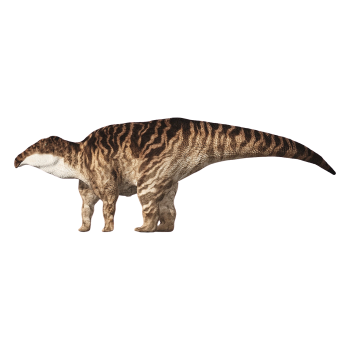
Shandong dragon (scientific name: Shantungosaurus) is a large herbivorous dinosaur of the genus Shandong dragon, which is about 15 meters long and weighs up to 15 tons. It is one of the largest known bird-buttock dinosaurs. The head is flat without crown, the beak is flat and duckbill-shaped, and the jaw has about 1500 molars, distributed in 60-63 tooth grooves. The tail is thick and flat, accounting for about half of the body length, and is used to balance body weight. There is a loose vertical overlying structure at the nostrils, presumably with vocal function.
Winning King Dragon (3D Animated Model)
Winning King Dragon (3D Animated Model)

Shengwanglong (scientific name: Rajasaurus) is a large carnivorous dinosaur in the subfamily Abelilosaurus Komajun, with the type of Nabada Shengwanglong. Its body is about 6.5 meters long, and its head has a unique rounded corner composed of nasal and frontal bones. The fossils are found in the strata of the Lamita Formation in Kodar County, Gujarat, India and the Narmada River Valley near Jabalpur, Madhya Pradesh. The geological age belongs to the end of the Maastricht Stage of the Cretaceous. The species lived in the Indian peninsula in the late Cretaceous period and mainly fed on herbivorous dinosaurs (such as giant-footed dinosaurs), occasionally with similar predation behavior.
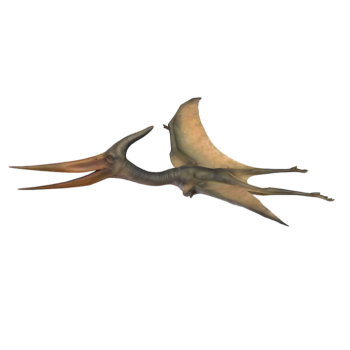
Wind God Pterosaur (3D animated model)
Wind God Pterosaur (3D animated model)

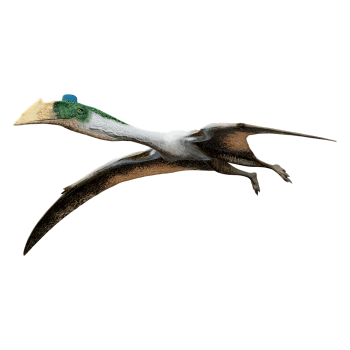
Afeng God pterosaur (Quetzalcoatlus) is a pterodactyl, also known as the Pterodactyl. Aeolus pterosaurus (Quetzalcoatlus) is a species of pterodactyl that lived in the late Late Cretaceous (Campanan to Maastricht), about 84 million to 65 million years ago. It is the largest known flying animal. Pterosaurs are advanced and lack of teeth pterosaurs. The origin of the name is the Aztec civilization of the feathered serpent god Queztke (Quetzalcoatl).
Nama ancient rhomboid image (3D animated model)
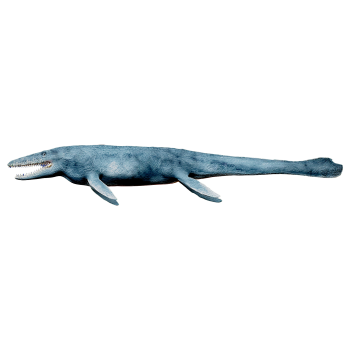
Nama ancient rhomboid image (3D animated model)

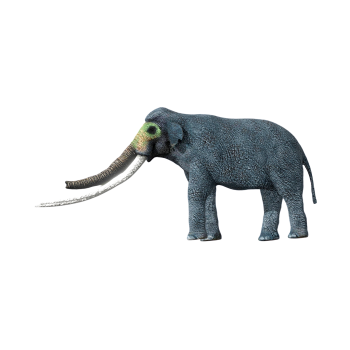
Nama ancient rhomboid (scientific name: Palaeoloxodon namadicus naumanni Matsumoto) is an extinct subspecies of the genus ancient rhomboid. The fossils are mainly found in the Middle Pleistocene to Late Pleistocene strata in North China. Its typical features include a dome-shaped skull, a well-developed frontal protrusion, a wide cranial and nasal bone structure, and a rhombic feature in the center of the tooth plate after molar abrasion. According to the skull morphology can be divided into the original "Stuttgart morphology" and derived "namadicus morphology".
Ducklone (3D animated model)

Ducklone (3D animated model)
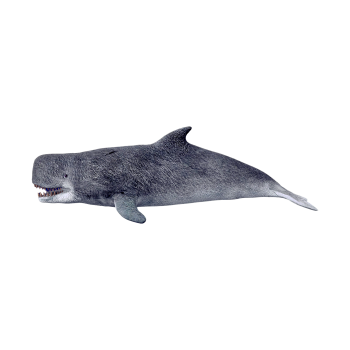
Dacron (scientific name: Dakosaurus) is a genus of the family Gelidae, which lived from the late Jurassic to the early Cretaceous. Its body length can reach 4-5 meters, with serrated teeth, a streamlined body and a vertical tail with fins, and its limbs are paddle-shaped, which is suitable for swimming in the marine environment. As a top predator, dacron preys on large prey by virtue of its strong bite and serrated teeth.
Melville Whale (3D animated model)

Melville Whale (3D animated model)
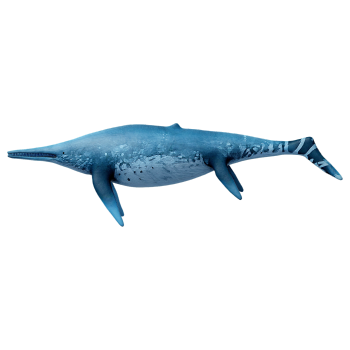
The Melville whale was the most powerful marine mammal of the Neogene. The Melville whale is 18 meters long and weighs 65 tons. It is about the same size as the current female sperm whale. The teeth are 35 centimeters long, longer than the teeth of the Megalodon shark. Melville whale is named after the novel author Melville because it conforms to the description of the classic novel "Moby Dick. Fossils of the Melville whale were found in Miocene formations dating from 13 million to 12 million years ago. Because of its huge head and large size, the Melville whale does not swim fast and has an amazing bite force. Its brain oil can locate the sound of its prey.
Ichthyosaur (3D animated model)

Ichthyosaur (3D animated model)
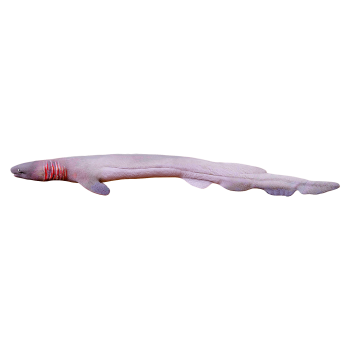
Ichthyosaurus (Latin scientific name: Ichthyosauria, from Greek ιχθυς, "fish", and σαυρος "lizard") is a large marine-dwelling reptile resembling fish and dolphin s. They lived during most of the Mesozoic era, first appearing about 0.25 billion years ago, slightly before the dinosaurs (0.23 billion years ago), and they disappeared about 90 million years ago, about 25 million years before the dinosaurs became extinct. Some ichthyosaurs are very small, but others are very large.
Frilled Shark (3D Animated Model)

Frilled Shark (3D Animated Model)
The frilled shark is a fish of the family Frilled Shark, also known as the Anguilla Shark. The body is elongated, eel-shaped, with obvious ridge on the abdomen. The mouth end position is deep arc-shaped and quite large, extending backward to the back of the eye. The anastomosis is extremely short, and the anastomosis end is flat. The eye is oblong, without nictation membrane, and is closer to the anastomosis end than to the first gill orifice. Small nostril, flank near the anus end, there is a small tooth head between the base of the central tooth tip and the base of the lateral tooth tip; 6 pairs of gill holes are located in front of the base of the pectoral fin, and the gill interval is extended and folded, and covers each other.
Fear of Fish (3D animated model)

Fear of Fish (3D animated model)
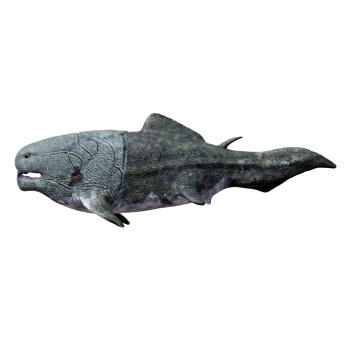
Fear fish (scientific name: Dunkleosteus) is a large prehistoric fish of the order Scutellopterus and Neck-saving fish. Its body length can reach 10 meters. Its head and trunk are wrapped by bone carapace, and its front jaw has scissor-like bone plate teeth. Its bite force is estimated to reach 6000 cattle. Fossils show that its upper and lower jaws can move freely, and its mouth is more than 1 meter wide, which is the top predator of the late Devonian period. China's Sichuan Jiangyou has been found about 1 meters long phobic fish fossils. The phobic fish lived in the late Devonian period from 0.36 billion to 0.4 billion years ago, distributed in Morocco, Poland, the United States and other places.
Carnivorous Beef Dragon (3D animated model)
Carnivorous Beef Dragon (3D animated model)

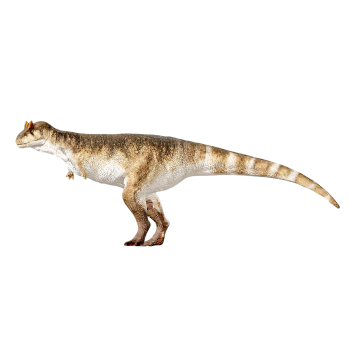
Beef-eating dinosaur, a carnivorous dinosaur of the order saurohip theropod. The head of the beef cow is short and thick, with wing-shaped sharp corners above the eyes, small and forward-facing eyes, winged vertebrae, short forelimbs, and rows of protruding scales on both sides of the back. The length is about the length of the connection of two cars. The forelimbs are short, the hind limbs are long and strong, the long spine has wing-like protrusions, and the long and strong tail helps it maintain its balance. Because of the two horns on the head, it looks like a "bull horn", so it was named a meat cattle dragon.
Sharktooth Dragon (3D animated model)
Sharktooth Dragon (3D animated model)

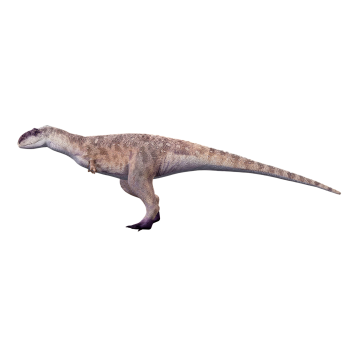
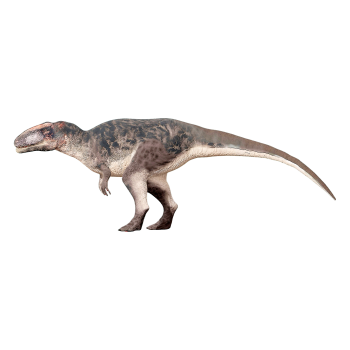
The genus Shagosaurus currently contains two species, the Saharan Shagosaurus and the Igidi Shagosaurus. Sharkodontosaurus lived in North Africa during the Senoman period of the Late Cretaceous. Sharkodontosaurus is closely related to Quibuchatosaurus, Mapulosaurus and southern behemoths, which belong to the same class of allosaurus. Sharkodontosaurus was very large, similar to Tyrannosaurus rex, and possibly even larger. The shark-toothed dragon lived in an era when giant beasts were rampant. The contemporaries also included the 15-meter-long Spinosaurus, the 9-meter-long ruffled dragon, and the sauropod tidal dragon more than 30 meters long. There were also 12 meters of emperor crocodiles lurking in the water. Sharkodontosaurus likely fed on contemporaries of giant sauropods.
Balu crocodile (3D animated model)

Balu crocodile (3D animated model)

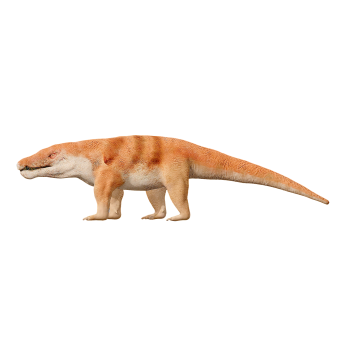
The Baru crocodile (scientific name: Baru) is a genus of crocodile of the order of crocodile and the family Kincana. It has a thick skull, strong mandible and sharp teeth. Its orbital and palatal foramen are placed in front of it, its anastomosis is deep, and its supraoccipital bone has protrusions. The genus contains four species: the late Oligocene Herro Baru crocodile (less than 1.5 meters in length), the contemporaneous evil Baru crocodile (up to 4 meters in length), the middle Miocene Darro Baru crocodile (about 4 meters in length) and the late Miocene new species Baru iylwenpeny, a newly described Baru crocodile.
1 2 3 4 5 6 7 8 9 ... 42 Next