


Scene

Wet desert terrain
It is a terrain with climate characteristics that are completely different from typical deserts, although it still belongs to arid areas. This type of desert area has relatively high precipitation, but the evaporation rate is still low, allowing water to be retained in the soil and supporting more abundant vegetation growth. Climate conditions are typically influenced by nearby oceans or lakes, which provide the necessary humidity and precipitation. Typical features include seasonal floods, dense vegetation cover, and diverse wildlife populations. Although the precipitation is higher than typical deserts, it is still a fragile ecosystem that is vulnerable to the impacts of climate change and human activities.

Waterfall Mountain and River Terrain
It is a typical natural landscape typically composed of mountains, rivers, and waterfalls. Commonly found in areas with active crustal movement, where rivers form waterfalls due to sudden terrain drops as they flow through mountains. Waterfalls not only add dynamic beauty to rivers, but also provide abundant water sources for the surrounding ecosystems. Waterfalls fly down from high places, often accompanied by thunderous sounds, creating a stunning natural wonder. Rivers form deep pools or rapids beneath waterfalls, providing habitats for aquatic organisms. It has high ornamental value and is also a treasure trove of ecological diversity. It also maintains humidity and temperature balance in the surrounding areas.

Snow Mountain Terrain
It refers to mountains and mountainous areas covered by snow. Usually located in high latitude or high-altitude areas, with a cold climate and abundant snowfall. Has unique topographical features. The snow covered peaks and valleys form a magnificent landscape. It often presents the characteristics of sharp peaks, winding ridges, and deep canyons. These terrains are not only beautiful, but also challenging, attracting climbers and explorers. The snow capped mountain terrain is a beautiful and vibrant natural landscape with unique geomorphic features and ecological functions. Whether it's adventure or pure viewing, people can find fun and challenges in the snow capped terrain.

Rock Glacier Terrain
It is a special type of glacier characterized by a large amount of rock debris scattered on its surface. Usually located in mountainous areas, the flow of glaciers drives rocks and gravel on surrounding slopes, forming a unique snow covered rock landscape. The terrain is complex and varied, and the erosion of glaciers has carved deep canyons and steep cliffs on the mountains. The melting of glaciers and the accumulation of moraines together shape the shape of the earth's surface. Ecosystems are usually relatively simple, but there are still some organisms that adapt to cold environments, such as alpine plants and cold resistant insects. Not only is it a treasure trove of natural beauty, but it is also an important subject of geological research.

Rock desert terrain
Also known as Gobi or gravel desert, it is a surface morphology in extremely arid or semi-arid regions characterized by vast bare rock plains scattered with gravel and sand. Usually formed under strong weathering and erosion, especially in areas lacking vegetation cover and unable to resist wind and water erosion. The soil is extremely poor and has poor water retention capacity, resulting in sparse vegetation and fragile ecosystems. In such an environment, only some extremely drought tolerant plants and animals can survive, such as certain cacti, succulents, and reptiles. Despite the seemingly harsh environmental conditions, it still possesses unique natural beauty.

Desert terrain
It is a natural landscape shaped by extreme arid climate, characterized by scarce precipitation, high evaporation rate, sparse vegetation, and poor soil. Distributed worldwide, from tropical to temperate regions, including the Sahara Desert, Arabian Desert, Gobi Desert, and the Great Sandy Desert in Australia. The formation is usually related to geographical location, climatic conditions, and geological history. In tropical regions, deserts are often formed due to the influence of high-pressure zones, while in temperate regions, it may be due to terrain blocking the entry of moisture. The earth's surface is often composed of sand, gravel, or saline alkali land, forming different landforms such as sand dunes, gravel deserts, or salt deserts under the action of wind.

Baringer Crater
Located near Winslow, Arizona, USA, it is a huge impact crater formed by a meteorite impact event approximately 50000 years ago. With a diameter of approximately 1.2 kilometers and a depth of about 174 meters, it is one of the best preserved meteorite impact craters on Earth. The shape is very typical, with a clear central uplift area, which is the result of the compression and rebound of underground rocks during impact. The edge is about 40 meters higher than the surrounding desert plain, forming a steep outer wall. The bottom of the pit is relatively flat, covered with rocks and fragments ejected during impact. Having a visitor center and museum showcasing exhibitions related to meteorite craters and impact events.

Lunar Pit 3D Scene Model
Also known as lunar craters, they are a type of concave terrain that covers the surface of the moon and are traces left by ancient volcanic activity and meteorite impacts. The size of volcanic craters varies, ranging from tiny millimeter sized craters caused by micro meteorite impacts to large structures several miles wide, forming a unique topographic map of the lunar surface. The formation process can be traced back to the early geological period of the moon, when magma activity was frequent inside the moon. As magma erupted onto the surface of the moon, it cooled and formed many circular depressions, which later became known as volcanic craters. It may also have been formed by meteorite impacts, which left permanent marks on the surface of the moon

Natural terrain of mountain slope

Mountain and lake natural terrain scenery

Steep mountains with natural terrain

Rocky terrain

San Ramon Castle and Coast, Spain
It is a historical site in Spain, located on the picturesque coastline. It is an outstanding representative of Spanish history and military architecture, with its origins dating back to the Middle Ages, witnessing the rich history and culture of the region. The San Ramon Castle is located on a cliff by the sea, and its strategic location has made it a defensive fortification in history, protecting the nearby coastline and inland areas from foreign invasion. In addition to the castle itself, the surrounding coastline is also a natural beauty. Having steep cliffs, wide beaches, or rocky bays provides visitors with opportunities to enjoy the sea view, take a bath, or engage in water sports.
Random Model

Lion candle holder
336 View

Saber toothed tiger skeleton
300 View


KTM 120 off-road motorcycle
135 View
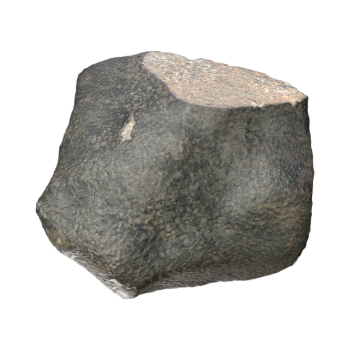
Stein meteorite
528 View

Stainless steel soup spoon
127 View



pencil sea urchin
132 View