Old British Fireworks Factory

Old British Fireworks Factory

A historic fireworks factory building located in the UK. This building is one of the iconic facilities of WellsFire, a company known for producing high-quality fireworks. The building itself has a unique industrial design style, reflecting the characteristics of industrial architecture from the late 19th century to the early 20th century. Its sturdy structure and spacious space provide an ideal environment for the production and testing of fireworks. It is part of the industrial heritage of the UK, witnessing the development and innovation of fireworks manufacturing techniques, while also carrying a memory of the region's industrial history.
Uzbekistan Palace Ruins

Uzbekistan Palace Ruins

Shahrizabuz, a historic city located in Uzbekistan, was the summer palace of Timur, the founder of the Timurid Empire. Built in the late 14th to early 15th century, it is one of the most magnificent buildings in Central Asia. Its design and decoration showcase the exquisite craftsmanship of architecture and art at that time. It was once the center of power for Timur and his successors, as well as a venue for grand celebrations and diplomatic events. Although the original building was destroyed by Russians in the 19th century, the site is still impressive, with a huge porch and remaining decorative elements that vaguely reflect the glory of that time. Not only is it a cultural heritage of Uzbekistan, but it is also a part of world history.
Mirza Riza khan Residence Gate in Tbilisi

Mirza Riza khan Residence Gate in Tbilisi

Mirza Riza khan's residence in Tbilisi is a historic building located in the city of Tbilisi, Georgia. He is an important figure in the history of Georgia. Built in the 19th century, it showcases the popular architectural style of that time. Featuring traditional Georgian elements. Zhai was once the residence of Mirza Riza khan, an important Persian diplomat and politician. Strengthening diplomatic relations between Persia and Georgia played a crucial role in the 19th century. This building may have witnessed important political discussions and cultural exchanges between Persia and Georgia.
Austrian Mausoleum

Austrian Mausoleum

RyeHarbour lifeboat station in the UK

RyeHarbour lifeboat station in the UK

A historic lifeboat station located in RyeHarbour, UK. Built in 1926, it is one of the most famous lifeboat stations in the UK. Renowned for its long history and heroic rescue operations. Built with bricks and stones, it has a typical seaside architectural style. Carrying the memories of many heroic life-saving actions. It is a professional lifeboat team base dedicated to rescuing trapped ships and distressed crew members. Respect and commemoration for the lifeboat team. It is an important symbol of British maritime security and a tribute to those who sacrificed heroically in rescue operations.
Baltimore Labor Opportunity Center, USA

Baltimore Labor Opportunity Center, USA

An educational project located in Baltimore, USA. The project aims to provide students in Baltimore with opportunities for on-site learning and community engagement. The goal is to collaborate with schools, communities, and business partners to provide students with diverse educational experiences, cultivate their leadership, environmental awareness, and community engagement abilities. This may include outdoor educational activities, environmental science courses, art and performing arts projects, and community service projects. Students can visit local parks, water bodies, farms, museums, and other places to experience natural and cultural resources firsthand. Create a meaningful and challenging learning environment for students.
Scenes around Lemu Church in Finland

Scenes around Lemu Church in Finland

Lemu Church and its surroundings are located in the Masku region of Finland and are a historic church. Built in the 15th century AD, it is one of the oldest wooden churches in Finland. Renowned for its unique architectural style and ancient cultural heritage. Constructed from wood and featuring traditional Finnish architectural style. The Masku area is surrounded by beautiful scenery and pleasant environment. There may be pleasant fields, lakes, and forests in the surrounding area, making it a favorite place for tourists and believers. As a part of Finnish culture and history, Lemu Church and its surrounding attractions are important windows into understanding traditional Finnish architecture and religious beliefs.
Kubyauk gyi Temple in Bagan, Myanmar

Kubyauk gyi Temple in Bagan, Myanmar

It is an important historical site located in the famous Bagan region of Myanmar. Built in the 10th century AD, it is a Buddhist temple. It is one of the well preserved ancient buildings in the Bagan region. Renowned for its exquisite murals. The murals inside the temple depict Buddhist stories and traditional patterns, with strong cultural and religious significance. Built with red bricks, it has a typical Burmese architectural style. There is a towering dome and delicate decorations that embody the unique charm of Burmese art. Despite experiencing the baptism of time and natural disasters, it remains an important destination for tourists and believers in the Bagan region.
Entrance to the Barbican Ironhouse in London, UK

Entrance to the Barbican Ironhouse in London, UK

The entrance to Aldersgate Street's Ironman Hall in the Barbican area of London is an important gateway to this famous cultural complex. Located in the heart of the City of London, it was designed by Chamberlin, Powell, and Bon Architects and is an outstanding representative of post-war modernist architecture. As part of the Barbican Center, it embodies the unique architectural style of the region, known as the 'Brutalist' style, characterized by exposed concrete surfaces and bold geometric shapes.
Howard Peter Rollins College of Music, USA

Howard Peter Rollins College of Music, USA

Located in Baltimore, Maryland, USA, it is an art institution that combines educational and exhibition functions. Known for its rich music curriculum and artistic activities, it provides comprehensive training from basic music education to professional performing arts. Committed to cultivating musicians and artists, promoting the development of local art and culture, and providing diverse cultural experiences for the community. By organizing various concerts, workshops, and lectures, it has become an important part of Baltimore's cultural life, providing a platform for citizens and tourists to appreciate and learn about the arts. The building itself is also a work of art, with its unique design style and historical value.
The guardhouse next to the ruins of the Castle of Cutesto in England
The guardhouse next to the ruins of the Castle of Cutesto in England

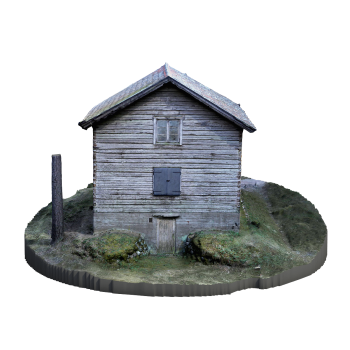
Ancient barn in Finland
Ancient barn in Finland

This ancient barn located in Paimio, Finland was built in 1832 and has significant historical and cultural value. Just a facility for storing grains, it also provides a unique social service: in years of low harvest, people can borrow grains here to ensure they can get through difficult times. It reflects the spirit of mutual assistance and the emphasis on agricultural stability in the society at that time. Over time, although its actual function may have changed, it remains a part of the history of the Paimio region, attracting tourists interested in historical architecture and Finnish cultural heritage.
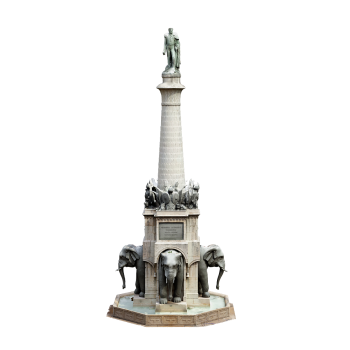
Elephant Fountain in Chambery, France
Elephant Fountain in Chambery, France

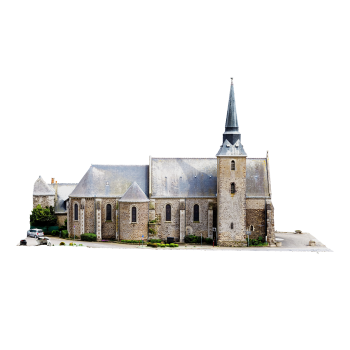
This elephant fountain is a famous landmark in the city of Chambery, France, known for its unique design and historical significance. Standing 18 meters tall and supported by four exquisitely carved elephants, it was first built in 1838 in honor of French general Debussy. Cleverly integrating fountains, monuments, and sculptural art. The fountain is not only a symbol of Chambery, but also one of the must visit attractions for tourists, with its unique design reminiscent of ancient Indian stamps. Located in the city center, it is an important part of the city's history and culture, attracting tourists from all over the world to visit and take photos.
Ruaudin Church in France

Ruaudin Church in France

Located in the Ruaudin region of France, it is a historically significant church. Not only does it attract tourists with its long history, but it has also become a cultural symbol of the local area with its unique architectural style and artistic value. Built during the Middle Ages or Renaissance, it witnessed the rich religious traditions and architectural evolution of the region. Architectural features may include intricate carvings, stained glass windows, and traditional bell towers, which together create a solemn and dignified atmosphere. As a religious and cultural center, it provides a place for local residents to engage in religious activities and community gatherings.
Chateau Bonomandies, France

Chateau Bonomandies, France

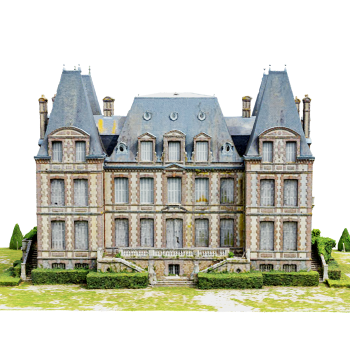
A castle located in Normandy, France, with rich historical and cultural heritage. This castle is surrounded by beautiful natural scenery, providing a peaceful and charming environment. It can be traced back centuries and witnessed the historical changes in the Normandy region. The architectural style is elegant and the interior decoration is gorgeous, reflecting the lifestyle and social status of French nobility. Experience the charm of French history. Not only is it a tourist attraction, but it is also a part of the local community, harmoniously coexisting with the surrounding natural environment, providing visitors with a window to learn about French history and culture.
South Yorkshire Glass Factory, England

South Yorkshire Glass Factory, England

The village of Catcliffe, located in South Yorkshire, England, is the oldest surviving structure of this kind in Western Europe. This glass cone-shaped building can be traced back to the mid-18th century and was built around 1740. It represents an important relic of the early glass manufacturing industry and witnesses the development of glass production technology and industrialization process. The structure is unique, with a carved sandstone base at the bottom and a brick and stone structure at the top. This huge glass cone-shaped building was used for annealing in the glass production process at that time, which allowed the melted glass to slowly cool to avoid internal stress causing cracking.
Residential housing in Baltimore, Maryland, United States

Residential housing in Baltimore, Maryland, United States

Masculemu Church Bell Tower, Finland

Masculemu Church Bell Tower, Finland

The bell tower of Lemu Church in Mascu, Finland is a prominent architectural feature of the church. It is a beautiful example of Finnish rural church architecture, and the bell tower is an integral part of its overall design. Not only does it serve as a symbol of the church's presence in the community, but it is also a historical landmark of the area. The design is traditional and complements the structure of the church, with its simple and elegant lines making it a focal point of attention. Usually constructed from wood, which is a commonly used material in Finnish architecture, giving the bell tower a sturdy and timeless appearance. It embodies the spirit of Finnish religious architecture and the deep connection between the community and its place of prayer.
Abandoned Tramway Company in Baltimore, USA

Abandoned Tramway Company in Baltimore, USA

A major public transportation operator in the history of Baltimore, Maryland, United States. Established in the late 19th century, responsible for operating the tram system within the city, providing transportation services for Baltimore residents and tourists. At the beginning of the 20th century, it reached its peak with a large fleet and a wide network of routes. However, with the popularity of cars and other modes of transportation, trams gradually lost their dominant position. By the mid-20th century, it was gradually replaced by buses and subways, and finally ceased operation in 1963. Although the tram service is no longer available, its historical legacy can still be found in some parts of Baltimore city
Abandoned rural houses

Abandoned rural houses

Left dome of Samarkand Mosque in Uzbekistan
Left dome of Samarkand Mosque in Uzbekistan

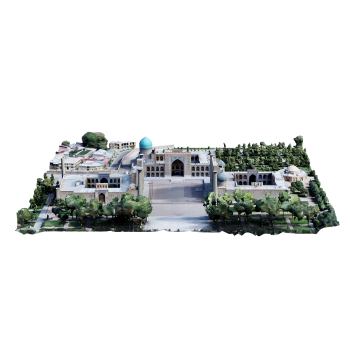
The Bibihanum Mosque located in Samarkand, Uzbekistan is a magnificent building with a history of about 600 years, and its left dome is one of the prominent features of the mosque. This mosque was ordered to be built by the ruler of the Timurid Empire, Timur, with funding coming from his conquests of India. The left dome of the mosque reaches a height of 40 meters and is an outstanding representative of medieval Muslim architecture. Its design and decorative details showcase the architectural technology and artistic level of the time. This mosque is not only a place for religious activities, but also a symbol of the history and culture of Samarkand city.
Samarkand city center, Uzbekistan

Samarkand city center, Uzbekistan

Located in the center of Samarkand, Uzbekistan, it is one of the most famous landmarks in Central Asia, renowned for its rich history and architectural beauty. This magnificent square was once the commercial center of medieval Samarkand, surrounded by ornate Islamic schools. The most notable buildings include Ulugbek Theological Seminary, Hill Corey Theological Seminary, and Registan Theological Seminary. The architecture is renowned for its exquisite blue tiles, ceramic mosaics, and massive domes, showcasing the glory of Samarkand as an important city on the Silk Road. It remains one of the most important tourist attractions in Uzbekistan to this day.
Ruins of the Church of Ascension in Ukraine

Ruins of the Church of Ascension in Ukraine

The Ascension Church located in Ukraine is one of the many religious sites that were destroyed during Russia's invasion of Ukraine in 2023. This conflict has led to extensive destruction of cultural heritage, including 113 churches destroyed by Russian artillery fire, as reported by Ukrainian President Zelensky. These churches are not only symbols of faith, but also an important part of Ukrainian culture and history. War crimes recognized by international law, as religious sites should be protected and should not be targeted for attack. The faith of the Ukrainian people has not been destroyed, and they have demonstrated a spirit of resilience and unity.
The ancient tower in downtown Baltimore, USA

The ancient tower in downtown Baltimore, USA

A historic building located in the center of Baltimore, Maryland, USA, has been a part of the city skyline since 1911. Originally built by Emerson Pharmaceuticals as the factory for its BromoSeltzer headache medicine, the tower's design was inspired by the old palace in Florence. Standing at 15 floors, it was once the tallest building in Baltimore city. The clock in the tower was once one of the largest gravity clocks in the world, with four huge dials. This tower is not only a cultural symbol of Baltimore, but also an important venue for urban innovation and artistic activities.
Enoch Pratt Library Clifton Branch, United States

Enoch Pratt Library Clifton Branch, United States

A branch of a library located in Baltimore, Maryland, United States. This library is part of the Enoch Pratt Free Library System, founded by philanthropist Enoch Pratt in 1882. He believed that books had the potential to enhance individuals and society, and donated land and funds to establish the library. Provided extensive services and resources to the local community. Not only does it collect various books, magazines, and multimedia materials, but it also provides free public activities, educational courses, and cultural activities aimed at meeting the learning, entertainment, and cultural needs of community members.
Ancient castles in the Eure department of France

Ancient castles in the Eure department of France

Located in the village of Rueil la Gadeli รจ re in the Eure department of France, it is a historic castle with origins dating back to the Middle Ages. During the Hundred Years' War, it played an important role in protecting local villages. Not only is it a military defense fortification, but it is also a symbol of the historical and cultural heritage of the region. The architectural style typically reflects the characteristics of medieval military architecture, such as sturdy stone walls, towers, and moats. Over time, it may have undergone multiple renovations and refurbishments, but its core structure and historical features have been preserved. You can appreciate its unique architectural aesthetics and feel the sedimentation of history.
Kaunas, the cultural capital of Europe

Kaunas, the cultural capital of Europe

Kaunas was named the European Capital of Culture in 2022 in recognition of the city's rich cultural heritage and contemporary cultural vitality. Kaunas, as the second largest city in Lithuania, is renowned for its unique historical architecture, artistic atmosphere, and innovative spirit. Kaunas and its surrounding areas have transformed into a stage full of creative and multicultural activities, hosting a series of festivals, exhibitions, concerts, and performances aimed at creating and spreading joy, attracting widespread participation from local residents and international tourists. It also strengthened its connections with other cities in Europe, jointly celebrating Europe's cultural heritage and identity.
Clifton Lake Valve House, USA

Clifton Lake Valve House, USA

It is a historic building located in Clifton Park, Baltimore, Maryland, United States. This building was built between 1887 and 1888 and is a Gothic Revival style stone building with a tiled roof. Its design and construction reflect the architectural features of the late 19th century. Originally built to accommodate local water supply facilities, it is related to Clifton Lake, which was once an important reservoir in Baltimore City. Over time, the lake was drained and filled in 1968, but the Valve House was preserved as a historical site. It is also a part of Baltimore's historical and cultural heritage.
Victorian style architecture in Baltimore, USA

Victorian style architecture in Baltimore, USA

It is a historic Victorian style building located in the FellsPoint community of Baltimore, Maryland, USA. Built between 1890 and 1901, it has a history of over 120 years and has been used as a commercial building ever since. This building is renowned for its unique architectural style and historical value, and is one of the many well preserved late 19th to early 20th century buildings in the FellsPoint area. Known for its cobblestone streets and historic row houses, it is one of the oldest communities in Baltimore.
The ancient castle of Lleida, Spain

The ancient castle of Lleida, Spain

A historic castle located in the province of Lleida, Catalonia, Spain. Originally built in the 12th century, it has undergone changes during the Gothic and Renaissance periods, witnessing the rise and fall of multiple noble families. Located in a strategic location, overlooking the surrounding countryside and plains. The architectural style of the castle combines Gothic and Renaissance elements, showcasing the architectural features of different historical periods. The main structure includes defensive walls, towers, and internal courtyards, which have been preserved and restored to varying degrees over the course of history. Not only is it an important historical site, but it is also a valuable resource for local culture and tourism.
Essex County Abbey Historical Sites, UK

Essex County Abbey Historical Sites, UK

A historical site located in Waltham Abbey, Essex, England, is a stone passage with late 12th century features and an arched ceiling. It was once part of a larger monastery complex, but now only has corridors in some monasteries. Tracing back over 1000 years, it was an important religious site in East Anglia, England. It has undergone multiple renovations and renovations, but most of the buildings no longer exist. This stone entrance, as part of the monastery, carries rich historical and cultural value, providing visitors with a window into medieval monastery life.
Residential houses in Bergamo, Italy

Residential houses in Bergamo, Italy

Religious Church in Bergamo, Italy

Religious Church in Bergamo, Italy

Located in the province of Bergamo in Italy, Bergamo is a church with historical and religious significance. This church is renowned for its magnificent architecture and rich art collection, and is one of the important tourist attractions in the local area. Built in the 16th century, this church bears witness to the rich religious history and cultural traditions of the Bergamo region. Its architectural style reflects the artistic characteristics of the Renaissance period, with a solemn and elegant appearance, exquisite interior decoration, and a religious and artistic atmosphere. As a cultural landmark of Bergamo city, this church attracts numerous tourists and pilgrims to visit, experience and appreciate its religious spirit and historical value.
Japan's Zen'in Yamamon

Japan's Zen'in Yamamon

The Zen'in Yamaguchi is a landmark building of the Zen'in Temple located in Kyoto, Japan, and is also the largest temple gate in Japan. Built in 1621, with a height of 24 meters and a width of 50 meters, its magnificent scale and unique architectural style have made it an important symbol of Japanese Buddhist architecture. The design adopts a double eaved gable roof covered with traditional black tiles, reflecting the delicacy and solemnity of Japanese architecture. The Three Gates symbolize the three Buddhist doctrines of emptiness, formlessness, and unwillingness, also known as the "Three Liberation Gates", meaning that spiritual liberation can be achieved through these gates.
Mali Yangbo Railway Station

Mali Yangbo Railway Station

Mariyangpolje Railway Station is an Art Deco style railway station in Lithuania, designed by architect Edmundas Frykas, and is one of the most magnificent buildings of its kind in the country. Located in the city of Marijampolje, it is the seventh largest city on the eastern western border of Lithuania. Having irregular shapes and typical asymmetric compositions, this reflects the characteristics of the decorative arts movement. Not only is it an important transportation hub, but it is also a part of the cultural and architectural heritage of the region. It is appreciated by tourists and locals for its unique design and historical value.