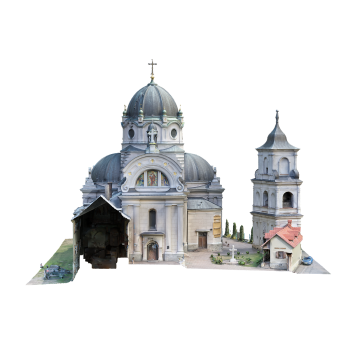
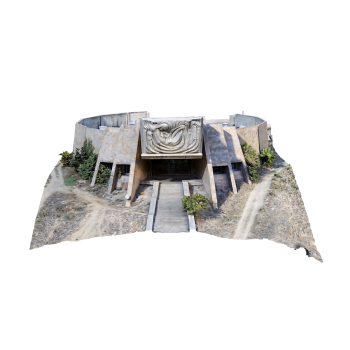
Jedenspeigen Ancient Castle, Austria

Jedenspeigen Ancient Castle, Austria

Jedenspeigen Castle is an ancient castle located in the Lower Austria region of Austria, approximately 60 kilometers from the capital city of Vienna. Built in the 13th century, it was initially constructed to protect nearby villages. Over time, it gradually became a palace style building that used to be the residence and military fortress of noble families. The architectural style combines medieval, Renaissance, and Baroque styles, showcasing the unique charm and artistic features of multiple historical periods. Nowadays, it has become a popular tourist attraction, attracting visitors from all over the world to learn about its rich historical and cultural background.
Estonia Sare Windmill

Estonia Sare Windmill

Saare Windmill is a historic and uniquely styled windmill located on Saare Island in Estonia, and is one of the important landmarks in the region. Built in the 19th century, it is one of the representatives of traditional windmills in Estonia. It is built from wood and stone, with a typical windmill shape and structure. Windmill blades rotate with the wind to grind grains or provide mechanical power. It is also a cultural and historical heritage of the region. Witnessing the development and lifestyle of agricultural society in the past, it is also an important heritage of traditional technology and craftsmanship for people.
The Church of the Sacred Heart in Chovka, Ukraine

The Church of the Sacred Heart in Chovka, Ukraine

The Church of the Sacred Heart in Zhovkova is an important church located in Ukraine, renowned for its beautiful architecture and religious significance. Built in the early 20th century. It is a typical Neo Romanesque building that showcases exquisite architectural skills and design. The appearance of the church is solemn and magnificent, with towering spires and exquisite decorations, attracting tourists from Ukraine and around the world. The interior is equally stunning, decorated with gorgeous murals and stained glass windows. These artworks showcase the essence of Ukrainian religious art and important themes of Christian faith. It is the center of local beliefs and religious activities, holding many ceremonies and celebrations every year.
Multi person residential apartment houses

Multi person residential apartment houses

St. Lawrence Church in Chovka, Ukraine
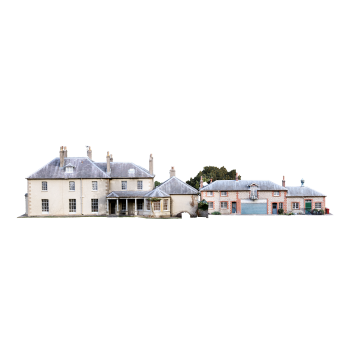
St. Lawrence Church in Chovka, Ukraine

The St. Lawrence Church in Zhovkova is a historic and important church located in Ukraine, renowned for its unique architecture and religious significance. Built in the 17th century, it is one of the masterpieces of Ukrainian Baroque style. Located in the center of Jovka city, it is one of the most important religious and cultural heritages in the region. The architectural style combines elements of Baroque and Renaissance styles, showcasing exquisite architectural skills and artistic expression. Its exterior decoration is magnificent and exquisite, while its interior is decorated with exquisite murals and sculptures, showcasing the unique features of traditional Ukrainian art. It is an important place for local beliefs and religious activities.
Residential houses in West Sussex, UK
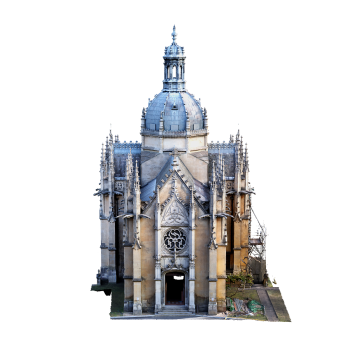
Residential houses in West Sussex, UK

Monastery ruins

Monastery ruins

Jingfu Palace, Taoyuan, Taiwan

Jingfu Palace, Taoyuan, Taiwan

Taoyuan Jingfu Temple is an ancient and important temple located in Taoyuan City, Taiwan, known for its magnificent architecture and rich cultural heritage. It can be traced back to the 17th century and is one of the oldest temples in the Taoyuan area. It was built to commemorate Guan Sheng Di Jun and other deities, and is an important place for faith and religious activities. The architectural style is unique, blending traditional elements of Southeast Asia and China. The gate is carved with magnificent dragon patterns and flowers, and the interior decoration is exquisite, showcasing the exquisite skills of traditional craftsmanship and art. The grand temple fair held in the first lunar month every year allows people to enjoy unforgettable festivals and folk performances.
Masjid at the terminal of Isparta, Türkiye

Masjid at the terminal of Isparta, Türkiye

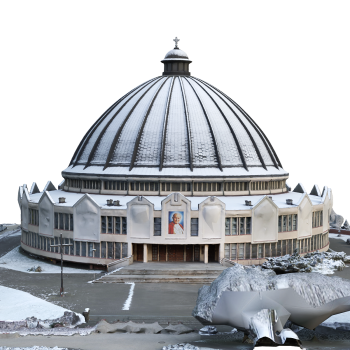
Isparta Terminal Cami is a mosque located in Türkiye, which is famous for its unique architectural style and cultural value. Built in the 20th century, it is located near the main transportation hub of Isparta city. It is a modern mosque praised for its spectacular appearance and exquisite interior decoration. The architectural style combines the traditional and modern elements of Türkiye, showing the uniqueness of local architecture. The dome and spire are one of its iconic features, attracting the attention of numerous tourists and believers. It is the center of local beliefs and religious activities.
Grove Garden Chapel, UK

Grove Garden Chapel, UK

Grove Gardens Chapel is a historic church located in the United Kingdom. Built in the 19th century, it is a beautiful Victorian style building. Located in a peaceful garden, surrounded by green trees and flowers. The architectural style of this church is elegant and the structure is exquisite, showcasing the architectural art and design of the time. It is an important religious venue that provides a place for local communities to practice faith and religious activities. It is also a venue for weddings, baptisms, and other solemn ceremonies. It is an important component of British cultural heritage and a symbol of protecting and inheriting religious history.
Ninase Windmill in Estonia

Ninase Windmill in Estonia

The Ninase windmill is located in Estonia and is a historic windmill in the region. Built in the 18th century, it is a traditional rear windmill. Built with wood and limestone, it showcases the craftsmanship and characteristics of traditional architecture. Featuring a unique design, the body can rotate around a vertical axis to adjust the position of the windmill according to the wind direction. Featuring a unique design, the body can rotate around a vertical axis to adjust the position of the windmill according to the wind direction. Use wind power to drive grinding stones to grind grains into flour. It is a witness to the agricultural history of Estonia.
Mustajala Windmill in Estonia

Mustajala Windmill in Estonia

Mustjala Windmill is located in Estonia and is a historic windmill in the region. Built in 1899, it is one of the last primitive windmills in Estonia. This windmill is an important cultural heritage that attracts many tourists to visit. Wooden structure with four wings, used to grind flour and grains using wind power. The unique design and craftsmanship showcase past agricultural techniques and rural lifestyles. The area is very beautiful, surrounded by peaceful fields and natural landscapes. Tourists can enjoy the spectacular scenery of windmills, feel the tranquility of rural life and the charm of traditional agriculture.
Finnish Tuberculosis Sanatorium

Finnish Tuberculosis Sanatorium

An important building located in Finland and one of the masterpieces of modernist architecture. Built in 1929, designed by Finnish architect Alvar Aalto. It is built for the treatment of tuberculosis patients and is regarded as a model of modern medical architecture. It showcases Aalto's unique design style and innovative ideas. The building structure is simple yet fully functional. A large number of glass walls and balconies are used to allow natural light to fully enter the room, providing patients with a warm and comfortable environment. The layout and furniture design inside the building take into account the comfort and treatment needs of patients. The exterior walls are painted in typical white and red colors.
Miikse Church in Estonia

Miikse Church in Estonia

Miikse Church (Miiksekirik) is an important church in Estonia. It is one of the most important religious buildings in the region. Built in the 13th century, it is a unique Gothic architecture. Known for its exquisite architectural style and unique spires. The sculptures and paintings outside the church showcase the exquisite craftsmanship and details of Gothic architecture. It is a part of Estonian history and culture. It plays an important role in faith and religious rituals, and attracts a large number of believers and tourists. The church has a prayer hall, altar, and murals inside, showcasing Estonia's religious art and cultural heritage.
St. Theresa's Church on Mauritius Island

St. Theresa's Church on Mauritius Island

The Church SteTherese is located on the island of Mauritius and is an important Catholic church. In memory of Saint Therese, it is one of the most important religious buildings in the region. Built in the 19th century, it is a beautiful Gothic architecture. Featuring spectacular spires, pointed arches, and magnificent sculptures, it showcases the characteristics and delicacy of Gothic architecture. Not only is it a place of faith, but it is also an important gathering center for the community. The church holds various religious ceremonies and activities, attracting the participation of many believers and tourists. It is the religious and cultural pillar of the local residents, providing a peaceful and tranquil place for people.
Roman Tomb Temples

Roman Tomb Temples

The Grutenh ä uschen, a Roman burial temple, is an important archaeological site located in Germany. It is a burial temple from the ancient Roman period, known as one of the most important Roman ruins in the region. Built in the 1st century AD, it is a unique Romanesque architecture. It is constructed from stones and bricks, presenting an ancient and magnificent appearance. The design blends the local architectural styles of Rome and Germany, showcasing the unique cultural and artistic characteristics of the Roman Empire. Built in memory of the deceased Roman residents. It played an important role in ancient Roman society as a place for residents to worship and mourn the deceased.
St. Demetrius Church of Romania

St. Demetrius Church of Romania

The Church of Saint Martyr Demetrius is an important Orthodox church located in Romania. This church is dedicated to Saint Demetrius, a revered saint in Christian history. Built in the 19th century, it is known for its unique architecture and decoration. It showcases the style and characteristics of Romanian Orthodox architecture, combining Baroque and Neo Byzantine elements. Not only is it a religious site, but it is also an important center for the local community. It holds various religious ceremonies and activities, attracting the participation of many believers and tourists. The interior of the church showcases the religious art and cultural heritage of Eastern Orthodoxy.
Chinesischer Turm

Chinesischer Turm

Chinese pagodas are a unique form of ancient Chinese architecture. It is a multi story tower building typically constructed from brick, wood, or stone materials. As an important component of Buddhist temples, it is often used to store Buddhist scriptures and Buddha statues. It has a long history and rich cultural connotations. They originated from Buddhist pagodas in ancient India and have developed a unique style and characteristics through improvements and innovations in China. The design of the pagoda reflects the aesthetic concepts of traditional Chinese architecture, integrating Buddhist teachings and Taoist beliefs. Very delicate in both structure and decoration. They typically have multiple levels of stairs and ascending roofs, forming a unique appearance.
Liverpool Street Station South Entrance, London, UK

Liverpool Street Station South Entrance, London, UK

The south entrance of Liverpool Street Station is a famous train station located in London, UK. As one of the busiest and most important transportation hubs in London, the south entrance of Liverpool Street Station is one of the main entrances to the station. Built in the late 19th century, it is renowned for its exquisite architecture and unique design. The architectural style at the entrance blends elements of Victorian classicism and Gothic, presenting a majestic and elegant atmosphere. Not only is it a passage for passengers to enter the train station, but it is also an iconic landmark in central London. The advantageous geographical location, close to the City of London and many famous attractions, has attracted a large number of tourists and commuters.
St. Alexander Nevsky Orthodox Church in Estonia

St. Alexander Nevsky Orthodox Church in Estonia

The St. Alexander Nevsky Orthodox Church is an important church located in Estonia. Built in the late 19th century, this Orthodox church is renowned for its spectacular architecture and Russian style decorations. It is a typical Eastern Orthodox building with a typical Russian style. The architectural design integrates traditional elements of Byzantium and Russia, showcasing grand domes, intricate murals, and gorgeous decorations. It is both a religious site and a cultural landmark in the region. Attracted numerous tourists and believers, providing a peaceful place to visit and pray. Tourists inside the church can experience the religious atmosphere and cultural charm of Eastern Orthodoxy.
Ruins of the Eastern Orthodox Church in Juuru, Estonia

Ruins of the Eastern Orthodox Church in Juuru, Estonia

The ruins of the Juwulu Orthodox Church are located in the small village of Juwulu in Estonia. This historical site is the site of an Eastern Orthodox church, which was once an important religious and cultural center in the region. Built in the late 19th century, it was an important place of worship for the Eastern Orthodox Christian community in the region. This church is renowned for its unique architectural style, combining traditional Russian Orthodox design with elements of local Estonian style. Unfortunately, this church suffered severe damage during World War II and became ruins. Today, only remnants of the walls and fragments of some decorative elements can be seen.
Rakvere Castle, Estonia

Rakvere Castle, Estonia

Lakverei Castle is a historic castle located in Estonia. It is located in the city of Rakvere in northern Estonia and is one of the most important medieval buildings in the country. Built in the 14th century, it was initially constructed as a defensive fortress. It is situated on a small hill, surrounded by magnificent city walls and moats. The design of the castle reflects the military architectural style of the Middle Ages, including sturdy stone walls, fortresses, and defense towers. It has been occupied and rebuilt by rulers of different powers multiple times in history. It was once an important military base for the Kingdom of Sweden and the United Kingdom of Denmark and Norway. Nowadays, it is open to the public as a museum and tourist attraction.
Ch â teau de Chambord, France

Ch â teau de Chambord, France

Ch â teau de Chambord is located in the Loire Valley of France and is a magnificent and spectacular Renaissance building. This castle is the luxurious residence of King Francis I of France and one of the largest castles in France. Built in the 16th century, it adopts the Italian Renaissance style and combines the architectural characteristics of France. The castle's exterior presents a magnificent symmetrical design with complex and intricate details, including sculptures, murals, and Tuscan colonnades. The center of the castle is a grand double layered courtyard, characterized by its unique dome roof and elegant staircase tower.
Kiiu Tower, Estonia

Kiiu Tower, Estonia

Kiiu Tower is a historical tower in Estonia, located in the village of Kiiu in Taru County. Built in the 15th century, it is a medieval defensive tower. It is a circular brick building, about 30 meters high, with multiple floors and an observation deck. The architectural style of the tower combines elements of Gothic and Renaissance styles. It is a military defense tower used to protect local nobles and residents. Over time, it gradually transformed into a residential and tourist attraction. The interior of the tower preserves some historical relics and exhibits, showcasing medieval life and history.
Porcuni Estate, Estonia

Porcuni Estate, Estonia

Porkuni Manor is a historical building located in Porkuni Village, Parnu County, Estonia. Built in the 16th century, it was originally a medieval castle located in northern Estonia. Later, it was converted into a manor and became a place with agricultural and farm functions. The architectural style of the estate combines elements of Baroque and Classical, while retaining the characteristics of a medieval castle. It used to be the residence of a local landlord and also the social and cultural center of the surrounding area. Over the past few centuries, it has undergone multiple reconstructions and repairs, gradually expanding its architecture and gardens.
La Chapelle Marival Castle, France

La Chapelle Marival Castle, France

A castle located in the town of Lacapelle Marival in the Lot department of France. Built in the 12th century, it was a fortress during the medieval period. The architectural style combines military and residential functions from the feudal era. This castle was once the residence of the Count and also the political and military center of the region. It has a long history and has experienced multiple wars and reconstructions. Its architectural style is mainly medieval fortress style, with thick city walls, spires, and fortress defense facilities. Inside the castle, there are some ancient palaces, banquet halls, religious halls, and courtyards preserved. It has become a historical relic and tourist attraction.
Kokura Castle, Japan

Kokura Castle, Japan

A castle located in Kitakyushu City, Fukuoka Prefecture, Japan. Built in 1602, it was constructed by the famous Japanese warlord Motonari Mori during the Warring States period. This castle was originally built to strengthen the control of the Maori family in the Kyushu region. It is located by the river in the city center, surrounded by a wide moat and beautiful gardens. The architectural style combines the characteristics of traditional Japanese samurai castles and culture. It adopts a unique design of black exterior walls and golden roof, giving people a sense of solemnity and majesty. The castle has multiple floors and rooms inside, including a museum showcasing local history and culture.
Tbilisi Abandoned Archaeological Museum

Tbilisi Abandoned Archaeological Museum

An abandoned archaeological museum located in Tbilisi, the capital of Georgia. Built in the 20th century, it aims to showcase Georgia's rich archaeological heritage and cultural history. However, due to a series of unfortunate events and economic difficulties, the museum was abandoned after a period of time. But it still retains some historical relics and exhibits, but due to a lack of maintenance and management, it has gradually become abandoned and damaged. The buildings of the museum may have experienced aging, collapse, and damage. Still attracting some explorers and explorers to come and explore. This abandoned museum gives people a sense of mystery and ruins.
Ogrodzieniec Castle Ruins in Poland

Ogrodzieniec Castle Ruins in Poland

A castle ruins located in Poland, which was once used as a source of filming and inspiration in the TV series and game 'The Witcher'. Built in the 14th century, it is located in the Yaminov Mountains in southern Poland. It is a castle with a long history and unique architectural style. However, in a fire in the 17th century, the castle suffered severe damage, leaving only remnants of ruins to this day. But it still retains some magnificent parts, such as the tower of the castle, the city walls, and various rooms in the ruins. These remaining parts still showcase the grandeur and glory of the castle at that time. Attracting numerous tourists to come and visit.
Factory cement wall silo

Factory cement wall silo

Matterhorn Peak in Switzerland

Matterhorn Peak in Switzerland

Mount Matterhorn, also known as Cervinia, is a famous mountain peak located in Switzerland. It is a part of the Alps, located between the border of Switzerland and Italy. Renowned for its unique shape and magnificent scenery. It presents four steep slopes, resembling a sharp conical angle, and is widely regarded as one of the most beautiful peaks in the world. With an altitude of 4478 meters (14692 feet), it is one of the most famous peaks in the Alps. Attracted numerous hiking enthusiasts and explorers to come and challenge. Tourists can take the cable car or hike to enjoy the magnificent mountain scenery.
Stanis ł aw Kostka Church in Povodsk, Poland

Stanis ł aw Kostka Church in Povodsk, Poland

A church located in Povodsk, Poland, is one of the main religious buildings in the city. It was built to commemorate the Polish saint Stanis ł aw Kostka. It was built in the early 20th century in the Neo Gothic style, showcasing exquisite architecture and decoration. The facade is decorated with sculptures, stained glass windows, and spires, showcasing the characteristics of Gothic architecture. The interior design is exquisite, featuring murals, sculptures, and an altar, creating a solemn and peaceful atmosphere. It is an important religious site that attracts believers and tourists. The church holds religious ceremonies, masses, and other religious activities.
Duke of Povodsk Castle, Poland

Duke of Povodsk Castle, Poland
A historic building located in Povodsk, Poland, also known as the Duke of Povodsk Castle. The castle was built in the 12th century and was the residence of the rulers of the Mazovian Principality at that time. It is a typical medieval fortress building that once played important defensive and administrative functions. Composed of multiple buildings, including main palaces, towers, city walls, and inner courtyards. It has been destroyed and rebuilt multiple times in history, and has undergone many processes of reconstruction and expansion. It witnessed important moments in Polish history, including the rule of the Mariinsky family and the period of the Polish Constitutional Kingdom. Now used as a museum, it showcases the history and culture of the region.
Polish Prwotsk Religious Church

Polish Prwotsk Religious Church

A church located in Povodsk, Poland, is one of the most important religious buildings in the city. It was built to commemorate the Polish saint and King and Queen St. Henrietta. Built in the 1930s, it adopts modern Gothic style and combines traditional and modern architectural elements. The facade is decorated with sculptures and stained glass windows, showcasing exquisite artistic and religious imagery. The interior design is simple yet solemn, with beautiful murals, sculptures, and altars inside the church. The roof of the church has spires and bell towers, providing a spectacular cityscape. It is an important religious and cultural center that attracts believers and tourists.
Bordeaux City Gate, France

Bordeaux City Gate, France

A historic building in Bordeaux, France, and one of the city's most famous gates. Built in 1494 to celebrate the arrival of King Charles VIII of France. It is a defensive city gate and also a watchtower. Architecture is renowned for its spectacular Renaissance style, attracting the attention of tourists with its huge porch and gorgeous decorations. The door is carved with a statue of King Charles VIII and other decorative elements, showcasing the luxury and power of the time. The name comes from a castle located near Bordeaux, which was once used as a prison. This city gate was once one of the important entrances to Bordeaux city.