Ancient castles in the Eure department of France

Ancient castles in the Eure department of France

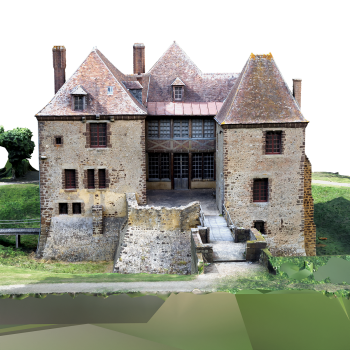
Located in the village of Rueil la Gadeli è re in the Eure department of France, it is a historic castle with origins dating back to the Middle Ages. During the Hundred Years' War, it played an important role in protecting local villages. Not only is it a military defense fortification, but it is also a symbol of the historical and cultural heritage of the region. The architectural style typically reflects the characteristics of medieval military architecture, such as sturdy stone walls, towers, and moats. Over time, it may have undergone multiple renovations and refurbishments, but its core structure and historical features have been preserved. You can appreciate its unique architectural aesthetics and feel the sedimentation of history.
Kaunas, the cultural capital of Europe

Kaunas, the cultural capital of Europe

Kaunas was named the European Capital of Culture in 2022 in recognition of the city's rich cultural heritage and contemporary cultural vitality. Kaunas, as the second largest city in Lithuania, is renowned for its unique historical architecture, artistic atmosphere, and innovative spirit. Kaunas and its surrounding areas have transformed into a stage full of creative and multicultural activities, hosting a series of festivals, exhibitions, concerts, and performances aimed at creating and spreading joy, attracting widespread participation from local residents and international tourists. It also strengthened its connections with other cities in Europe, jointly celebrating Europe's cultural heritage and identity.
Clifton Lake Valve House, USA

Clifton Lake Valve House, USA

It is a historic building located in Clifton Park, Baltimore, Maryland, United States. This building was built between 1887 and 1888 and is a Gothic Revival style stone building with a tiled roof. Its design and construction reflect the architectural features of the late 19th century. Originally built to accommodate local water supply facilities, it is related to Clifton Lake, which was once an important reservoir in Baltimore City. Over time, the lake was drained and filled in 1968, but the Valve House was preserved as a historical site. It is also a part of Baltimore's historical and cultural heritage.
Victorian style architecture in Baltimore, USA

Victorian style architecture in Baltimore, USA

It is a historic Victorian style building located in the FellsPoint community of Baltimore, Maryland, USA. Built between 1890 and 1901, it has a history of over 120 years and has been used as a commercial building ever since. This building is renowned for its unique architectural style and historical value, and is one of the many well preserved late 19th to early 20th century buildings in the FellsPoint area. Known for its cobblestone streets and historic row houses, it is one of the oldest communities in Baltimore.
The ancient castle of Lleida, Spain

The ancient castle of Lleida, Spain

A historic castle located in the province of Lleida, Catalonia, Spain. Originally built in the 12th century, it has undergone changes during the Gothic and Renaissance periods, witnessing the rise and fall of multiple noble families. Located in a strategic location, overlooking the surrounding countryside and plains. The architectural style of the castle combines Gothic and Renaissance elements, showcasing the architectural features of different historical periods. The main structure includes defensive walls, towers, and internal courtyards, which have been preserved and restored to varying degrees over the course of history. Not only is it an important historical site, but it is also a valuable resource for local culture and tourism.
Essex County Abbey Historical Sites, UK

Essex County Abbey Historical Sites, UK

A historical site located in Waltham Abbey, Essex, England, is a stone passage with late 12th century features and an arched ceiling. It was once part of a larger monastery complex, but now only has corridors in some monasteries. Tracing back over 1000 years, it was an important religious site in East Anglia, England. It has undergone multiple renovations and renovations, but most of the buildings no longer exist. This stone entrance, as part of the monastery, carries rich historical and cultural value, providing visitors with a window into medieval monastery life.
Residential houses in Bergamo, Italy

Residential houses in Bergamo, Italy

Religious Church in Bergamo, Italy

Religious Church in Bergamo, Italy

Located in the province of Bergamo in Italy, Bergamo is a church with historical and religious significance. This church is renowned for its magnificent architecture and rich art collection, and is one of the important tourist attractions in the local area. Built in the 16th century, this church bears witness to the rich religious history and cultural traditions of the Bergamo region. Its architectural style reflects the artistic characteristics of the Renaissance period, with a solemn and elegant appearance, exquisite interior decoration, and a religious and artistic atmosphere. As a cultural landmark of Bergamo city, this church attracts numerous tourists and pilgrims to visit, experience and appreciate its religious spirit and historical value.
Japan's Zen'in Yamamon

Japan's Zen'in Yamamon

The Zen'in Yamaguchi is a landmark building of the Zen'in Temple located in Kyoto, Japan, and is also the largest temple gate in Japan. Built in 1621, with a height of 24 meters and a width of 50 meters, its magnificent scale and unique architectural style have made it an important symbol of Japanese Buddhist architecture. The design adopts a double eaved gable roof covered with traditional black tiles, reflecting the delicacy and solemnity of Japanese architecture. The Three Gates symbolize the three Buddhist doctrines of emptiness, formlessness, and unwillingness, also known as the "Three Liberation Gates", meaning that spiritual liberation can be achieved through these gates.
Mali Yangbo Railway Station

Mali Yangbo Railway Station

Mariyangpolje Railway Station is an Art Deco style railway station in Lithuania, designed by architect Edmundas Frykas, and is one of the most magnificent buildings of its kind in the country. Located in the city of Marijampolje, it is the seventh largest city on the eastern western border of Lithuania. Having irregular shapes and typical asymmetric compositions, this reflects the characteristics of the decorative arts movement. Not only is it an important transportation hub, but it is also a part of the cultural and architectural heritage of the region. It is appreciated by tourists and locals for its unique design and historical value.
Pomorinsky Castle, Ukraine

Pomorinsky Castle, Ukraine

It is a famous castle located in Pomoryan Village, Zvoliv District, Lviv Oblast, Ukraine. Built in the 16th century, it is one of the most famous castles in the Lviv and Galicia regions. Not only is it a national architectural monument in Ukraine, but it is also a witness to the rich history and legends of the region, attracting tourists from all over the world. Located on the picturesque banks of the Machinovka River, its Gothic and Renaissance architectural styles add a unique charm to this historic site. Although the castle is now in ruins, it remains an important tourist destination and historical symbol in Ukraine, showcasing the country's rich cultural heritage and architectural value.
Baltimore City Water Tower, USA

Baltimore City Water Tower, USA

The historic water tower located in Baltimore, Maryland, USA, was built in 1905 and provides 211000 gallons of water to residents in the neighboring community. Featuring an octagonal design and standing 148 feet tall. Not only is it a water supply facility, but it is also a landmark building in Baltimore. It witnessed the development of Baltimore city and the advancement of engineering technology. In 2012, through private fundraising and the efforts of legislators, the water tower received $1.5 million in stabilization and restoration funding. Not only does it protect this historical heritage, but it also enhances the environment and landscape of the community, becoming a part of Baltimore's cultural heritage.
Medieval Church in Groningen Province, Netherlands

Medieval Church in Groningen Province, Netherlands

A medieval church located in TenBoer, Groningen province, the Netherlands, is considered one of the most beautiful late Romanesque churches in the Staden Ommeland area. Originally a Romanesque cross shaped church, its independent bell tower can be traced back to the 13th century. Known for its historic architecture and unique Romanesque style, it has attracted many history and architecture enthusiasts to visit. It is not only a religious landmark, but also a symbol of local cultural heritage. Maintaining and protecting reflects the importance placed on the inheritance of history and culture. You can experience the charm of medieval architecture here and learn about the history and culture of the Dutch region
Abandoned old rural school

Abandoned old rural school

Charlton Auxiliary Pumping Station in London, UK

Charlton Auxiliary Pumping Station in London, UK

A World War II auxiliary pumping station located at the end of an L-shaped breakwater in Charlton, London. During the war, it played a crucial role in ensuring that the city's main infrastructure could continue to operate and maintain the stability of the water supply system in the event of enemy attacks. It was part of a series of defensive measures built at that time to cope with possible air raids and destruction. Usually built relatively discreetly to reduce the risk of being discovered and destroyed by the enemy during war. It had strategic significance and was an important component of the British civilian defense system at that time. They have significant value as historical relics.
Villa in Lombardy, Italy

Villa in Lombardy, Italy

Casatenovo, located in the Lombardy region of Italy, is a historical building with romantic and eclectic architectural styles. Designed by Antonio Tagliaferri and built between 1882 and 1885, its design inspiration comes from the architectural style of the 19th century, combining elements of Gothic and Renaissance to create a unique castle appearance. Not only renowned for its exquisite architectural structure, but also for the vast parks and typical Lombardy countryside scenery surrounding it. Not only is it a precious historical relic, but it is also an important cultural and architectural heritage of northern Italy
Spiral pile lighthouse in the United States
Spiral pile lighthouse in the United States

A historic lighthouse located in Baltimore, Maryland, USA. Built in 1856, it is the oldest existing spiral pile lighthouse in the Chesapeake Bay area. Originally built at the entrance of the Patapsco River in Chesapeake Bay, it was later relocated to its current location and became part of the Baltimore Maritime Museum. The design is unique, entirely made of iron and featuring a circular design, which is unparalleled among the spiral pile lighthouses in the Chesapeake Bay area. It is also one of the earliest lighthouses to use prefabricated components, which allows certain parts to be transported to the site and quickly assembled. It is an important symbol of American maritime history.
Rotating Mausoleum in Keseli, Türkiye

Rotating Mausoleum in Keseli, Türkiye

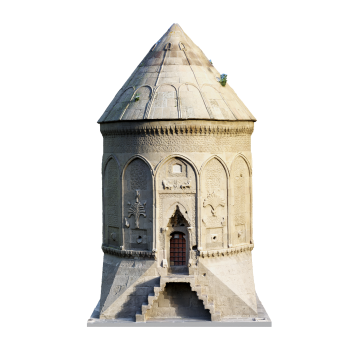
The rotating mausoleum (D ö nerK ü mbet) is a historical building located in Keseli, Türkiye. It was built in the late 13th century, initially for the princess SahCihan Hatun. Named after its unique design and legend. The architectural style is similar to the popular Seljuk art style at that time, and its structure adopts polygonal and circular design elements. Not only is it an important historical site, but it is also an important reference for studying the architecture and artistic style of the 13th century Seljuk period. Designs and legends reflect Türkiye's rich historical and cultural heritage.
Pompeii Mosaic Fountain

Pompeii Mosaic Fountain

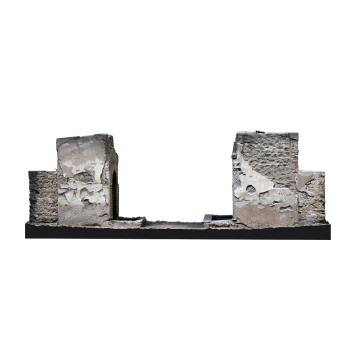
The mosaic fountain is an important cultural relic of the ancient city of Pompeii. Pompeii was a prosperous city during the Roman period, buried in the eruption of Mount Vesuvius in 79 AD, and became a city frozen by time. Discovered a beautiful mosaic fountain. This fountain is made of colored glass and stone mosaic, presenting a high level of art and craftsmanship. Design intricate and detailed decorations. It may depict themes such as mythological stories, natural elements, or banquet scenes. These mosaic patterns are meticulously pieced together using materials such as granite and marble, showcasing the artistic techniques and aesthetic views of ancient Rome.
Lisbon National Ancestral Hall, Portugal

Lisbon National Ancestral Hall, Portugal

Located in Lisbon, the capital of Portugal, it is a monument of significant historical and cultural significance. Originally served as the Church of Saint Gracia. Built in 1682, it was officially named the National Ancestral Hall in 1916. It is an outstanding representative of the Portuguese Baroque style, and its magnificent dome was not completed until 1966, making it one of the longest lasting architectural projects. The interior houses the most outstanding figures in Portuguese history, including renowned writers, politicians, military leaders, and serves as an important place to commemorate these national heroes. In addition to its historical and cultural value, it is also a landmark building visible in many tourist attractions within Lisbon city
Tornimai Church, Sarema Island, Estonia
Tornimai Church, Sarema Island, Estonia

Tornime Church is an Eastern Orthodox church located in Tornime Village, Sarema Island, Estonia. The full name of the church is the Church of Our Lady of Tornime, built in 1873. Known for its unique geographical location and architectural style in Eastern Orthodox churches. Not only is it the local religious center, but it is also one of the important historical and cultural heritages of Sarema Island. Naming Day falls on October 1st every year, and special religious activities and celebrations are held on this day. The architectural and decorative details reflect the characteristics of Eastern Orthodox church architecture in the late 19th century and are important examples for studying the history of religious architecture in the region.
Pompeii Ancient City Inlaid Fountain

Pompeii Ancient City Inlaid Fountain

The inlaid fountain is an important attraction in the ancient city of Pompeii. Pompeii was an important city during the ancient Roman period, buried by the eruption of Mount Vesuvius in 79 AD. The inlaid fountain is one of the highlights of the building. It is a type of fountain decorated with mosaic, known for its exquisite patterns and details. Multiple colors and shapes of mosaics are used to create magnificent patterns and decorations. It showcases the exquisite craftsmanship and artistic creativity of ancient Rome. It is a precious heritage of ancient Roman art, attracting the attention of many tourists and art enthusiasts.
The dilapidated memorial archway of Chinese ancient buildings

The dilapidated memorial archway of Chinese ancient buildings

Memorial archway is a common characteristic architectural form in ancient Chinese architecture. It first appeared during the Spring and Autumn Period and the Warring States Period. It is a unique arched building, usually constructed from stone or wood. Usually set at the entrance of important places such as city gates, ancestral halls, and cemeteries, it has symbolic significance and commemorative functions. The structural features include three parts: lintels, columns, and crossbeams. The architrave is the top part of the memorial archway, usually carved with patterns and words; The columns are the columns supporting the memorial archway, which can be single columns or multiple columns; The crossbeam connects two columns, serving to stabilize and reinforce them. It has become one of the representatives of traditional Chinese architecture.
Ruins of Tartu Cathedral in Estonia

Ruins of Tartu Cathedral in Estonia

Tartu Toomkirik is a historic church located in the center of Tartu, the second largest city in Estonia. It is one of the most important churches in Estonia and a symbolic landmark of the city. The architecture began in the 13th century and was finally completed in the late 15th century in the three channel basilica style. It is one of the largest medieval churches in Estonia and Latvia, and the only medieval church in Estonia with two towers. Unfortunately, Tartu Cathedral has suffered multiple damages throughout its history, and currently only a magnificent ruin remains.
Bishnupur Ceramic Art Heritage in India

Bishnupur Ceramic Art Heritage in India

Located in Bishnupur, India, it is an important ceramic art heritage. Built by the Bishnupur dynasty in the 17th century, it is one of the unique architectural styles in the area. Known for its exquisite carvings and details, it showcases the charm of traditional Indian art. Usually used for decorating temple and palace buildings. They depict mythological, historical, and cultural scenes with rich patterns and storylines. As one of the important cultural heritages in Bishnupur, it attracts many tourists and art enthusiasts. People can appreciate the beauty and unique charm of these ceramic works in ancient buildings such as temples and palaces.
Falklingen Iron and Steel Plant

Falklingen Iron and Steel Plant

The Volklingen Steel Plant is a historic steel plant located in Volklingen, Germany. Built in the late 19th century, it has undergone decades of development and growth. Plays an important role in the history of German industry and was once one of the largest steel production centers in the region. Known for its high-quality steel products, applied in fields such as construction, manufacturing, and transportation. We have adopted advanced production technology and equipment, continuously innovating and improving the production process to ensure product quality and efficiency. However, with the passage of time and economic changes, it experienced a difficult period at the end of the 20th century. Reorganized and modernized.
Alameda Bridge, Spain

Alameda Bridge, Spain

A neoclassical bridge located in Alameda, Spain. Built in the late 18th century, it is one of the iconic buildings in the region. Built to connect the two banks and facilitate people's crossing of rivers. Adopting a neoclassical style design, it showcases the popular architectural features and styles of the time. Featuring elegant curved arches, exquisite carvings and decorations, it embodies the importance of symmetry and proportion. It has played an important role in transportation throughout history, providing convenient access conditions for residents. Nowadays, it has also become one of the popular attractions for tourists and photography enthusiasts.
Ruins of Gulbe Palace in Latvia

Ruins of Gulbe Palace in Latvia

A ruin located in Gulbene, Latvia. A magnificent building built in the late 19th century, representing the history and culture of the local area. However, due to historical changes and the destruction of natural forces, this building is now reduced to ruins. It used to be a white palace designed in the neoclassical style. Although it is now only a ruin, it still showcases the past glory and architectural features. Remnants of building structures and some still intact details can be seen in the ruins. It is one of the popular attractions for tourists and history enthusiasts. People can feel the vicissitudes of history and the magnificence of architecture here.
Jester Castle, Spain

Jester Castle, Spain

A castle located in Jester, Spain. Built in the 15th century, it is one of the most important historical sites in the region. Located on a hill, overlooking the surrounding scenery, it provides a spectacular panoramic view. The architectural style is a combination of Gothic and Renaissance styles, showcasing the characteristics and design of medieval architecture. Having thick city walls, high towers, and palace style architectural structures, it reflects the defense and majesty of the time. There are many historical relics and artworks preserved inside, showcasing the historical and cultural significance of the castle. Tourists can visit the internal exhibitions to learn about the historical background and local cultural traditions of the castle.
Corsica Grosseto Church

Corsica Grosseto Church

A church located in Grosseto, Corsica. The religious architecture built in the 18th century represents the history and culture of the local area. It showcases the architectural features of Baroque style, including exquisite carvings and unique architectural designs. The interior is decorated with magnificent murals, sculptures, and ornaments, showcasing the religious art style of the time. These artworks tell religious stories and important events in local history, bringing people a religious and cultural experience. It is one of the popular attractions visited by local residents and tourists. People can appreciate exquisite architecture and artworks here, and feel the sacredness and solemnity of the religious atmosphere.
Baltimore City Museum of History, USA

Baltimore City Museum of History, USA

A historical museum located in Baltimore, USA. It is the first historical residential building designated by the National Historic Landmark Bureau in the United States, and also the earliest colonial era estate in Baltimore. Built in the 1760s, it is a typical architectural style of the American colonial period. It showcases the lifestyle and culture of the 18th and 19th centuries. The museum displays furniture, artworks, and other historical artifacts from that time, allowing visitors to understand the living environment and social background of that time. It is an important historical site and cultural attraction that provides a unique opportunity for people to gain a deeper understanding of life and culture during the American colonial period.
Rural dilapidated large warehouses

Rural dilapidated large warehouses

Wessel Manor Wedding Venue in the UK

Wessel Manor Wedding Venue in the UK

The Wessel Manor wedding venue is an ideal wedding venue located in the UK. A beautiful rural estate located in a peaceful natural environment. The estate boasts spacious lawns and lush gardens, providing a romantic and mysterious wedding backdrop. As a wedding venue, Wessel Manor offers various facilities and services to meet the needs of newlyweds and guests. The estate has magnificent indoor and outdoor venues, suitable for holding wedding ceremonies and banquets. Indoor venues are typically equipped with modern sound and lighting systems to provide a comfortable environment. We also provide professional wedding planning services.
Tilbury Fortress Swordpost Mortar Position, UK

Tilbury Fortress Swordpost Mortar Position, UK

The Tilbury Fortress Sword and Mortar Position is an important historical site located in Tilbury Fortress, England. A fortress built in the 16th century, located on the banks of the Thames River. The rapier mortar position is part of this fortress, designed to defend against attacks and protect the entrance to the River Thames. It includes a series of buildings and facilities for deploying and operating mortars. These mortars are short-range artillery used to deal with targets at close range. The position also includes observation stations and defensive fortifications to ensure the safety and effectiveness of the position. Witnessed important moments in British history, including military actions during the two World Wars.
Kulm L ī bie š u Windmill

Kulm L ī bie š u Windmill

The L ī bie š u windmill is a traditional windmill in the Kulmsku region of Latvia, also known as the Kulmsku wind turbine. It is a characteristic building of the Kurmshu region, known for its unique appearance and function. Usually made of wood, it has a circular top and a tall body. Wind energy drives grinding stones to grind grains into powder. This traditional method of grinding grains has played an important role in agriculture and food processing in the past. It is a symbol of the history and culture of the Kurmshu region, representing people's utilization of natural resources and commitment to traditional lifestyles. Now it has become a tourist attraction in the region, attracting tourists from all over the world