Pajaislio Monastery, Lithuania

Pajaislio Monastery, Lithuania

The famous Baroque architecture in Lithuania is located on the Pazaislio hill near the city of Kaunas, near a bend in the Nemunas River. Built by monks of the Italian Carmelite Order in the mid-17th century, the construction project lasted from 1662 to 1712. The church of the monastery is one of the Baroque churches with the most decorated marble in the former Grand Duchy of Lithuania, with magnificent interior decoration and rich artistic value. Not only is it a masterpiece of religious architecture, but it is also one of Lithuania's most important cultural and historical heritages. Witnessing the religious and cultural development of Lithuania, it is an important place for studying Baroque architecture and art
Saint Leonard Abbey in Priorey, France
Saint Leonard Abbey in Priorey, France

A Romanesque monastery located in France, with a history dating back to the 11th century. Located on a cape overlooking the bay, its origins can be traced back to the Merovingian dynasty. Leore Saint Leonard is not only a religious site, but also an important stop leading to Mont Saint Michel, which holds special significance for pilgrims. The architectural style embodies the characteristics of Romanesque architecture, such as thick walls, round arches, and simple decorations. Despite the erosion of time, the monastery still retains many primitive structures and designs, making it an important example for studying medieval religious architecture.
Church of Our Lady of Snow in Spain

Church of Our Lady of Snow in Spain

Located in the province of Alicante, Spain, Montfort del Xide. This church dates back to the 15th century and is an important religious and cultural landmark in the region. The construction utilized the remains of the original castle and mosque, but presented its unique Gothic architectural style. The central square located in Montfort del Xide is an important place for local residents to engage in religious and social activities. It is not only a place of religious worship, but also a window for tourists to learn about local history and architectural art. The surrounding environment is peaceful and pleasant, providing a space for tourists to relax and meditate.
Bonifacio Castle, South Koscijia Island

Bonifacio Castle, South Koscijia Island

South Koscijia Island boasts some impressive castles that bear witness to the rich history and cultural heritage of the region. The most famous of these is the Bonifacio Castle, located in the southernmost town of Bonifacio on the island of Corsica. It is a historic fortress built in the 15th century and ordered to be built by the vassal of the Aragon king, Vincent de Sitria. Known for its three-layer defense system, it is a very unique site in Europe. Located in a strategic location overlooking the Mediterranean, its sturdy walls and towers still stand today, making it an excellent place to explore the history and culture of Corsica.
Holy Trinity Church in Russia

Holy Trinity Church in Russia

Gus Zhelezniy, located in Russia, is a small town in the Moscow Oblast. The Holy Trinity Church is a local religious landmark that provides believers with a place for worship and spiritual practice. Although there is not much information about the specific history and architectural details of this church, it is likely to be an Eastern Orthodox church, which is a very common type of religious architecture in Russia. Known for its magnificent decorations, icons, and traditional Byzantine design. It may also carry the religious and cultural life of the local community, and is an important place for religious festival celebrations and daily worship.
Monastery of St. Kipnas, Greece

Monastery of St. Kipnas, Greece

The Zomelca Mountains, located in the Epirus region of northwestern Greece, are close to the village of Kalaritos and overlook the canyon of the Kararitikos River. Built in the 13th century, it was presided over by the then Archbishop of Alta, Serafim Ksenopoulo, and named after the sleeping Virgin Mary. The architectural complex of the monastery is directly carved from the surrounding rocks, perfectly integrated with the natural environment, giving people a stunning beauty and spiritual tranquility. It is one of the most beautiful and impressive churches in Greece, and also one of the most unforgettable religious sites in the country. Witnessing the resilience and spiritual dedication of Greek history, it is a unique destination for exploring natural and cultural wonders
St. Andrew's Church in Ukraine

St. Andrew's Church in Ukraine

Located in the Podil district of Kiev, it is one of the oldest neighborhoods in the city. It was built in memory of St. Andrew, who is considered an "apostle of Ross" because he was the first missionary to spread Christianity in the Kievan Rus region. Designed by Italian architect Bartolomeo Rastalli and built in the mid-18th century, its unique Baroque style and five dome cross design make it an outstanding representative of traditional Ukrainian church architecture. Located on a steep slope, its location and architectural style are impressive. It is an important monument to Ukrainian history, architecture, and 18th century painting.
Religious Sanctuary in Castell ó n Province, Spain

Religious Sanctuary in Castell ó n Province, Spain

A religious holy site with medieval origins located in the Vistabella del Maestra region of Castell ó n province, Spain. This holy land was later expanded in neoclassical and Baroque styles, becoming a place full of mystery and charm. Not only is it a destination for religious pilgrimage, but it is also an important component of local culture and history. Composed of a group of buildings in the neoclassical style of the 17th century, built on early ruins. In addition to its religious and cultural values, it is also the starting point for hikers and mountain enthusiasts to climb Penyagolosa Mountain from here.
Ancient Well on Tresco Island, UK

Ancient Well on Tresco Island, UK

A historic attraction on Tresco Island in the Isles of Scilly, UK. This ancient well is named after the guardian saint of the island, Saint Clair, who is said to have magical healing abilities and has become a pilgrimage site. Well water is believed to have the ability to cure skin diseases and other illnesses, attracting numerous tourists and pilgrims seeking health and well-being. This holy site is not only a focal point of religious belief, but also a part of the unique cultural heritage of the Sili Islands. The surrounding environment is peaceful and tranquil, often decorated with flowers and prayer cards, creating a sacred and solemn atmosphere. It witnesses the history of the island and is also a part of the spiritual life of the local residents.
Tresco Abbey Site, UK

Tresco Abbey Site, UK

A historical site located on Tresco Island in the Isles of Scilly, UK. Located within the Tresco Monastery Garden, this garden is a major attraction in the Isles of Scilly, known for its subtropical charm and rich variety of plants. In the monastery garden, there are not only the ruins of the monastery, but also the ruins of a Benedictine monastery built in 964, but most of the existing ruins actually come from the Saint Nicholas Monastery later established by monks. This arch is part of the monastery ruins and bears witness to the rich religious history and architectural art of this region.
St. John the Baptist Cathedral in Pskov, Russia

St. John the Baptist Cathedral in Pskov, Russia

A Orthodox cathedral located in Pskov, Russia, and also one of the oldest cathedrals in the city. The architecture can be traced back to the 12th century and was built by craftsmen in Novgorod. Its unique minimalist style and three helmet like domes make it one of Pskov's iconic buildings. Located within the Ivanovsky Monastery, opposite Balaamta on the opposite bank of the Pskov River. With a long history, it has witnessed the rich religious and cultural traditions of the Pskov region. The architectural style and decorative details reflect the exquisite craftsmanship of ancient Russian architectural art, and are important sites for studying Russian history and religious architecture.
Bell Tower of Bursa Province, Türkiye

Bell Tower of Bursa Province, Türkiye

A historical landmark in Bursa Province, Türkiye. This octagonal bell tower stands tall in the Republic region, constructed from rectangular cut stone. The tower is 25 meters high and sits on a 2.5-meter-high pedestal, with a total of 7 floors. Not only is it an important historical site in the area, but it is also a highlight of tourism in Bursa. The design and architectural style reflect the combination of Türkiye's tradition and modern technology, and become a symbol of the historical continuity and cultural heritage of the region. You can enjoy the magnificent appearance of the bell tower here and learn about its important position in local history.
Wall gates around the Hue Royal City in Vietnam

Wall gates around the Hue Royal City in Vietnam

A historical building located in Hue, Vietnam, which is related to the royal ceremonies of the Nguyen Dynasty. This building was built in the 1830s and is part of the numerous gateways and wall systems surrounding the Shunhua Imperial City. Designed in the traditional Vietnamese architectural style, with exquisite details and gorgeous decorations. Not only is it an architectural structure, but it also has important historical and cultural significance, reflecting the prosperity and power of the Nguyen Dynasty at that time. It is a symbol of Hue's cultural heritage and history, attracting numerous tourists and researchers to visit and study.
The ancient castle of Bourges in France

The ancient castle of Bourges in France

A historic building located in the central French city of Boulogne, commissioned by the famous 15th century merchant and banker Jacques Cole. This palace is not only Jacques Cole's residence, but also a symbol of his wealth and power. Known for its exquisite Gothic architectural style and unique urban planning, its exquisite design and ornate decoration reflect the social status and aesthetic taste of the late Middle Ages. Although Jacques Cole's political and economic success ultimately led to his downfall, his palace was preserved and became an important landmark and historical site in Bourges.
Carcassent Christian Church in Spain

Carcassent Christian Church in Spain

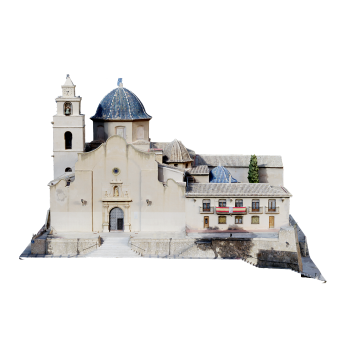
Located in the Carcassent region of Valencia, Spain, it is a building of significant historical and religious significance. This monastery was built in the 13th century and was the first Christian church in the region, witnessing the history of Christian conquest.. The monastery is located on Alberic Old Road and was once one of the centers of local religious activities. As one of the oldest buildings in Carson, it has been declared a national art monument and is one of the most symbolic religious buildings in the city. Attracting tourists and pilgrims with its unique historical value and artistic features, it has become an important cultural and religious landmark.
Whitby Abbey Site, England

Whitby Abbey Site, England

Whitby, located in North Yorkshire, England, is a historic monastery site situated on a cliff overlooking the sea. Originally established by King Oswey of Northumbria around 657 AD, it was later rebuilt after the Norman Conquest and remained the center of religious life until its dissolution in 1539. Not only is it an important location in the history of Christianity in England, but it is also the source of inspiration for the legendary Count Dracula. The site includes the ruins of a 13th century Gothic monastery and a modern museum showcasing the monastery's story. Whitby Abbey remains a popular tourist attraction to this day.
The ancient Mesopotamian city of Ur Temple

The ancient Mesopotamian city of Ur Temple

A pyramid shaped stepped temple located in the ancient Mesopotamian city of Ur, near modern-day Nasiria in Iraq. It can be traced back to around 2100 BC. A tall tower built by ancient civilizations such as Sumerians and Babylonians for religious worship. It was built by King Ur Namm of the Third Dynasty of Ur for the Moon Goddess Nanna, who is the sacred guardian of Ur city. Not only is it an important relic of Sumerian civilization, but it is also one of the most significant architectural innovations in the ancient Near East region.
Philadelphia Liberty Bell, USA

Philadelphia Liberty Bell, USA

It is a famous historical symbol in Philadelphia, representing the spirit of freedom and independence. Originally commissioned by the Pennsylvania State Legislature in 1752, the Whitechapel clock factory in London, England, was used to hang in the spire of the State Capitol building (now Independence Hall). The clock face is engraved with the famous quote from the Bible: 'Declare freedom to all people in the world', reflecting the pursuit of religious freedom and social justice at that time. It played an important role in American history, especially during the American Revolutionary War when it was used to declare significant events, such as the public reading of the Declaration of Independence on July 8, 1776.
Mir Town Castle, Belarus

Mir Town Castle, Belarus

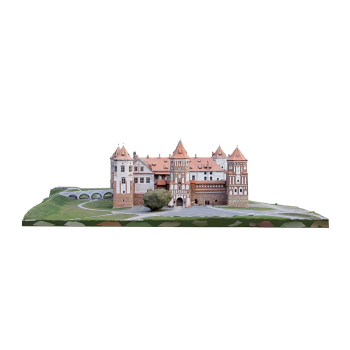
Located in Mir town, Belarus, it is a historic castle complex that was originally built in the late 15th century and showcases the Gothic architectural style. Throughout its long history, the castle has undergone multiple expansions and renovations, blending Renaissance and Baroque styles to form a unique architectural masterpiece. Surrounded by square walls and towers, it has excellent defensive functions, with narrow windows on the walls and the tower capable of firing shells. In 2000, Mir Castle was listed as a UNESCO World Heritage Site due to its unique historical and cultural value. It has become a must visit destination for exploring the history and culture of Belarus.
Lithuanian Old Church

Lithuanian Old Church

Located in Marijampol ė County, Lithuania, it is a church of significant cultural and historical value. The church was originally built in 1790 and underwent reconstruction in later years. As a nationally protected cultural heritage site, this church attracts tourists and history enthusiasts with its spectacular ruins. The Church of St. Peter and Paul was established to commemorate two outstanding apostles of Jesus Christ, who played a crucial role in the early history of Christianity. Peter is considered the first Pope, while Paul is an important figure in the spread of Christianity.
St. Wolfgang Church, Germany

St. Wolfgang Church, Germany

A late Gothic style church located in Rothenburgobder Tauber, Germany. This church was built in the 15th century, funded by the Shepherd's Brotherhood, and was established between approximately 1475 and 1493, hence it is sometimes referred to as the Shepherd's Church. It is part of the local defense system and closely connected to the northern entrance defense works of the city - Blade Fortress. Not only does it have significant architectural structures on the ground, but it also includes underground combat fortifications, which provide valuable examples for studying medieval urban defense. Its unique architectural features combine military and religious elements.
The ruins of the city gate in Winchelsea, UK

The ruins of the city gate in Winchelsea, UK

A historic city gate located in the town of Winchelsea in southeastern England, built in the 13th century, is one of the three surviving medieval city gates in the town. Not only is it a landmark building of Winchelsea, but it is also an important relic on the UK National Heritage List. It used to be an important passage into the town, with a moat surrounding the east side of the town. It not only played a defensive role, but also symbolized the connection between the town and the mainland. Over time, despite changes in the surrounding environment, they have become witnesses to historical changes.
Uzbekistan Palace Ruins

Uzbekistan Palace Ruins

Shahrizabuz, a historic city located in Uzbekistan, was the summer palace of Timur, the founder of the Timurid Empire. Built in the late 14th to early 15th century, it is one of the most magnificent buildings in Central Asia. Its design and decoration showcase the exquisite craftsmanship of architecture and art at that time. It was once the center of power for Timur and his successors, as well as a venue for grand celebrations and diplomatic events. Although the original building was destroyed by Russians in the 19th century, the site is still impressive, with a huge porch and remaining decorative elements that vaguely reflect the glory of that time. Not only is it a cultural heritage of Uzbekistan, but it is also a part of world history.
Scenes around Lemu Church in Finland

Scenes around Lemu Church in Finland

Lemu Church and its surroundings are located in the Masku region of Finland and are a historic church. Built in the 15th century AD, it is one of the oldest wooden churches in Finland. Renowned for its unique architectural style and ancient cultural heritage. Constructed from wood and featuring traditional Finnish architectural style. The Masku area is surrounded by beautiful scenery and pleasant environment. There may be pleasant fields, lakes, and forests in the surrounding area, making it a favorite place for tourists and believers. As a part of Finnish culture and history, Lemu Church and its surrounding attractions are important windows into understanding traditional Finnish architecture and religious beliefs.
Kubyauk gyi Temple in Bagan, Myanmar

Kubyauk gyi Temple in Bagan, Myanmar

It is an important historical site located in the famous Bagan region of Myanmar. Built in the 10th century AD, it is a Buddhist temple. It is one of the well preserved ancient buildings in the Bagan region. Renowned for its exquisite murals. The murals inside the temple depict Buddhist stories and traditional patterns, with strong cultural and religious significance. Built with red bricks, it has a typical Burmese architectural style. There is a towering dome and delicate decorations that embody the unique charm of Burmese art. Despite experiencing the baptism of time and natural disasters, it remains an important destination for tourists and believers in the Bagan region.
Elephant Fountain in Chambery, France
Elephant Fountain in Chambery, France

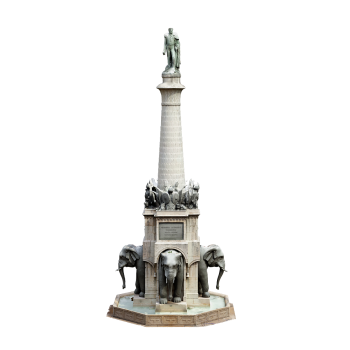
This elephant fountain is a famous landmark in the city of Chambery, France, known for its unique design and historical significance. Standing 18 meters tall and supported by four exquisitely carved elephants, it was first built in 1838 in honor of French general Debussy. Cleverly integrating fountains, monuments, and sculptural art. The fountain is not only a symbol of Chambery, but also one of the must visit attractions for tourists, with its unique design reminiscent of ancient Indian stamps. Located in the city center, it is an important part of the city's history and culture, attracting tourists from all over the world to visit and take photos.
Ruaudin Church in France

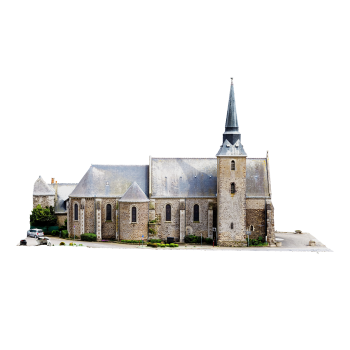
Ruaudin Church in France

Located in the Ruaudin region of France, it is a historically significant church. Not only does it attract tourists with its long history, but it has also become a cultural symbol of the local area with its unique architectural style and artistic value. Built during the Middle Ages or Renaissance, it witnessed the rich religious traditions and architectural evolution of the region. Architectural features may include intricate carvings, stained glass windows, and traditional bell towers, which together create a solemn and dignified atmosphere. As a religious and cultural center, it provides a place for local residents to engage in religious activities and community gatherings.
Chateau Bonomandies, France

Chateau Bonomandies, France

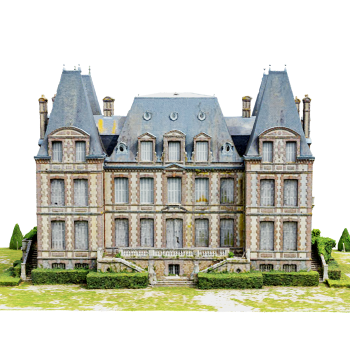
A castle located in Normandy, France, with rich historical and cultural heritage. This castle is surrounded by beautiful natural scenery, providing a peaceful and charming environment. It can be traced back centuries and witnessed the historical changes in the Normandy region. The architectural style is elegant and the interior decoration is gorgeous, reflecting the lifestyle and social status of French nobility. Experience the charm of French history. Not only is it a tourist attraction, but it is also a part of the local community, harmoniously coexisting with the surrounding natural environment, providing visitors with a window to learn about French history and culture.
South Yorkshire Glass Factory, England

South Yorkshire Glass Factory, England

The village of Catcliffe, located in South Yorkshire, England, is the oldest surviving structure of this kind in Western Europe. This glass cone-shaped building can be traced back to the mid-18th century and was built around 1740. It represents an important relic of the early glass manufacturing industry and witnesses the development of glass production technology and industrialization process. The structure is unique, with a carved sandstone base at the bottom and a brick and stone structure at the top. This huge glass cone-shaped building was used for annealing in the glass production process at that time, which allowed the melted glass to slowly cool to avoid internal stress causing cracking.
Left dome of Samarkand Mosque in Uzbekistan

Left dome of Samarkand Mosque in Uzbekistan

The Bibihanum Mosque located in Samarkand, Uzbekistan is a magnificent building with a history of about 600 years, and its left dome is one of the prominent features of the mosque. This mosque was ordered to be built by the ruler of the Timurid Empire, Timur, with funding coming from his conquests of India. The left dome of the mosque reaches a height of 40 meters and is an outstanding representative of medieval Muslim architecture. Its design and decorative details showcase the architectural technology and artistic level of the time. This mosque is not only a place for religious activities, but also a symbol of the history and culture of Samarkand city.
The ancient tower in downtown Baltimore, USA

The ancient tower in downtown Baltimore, USA

A historic building located in the center of Baltimore, Maryland, USA, has been a part of the city skyline since 1911. Originally built by Emerson Pharmaceuticals as the factory for its BromoSeltzer headache medicine, the tower's design was inspired by the old palace in Florence. Standing at 15 floors, it was once the tallest building in Baltimore city. The clock in the tower was once one of the largest gravity clocks in the world, with four huge dials. This tower is not only a cultural symbol of Baltimore, but also an important venue for urban innovation and artistic activities.
Ancient castles in the Eure department of France

Ancient castles in the Eure department of France

Located in the village of Rueil la Gadeli è re in the Eure department of France, it is a historic castle with origins dating back to the Middle Ages. During the Hundred Years' War, it played an important role in protecting local villages. Not only is it a military defense fortification, but it is also a symbol of the historical and cultural heritage of the region. The architectural style typically reflects the characteristics of medieval military architecture, such as sturdy stone walls, towers, and moats. Over time, it may have undergone multiple renovations and refurbishments, but its core structure and historical features have been preserved. You can appreciate its unique architectural aesthetics and feel the sedimentation of history.
Clifton Lake Valve House, USA

Clifton Lake Valve House, USA

It is a historic building located in Clifton Park, Baltimore, Maryland, United States. This building was built between 1887 and 1888 and is a Gothic Revival style stone building with a tiled roof. Its design and construction reflect the architectural features of the late 19th century. Originally built to accommodate local water supply facilities, it is related to Clifton Lake, which was once an important reservoir in Baltimore City. Over time, the lake was drained and filled in 1968, but the Valve House was preserved as a historical site. It is also a part of Baltimore's historical and cultural heritage.
The ancient castle of Lleida, Spain

The ancient castle of Lleida, Spain

A historic castle located in the province of Lleida, Catalonia, Spain. Originally built in the 12th century, it has undergone changes during the Gothic and Renaissance periods, witnessing the rise and fall of multiple noble families. Located in a strategic location, overlooking the surrounding countryside and plains. The architectural style of the castle combines Gothic and Renaissance elements, showcasing the architectural features of different historical periods. The main structure includes defensive walls, towers, and internal courtyards, which have been preserved and restored to varying degrees over the course of history. Not only is it an important historical site, but it is also a valuable resource for local culture and tourism.
Essex County Abbey Historical Sites, UK

Essex County Abbey Historical Sites, UK

A historical site located in Waltham Abbey, Essex, England, is a stone passage with late 12th century features and an arched ceiling. It was once part of a larger monastery complex, but now only has corridors in some monasteries. Tracing back over 1000 years, it was an important religious site in East Anglia, England. It has undergone multiple renovations and renovations, but most of the buildings no longer exist. This stone entrance, as part of the monastery, carries rich historical and cultural value, providing visitors with a window into medieval monastery life.