Washington Coastal Battery, United States

Washington Coastal Battery, United States

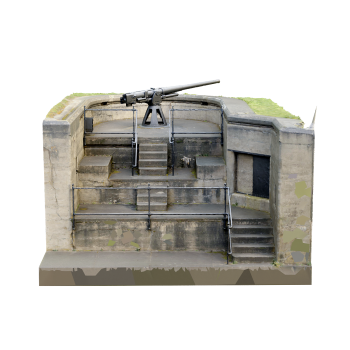
It is a historic coastal battery located in Fort Flagler State Historical Park in Jefferson County, Washington, USA. Built between 1903 and 1905, in memory of Thomas A. of the United States Second Infantry Division who died in the 1898 Battle of El Canes, Cuba Lieutenant Wansboro. It consists of two 3-inch M1903 guns and corresponding gun mounts, which use M1903 base type gun mounts to provide some protection for the gunner during loading. Now open to the public, showcasing the military defense facilities of that era.
Vologda Bell Tower, Russia

Vologda Bell Tower, Russia

It is an important historical landmark in the city of Vologda, Russia, located next to Sofia Cathedral. Standing 78.5 meters tall, it is one of the tallest buildings in the city. Built between 1568-1570, together with Sofia Cathedral, it forms the oldest architectural complex on the Vologda Kremlin Square and is a symbol of the city's history and culture. The design is simple and rustic, decorated with a golden circular onion top, reflecting the characteristics of traditional Russian architecture. The bell tower preserves a large copper bell from the 17th century, which is still in use today. Its chimes echo over the city, becoming a unique scenic spot in Vologda.
Skogaholm Estate, Sweden

Skogaholm Estate, Sweden

Part of the Skansen Open Air Museum located in Stockholm, Sweden. This 18th century estate was originally located in Nagel, southern Sweden, and was later relocated to the Scanson Museum to better protect and showcase its historical value. Not only is it a building, but it also represents the lifestyle and culture of that era. The garden of the estate is a major highlight of the museum, showcasing the garden art and horticultural techniques of the estate in the 18th century. This estate is an important part of the Skansen Museum and a valuable resource for understanding traditional Swedish architecture and lifestyle.
SpisskyHrhov Castle, Slovakia

SpisskyHrhov Castle, Slovakia

A historic castle located in the Levo č a region of Slovakia, situated near the village of SpisskyHrhov. Originally built during the Renaissance period in 1596, it was later renovated into Baroque style in the mid-18th century, and in the early 19th century, its facade was designed in Classical style. The castle is a two-story building with a rectangular plan and a three section block layout. In the center of the front, there is a three pointed gable consisting of a lower level pilaster and an upper level colonnade. It was once the property of the Mariassy family and underwent several restorations in the 20th century.
Makusovsky Castle, Slovakia

Makusovsky Castle, Slovakia

A historic castle located in the village of Markus š ovce in the Spi š sk á Nov á Ves region of Slovakia. Established in 1284, located on a highland in the Horn á dska Basin, near the local church. During the 15th and 16th centuries, it underwent significant renovations, forming a small but heavily fortified castle. Although it was captured and destroyed by Levo č a's army in 1527, it was repaired in the second half of the 16th century and underwent final repairs in 1789, mainly to repair the damage caused by the 1773 fire.
Coburg Family Castle in Slovakia

Coburg Family Castle in Slovakia

A historical building located in Jel š ava town, Slovakia. The history of this castle can be traced back to multiple centuries, witnessing the rich cultural heritage and changes of the region. In the late 18th and early 19th centuries, Andrej Koh á ry built this castle in a classical style on the site claimed to be an ancient Templar monastery. Not only is it a historical site, but it has also been selected as a project location for a cultural and creative center in recent years. The restoration and reuse project of the castle has received international support, including funding provided through the European Economic Area Grant Program.
Kitt Lake Hayden Tower

Kitt Lake Hayden Tower

Kitt Lake is located in the state of Bavaria, Germany, and is the largest lake in the state, sometimes referred to as the 'Bavarian Sea'. There used to be a village called Lebarn, where the Haydn Tower is the remains of a late medieval church. This tower is not only the only remaining building in the village, but also a part of the bell tower and clock, with significant historical and cultural value. It is a four story building with a side length of 4.5 meters, and the mountain wall in front of its east side is speculated to be the front nave of St. Michael's Church. Although other buildings in the village no longer exist, the Hayden Tower still stands, becoming the only relic of the former village.
Lohisari Estate, Finland

Lohisari Estate, Finland

Askainen town, located in southwestern Finland, is a historic aristocratic estate. The building was completed in the mid-17th century and is a rare representative of palace style architecture in Finland. Not only is it a showcase of aristocratic life from the 17th to 19th centuries, but it is also the birthplace of one of Finland's greatest military leaders and presidents, Marshall Mannheim, thus attracting many tourists interested in Finnish history. The interior decoration is magnificent, preserving the style of the 17th and 18th centuries and equipped with corresponding furniture. You can experience the lifestyle of aristocratic families and gain a deeper understanding of Finland's history and culture.
St. George's Martyrs' Church, Italy

St. George's Martyrs' Church, Italy

Located in the Molise region of Italy, it is a historic religious building dating back to the 12th century. Known for its Romanesque style, it was declared a "National Monument" in 1901. The main entrance and both sides have important decorative sculptures, and the interior is divided into three central halls enclosed by their respective rear halls, separated by two rows of asymmetrical columns. The column heads are decorated with patterns similar to the exterior, and the church also features a beautifully decorated hemispherical baptismal pool made of single stones, multiple altars, and an underground tomb dedicated to St. George. It is the local religious center and an important place for tourists to learn about the local history and culture.
Finnish Krevan Maiki Windmill

Finnish Krevan Maiki Windmill

The windmill located in the town of Haliko in southwestern Finland, in the Krevanmeki region, is a landmark historical building in the area. Built in the 19th century, it is one of the few well preserved windmills in Finland, reflecting the precious heritage of Finnish agricultural history and architectural traditions. Usually used for grinding, they are an indispensable part of agricultural society, and their existence not only showcases the technology of the time, but also reflects the lifestyle of the local people. Adopting the traditional Nordic windmill design, it has an elegant appearance and practical features, with its towering tower and huge sails becoming a unique scenic line.
Ruins of settler cottages on the east coast of Tasmania

Ruins of settler cottages on the east coast of Tasmania

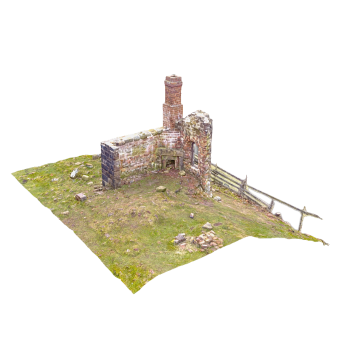
The early free settlers' cottage located on the east coast of Tasmania was built around 1820. This historic cottage is a precious relic of early settlers' living scenes. The original settler cottages were likely built as temporary shelters, using wooden structures, with gable walls made of branches and plaster, and thatched roofs. Within a few years, the cottage was expanded at both ends. Despite the erosion of time, this cottage still showcases the lifestyle of Tasmanian settlers in the early 19th century and is a valuable resource for understanding the early history of the area.
Butron Castle, Spain

Butron Castle, Spain

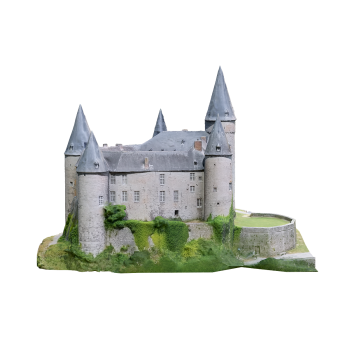
A historic castle located near Bilbao in northern Spain, situated on the hills of Gatica and surrounded by a century old oak forest. Originally built as a defensive structure in the 13th century, Butron Castle underwent multiple renovations over time and eventually evolved into a magnificent palace that blends Gothic and Renaissance elements, with a fairy tale like romantic atmosphere. It is a witness to history and a paradise for nature enthusiasts. The environment around the castle is rich in flora and fauna, providing opportunities for bird watching and other natural exploration. The charming environment and architectural details attract people to come and capture beauty.
Tasmania East Coast Stratford Tony Lodge

Tasmania East Coast Stratford Tony Lodge

The historic settler cottage located on the east coast of Tasmania was built around 1888. Adopting the classic wooden exterior architectural style and equipped with a corrugated iron roof, it is a typical representative of early Australian pioneering architecture. The structure not only reflects the architectural technology of the time, but also adapts to the changing climate conditions in Tasmania. The corrugated iron roof provides additional durability and protection, and the selection of these materials reflects considerations of available resources and practicality at the time. As a historic residence, it provides research value for historians and architecture enthusiasts, and has also become a part of the local cultural heritage
Tasmanian Old Bakery and Post Office
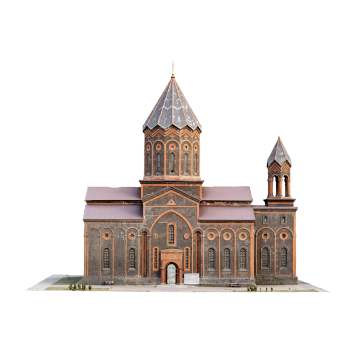
Tasmanian Old Bakery and Post Office

Located in the picturesque state of Tasmania, it is a place that combines historical architecture and modern commerce. Once a bustling bakery serving fresh bread and pastries, it also served as the local community's post office, providing mail and parcel services to residents. As a historical building, the old bakery and post office not only carry the local history and culture, but have also been transformed and integrated into modern business models. Tourists can experience the fusion of tradition and modernity here, and experience the authentic Tasmanian style.
Holy Savior Church

Holy Savior Church

It is a religious building with a long history, founded in 1858 and completed in 1872. It was dedicated the following year. Its design inspiration comes from the Ani Cathedral, but on a larger scale. The church survived the 1926 earthquake due to its sturdy structure. A devastating earthquake in 1988 caused severe damage to the Church of the Holy Savior, but since 2002, the church has undergone a comprehensive renovation process. It is not only a symbol of faith, but also a witness to historical changes, reflecting the impact of social and political turmoil on cultural heritage. Now it is once again shining with its glory as a religious and cultural landmark.
San Pantaleon de Loza Chapel in Burgos, Spain

San Pantaleon de Loza Chapel in Burgos, Spain

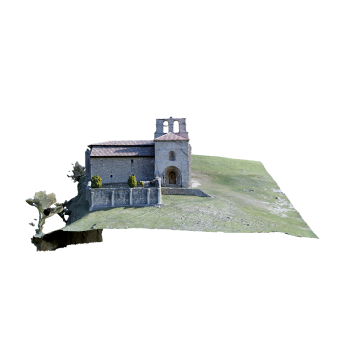
A Romanesque chapel located in the province of Burgos, Spain, built in the 13th century. Renowned for its unique geographical location and architectural features, it sits on a rock known as the 'Red Peak', resembling the bow of a ship, overlooking the Jerea River Valley. Announced as a national monument, its artistic value, sculptural decoration, and symbolic significance are highly praised. Not only is it a religious pilgrimage site, but it is also a must visit destination for art and architecture enthusiasts. Its architecture blends elements of Romanesque and Gothic styles. In addition, the small church is associated with the legend of the Holy Grail, adding a touch of mystery.
Monte Corte Castle and Santa Anna Chapel in Catalonia, Spain

Monte Corte Castle and Santa Anna Chapel in Catalonia, Spain

The small town of Montorn è s de Segarra located in Catalonia, Spain. The castle was first recorded in the 11th century by knight Guillem Isarn de Trevics in his will. At the end of the 15th century, the original castle was rebuilt, forming the spectacular rectangular fortress we see today, with two twin towers, a large semi-circular Romanesque facade, Renaissance style windows, and an arcade. Not far in front of the castle is the St. Anne's Chapel, built in the 16th century, which together with the castle forms an important historical site in the area.
Guadalajara, Spain, Galverde Solbe Castle

Guadalajara, Spain, Galverde Solbe Castle

A historic castle located in the province of Guadalajara, Spain, specifically situated in the town of Gave de Solbe. This castle is a 15th century building and one of the outstanding representatives of medieval defensive architecture in the Guadalajara region. Its sturdy city walls and towers still stand today, showcasing its past glory and solidity to the world. Not only is it a historical site, but it has also become a popular tourist attraction in the area, attracting visitors interested in medieval architecture and history.
The historic London Opera House

The historic London Opera House

A historic theater located on the south bank of London, built in 1587 by Philip Henslow and John Chomley, was the first specifically constructed theater on the south bank of London. Known for its unique circular design, it is the premiere location of many famous playwrights such as Shakespeare and Marlowe. It was discontinued in the early 16th century and dismantled in 1606. In 1988, with the demolition of a 1950s office building, some of the ruins were able to be uncovered, and archaeologists excavated approximately two-thirds of the theater's ground layout.
Nousiainen Stone Church in Finland

Nousiainen Stone Church in Finland

Located in the Nousiainen region on the southwest coast of Finland, it is an ancient church with significant historical and cultural value. Originally recorded in 1232, it was a smaller church, possibly built of wood, dedicated to the Virgin Mary. Archaeologists have discovered that there are cemetery remains dating back to the early 11th century in the church area. The legendary first bishop of Finland, St. Henry, was initially buried in the Nousiainen Church and later moved to Turku Cathedral in the late 14th century. The existing stone church was built between 1420 and 1430 and is also dedicated to Saint Henry. Later named as a national architectural heritage.
Shuri Castle, Naha City, Japan

Shuri Castle, Naha City, Japan

Located in Naha City, Okinawa Prefecture, Japan, it is the main castle and political and cultural center of the Ryukyu Kingdom in the history of the Okinawa Islands. Built in the late 14th century, it became the center of the Ryukyu Kingdom after being unified by the founder of the Ryukyu Kingdom, Shang Bazhi, in 1429. It was once the residence and administrative center of the Ryukyu King until 1879 when Ryukyu was officially incorporated into Japan's territory and established as Okinawa Prefecture. Renowned for its unique Ryukyuan architectural style and distinctive red roof, its design blends Chinese and Japanese architectural techniques. Shuli City and its related sites were listed as World Heritage Sites by UNESCO in 2000.
New Zealand Christchurch Romanesque Cathedral

New Zealand Christchurch Romanesque Cathedral

Located in Christchurch, New Zealand, commonly known as the Christchurch Romanesque Cathedral or simply Basilica, it is a religious building of significant historical and cultural value. Designed by Francis William Petteri and built between 1901 and 1905, its architectural style was influenced by early Roman church architecture. It was once regarded as one of the outstanding representatives of church architecture in the Australasian region. Unfortunately, the 2011 Christchurch earthquake severely damaged this cathedral, leading to its demolition in 2020. During its existence, it was an important cultural symbol of Christchurch and even New Zealand.
Kvetera Church in Kakheti, Georgia

Kvetera Church in Kakheti, Georgia

A historic religious building located in Kakheti Oblast, Georgia, which is part of the Kvetera fortress. Built in the 10th century, it is renowned for its unique four arch design and exquisite architectural craftsmanship. Constructed using locally unique volcanic tuff, the exterior is decorated with blue tiles, while the interior features a dome and arched structure. Not only is it a model of early medieval religious architecture in Georgia, but it is also an important milestone in the country's architectural history. Despite experiencing thousands of years of storms, it still maintains its solemnity and elegance, and is a valuable heritage for exploring Georgia's history and culture.
Peruvian Franciscan Monastery and St. Francis Cathedral

Peruvian Franciscan Monastery and St. Francis Cathedral

An important religious complex located in the historical center of Lima, the capital of Peru. Founded by Fr é d é ric Francisco de la Cruz of the Franciscan Order in 1546, it is one of the oldest religious buildings in Lima. Renowned for its Spanish Baroque architectural style, the interior decoration is magnificent and boasts many precious artworks and historical relics. In addition, the library houses approximately 25000 volumes of ancient books, some of which date back to the 16th century. In 1988, the monastery and church were listed as a World Cultural Heritage site by UNESCO, becoming important cultural and religious symbols in Peru and even Latin America.
Hindu temples in East Java, Indonesia
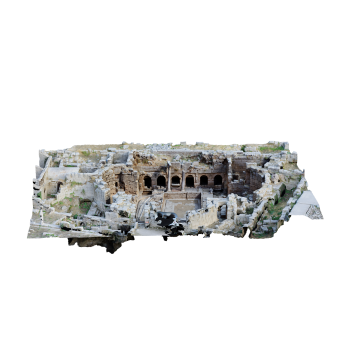
Hindu temples in East Java, Indonesia

An ancient Hindu Buddhist style temple located approximately 12 kilometers north of Malang City, East Java Province, Indonesia. It was built to commemorate the last king of the Singosari dynasty, Kertanagara, who died when his palace was captured by usurpers in 1292. This temple is renowned for its unique architectural style and exquisite sculptures, although it seems to have never been fully completed. The roof is decorated with highly detailed "Kara" portraits, which are symbols of time and destruction in Hinduism. Not only is it an iconic building in Malang County, but it is also one of the important cultural heritages in East Java region.
Ancient city of Corinth on the Peloponnese Peninsula in Greece

Ancient city of Corinth on the Peloponnese Peninsula in Greece

It is an important ancient city on the Peloponnese Peninsula in southern Greece, located on the isthmus connecting the Greek mainland and the Peloponnese Peninsula. With a long history dating back to around 3000 BC, it began to develop significantly as a commercial center in the 8th century BC. Due to its strategic location and ability to control the isthmus, it held significant commercial and strategic importance in ancient times. In ancient Greece, it was a trading center with a navy fleet and participated in multiple Greek wars. Despite the ruins of the ancient city, there still stands an impressive temple dedicated to Apollo.
Ch â teau de Charente Raboli, France

Ch â teau de Charente Raboli, France

A historic castle located in the Charente department of France. The specific construction year is unknown, but its history can be traced back to the Middle Ages and it is an important component of the region's historical and cultural heritage. Known for its magnificent architectural style and rich historical stories. The design incorporates multiple elements and reflects the architectural features of different periods. It was once the residence of nobles and witnessed many historical events, including wars, political changes, and social activities. Nowadays, the castle is open to the public and has become a popular tourist attraction. Appreciate the beauty of its architecture and art, while also learning about the historical stories related to it.
The New Saint Convent in Moscow, Russia

The New Saint Convent in Moscow, Russia

Located in Moscow, Russia, it is an Orthodox women's monastery and one of the most famous and important religious buildings in Moscow. Built in the 16th century, its name comes from the statue of the Virgin Mary enshrined in the monastery, which is said to have had miracles and is therefore revered as the "New Holy Maiden". It is not only a place for religious activities, but also a symbol of Russian history and culture. It was once a cemetery for the Tsar family, where many tsars and their family members were buried. The architectural style and interior decoration reflect the essence of traditional Russian religious art, and its exquisite murals and icons have high artistic value. Understand Russian religious culture and history.
Makaravank Monastery in Armenia

Makaravank Monastery in Armenia

A medieval architectural complex located in Tavush Province, Armenia, situated on the slope of Paitatap Mountain, approximately 3 kilometers from Achajur village. Built in 1205, it was constructed using pink andesite. It also includes an ancient church from the 10th to 11th centuries, as well as the St. Astartesin Church built by Abbot Hovhannes in 1198, known for its exquisitely carved portal. Although the monastery is no longer in use, its ruins are well preserved and serve as important witnesses to Armenia's medieval religious and cultural history.
Harichavank Monastery, Armenia

Harichavank Monastery, Armenia

A medieval monastery in the VayotsDzor region of Armenia, located on a hillside in Harich village, overlooking magnificent natural scenery. Built in the 7th century and undergoing centuries of reconstruction and expansion, it has become an important witness to Armenian Christian culture and religious heritage. Renowned for its exquisite architecture and carvings, including the Church of Saint Gregory and the Church of Saint Astartesin, as well as complex reliefs adorned with cross shaped stone tablets. Not only does it showcase the evolution of Armenian church architecture, but it also reflects the influence of different cultural periods.
Greentown Castle, Ayrshire, Scotland

Greentown Castle, Ayrshire, Scotland

Located on the southern coastline of Ayrshire, Scotland, near the city of Ayrshire, overlooking Clyde Fjord. Built in 1603 by John Kennedy for the Baltrian family, it was once the largest landlord in southwest Scotland, owning over 10 castles. Originally built to defend against incoming enemies at sea, its ruins still retain a majestic aura to this day. But it gradually fell into disrepair and was abandoned after 1766. The area where it is located has beautiful scenery and nearby attractions such as Eyre Cliff. Although only the main tower and some building foundations remain, it remains a valuable resource for exploring Scottish history and culture.
Lmbatavank Monastery in Armenia

Lmbatavank Monastery in Armenia

A historic religious building located on the southwest slope of Artik town in Shirak province, Armenia. Built in the 6th to 7th centuries, it is a cross dome structure with a unique architectural style. Its interior is decorated with murals from the 12th to 13th centuries, which are outstanding representatives of Armenian mural art. Not only renowned for its architectural and artistic value, but also highly respected for its significant position in the religious and cultural history of Armenia. Located on a plateau at an altitude of 1809 meters, it is one of Armenia's important historical and cultural landmarks, attracting numerous history and religious enthusiasts to visit.
VeraCruz Church in Segovia, Spain

VeraCruz Church in Segovia, Spain

A historic religious building located in Segovia, Spain, dating back to the 13th century. Renowned for its unique twelve sided design and Romanesque style, it is considered one of the best preserved churches of its kind in Europe. It is believed to have been built by the Knights Templar, but there has been controversy over the true identity of its builders, with some historians suggesting that it may have been built by the Knights of the Holy Sepulchre in Jerusalem. The design inspiration comes from the Holy Sepulchre Church in Jerusalem, whose architectural style and symbolic significance are deeply rooted in religious traditions and history. It is an important historical site in Segovia.
San Lorenzo Gate, Laredo, Spain

San Lorenzo Gate, Laredo, Spain

An ancient city gate located in Laredo, Cantabria Autonomous Community, Spain. As an important historical site in the city of Laredo, the San Lorenzo Gate witnesses the rich historical and cultural heritage of the region. Laredo city is located near the Atlantic Ocean and has a beautiful coastline, making it a scenic tourist destination. The San Lorenzo Gate is not only a part of the city's defense system, but also a legacy of medieval urban structures, providing visitors with a window to glimpse past history and architectural art.
The porch of Leyre Monastery in Navarre, Spain

The porch of Leyre Monastery in Navarre, Spain

A magnificent 12th century porch located in the Leyre Monastery in Navarre, Spain, is one of the important features of the monastery. Known for its complex architectural structure and narrative of biblical stories, it is an outstanding representative of Romanesque art. The design is very exquisite, decorated with columns and capitals of St. Peter, Our Lady, and the Apostles, as well as intertwined bird necks. These details were handmade by the master Esteban, who is also the author of the Plater í as Gate in Santiago de Compostela. Not only is it the public entrance of the monastery, but it is also a necessary path leading to the church.