
Sokorta, Croatia

Sokorta, Croatia

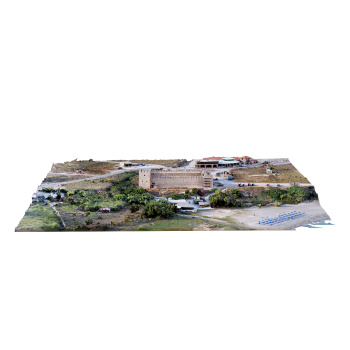
It is a medieval defensive fortress located near Dubrovnik, Croatia, situated on a hill above the village of Dunave, near the Croatian Bosnian border. Originally built in the 14th century as a defensive fortress, it played an important role in protecting nearby villages. Having sturdy stone walls, towers, and other defense mechanisms to resist intruders. In 2013, after extensive restoration work, this castle was opened to tourists, and many historical relics were discovered during the restoration process, some of which can be traced back to the late Bronze Age and early Bronze Age.
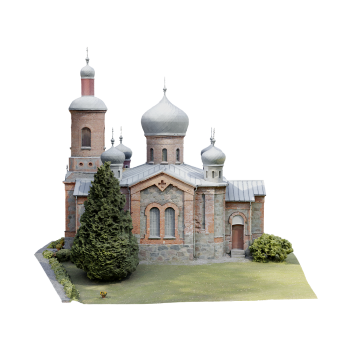
Ukrainian Archangel St. Michael's Church
Ukrainian Archangel St. Michael's Church

Located in StaraSil village, Ukraine, it is a historic religious building that embodies the architectural characteristics of the Eastern Orthodox Church at that time. This church is not only the center of local religious life, but also an important part of Ukraine's cultural heritage. Witnessed the inheritance of religious beliefs and the development of architectural art in the region. Built in the 17th century. The design incorporates traditional religious elements and local art styles, and the interior decoration may include murals, icons, mosaics, etc. These artworks showcase the religious stories of Eastern Orthodoxy and the lives of saints. As an important landmark in rural areas of Ukraine, it attracts numerous believers and tourists to visit.
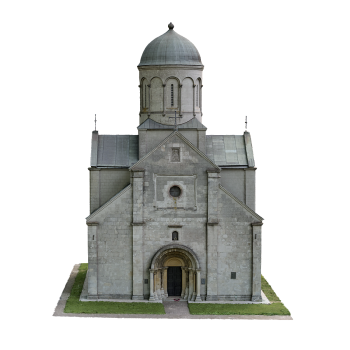
St. Panteleimon Church in Ukraine

St. Panteleimon Church in Ukraine

It is a religious building with a long history, not only one of the oldest buildings in the region, but also an important cultural heritage of Ukraine. Built in the 12th century, it was founded by Prince Roman Mstislavich of Galicia Volyn in 1194 and is located in the northeast direction of the city. Despite experiencing multiple wars and turmoil, this church still stands tall and bears witness to the historical changes in the Ukrainian region. After the invasion of the Ottoman Empire in the 15th century, it was converted into a mosque and was not rebuilt until 2000. The design and architectural style reflect the characteristics of the medieval period and are valuable materials for studying religious architecture at that time.
Grosskamburg Monastery, Germany

Grosskamburg Monastery, Germany

A historic monastery located near Schwabenhal in the state of Baden-W ü rttemberg, Germany. Located on a highland above the Koch Valley, it is renowned for its unique geographical location and magnificent scenery. The history can be traced back to the 11th century, initially as the castles of the counts of Rotenburg and Komsburg, and later converted into monasteries at the end of the 11th century. Known for its Romanesque architecture and Baroque style churches, particularly its famous Romanesque chandeliers and gilded altar front walls. These precious cultural relics are the two major treasures of the monastery, attracting numerous tourists and history enthusiasts to visit.
Church of Saint Raphael, Greece

Church of Saint Raphael, Greece

The Church of Saint Raphael is located in Pratamon, Greece and is an impressive Eastern Orthodox church. This church is located near the town of Platamon, backed by the Attica Mountains and overlooking the Aegean Sea. The Church of San Rafael was built in the 19th century and is a building of historical and religious significance. The architectural style of the church blends Eastern Orthodox tradition and local cultural characteristics, with a simple and elegant appearance. The interior of the church is decorated with exquisite murals and decorative arts, showcasing the exquisite craftsmanship of Eastern Orthodox art. The Church of San Rafael attracts many believers and tourists to visit and experience the solemn atmosphere and beautiful scenery of religion.
Greek Saint Sottis Chapel

Greek Saint Sottis Chapel

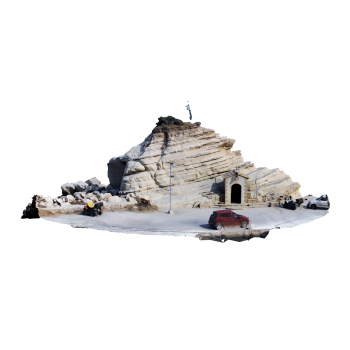
Located on the island of Zakynthos in Greece, the port of Agiosostis is a small and charming seaside chapel. Located in a picturesque location, next to a huge and striking jagged rock, with a tattered Greek flag flying from the top of the rock, the entire scene is very picturesque. According to a small stone tablet outside, the construction of the church can be traced back to 1633. It is an important tourist attraction on Zakynthos Island, not only the core of local religious activities, but also an excellent place for tourists to enjoy tranquility and beautiful scenery. The architectural style is unique and harmoniously blends with the surrounding natural environment.
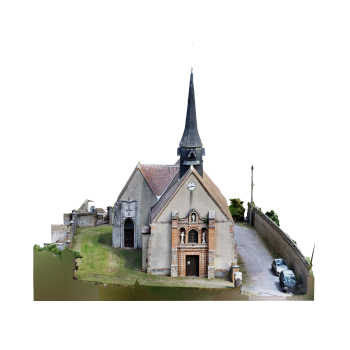
Maillebois Church in France

Maillebois Church in France

A historical religious building located in the city of Malbway in the Eure et Loire department of France. Classified as a first-class historical monument, it is an important component of the cultural and religious life in the region. Known for its unique architectural style and rich artistic decoration, it reflects the tradition and evolution of French religious architecture. Not only is it a place for local residents to engage in religious activities, but it is also an important place for tourists to learn about the history and culture of the region. Architectural and decorative details, such as stained glass windows and sculptures, showcase exquisite craftsmanship and artistic talent. In addition, its existence also witnesses the inheritance and development of religious beliefs in the region.
Ragnar Castle Farm Pig House

Ragnar Castle Farm Pig House

A historical site located in France, which is part of the Chateau de la Garde. This pigsty is part of the castle farm complex, showcasing an aspect of daily life in medieval castles. The castle itself has a rich history. At first, it was a defensive fortress, but over time, it gradually transformed into a noble residence that placed more emphasis on residential functions. The history of the castle can be traced back to the 12th century and was an important defense point during the Hundred Years' War. Farm facilities, including pigsties, provided us with a window to understand the agricultural practices and feudal socio-economic structure of that time.
Cosenza Medieval Castle, Italy

Cosenza Medieval Castle, Italy

A medieval castle located in Cosenza, Italy. This castle was built in the 11th century by the Normans after conquering the region as a symbol of their power and defensive fortifications. The design incorporates typical Norman architectural features, including sturdy stone walls and towers to resist enemy attacks. Not only is it an important location for military defense, but it is also the center of cultural and social activities in the region. It has witnessed many historical events, including wars, political changes, and social development. Nowadays, it is an important landmark in Kosenza city, where you can enjoy spectacular architectural art and gain a deeper understanding of its rich history.
Taugfpilst Orthodox Church

Taugfpilst Orthodox Church

The Orthodox Church located in Daugavpils, Latvia is a historic religious building built in 1897. The construction funds come from businessman M. from St. Petersburg Chukasov provided, and the design and construction supervision were carried out by the war engineer Rashevski, while the specific construction work was completed by the craftsmen of the Daugavpil Fortress. The architectural style embodies typical characteristics of northern Russia and has significant religious and cultural value. Not only does it meet the religious needs of local residents, but it has also become an important historical and cultural symbol of the region.
Waldstein Castle

Waldstein Castle

It is one of the oldest castles in the Bohemian Paradise region of Czech Republic, located in the Liberec area, north of Prague. Located on sandstone rocks, it has become the second oldest accessible landmark in Bohemia due to its picturesque location. The history can be traced back to the mid-13th century, when it was established by the noble family of Maxwatice and later became the property of the Luxembourg family. The diverse architectural styles reflect the evolution of architecture over the centuries. Nowadays, it attracts over 70000 tourists every year and provides rich historical and cultural experiences. Visit the ruins of the castle, appreciate the unique rock formations around, and experience the medieval atmosphere.
St. Catherine's Church

St. Catherine's Church

Located near the village of Anopolis on the island of Crete, it is a historic landmark. Located at the foot of the White Mountain, overlooking the Libyan Sea, it is a picturesque place that blends natural beauty and historical relics. History can be traced back to the medieval period, witnessing the rich historical and cultural changes on the island. The architectural style reflects the architectural technology of that era, while also carrying the dual functions of religion and military defense. Nowadays, it is a popular tourist attraction and an important place for studying the history and culture of Crete. Showcasing its past glory and the resilience of the people of Crete to the world.
St. Pancras Old Church, UK

St. Pancras Old Church, UK

A historic Anglican church located in Camden, London, United Kingdom. Named after the Roman martyr St. Pancras, it is believed to be one of the oldest Christian places of worship in England. The history can be traced back to the 4th century, and the existing main structure of the building was rebuilt during the Victorian era. Listed as a second-class protected building in 1954, it has a long history and contains relics from various historical periods, including Roman brick masonry. The courtyard has buried many famous figures and is an important part of London's history, as well as one of the city's famous landmarks. It is a place for religious activities and an important resource for understanding and studying London and British history.
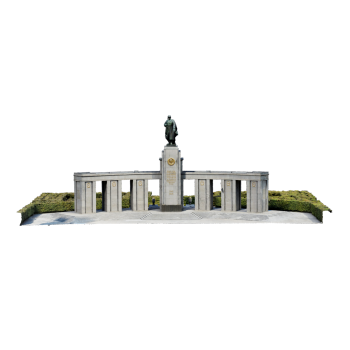
Berlin Tilgarten Soviet War Memorial

Berlin Tilgarten Soviet War Memorial

It was established to commemorate the Soviet soldiers who sacrificed their lives in the Battle of Berlin in 1945. The Tilgarten Park, located in the center of Berlin, is one of the three Soviet war memorials in the city, the other two being located in Trepto Park and Pankov. Built by the Soviet Red Army in 1945, it is the first Soviet monument in Berlin. It is not only a commemoration of the Soviet soldiers who sacrificed their lives in World War II, but also a tribute to the central role played by the Soviet military in the war. The design has a strong commemorative significance, aiming to remind people not to forget history and cherish peace. It is one of the most important commemorative buildings in Berlin.
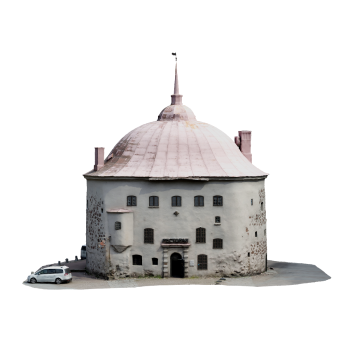
Vyborg Round Tower, Russia

Vyborg Round Tower, Russia

A historic building located in Viborg, Leningrad Oblast, northwestern Russia. Built in the mid-16th century, specifically between 1547 and 1550, it was ordered by King Gustav I of Sweden to be constructed as part of the medieval fortress of Viborg. It was a stone turret in the military defense system of the city at that time, and also one of the two surviving medieval turrets. Located in the city center, its unique circular design was of great significance in military architecture at that time. After the baptism of time, the Round Tower has not only witnessed the rich history of Viborg, but also become an iconic attraction of the city.
Roman Catholic Church

Roman Catholic Church

It is the largest Christian denomination in the world, headquartered in Vatican City, an independent country in Rome, Italy. The Catholic Church is led by the Pope, who is considered the successor of St. Peter and the spiritual leader of Catholics worldwide. The doctrine and liturgy are deeply influenced by the Bible, the Bible, and the traditions of the Church. It has a rich religious ceremony, including seven sacraments such as baptism, communion, and confession. Having numerous churches, monasteries, and educational institutions worldwide, it has a profound impact on education, charity, and healthcare. There are over one billion believers worldwide, distributed in various countries and regions.
Ancient castles in Slovakia

Ancient castles in Slovakia

Jel š ava, located in Slovakia, is a historically significant building whose style embodies French classicism. This three story building was first built in 1763 and was expanded on the basis of its old Renaissance architecture from the 17th century, which is believed to have been originally a monastery of the Knights Templar. We are currently working hard to restore this historically mysterious building. The main concept of the restoration project is to transform it into a cultural and creative center, which will bring new vitality to small towns. Although the building is currently closed to the public, its restoration and future planning have attracted widespread attention in the local and cultural conservation fields.
Border checkpoints between France and Spain

Border checkpoints between France and Spain

A symbol of historical and modern architecture. It is located on the border between France and Spain, designed by Finnish architect Alvar Aalto, and opened in 1965. This checkpoint contrasts sharply with the surrounding mountain scenery with its organic shape and smooth lines. It is an example of Fauvism architecture, characterized by the use of rough, exposed concrete and bold geometric shapes. It is not only an important transportation hub, but also a significant landmark and tourist attraction in the region.
Ancient Fountain of Corinth, Greece

Ancient Fountain of Corinth, Greece

A historic fountain located in Corinth, Greece, which has historically been an important source of fresh water for the city. It was very important during the Greek and Roman periods, and many architectural relics from the ancient Greek, Roman, and Byzantine periods are still preserved today. Due to ongoing archaeological excavations, it is currently not open to the public. However, people can visit this site online through 3D models. The application of these technologies not only helps to protect and research, but also enables the public to have a deeper understanding and experience of the heritage of this ancient civilization.
Orthodox Church

Orthodox Church

It is one of the three main branches of Christianity, known for its continuity with the Apostolic Church, its liturgical traditions, and regional church organization. The Eastern Orthodox Church emphasizes its orthodoxy and apostolic inheritance, and has its own theology and liturgical system. Originating from the eastern provinces of the Roman Empire, mainly distributed in countries such as Greece, Russia, Ukraine, Serbia, etc., the number of believers exceeded 200 million. The governance structure of the church is characterized by autonomous churches and episcopal conferences, among which the Ecumenical Patriarch of Constantinople and the Patriarchs of Moscow and all of Russia are the most important leaders.
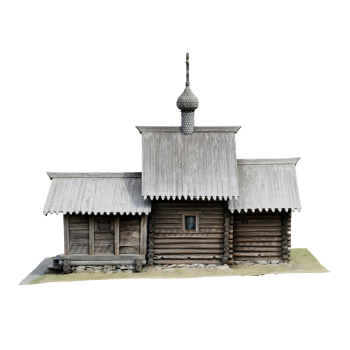
The ancient monastery on Kizhzhia Island, Russia

The ancient monastery on Kizhzhia Island, Russia

Located on Kiyoshi Island in Russia, it is one of the oldest buildings on the island, believed to have been built between the 14th and 16th centuries. This church was originally located in the Murom Monastery in the Republic of Karelia, but was later relocated to Kij Island and repaired in 1961. It is one of the oldest surviving wooden structures in Russia, showcasing the exquisite craftsmanship of traditional Russian wooden architecture. Known for its simple and elegant design, its structure does not use a single nail and relies entirely on the precise fit between the woods. As an iconic building of Kiyoshi Island, it, along with other wooden structures on the island, forms a unique cultural landscape.
Greek Peloponnese Religious Church

Greek Peloponnese Religious Church

Located near Kardamyli on the Peloponnese Peninsula in Greece, it is a picturesque religious landmark. Located on the edge of Gournitsa village, overlooking the Messenia plain. History can be traced back to a long time ago, and it may have been originally dedicated to the sleeping of the Virgin Mary, but was rededicated to the God of Wisdom Sophia in 1922. It is a religious site and a popular destination for hiking. Known for its simple beauty and peaceful environment, it is an ideal place for tourists seeking tranquility and enjoying the natural beauty around them. It is a great place to learn about the rich history and cultural heritage of the region.
Ruins of medieval castles in Rhodes, Greece

Ruins of medieval castles in Rhodes, Greece

The ruins of a medieval castle located on an 85 meter high hill above the village of Charaki on the east coast of Rhodes, Greece. Originally built during the Byzantine era, it was occupied by the Knights Hospitaller on September 20, 1306, becoming their first stronghold on Rhodes. Located in a picturesque location overlooking the village and coastline, it offers magnificent views of the surrounding area. Although the castle is currently in ruins, it remains an important historical landmark that attracts history enthusiasts and tourists to visit. Not only is it a historical site, but it is also a charming tourist attraction on Rhodes Island.
Monastery in Northeast Slovakia

Monastery in Northeast Slovakia

A national cultural monument located in the northeast of Slovakia. This historic region is located near the Polish border and is renowned for its rich culture and history. Located on the banks of the Dunajca River, surrounded by Pieniny National Park, it provides a unique environment that combines historical and natural beauty. The monastery is a Gothic architecture with rich historical and cultural heritage, including rare herbal collections such as the "Flying Monk" herb from 1766. Tourists can experience the historical atmosphere of the monastery here, explore its internal exhibitions, and enjoy the magnificent natural scenery around.
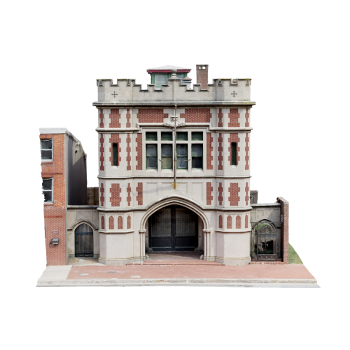
Baltimore Fire Station, USA

Baltimore Fire Station, USA

A historic fire station located in Baltimore, Maryland, USA. A historic fire station located in Baltimore, Maryland, USA. Renowned for its striking Tudor Revival style towers, these towers stand in stark contrast to the modern glass facades of the University of Maryland's biological campus. Designed by local architects Benjamin Buck Owens and Spencer E Designed by Owen, built in 1910, it is located at the intersection of West Baltimore Street and Harbour City Avenue. It is an important component of the Baltimore Fire Department and a part of the city's architectural heritage.
Saint Pierre Church in France

Saint Pierre Church in France

It is a church name visible in many parts of France, some of which have significant historical and cultural value. The Saint Pierre Church, located in the French city of Caen, is a Roman Catholic church dedicated to Saint Peter. It was built in the early 13th century and continued to be constructed until the 16th century. The spire of this church was destroyed in 1944, but was later rebuilt. It has become the subject of many paintings due to its proximity to the canal at the eastern end. It is not only the center of religious beliefs, but also a symbol of local history and culture, attracting numerous tourists and pilgrims to visit.
Purple Bamboo Guanyin in Anyue Grottoes

Purple Bamboo Guanyin in Anyue Grottoes

The Purple Bamboo Guanyin in the Anyue Grottoes is known as the "Oriental Venus" and is an outstanding representative of Buddhist art during the Northern Song Dynasty. Carved in Pilu Cave on Tazi Mountain in Shiyang Town, Anyue County, Sichuan Province. Wearing exquisite gold-plated flower crowns and a thin robe, the posture is elegant. Sitting on a lotus leaf with a sideways stance, the right foot is lightly raised and the left foot lightly steps on the lotus flower, showcasing an extraordinary and humanistic beauty full of warmth. Exquisite carving skills, smooth lines, and exquisite detail processing, especially the technique of hollow carving, make the statue both three-dimensional and delicate. Not only is it a symbol of religious belief, but it is also a crystallization of the wisdom and artistic creativity of ancient craftsmen.
Belvedere Palace, Berlin, Germany

Belvedere Palace, Berlin, Germany

A historic palace complex located in the Charlottenburg district of Berlin, Germany. Ordered by King Frederick I of Prussia, it is a typical Baroque architecture, with the name "Belvedere" meaning "beauty", reflecting its beautiful palace gardens and surrounding landscape. It consists of three parts: the Grand Belvedere Palace, the New Belvedere Palace, and the Belvedere Teahouse. The Grand Belvedere Palace is the center of the entire complex, with magnificent interior decorations and a rich collection of art. Nowadays, the Belvedere Palace is not only one of the most popular tourist attractions in Berlin, but also an important symbol of German history and culture.
Our Lady of Padar Church in the Philippines

Our Lady of Padar Church in the Philippines

It is an important component of Philippine cultural heritage. It is one of the symbols of the Catholic faith spread in the Philippines during the Spanish colonial period and is revered as the patron saint of multiple dioceses and municipalities. Associated with the Pilar Fortress in Zamboanga City, Samar Province. This fortress was declared a national cultural treasure by Presidential Decree No. 260 in 1973 and is also recognized as a cultural heritage site. The Church of Our Lady of Padar is also considered a heritage building, and the National Historical Commission of the Philippines installed a Grade II historic landmark on December 2, 2010. Not only does it showcase history and culture, but it is also an important component of people's beliefs and spiritual life.
The ruins of the Ch â teau de Montrond in France

The ruins of the Ch â teau de Montrond in France

A historic castle located in the Garrig region near Montpellier, France. The history can be traced back to the 12th century, specifically the location of the Holy Spirit Hospital established by Lord Jean de Montferrand in 1207. Located on a limestone hill, overlooking the surrounding plains and shrubs, it provides an unparalleled landscape. It is a model of medieval architecture, with its sturdy walls and strategic location highlighting its military importance in history. The ruins still exist today and have become a popular destination for hikers and rock climbers.
Church of Our Lady of Lourdes, France

Church of Our Lady of Lourdes, France

Located in the Holy Land of Lourdes, France, it is an important pilgrimage site for Catholics worldwide. In 1858, the Virgin Mary appeared here to the local girl Bernadette Subiru, making Lourdes an important holy site in the hearts of believers. Surrounded by vast holy land areas, including multiple churches and religious facilities, it attracts thousands of pilgrims and tourists every year. It is an important pilgrimage center, where many believers pray for healing and miracles. Not only is it a religious pilgrimage site, but it is also a place that provides medical care and spiritual comfort, especially for pilgrims seeking physical and mental healing.
Ruins of Tabor Castle, Austria

Ruins of Tabor Castle, Austria

A historical site located in Austria. It was once mistaken for a Roman era building, but in fact, the origin of this castle can be traced back to the Middle Ages. The specific function and historical background are not yet fully understood, but as a landmark and historical site, it has significant importance for the local culture and history. Attracting numerous tourists and history enthusiasts, it is not only an important place to explore medieval architecture and history, but also a great destination for photography and outdoor activities. The combination of natural scenery and ruins around provides a unique experience, allowing people to glimpse the life and defense works of the medieval period.
Olesko Ancient Castle in Ukraine

Olesko Ancient Castle in Ukraine

A historic castle located near Olesko village in LvivOblast region, Ukraine. The history can be traced back to the late 14th century and it is one of the oldest castles in Ukraine. Throughout its long history, it has experienced multiple wars and changes, as well as multiple attacks and destruction. In the 17th century, the castle became the property of the Danilowicz noble family and was expanded and renovated in their hands. Not only is it an architectural miracle, but it is also an important witness in the history of Ukraine. The architectural style and decorative details reflect the influence of Gothic, Renaissance, and Baroque styles.
White Tower of Thessaloniki, Greece

White Tower of Thessaloniki, Greece

It is a landmark building in Thessaloniki, the second largest city in Greece. The 34 meter high tower is located at the end of the city's seaside promenade and is one of the most famous landmarks in the city. It can be traced back to the Ottoman Empire period, initially built as a defensive fortification and later used as a prison and execution site, witnessing the suffering and history of Thessaloniki. Nowadays, the White Tower has been transformed into a museum and cultural center, showcasing the history of Thessaloniki from the Ottoman Empire period to modern times. The exterior walls were painted white, symbolizing peace and rebirth, becoming a symbol of free thought and culture in Thessaloniki.
Ivy House Sluice in the UK

Ivy House Sluice in the UK

Located on the New Channel of the Newton Cross coastline in London, UK, this small brick building was built in the 19th century and includes a hand-operated water gate for controlling water flow. It is a hydraulic engineering facility that plays a crucial role in the waterway system. Mainly used to regulate water levels and ensure smooth transitions for ships between rivers or canals at different water levels. Adopting classic engineering design and combining modern technology to enhance its functionality and efficiency. As part of water management, the Ivy House Sluice not only promotes the development of the shipping industry, but may also have a positive impact on the local ecological environment, agricultural irrigation, and flood control measures.