Food & Beverage

Persimmon

Persimmon

Persimmons are usually bright orange to orange-red and have a variety of shapes, ranging from spherical, oblate to conical. The persimmon originated in China and is one of the most commonly cultivated fruits in East Asia. They usually mature in autumn and winter (about October to January). Persimmons are rich in vitamins A and C, fiber and antioxidants. According to different varieties, persimmon is divided into astringent persimmon and sweet persimmon. Astringent persimmon needs to be completely softened and deastringent before it can be eaten, while sweet persimmon (such as rich persimmon) can be eaten when it tastes crisp and hard before it becomes soft.
Gala Apple

Gala Apple

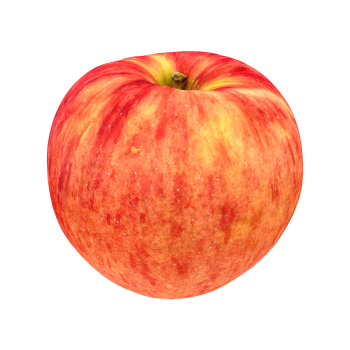
The Gala apple originated in New Zealand and has a medium to small fruit with a golden or creamy yellow background and a distinct red stripe or flush on the surface. They are known for their crisp, juicy and very sweet flesh, with a hint of vanilla and floral notes. Its acidity is low and its sugar-acid balance is good, so it is very popular among children and adults.
One Egg

One Egg

These are eggs, which are placed in an egg tray (or egg tray) made of pressed pulp. This packaging is often used in farms, supermarkets or homes to safely store, transport and place large quantities of eggs to prevent breakage.
Coconut

Coconut

Shows the typical plant characteristics of coconut-may include complete coconut fruit (oval or nearly round, with fibrous shell), coconut shell (hard shell after removing the outer fiber, with three sprouting holes) or simplified coconut tree with branches and leaves; The outer fiber shell of the fruit is rough brown, the fiber texture is messy but natural growth pattern, and the surface is slightly wrinkled and depressed. The hard shell part is dark brown or light brown, and the texture is hard, the surface has natural texture and spots, and the details of the germination holes are clear. If pulp or coconut milk is included, the Milky White of coconut meat and the clear texture of coconut milk may be simulated by translucent effect, and fibers and juice can be seen in the cross section.
Pomegranate

Pomegranate

Kami Rapacz's creation may incorporate the cultural symbolic meaning of pomegranate: in different cultures, pomegranate often symbolizes harvest, reproduction, auspiciousness and many children and blessings. The work may combine these meanings with natural texture through realistic portrayal or stylization. For example, warm tones are used to highlight the fullness and juiciness of the grains, light and shadow contrast is used to strengthen the thickness of the peel and the transparency of the grains, or pomegranate is placed in the life scene, related to its role in diet and festivals, and convey the simple and warm life aesthetics.
avocado

avocado

Kami Rapacz's creation may incorporate the association of life scenes: the practical value of avocado in table cooking, the cultural significance as a symbol of health, or the abstraction of avocado as a symbol of the blend of nature and life, conveying a simple and fresh aesthetic attitude. Whether it is realistic details or stylized expression with personality, the work may awaken people's perception of natural gifts and love for ordinary life through the daily image of avocado.
red pepper

red pepper

nedo's creation may be full of strong color collision and surreal elements in the picture: distorted space, deformed objects, and characters walking on the edge of reality and dreams, which concretize the absurdity and reality in the subconscious. The story may revolve around the main character (dream detectives such as "Red Pepper"), in the process of preventing dreams from being maliciously abused, exposing the darkness and light in the depths of human nature. Whether it is text, visual art or other forms, the works may make the audience think about the boundary between reality and illusion in the fantasy experience with compact rhythm and profound metaphor.
Garlic

Garlic

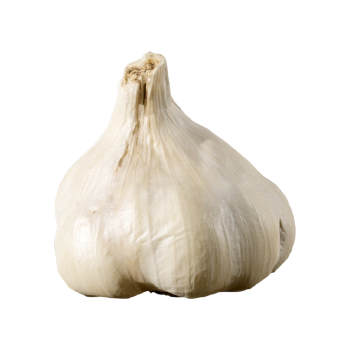
Strictly follow the growth structure of garlic: the whole is a complete garlic bulb, tightly wrapped by multiple garlic cloves, with dry green flower stem residues (slender, fibrous, with natural bending or fracture marks) retained at the top, and dense fibrous root disks (brown, fibrous roots are small and messy, with lignified texture) at the bottom. Garlic cloves are arranged like petals, with different sizes. The outer layer is wrapped with thin skin. Some garlic cloves may be slightly raised due to extrusion, thus reducing the irregularity of natural growth. If the peeled form is included, the full radian of garlic cloves and the translucent texture of the inner thin skin can be clearly seen.
red onion

red onion

The texture shows both "freshness" and "nature". The outer skin is dry and hard, with a slight brittleness (simulating the characteristic of easy peeling). The inner scale presents a moist and slightly elastic texture, and the surface is slightly shiny due to moisture. The whole is mainly matte, only the edge or section of the inner fresh scale may have extremely light reflection, simulating the natural humidity of food materials; if the cut shape is included, the section will show a clear ring structure and juicy fiber texture, strengthening the tactile association of real ingredients.
Pineapple

Pineapple

The complete pineapple presents an oval natural outline, with leaf-shaped fruit crown (with serrated edges and natural curved shape) retained at the top, rhombic scale-like protrusions covered with spiked fruit eyes at the top of each scale, accurately restoring the unique geometric texture of pineapple epidermis; If the cut state is included, the yellow pulp inside, the hard core in the center, and the residual traces of black fruit eyes distributed in the pulp will be clearly displayed, the structure is hierarchical.
Watermelon

Watermelon

It can be used in 3D construction of food scenes, game props, e-commerce food display, cooking tutorial visualization and other fields, as natural elements or food props to enrich the living atmosphere of virtual scenes.
purple onion

purple onion

red onion

red onion

Peel the good orange

Peel the good orange

three oranges

three oranges

Cut Tricholoma

Cut Tricholoma

Peeling good corn

Peeling good corn

Banana

Banana

Peeling Bananas

Peeling Bananas

sliced lemon

sliced lemon

Persimmon

Persimmon

Avocado

Avocado

Western blue flower

Western blue flower

sweet potato

sweet potato

Sweet potato (Ipomoea batatas (L.) Lam.), perennial herbaceous vine with milk; Its root tubers are white, red or yellow; Caulis adventitious roots; Leaves are broadly ovate or ovate-shaped, with dense green, yellow green, purple green, etc., the front end is acuminate, the base is heart-shaped or flat-cut; Corolla is pink, white, light purple or purple, campanulate or funnel-shaped, hairless; capsule ovoid or oblate; because sweet potatoes are cross-pollinated, self-pollination often does not bear fruit, so sometimes only flowering does not bear fruit. Seeds 1-4, usually 2, glabrous.
Pumpkin

Pumpkin

Taro

Taro

Taro (Colocasia esculenta (L.) Schott) is also known as purple taro, taro, elderberry, single-skinned leaf, etc. It is a wet herbaceous plant of the genus Taro in the Araceae family. Tubers are usually ovate, often with many small bulbs. Leaves are green, ovate, inflorescence stalk is often solitary, shorter than petiole; The spathes vary in length, the tube is green, the long ovate eaves are lanceolate or elliptic, spread out into a boat shape, the edge is rolled inside, and the flowering period is from February to April (Yunnan, China) to August to September (Qinling, China).
dragon fruit

dragon fruit

Dragon fruit is a bright-looking, nutrient-rich tropical fruit native to the tropics of Central and South America and now widely grown worldwide. Rich in vitamin C, dietary fiber, anthocyanins, minerals and other nutrients, with antioxidant, anti-inflammatory, anti-cancer, promote digestion, lower cholesterol and other health effects. There are two kinds of white and red pulp, red pulp anthocyanin content is higher. In Chinese culture, red symbolizes enthusiasm, prosperity and good luck, and is often used to express blessings. In addition, the tough skin of the dragon fruit symbolizes protection and perseverance.
Pomegranate

Pomegranate

Pomegranate is a popular fruit, native to Iran and Afghanistan, after the introduction of China. The fruit is round or oval in shape, with a thick, brightly colored skin, usually red, pink or yellow. The inside contains many seeds, which are wrapped in transparent juice sacs. The juice is moderately sweet and sour, rich in vitamin C, vitamin K, potassium and antioxidants. Taste delicious, but also has a high nutritional value. It symbolizes prosperity and abundance in many cultures. In China, pomegranate is often regarded as a symbol of many children and many blessings because of its many grains. In Greek mythology, pomegranates are associated with the goddess Persef of the underworld, symbolizing rebirth and eternity.
Western blue flower

Western blue flower

Also known as green cauliflower, broccoli, is a cruciferous Brassica vegetables. Native to the eastern Mediterranean coast, it was introduced to China at the end of the 19th century and has now become one of the most popular vegetables. Appearance was dark green, bud closely arranged into umbrella, crisp texture, taste sweet. Rich in nutrients, including vitamin C, vitamin K, dietary fiber, calcium, iron and antioxidants. Among them, the content of vitamin C is particularly prominent. The content of vitamin C in every 100 grams of broccoli can reach 51 mg, which is more than twice that of lemon. In addition, it contains sulforaphane, a compound with anti-cancer effects.
Egg with tray

Egg with tray

Boxed Banana

Boxed Banana

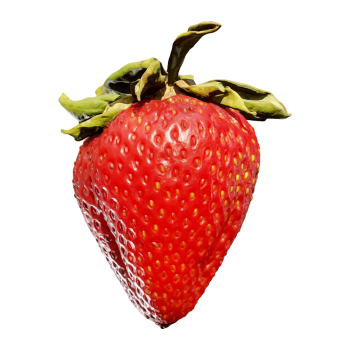
A bowl of strawberries 3D scan

A bowl of strawberries 3D scan

Blueberry

Blueberry

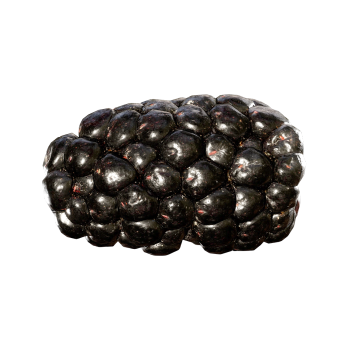
Is a small blue berry, known as the "fruit queen" and "king of berries". Native to North America, it is now cultivated in several regions around the world. The fruit is light green at the beginning, turns red-purple when ripe, and finally becomes dark blue or violet. It is covered with a layer of white fruit powder. The flesh is delicate and soft, juicy, sweet and sour, and fragrant. It is rich in nutrients. It is particularly worth mentioning that the anthocyanin content in blueberries is very high, which has a strong antioxidant effect. It can remove excess free radicals in the body, protect cells from free radical damage, and relieve aging., The effect of nourishing the skin.
Lemon

Lemon

A small evergreen tree belonging to the citrus genus of the Rutaceae family, native to southeastern Asia, especially northern India and Myanmar, and is one of the most widely grown citrus fruits in the world. The tree is about 3 to 6 meters tall, with oval leaves, short petioles, thick leaves, and smooth and shiny surfaces. The flowers are pure white with a rich aroma. The fruit is oval or ovate, with both ends pointed, usually yellow and shiny, with thick pericarp and a special aroma. Rich in vitamin C, the content of vitamin C in every 100 grams of lemon can reach 22 mg, so it is often used to prevent and treat scurvy.
Caracalla Red Meat Navel Orange

Caracalla Red Meat Navel Orange

It is a special variety of navel orange, native to Venezuela. Known for its unique pink to red flesh, the special feature of the flesh color is its naturally rich lycopene, the content of this substance is 3 to 5 times that of ordinary navel oranges. The flavor is moderately sweet and sour, rich in juice and rich in orange flavor. The fruit is larger, the average weight of a single fruit is about 235 grams, round or nearly round, mostly closed umbilicus, seedless. Not only good flavor, but also resistant to storage and transportation, suitable for fresh food. The ripening period is in late December, slightly later than other navel orange varieties, making it a popular fruit in the winter market. Nutritional value is higher than ordinary oranges.
1 2 3 4 5 6 7 Next