


Nature/Plants

a piece of grass
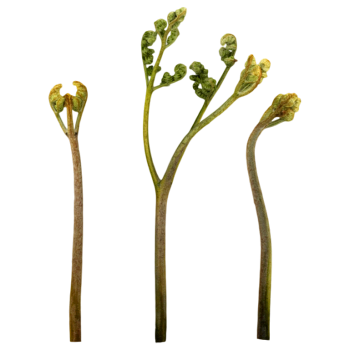
Western Fern
"Western fern", scientific name Pteridium aquilinum (linnai) Kuhn subsp. aquilinum, is a large perennial herbaceous fern of the genus fern (Pteridium) of the fern family (Pteridophyta), the true fern class (Filicopsida), the fern family (Filicales), the fern family (Pteridiaceae). It is one of the most common wild ferns in temperate to subtropical regions of the northern hemisphere, with both ecological value and toxicity risk, and carries historical literature.
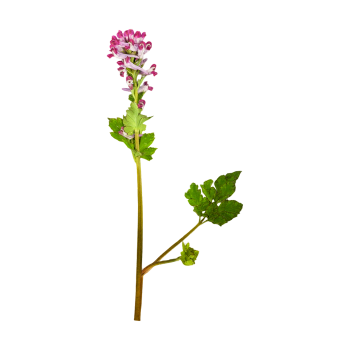
Engraved Leaf Corydalis Specimen
"Corydalis vitae", scientific name Corydalis incisa Pers., is a perennial herb of the genus Corydalis (Corydalis) in the poppy family (Papaveraceae). Its leaves have deep-split texture and flowers are lavender or blue-purple. It is a common wild herb in East Asia and has both medicinal value and ecological significance.
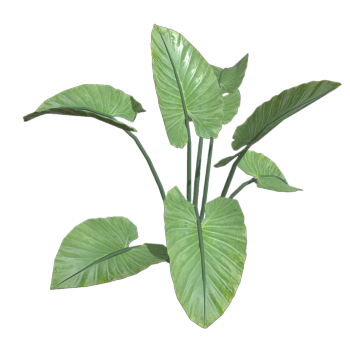
3D model of taro
Alocasia odora (Roxburgh) K. Koch is a large evergreen herbaceous plant in the Araceae family, belonging to the genus Alocasia; Having creeping rhizomes, upright above ground stems, and adventitious buds growing at the base; Leaves mostly, sub leathery, grass green, arrow shaped ovate, petiole green or purplish, arranged in a spiral pattern, thick and thick; The inflorescence stem is cylindrical, green, sometimes stained purple, with a yellow green boat shaped and elongated eave. The flesh inflorescence is fragrant, the female inflorescence is white, the sterile male inflorescence is green white, and the fertile male inflorescence is light yellow; Berry red, egg shaped; During the flowering period, flowers often do not bloom in dense forests throughout the four seasons.
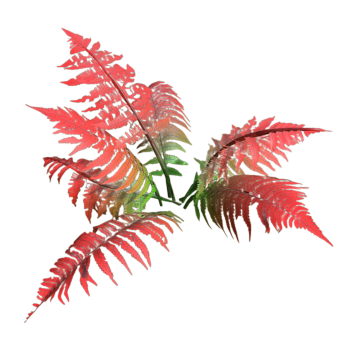
3D model of fern
Cyclosorus interruptus (Willd.) H. Ito is a perennial herbaceous plant of the genus Cyclosorus in the family Araceae. The rhizome is long and transverse, with gray white long hair and brown scales at the top; Leaves sparse, with black brown base, ovate lanceolate or oblong lanceolate; The lateral central feather is nearly linear lanceolate, with triangular lobes; The leaf veins are clearly visible below, the leaves are almost leathery, and the sporangia are located in the middle of the lateral veins. There are sterile zones on both sides of the feather axis; The cap of the cyst is sparsely covered with soft hairs, light brown in color, and disappears into the cyst when mature.

Blue Mouse Ear Jade Hairpin
Blue Mouse Eared Jade Hairpin (Hosta plantaginea (Lam.) Aschers.) It is a perennial perennial perennial plant of the family Asparagaceae in the genus Polygonatum. Leaves are basal, clustered, ovate heart-shaped, ovate or ovoid in shape. The stem is 40-80 centimeters high and has several to over ten flowers; The flowers are solitary or clustered with 2-3 flowers, measuring 10-13 centimeters in length, white in color, and fragrant. The capsule is cylindrical with three edges. The flowering and fruiting period is from August to October. The name "Jade Hairpin" is said to be due to its pure white flowers resembling the hairpins on ancient Chinese women's hair buns, hence the name "Jade Hairpin".

Sedge
Shamgrass is a perennial herbaceous plant of the genus Shamgrass in the family Cyperaceae. The rhizome is slender and grows prostrately, with enlarged spindle shaped tubers at the tip; The leaf cluster grows at the base of the stem, and the leaf sheath is closed and wrapped around the stem. The leaves are narrow and linear, shorter than the scale, and the sheath is brown; The inflorescence is compound spike shaped, with broad white transparent wings on the spikelet axis; Scales arranged in a tile like pattern, ovate or oblong ovate, green in the middle, purple red or reddish brown on both sides, long style; Small nuts are oblong ovate and triangular in shape; The flowering period is from May to August; The fruiting period is from July to November. The root and stem of sedge grow continuously and are long, resembling a small water chestnut, hence the name 'pig water chestnut'.

Tianren Chrysanthemum Seedlings
Gaillardia pulchella Foug. is an annual herbaceous plant in the Asteraceae family, with a plant height of 20-60 centimeters; Multiple branches, covered in soft hairs throughout the plant; Leaves alternate, rectangular in shape, lanceolate to spatulate in shape, with the entire margin or base of the leaves lobed; Head shaped inflorescence with a long peduncle at the top; Tongue shaped flower yellow, base brownish purple, apex 2-3 toothed fissure; The flowering and fruiting period is from July to October.

Henbit
Baogaicao is an annual or biennial plant of the family Lamiaceae and the genus Fabaceae. Stem height 10-30 centimeters, with multiple branches at the base. The lower leaves of the stem have long stalks, which are equal to or exceed the length of the leaves. The upper leaves have no stalks, and the leaves are all round or kidney shaped. Hibiscus inflorescence with 6-10 flowers, often including flowers that are fertilized by closed flowers; The bracts are needle shaped and diamond shaped. The calyx is tubular and bell shaped, with white elongated soft hairs densely covering the outer surface. The inner surface is hairless except for the white elongated soft hairs on the calyx. The calyx has 5 teeth and is conical in shape. The corolla is purple red or pink, with the outer lip covered in dense purple red short hairs and the rest covered in soft hairs.
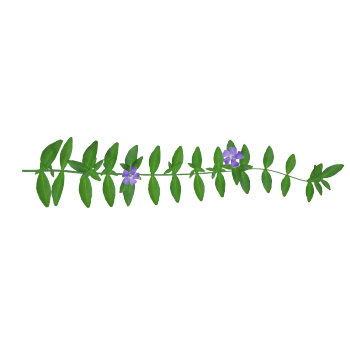
Flowering small vine Changchun flower
Vinca minor L. is a creeping perennial herb in the Apocynaceae family, belonging to the genus Vinca. It has an upright stem and is hairless throughout the plant. Leaves oblong to ovate in shape; The corolla is funnel-shaped, violet or white in color; The corolla tube is longer than the sepal, and the corolla lobes are obliquely inverted; Flower shaped tongue; The end of the style is swollen, the stigma is hairy, and there is a thickened circular disc at the base. Two follicles, upright. The flowering period is in May.

Xiaoman Changchun Flower
Vinca minor L. is a creeping perennial herb in the Apocynaceae family, belonging to the genus Vinca. It has an upright stem and is hairless throughout the plant. Leaves oblong to ovate in shape; The corolla is funnel-shaped, violet or white in color; The corolla tube is longer than the sepal, and the corolla lobes are obliquely inverted; Flower shaped tongue; The end of the style is swollen, the stigma is hairy, and there is a thickened circular disc at the base. Two follicles, upright. The flowering period is in May.
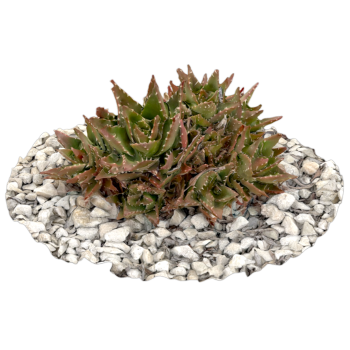
Jade Palace
The Jade Palace (Aloe squarrosa) is a perennial succulent plant in the family Liliaceae, belonging to the genus Aloe. Origin: South Africa. Leaves alternate and spiral at the top of the stem, with triangular shapes ranging from light green to yellow green. The edges of the leaves have white teeth and bloom in summer.

Tassel cup
Tassel cup is a compact perennial herbaceous plant that forms a cluster of neatly lobed, round, toothed, soft furry leaves. Width of 10 centimeters, sometimes tinged with purple. Leaves are evergreen in warm winter regions. From mid spring to midsummer, slender and graceful urn shaped small flower sticks are adorned with tassel petals, far above the lush green hills. Unusual petals may initially be white or creamy in color, but as they age, they typically turn deep pink. Sometimes fragrant, flowers attract hummingbirds.
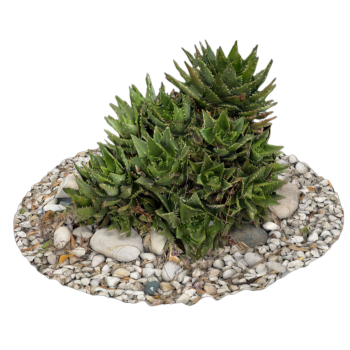
Jade Palace
The Jade Palace (Aloe squarrosa) is a perennial succulent plant in the family Liliaceae, belonging to the genus Aloe. Origin: South Africa. Leaves alternate and spiral at the top of the stem, with triangular shapes ranging from light green to yellow green. The edges of the leaves have white teeth and bloom in summer.

lupin
Lupinus micranthus Guss. is an annual herb that can grow up to 70 centimeters in height. The stem is partially branched, with palmately compound leaves and small leaves ranging from needle shaped to inverted needle shaped. The leaves are thick, and the inflorescence grows at the top. The inflorescence axis is slender, and the flower stem is very short. The calyx has two lips and is covered with hard hairs. The corolla is blue, and the flag and keel petals have white markings. The pod is oblong linear, the seed is oval shaped, flat, spotted, and smooth. Flowers bloom from March to May and bear fruit from April to July.

High altitude European fern
Dryopteris filix mas (L.) Schott is a plant species belonging to the family Dryopteridaceae and the genus Dryopteris. The plant is about 50-120 centimeters tall. Produced in the northwest and north of Xinjiang, distributed in Europe, North America, Central Asia, and the northern temperate zone. Growing in coniferous forests or by small rivers at an altitude of 1500-1900 meters, it is distributed in groups. The medicinal use of ferns has a long history in China, such as Guanzhong, which had been used as a medicinal plant for over 2000 years and had insecticidal effects; After liberation, with the continuous development of medical research in our country, a large number of valuable medical discoveries have been made.

European scale fern
Dryopteris filix mas (L.) Schott is a plant species belonging to the family Dryopteridaceae and the genus Dryopteris. The plant is about 50-120 centimeters tall. Produced in the northwest and north of Xinjiang, distributed in Europe, North America, Central Asia, and the northern temperate zone. Growing in coniferous forests or by small rivers at an altitude of 1500-1900 meters, it is distributed in groups. The medicinal use of ferns has a long history in China, such as Guanzhong, which had been used as a medicinal plant for over 2000 years and had insecticidal effects; After liberation, with the continuous development of medical research in our country, a large number of valuable medical discoveries have been made.
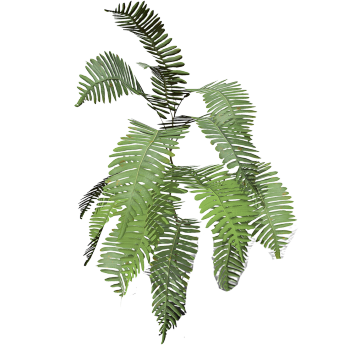
Polypod fern cluster
Polypodia vulgaris L. and Polypodia virginianum L. are the rhizomes of water dragon orthopedic plants. The multi legged fern is distributed in the northeastern part of Xinjiang, China. The Northeast multi legged fern is distributed in Northeast China, North China, and other areas. It has the effect of clearing heat, removing dampness, and detoxifying. Commonly used for damp heat gonorrhea, rheumatoid arthritis, boils, abscesses, rubella itching, and traumatic injuries.
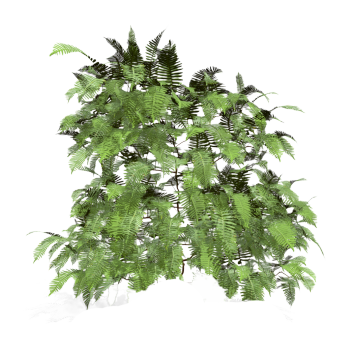
Polypod fern cluster
Polypodia vulgaris L. and Polypodia virginianum L. are the rhizomes of water dragon orthopedic plants. The multi legged fern is distributed in the northeastern part of Xinjiang, China. The Northeast multi legged fern is distributed in Northeast China, North China, and other areas. It has the effect of clearing heat, removing dampness, and detoxifying. Commonly used for damp heat gonorrhea, rheumatoid arthritis, boils, abscesses, rubella itching, and traumatic injuries.

Blooming Newlyweds
Astilbe chinensis (Maxim.) Franch& Sav.: The whole grass is wrinkled. The stem is cylindrical, with a diameter of 1-4 millimeters and a brownish yellow surface; The base has brown membranous scaly hairs or long soft hairs. The basal leaves have two to three lobes and three compound leaves, often fragmented. The intact leaflets are lanceolate, ovate, or broadly elliptical in shape, with a pointed tip and a wedge-shaped base. The edges have teeth, and both sides have sparse and stiff hairs along the veins; The stems and leaves are small and brownish red in color. The inflorescence is densely covered with brown curly long soft hairs, with dense flowers and few stems, and the sepals are deeply lobed; Petals 5, narrow strip-shaped. Sometimes withered yellow fruits can be seen.

Chinese astilbe
Astilbe chinensis (Maxim.) Franch& Sav.: The whole grass is wrinkled. The stem is cylindrical, with a diameter of 1-4 millimeters and a brownish yellow surface; The base has brown membranous scaly hairs or long soft hairs. The basal leaves have two to three lobes and three compound leaves, often fragmented. The intact leaflets are lanceolate, ovate, or broadly elliptical in shape, with a pointed tip and a wedge-shaped base. The edges have teeth, and both sides have sparse and stiff hairs along the veins; The stems and leaves are small and brownish red in color. The inflorescence is densely covered with brown curly long soft hairs, with dense flowers and few stems, and the sepals are deeply lobed; Petals 5, narrow strip-shaped. Sometimes withered yellow fruits can be seen.
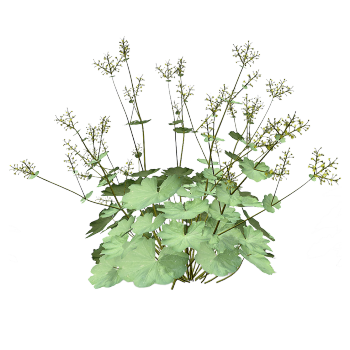
Flowering Feather Grass
Alchemilla japonica Nakai is a perennial herbaceous plant in the Rosaceae family, commonly known as Cape Grass. The plant is up to 13 centimeters tall and has thick and fertile wood; Stems solitary or clustered, upright or obliquely spread, densely covered with white long soft hairs; The leaf is heart-shaped and circular, with a deep heart-shaped base and fine serrations on the edges. Both sides are sparsely covered with soft hairs; The umbrella shaped inflorescence is relatively dense; The inflorescence stem and peduncle are hairless or nearly hairless; The fruit is oval in shape, hairless, and enclosed within the membranous calyx tube; The flowering period is from July to August.

Feather Grass
Alchemilla japonica Nakai is a perennial herbaceous plant in the Rosaceae family, commonly known as Cape Grass. The plant is up to 13 centimeters tall and has thick and fertile wood; Stems solitary or clustered, upright or obliquely spread, densely covered with white long soft hairs; The leaf is heart-shaped and circular, with a deep heart-shaped base and fine serrations on the edges. Both sides are sparsely covered with soft hairs; The umbrella shaped inflorescence is relatively dense; The inflorescence stem and peduncle are hairless or nearly hairless; The fruit is oval in shape, hairless, and enclosed within the membranous calyx tube; The flowering period is from July to August.

Flower leaf green ivy potted plant
Epiremnum aureum (Linden et Andre) Bunting is a vine plant in the Araceae family, belonging to the Kirin leaf genus. Tall vine with multiple branches and hanging branches; Stem climbing, with longitudinal grooves between internodes; The petiole on mature branches is thick and robust, and the leaves are leathery emerald green in color, usually with many irregular pure yellow patches. They are ovate or ovate oblong on different sides, with a short and gradually pointed tip and a deep center at the base. Flowering period in spring, rarely flowering, mainly observing leaves. Because this plant is evergreen all year round, it is named after it.

Flowering Epimedium
Epimedium brevicornu Maxim. is a perennial herbaceous plant in the Berberidaceae family, typically ranging in height from 20 to 60 centimeters; The rhizomes are thick and short, dark brown in color; The complete leaves are compound leaves with three branches and long stalks; Small leaf paper or thick paper, with serrated edges; Flowers white or light yellow; The flowering period is from May to June, and the fruiting period is from June to August. In the book "Annotations to the Classic of Materia Medica", Tao Hongjing mentioned: "In the northern part of Xichuan, there are lustful sheep that gather a hundred times a day and cover themselves with this herb, hence the name Epimedium

Epimedium herb
Epimedium brevicornu Maxim. is a perennial herbaceous plant in the Berberidaceae family, typically ranging in height from 20 to 60 centimeters; The rhizomes are thick and short, dark brown in color; The complete leaves are compound leaves with three branches and long stalks; Small leaf paper or thick paper, with serrated edges; Flowers white or light yellow; The flowering period is from May to June, and the fruiting period is from June to August. In the book "Annotations to the Classic of Materia Medica", Tao Hongjing mentioned: "In the northern part of Xichuan, there are lustful sheep that gather a hundred times a day and cover themselves with this herb, hence the name Epimedium

Brunnera macrophylla
Heart leaf agave, also known as Don't Forget Me, is a flowering plant in the agave family, native to the Caucasus region. It is a cold resistant, rhizomatous, perennial herbaceous plant that can reach a height of 30 to 45 centimeters, with a slender stem and simple linear leaves at the base. The small blue flowers, similar to the ones seen in the related 'Forget Me Not' section, bloom for eight to ten weeks starting from mid spring.
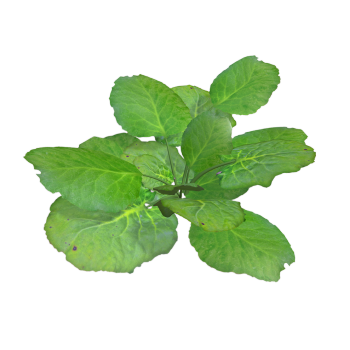
Rock cabbage
Bergenia purpurascens (Hook. f.&Thomson) Engl It belongs to the family of tiger ear grass and is a perennial herbaceous plant in the genus of rock cabbage. It is also known as Dian rock cabbage or Lan Hua Yan Tuo. It can reach a height of 52 centimeters. The rhizomes are thick and robust, and the leaves are basal; The leaves are leathery, with a blunt rounded tip and wavy teeth on the edges to almost the entire margin. The base is wedge-shaped, with small glandular pits on both sides. The edges of the leaf sheaths are hairless. The inflorescence is conical in shape, with sparse glandular hairs on the stem. Sepals leathery, narrowly ovate, petals purple red, broadly ovate, ovary ovoid, flowering and fruiting from May to October.

White clover
White clover, as a ground cover plant. This is a leguminous plant that not only has the characteristic of covering the ground surface as a ground cover plant, but also has the ability to fix nitrogen and increase soil nitrogen levels. White clover, with a creeping stem, prefers warm, cool, and humid climates, reproduces quickly, has strong invasion, and quickly forms a flat. It is resistant to trampling, grows well in general soil, and is also tolerant to certain salinity and extensive management. Therefore, it is known as a ground cover plant that can kill two birds with one stone.

Rotten wood and small moss
Rotten wood moss is slender or thick, yellow green or dark green, slightly brownish green in color, and glossy. The stem crawls and branches densely. The leaves are curved, almost sickle shaped, with a long oval base, concave inward, and long pointed; The leaf edge is slightly curled, with fine teeth on the upper part; Middle ribs are often missing. The leaf cells are diamond shaped or elongated diamond shaped, with a yellow base, and the horn cells are relatively swollen and golden yellow. There are a few short cells above them, which are often transparent. Dioecious plants, rare dioecious plants with the same bract, or leaf bearing male bract plants with different bracts. The inner female bracts have longitudinal folds, long haired tips, and fine teeth on the upper edges.
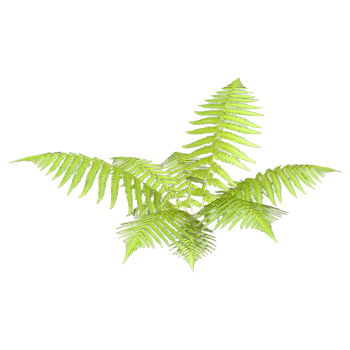
Taiwanese fern
Hypolepis Bernh is a genus in the family Hypolepidae, consisting of approximately 50 species of plants. It is a pan tropical plant, with a greater presence in the tropical regions of the New World, extending southward to South Africa and northward to Japan. The Flora of China records that there are currently 8 species in China, mainly found in tropical and subtropical regions.

Cat's eye grass
Chrysosplenium grayanum, a traditional Chinese medicine name. The whole plant of Euphorbia escula L. [Euphorbia lunulata Bunge], a plant belonging to the family Euphorbia and genus Euphorbia. The plant cat eye grass is distributed in Northeast China, Inner Mongolia, Hebei, Shaanxi, Shandong, Jiangsu and other places. It has the effects of relieving cough, eliminating phlegm, dispersing nodules, dispelling water, removing toxins, and killing insects. Indications include phlegm retention, cough and wheezing, edema, scrofula, scabies, and unnamed swelling and toxin.

Large evergreen herbaceous plant, Araceae, sea taro

Waterside growing plants aquatic plants 3D model
Random Model

Chlorophyllum molybdites
435 View

Military Truck ZIL-Э 133 ВЯТ
203 View

Geiger Miller counter
324 View

Pink Sleeveless Jacket
226 View
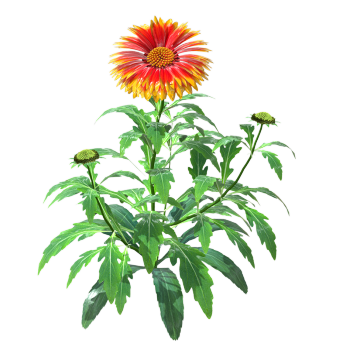
Tianren Chrysanthemum
346 View

Carbon steel golf clubs
171 View

Toyota Supra MK4 sports car
144 View

Kale
304 View
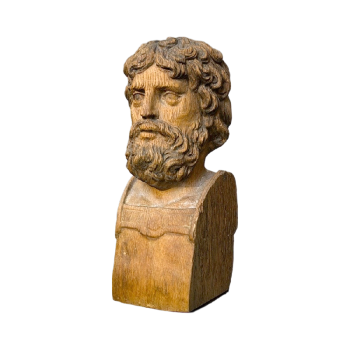
Wood Bust of St. Peter
165 View

Soviet S-75 missile launchers
252 View