Chambord Castle Courtyard, France

Chambord Castle Courtyard, France

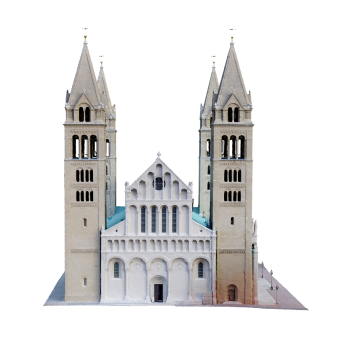
It is one of the most famous castles in the Loire Valley region of France. Located in the central region of France, it is renowned for its grand scale and unique French Renaissance architectural style. Ordered by King Francis I of France, it was first built in 1519 and continuously expanded and renovated in the following centuries. Nowadays, the Ch â teau de Chambord is open to the public as a museum, attracting thousands of visitors every year. The courtyard often hosts various cultural events, such as concerts and theatrical performances, keeping this historic castle active in contemporary cultural life.
Museum of Bourgogne Culture in France

Museum of Bourgogne Culture in France

Located in Bourges, France, it is a building of significant historical and cultural value. Built in the early 16th century, it is an outstanding representative of the early French Renaissance style. Built by the Lallemant family, they not only held important positions in municipal and financial affairs, but also had close connections with the art circle at that time. Located on the Gallic Roman city wall, its unique position creates a sloping passage design that connects the upper entrance to the lower courtyard. Nowadays, it has become a museum of decorative arts, not only a historical and cultural highlight of Bourges, but also an excellent place for tourists to learn about Renaissance architecture and art.
Toledones Observatory in Spain

Toledones Observatory in Spain

A building from the Islamic period located in the city of Torelodones, Madrid Autonomous Community, Spain. The tower was built in Al Andalus during the reign of the Umayyad dynasty from the 9th to the 11th century and is one of the best preserved Islamic watchtowers in the Madrid region. It was declared a cultural property of Spain in 1983 and has the status of immovable cultural relics. The name comes from the trees that grow widely around it, so the nearby village is also known as Toledones. It has become a symbol of the region and has been incorporated into the city emblem. It is a protected cultural heritage site and an important place for tourists to learn about local history and culture.
Banigon Castle, France

Banigon Castle, France

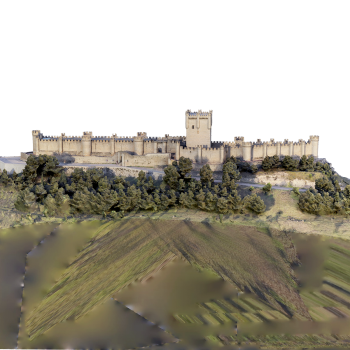
A historical site located in the town of Banigon in the Cher department of central France. History can be traced back to the 12th century, initially located on the border between Berry and Bourbon. Composed of a watchtower with a suspension bridge and a trapezoidal defensive wall, despite extensive repairs in the 19th century, the castle still retains its medieval appearance. Now listed as a historical monument and open to the public, it can be rented for weddings and other important events. Around August 15th every year, the famous Banigon Medieval Festival is held here, attracting numerous tourists and history enthusiasts.
Wandong Hospital in France

Wandong Hospital in France

A medical institution with a long history located in France. This hospital is renowned for its contributions in the treatment and care of mental illness, with a history dating back centuries. It was once the birthplace of many important medical research and humanitarian reforms, and had a profound impact on the development of modern psychiatry. Between 1794 and 1826, Philippe Pinel served as the chief physician of the Wandong Hospital and was a pioneer in the reform of psychiatric treatment in France. Nowadays, Wandong Hospital continues to provide high-quality medical services to patients with its expertise and contributions in the medical field.
Serbian Младеновић Family Courtyard

Serbian Младеновић Family Courtyard

The village of Гостуチа, located in Serbia, is a unique traditional village built entirely of stone and surrounding natural materials, and is sometimes referred to as the "Stone Village". Located in the eastern part of Serbia, nestled within the naturally beautiful StaraPlanina mountain range. This village is renowned for its primitive architectural style and ancient way of life, which have remained largely unchanged over the centuries. The family courtyard is one of the many traditional residences in the village, which not only showcases the local architectural style but also reflects the philosophy of harmonious coexistence between residents and the natural environment.
Kniajevac Water Tower, Serbia

Kniajevac Water Tower, Serbia

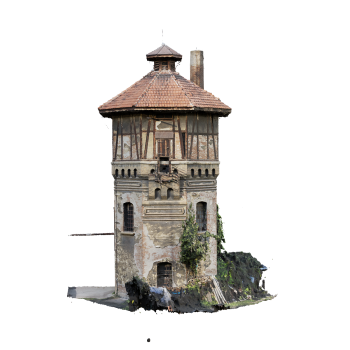
A historic building located in Kniajevac, Serbia.. This building is an example of architecture from the socialist period, and its design and construction reflect the architectural style and urban planning concepts of that time. It was only filled once for testing in 1964 and has not been used since then. Not only is it a unique landmark in Kniajevac, but it is also protected due to its unique history and architectural features. Witnessing the changes in the region from ancient times to the present, it has become an important resource for studying local history and culture. In addition, the construction of the water tower also reflected the social demand for public facilities and modern urban development at that time.
Vietnam Hue Ampang Cemetery

Vietnam Hue Ampang Cemetery

Located in Anbang Village on the outskirts of Hue City, Vietnam, this cemetery is known as the "City of Ghosts" due to its unique burial architecture. Stretching along a 3-kilometer-long roadside, these tombs are renowned for their brightly colored and ornate burial structures. They are not only grand in scale, but also adorned with golden sculptures and mythical creatures such as dragons, unicorns, phoenixes, as well as fully functional rooms, bathrooms, and kitchens. They reflect the local residents' deep remembrance of their ancestors and their profound beliefs in life after death and religious beliefs.
Kunming Biji memorial archway

Kunming Biji memorial archway

It is one of the famous historical and cultural landmarks in Kunming, together with Jinma Square, known as "Jinma Biji Square". It is located at the intersection of Sanshi Street and Jinbi Road in the center of Kunming city. Founded during the Xuande period of the Ming Dynasty, its name comes from the legendary Blue Chicken God near Dianchi Lake, symbolizing auspiciousness. This wooden memorial archway carved beams and painted rafters is extremely beautiful, 12 meters high and 18 meters wide. It is tens of meters away from the Golden Horse Archway. The shape of the two archways is similar, which together constitute the unique landscape of "three memorial archway with characters" in Kunming. Not only is it a cultural symbol of Kunming, but it is also a witness to the historical changes of the city. It has undergone multiple reconstructions, with the most recent one being in 1998 when it was rebuilt to its original appearance.
Astino Monastery, Bergamo Province, Italy

Astino Monastery, Bergamo Province, Italy

Located in the province of Bergamo in the Lombardy region of Italy, it is a cultural site with a long history. Located in the picturesque Astino Valley, it is part of the Bergamo Hills Park. Built in 1107, it was constructed by the nobles of Bergamo who purchased land to support the monks of the Valronbrosi Order. The history of the monastery is closely linked to the development of the local society, and has undergone multiple constructions and renovations, including a large-scale reconstruction in the 15th century, forming the magnificent buildings with corner towers that we see today. Witnessing the development of religion, culture, and art from the Middle Ages to the Renaissance, it is an important resource for studying the social history of that time
Architecture in Dimitrovgrad del Manovo, Serbia

Architecture in Dimitrovgrad del Manovo, Serbia

A cultural heritage site located in the city of Dimitrovgrad, Serbia. The 3D model of the building was created by architect Aleksandar Nik š i ć for the purpose of cultural heritage conservation research. This study was conducted by the Nis Cultural Heritage Protection Institute, led by architect Ivana Cvetkovi ć and historian Đ or Đ eSTO š i ć. It is not only a landmark building in the city of Dimitrovgrad, but also a symbol of the region's history and culture. It has witnessed the development and changes of the local society, and has important historical and artistic value.
Russian Church

Russian Church

Usually refers to churches belonging to the Russian Orthodox Church, which often adopt Byzantine or Russian traditional architectural styles and are famous for their magnificent domes, rich murals, and icons. Design often reflects strong religious culture and historical traditions, and is also an important representative of Russian architectural art. Not only does it play an important role in religious ceremonies, but it is also the center of community activities. Often has exquisite interior decorations, including golden icon screens, delicate murals, and gorgeous chandeliers. In addition, the architectural style and decoration of churches often contain rich religious symbolic meanings and historical stories.
Odenwald Elbach Castle, Germany

Odenwald Elbach Castle, Germany

A historic castle located in the Odenwald region of Germany, it is not only a museum but also a treasure trove of culture and art. The castle houses a large collection of precious artworks and antiques, including the collection of the famous Count Franz I von Elbach El. There is also the 'German Ivory Museum', which showcases exquisite ivory carving art. History can be traced back to the 16th century, it is a treasure trove that can be walked into, and a place full of happiness and excitement, where visitors can hardly fully appreciate its rich collection.
Cultural Memorial Buildings 19 and 21 in Niyajevac, Serbia

Cultural Memorial Buildings 19 and 21 in Niyajevac, Serbia

Located in Kniajevac, Serbia, these are two culturally significant buildings. On the 19th, there is a charming building that showcases the traditional architectural style of this city. This building has been restored and protected, showcasing traditional Serbian craftsmanship and architectural techniques. It is a historic place that provides visitors with an opportunity to learn about local culture and history. On the 21st, it is a modern building that showcases the urban development of Kniajevac. It is a multifunctional building that includes commercial spaces, offices, and residences. The design of this building is modern and unique, adding a touch of modern scenery to the city.
Catonwood Heights Paper Mill, Utah

Catonwood Heights Paper Mill, Utah

Located in Catonwood Heights, Utah, it is a historic landmark building with a history dating back to the 19th century. Originally used as a place for pulp and paper production, it was purchased by Desaret News Company in 1880 and built under the guidance of Henry Grow in 1883. Adopting the Romanesque Revival architectural style, constructed using nearby granite, and with hydraulic power as its main source of power. Over time, the old mill has undergone multiple changes. In 1892, due to a devastating fire, the mill suffered severe damage. In 2005, it was abandoned due to violation of building regulations.
Chile's Lota Park houses

Chile's Lota Park houses

Located in the Lota Park in Concepcion, Chile, it is a historically significant building. Once part of park management, designed by architect J Smith was built in 1873. Unfortunately, it was partially destroyed in the 2010 earthquake and has been uninhabited ever since. Currently in the process of restoration, aimed at restoring its historical appearance. It is not only a landmark within Lota Park, but also an important part of the local cultural heritage, and its restoration is of great significance for maintaining the history and culture of the region.
Ovid Church, Idaho, USA

Ovid Church, Idaho, USA

The Church of Latter day Saints located in Ovid, Idaho, USA, is a historically significant building. Built in 1896, it cost $3000 and was jointly funded by community members at the time, with the church donating $500. This church is not only a place for religious activities, but also the center of community social life. The church has hosted multiple dances, theatrical performances, dinners, and Christmas celebrations, creating many beautiful memories for local residents. However, due to various reasons, including a decrease in the number of community members, this church closed its doors on July 2, 1967.
Serbian Kniajevac Ancient Villa

Serbian Kniajevac Ancient Villa

A historical building located in Kniajevac, Serbia. This villa was built in 1939 and commissioned by ЂокаЦветковић, a hotel owner, entrepreneur, businessman, and military supplier. The design inspiration for the villa may have come from a castle in the Czech Republic or Austria, constructed by a Belgrade architectural company. This building is not only a residence, but its construction also reflects the luxurious lifestyle of the upper echelons of society at that time. Nowadays, this villa is privately owned and has become quite dilapidated. It is located on a highland in the western part of Kniajevac, surrounded by numerous vineyards and orchards.
St. George's Church in Serbia

St. George's Church in Serbia

A Orthodox church located in Kniajevac, Serbia. It is a historic religious building with significant cultural and spiritual value to the local community. The architectural style and decorative details reflect the characteristics of 19th century Serbian religious architecture, and its interior decoration may include exquisite murals and icons, showcasing the tradition and spirit of Eastern Orthodox art. Not only is it the center of local religious activities, but it is also an important component of the historical and cultural heritage of Kniajevac. Witnessing the development of Serbian society and religious life is an important link connecting the past and present.
St. George's Church in Seville

St. George's Church in Seville

Located in Kniajevac, Serbia. This church is a religious building of the Serbian Orthodox Church and has significant cultural and historical value. The origin can be traced back to the early 19th century, specifically starting construction in 1833 to commemorate Prince Milos Obrenovic's first visit to the region. The construction was completed in 1835, and the bell tower and clock were added shortly thereafter. Not only is it the religious center of the local community, but it is also an important component of the region's historical and cultural heritage. Witnessing the development of Serbian society and religious life is an important link connecting the past and present.
The oldest mill in Baltimore, USA

The oldest mill in Baltimore, USA

Owens Mills, located in Baltimore County, Maryland, USA, is the largest and oldest surviving mill in Baltimore County. Built in the early 1790s by ambitious businessman and revolutionary patriot Samuel Owens. Not only is it a historical relic, but it is also a model of merchant mills established during the post-war investment boom. It showcases the characteristics of mill architecture from that era, with its red brick structure and historically significant mechanical components still preserved to this day. Although commercial operations have ceased, it has been preserved as a part of history and has become a symbol of local history and culture, attracting history enthusiasts and tourists to visit
Jekyll de Boer Forest Church

Jekyll de Boer Forest Church

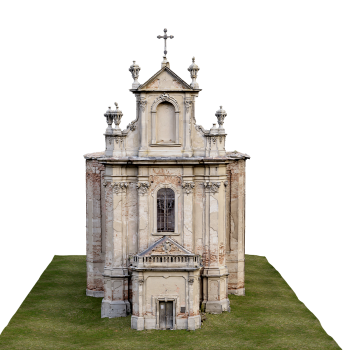
The distance on the road from Telnice to Nakl é ř ov in the Czech Republic is about 4 kilometers. It is a Gothic style chapel built by Count Adolf Laidberg in 1832 as part of his hunting lodge. The design reflects the revival and love of medieval Gothic style during the Romantic period of the 19th century. Not only does it serve as a venue for religious activities, but it is also an important cultural heritage and tourist attraction in the region, attracting tourists interested in historical buildings to visit.
Khodovichavan Cathedral in Ukraine

Khodovichavan Cathedral in Ukraine

The Roman Catholic Church located in the village of Khodovytsia near Lviv, Ukraine. The establishment can be traced back to the 13th century, with the earliest recorded document appearing in 1498. The architectural history of the church has undergone multiple changes. The original wooden church was burned down during the Tatar attack in 1621, and a stone church was rebuilt on the original site. In the mid-18th century, due to the poor structural condition of the church and the risk of collapse, the pastor of a church near Navaria decided to invest in the construction of a new church. The famous architect Bernard Meretin was commissioned to design this church at that time.
Serbia Suldulic Martyrs Memorial Hall

Serbia Suldulic Martyrs Memorial Hall

A commemorative building located in Serbia, built in 1924, to commemorate the Serbian people who suffered and were killed during World War I. The establishment of this memorial hall is a tribute to that dark history and a respect for the victims. In 1943, Bulgarian occupiers destroyed the memorial hall and reburied the remains at multiple locations in Surdulic. In 2009, while building a family tomb, the remains of a martyr were accidentally discovered. These remains were cleared and buried in the memorial hall, which was also restored in 2009.
Abandoned Soviet schools

Abandoned Soviet schools

It is one of the abandoned educational facilities after the dissolution of the Soviet Union. These schools are usually located in remote areas, and due to insufficient government funding, they cannot receive effective maintenance and support, resulting in a gradual loss of population and abandonment of the schools. From these abandoned schools, one can see the classrooms, buildings, and various teaching equipment of the past, but there is no trace of students and teachers anymore. These relics have become witnesses to history, reflecting a part of the education system during the Soviet era, as well as the social and cultural landscape of that time. Not only is it a review of past educational models, but it also triggers people's thinking on education, social change, and the protection of historical heritage.
Zubrnice Holy Trinity Church in Czech Republic

Zubrnice Holy Trinity Church in Czech Republic

The Holy Trinity Church in Zubrnice, Czech Republic, is a historically significant religious building. Originally built as a private castle chapel, the exact construction time is unknown, but in 1557, JanK á ba buried his five relatives here. During the Thirty Years' War, the chapel may have been abandoned or looted, but it was later rebuilt from the ruins by Antonio Bruccio and consecrated again in 1635 as an affiliated chapel. Until the reform of Joseph II in the late 18th century, churches regularly held Sunday and holiday worship.
The Khotke Family Tomb in Czech Republic

The Khotke Family Tomb in Czech Republic

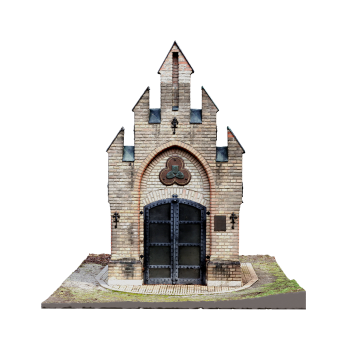
The Holtek family tomb located in Valtilov, Czech Republic, is a monument of historical and architectural value. It is an important representative of Gothic architectural style, known for its complex design and cultural heritage value. This tomb is a permanent commemoration of influential members of the local aristocratic Holtke family in the 19th century, showcasing the exquisite craftsmanship of the craftsmen at that time. Highlighting its Neo Gothic decorative details. Not only is it a historically significant location, but it is also a marvel of architecture, reflecting the evolution of artistic sensibility during the construction period. It is part of the rich cultural tapestry of Czech Republic.
Rijnieku Windmill in Latvia

Rijnieku Windmill in Latvia

A historic windmill located in Latvia. It was built based on Dutch design drawings and was constructed between 1867 and 1869. This type of windmill was considered suitable for large and powerful windmills at that time. Not only does it represent a traditional milling technique that utilizes wind energy, but it is also a part of Latvia's industrial heritage with a unique architectural style and historical value. It is usually used for grinding grains or pumping water, and its specific function and historical background may be related to its geographical location and agricultural needs at that time. Not only does it showcase engineering technology from history, but it also provides a way for modern people to understand past lifestyles
Latvian Sun ā kstes White Church

Latvian Sun ā kstes White Church

A landmark building located in J ē kabpils Autonomous City, Latvia. This Lutheran church was first built in the early 19th century, specifically from 1826 to 1829, replacing the old wooden church built in 1570. Built in neoclassical style, featuring a three story tower and prominent mountain walls. Not only is it the center of religious activities, but it is also a place to commemorate the outstanding figure Vecai Stenders of Latvia in the 18th century. There is a Stenders family cemetery nearby, and the surrounding environment of the church is beautiful, making it one of Latvia's important cultural and historical heritages.
The Ruins Church of Rakovets, Bulgaria

The Ruins Church of Rakovets, Bulgaria

A church located in Rakovets, Bulgaria, built in the mid-19th century, specifically between 1822 and 1856, replacing an old wooden church from the early 18th century (1704) and consecrated in 1856. It was partially burned down in 1880 and subsequently rebuilt. Build using locally chiseled limestone. In 1946, the church was closed and most of its interior decorations were burned down. Between 1952 and 1980, this church was used as a warehouse. Until recently, although buildings were still covered with ceramic roof tiles, only the walls of the temple have been preserved.
Kumamoto Prefecture Imperial Master Hall, Japan

Kumamoto Prefecture Imperial Master Hall, Japan

An important cultural property located in Kumamoto Prefecture, Japan, was established in memory of Master Hongfa, also known as Master Kukai. He is the founder of Shingon Buddhism in Japan and has had a profound influence on Japanese Buddhism, culture, and art. The Imperial Master Hall usually refers to the main hall in temples closely related to Master Kong Hai, which often preserves cultural relics and relics related to the master. Not only is it a place of religious belief, but also a platform for showcasing traditional Japanese architecture and art. These halls are often exemplars of wooden architecture, showcasing the exquisite craftsmanship and aesthetic value of ancient Japanese architecture. Enable people to have a deeper understanding of Japan's history, religion, and culture
Abandoned Christian churches in Russia

Abandoned Christian churches in Russia

Petrov gunsmith's villa

Petrov gunsmith's villa

A historical residence located in Russia, famous for its association with the famous gunsmith Petrov. Built in the late 19th century, it was once the summer residence of Petrov, a renowned gunsmith known for his outstanding craftsmanship and innovative designs. This villa embodies the architectural style of the time, with a charming wooden exterior and intricate details. Located in a picturesque rural environment, it provides a peaceful escape from the hustle and bustle of city life. Surrounded by lush gardens and beautiful scenery, it showcases Petrov's love for craftsmanship and his way of life. Appreciate the skills and dedication of this gunsmith.
The Tower of Kings in Oropesa, Spain

The Tower of Kings in Oropesa, Spain

A historical building located in Oropesa, Castell ó n Province, Spain, also known as the "Tower of Kings". Built in the 15th century, it is a stone tower approximately 30 meters high. Located by the beach, it has a strategic location and is used as an important facility for coastal defense and surveillance. The tower has a sturdy exterior and a medieval architectural style. Named after a king in the history of Oropeza, believed to be King Alfonso V. According to legend, he once stationed here to protect the region from the threat of pirates and invaders. It showcases the importance of medieval Spanish architectural style and coastal defense, as well as its rich historical and cultural heritage.
The Coastal Watchtower in Cuella City, Spain

The Coastal Watchtower in Cuella City, Spain

Located in the city of Cullera in Valencia, Spain, this ancient coastal watchtower was built in the 16th century to monitor and defend against pirate attacks along the Mediterranean coast. It is part of the coastal defense system of the Kingdom of Valencia, consisting of rough stone walls in a conical shape, with a bottom circumference of about 10 meters and a height of about 15 meters. The tower contains a basement, two floors, and a terrace with battlements. In the 18th century, a six pound iron cannon was installed on the terrace. At present, the tower has been fully restored and listed as a cultural heritage site. There is now a themed museum inside the tower, showcasing exhibitions on Mediterranean coastal defense and 16th century piracy.