
The historic London Opera House

The historic London Opera House

A historic theater located on the south bank of London, built in 1587 by Philip Henslow and John Chomley, was the first specifically constructed theater on the south bank of London. Known for its unique circular design, it is the premiere location of many famous playwrights such as Shakespeare and Marlowe. It was discontinued in the early 16th century and dismantled in 1606. In 1988, with the demolition of a 1950s office building, some of the ruins were able to be uncovered, and archaeologists excavated approximately two-thirds of the theater's ground layout.
Nousiainen Stone Church in Finland

Nousiainen Stone Church in Finland

Located in the Nousiainen region on the southwest coast of Finland, it is an ancient church with significant historical and cultural value. Originally recorded in 1232, it was a smaller church, possibly built of wood, dedicated to the Virgin Mary. Archaeologists have discovered that there are cemetery remains dating back to the early 11th century in the church area. The legendary first bishop of Finland, St. Henry, was initially buried in the Nousiainen Church and later moved to Turku Cathedral in the late 14th century. The existing stone church was built between 1420 and 1430 and is also dedicated to Saint Henry. Later named as a national architectural heritage.
Shuri Castle, Naha City, Japan

Shuri Castle, Naha City, Japan

Located in Naha City, Okinawa Prefecture, Japan, it is the main castle and political and cultural center of the Ryukyu Kingdom in the history of the Okinawa Islands. Built in the late 14th century, it became the center of the Ryukyu Kingdom after being unified by the founder of the Ryukyu Kingdom, Shang Bazhi, in 1429. It was once the residence and administrative center of the Ryukyu King until 1879 when Ryukyu was officially incorporated into Japan's territory and established as Okinawa Prefecture. Renowned for its unique Ryukyuan architectural style and distinctive red roof, its design blends Chinese and Japanese architectural techniques. Shuli City and its related sites were listed as World Heritage Sites by UNESCO in 2000.
Wooden Church in Salej County, Romania

Wooden Church in Salej County, Romania

Located in Salige County, Romania. This church is one of the outstanding representatives of traditional wooden architecture in Romania, reflecting the rich cultural heritage and wooden craftsmanship of the local area. It is very common in Romania, especially in the Maramures region, not only as a place of religious belief, but also as an important part of the local community's cultural and spiritual life. Using traditional construction techniques, instead of nails, wood is tightly bonded together through exquisite woodworking skills. Not only is it a landmark building in the region, but it is also an important tourist destination that attracts visitors and has significant value for studying Romania's history, religion, and ethnic art
New Zealand Christchurch Romanesque Cathedral

New Zealand Christchurch Romanesque Cathedral

Located in Christchurch, New Zealand, commonly known as the Christchurch Romanesque Cathedral or simply Basilica, it is a religious building of significant historical and cultural value. Designed by Francis William Petteri and built between 1901 and 1905, its architectural style was influenced by early Roman church architecture. It was once regarded as one of the outstanding representatives of church architecture in the Australasian region. Unfortunately, the 2011 Christchurch earthquake severely damaged this cathedral, leading to its demolition in 2020. During its existence, it was an important cultural symbol of Christchurch and even New Zealand.
Kvetera Church in Kakheti, Georgia

Kvetera Church in Kakheti, Georgia

A historic religious building located in Kakheti Oblast, Georgia, which is part of the Kvetera fortress. Built in the 10th century, it is renowned for its unique four arch design and exquisite architectural craftsmanship. Constructed using locally unique volcanic tuff, the exterior is decorated with blue tiles, while the interior features a dome and arched structure. Not only is it a model of early medieval religious architecture in Georgia, but it is also an important milestone in the country's architectural history. Despite experiencing thousands of years of storms, it still maintains its solemnity and elegance, and is a valuable heritage for exploring Georgia's history and culture.
Painted houses in the Podolia region of Poland

Painted houses in the Podolia region of Poland

A unique small village located in the Podolia region of southern Poland, known for its traditional painted houses. Residents decorate their homes with exquisite floral patterns and folk art style paintings, making the entire village like an outdoor art gallery. This decorative tradition originated in the 19th century, initially to cover up the smoke marks caused by cooking smoke, and gradually evolved into a cultural custom. Not only does it beautify the family, but it also carries the creativity of local residents and respect for tradition. With its unique style and vivid colors, it has attracted tourists and artists from all over the world to visit and learn.
Peruvian Franciscan Monastery and St. Francis Cathedral

Peruvian Franciscan Monastery and St. Francis Cathedral

An important religious complex located in the historical center of Lima, the capital of Peru. Founded by Fr é d é ric Francisco de la Cruz of the Franciscan Order in 1546, it is one of the oldest religious buildings in Lima. Renowned for its Spanish Baroque architectural style, the interior decoration is magnificent and boasts many precious artworks and historical relics. In addition, the library houses approximately 25000 volumes of ancient books, some of which date back to the 16th century. In 1988, the monastery and church were listed as a World Cultural Heritage site by UNESCO, becoming important cultural and religious symbols in Peru and even Latin America.
Vintage wooden bathhouse

Vintage wooden bathhouse

Hindu temples in East Java, Indonesia
Hindu temples in East Java, Indonesia

An ancient Hindu Buddhist style temple located approximately 12 kilometers north of Malang City, East Java Province, Indonesia. It was built to commemorate the last king of the Singosari dynasty, Kertanagara, who died when his palace was captured by usurpers in 1292. This temple is renowned for its unique architectural style and exquisite sculptures, although it seems to have never been fully completed. The roof is decorated with highly detailed "Kara" portraits, which are symbols of time and destruction in Hinduism. Not only is it an iconic building in Malang County, but it is also one of the important cultural heritages in East Java region.
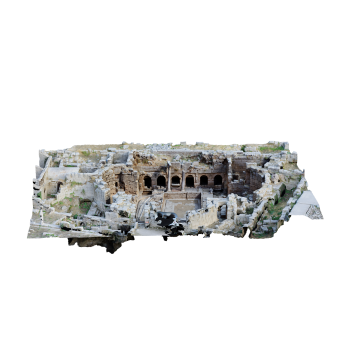
Ancient city of Corinth on the Peloponnese Peninsula in Greece

Ancient city of Corinth on the Peloponnese Peninsula in Greece

It is an important ancient city on the Peloponnese Peninsula in southern Greece, located on the isthmus connecting the Greek mainland and the Peloponnese Peninsula. With a long history dating back to around 3000 BC, it began to develop significantly as a commercial center in the 8th century BC. Due to its strategic location and ability to control the isthmus, it held significant commercial and strategic importance in ancient times. In ancient Greece, it was a trading center with a navy fleet and participated in multiple Greek wars. Despite the ruins of the ancient city, there still stands an impressive temple dedicated to Apollo.
Ch â teau de Charente Raboli, France

Ch â teau de Charente Raboli, France

A historic castle located in the Charente department of France. The specific construction year is unknown, but its history can be traced back to the Middle Ages and it is an important component of the region's historical and cultural heritage. Known for its magnificent architectural style and rich historical stories. The design incorporates multiple elements and reflects the architectural features of different periods. It was once the residence of nobles and witnessed many historical events, including wars, political changes, and social activities. Nowadays, the castle is open to the public and has become a popular tourist attraction. Appreciate the beauty of its architecture and art, while also learning about the historical stories related to it.
The New Saint Convent in Moscow, Russia

The New Saint Convent in Moscow, Russia

Located in Moscow, Russia, it is an Orthodox women's monastery and one of the most famous and important religious buildings in Moscow. Built in the 16th century, its name comes from the statue of the Virgin Mary enshrined in the monastery, which is said to have had miracles and is therefore revered as the "New Holy Maiden". It is not only a place for religious activities, but also a symbol of Russian history and culture. It was once a cemetery for the Tsar family, where many tsars and their family members were buried. The architectural style and interior decoration reflect the essence of traditional Russian religious art, and its exquisite murals and icons have high artistic value. Understand Russian religious culture and history.
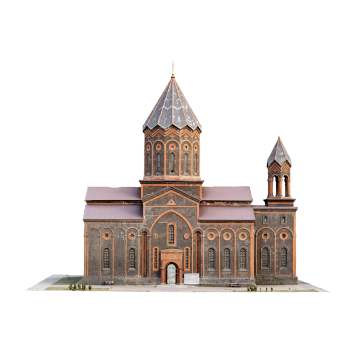
Makaravank Monastery in Armenia

Makaravank Monastery in Armenia

A medieval architectural complex located in Tavush Province, Armenia, situated on the slope of Paitatap Mountain, approximately 3 kilometers from Achajur village. Built in 1205, it was constructed using pink andesite. It also includes an ancient church from the 10th to 11th centuries, as well as the St. Astartesin Church built by Abbot Hovhannes in 1198, known for its exquisitely carved portal. Although the monastery is no longer in use, its ruins are well preserved and serve as important witnesses to Armenia's medieval religious and cultural history.
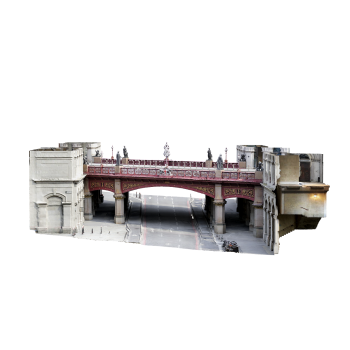
Holborn Viaduct, London, UK

Holborn Viaduct, London, UK

A historic bridge located in London, built between 1863 and 1869 and designed by engineer William Heywood, was one of the most ambitious and costly engineering projects of its time. Not only does it connect Holborn and Newgate Street, but it also spans Farringdon Street and the underground Fleet River. 1400 feet long and 80 feet wide, made of cast iron, supported on granite columns. Design and construction were considered engineering feats at the time, not only improving the city's traffic flow, but also an important symbol of modern Victorian era London. It is also considered by some to be the world's first overpass.
Harichavank Monastery, Armenia

Harichavank Monastery, Armenia

A medieval monastery in the VayotsDzor region of Armenia, located on a hillside in Harich village, overlooking magnificent natural scenery. Built in the 7th century and undergoing centuries of reconstruction and expansion, it has become an important witness to Armenian Christian culture and religious heritage. Renowned for its exquisite architecture and carvings, including the Church of Saint Gregory and the Church of Saint Astartesin, as well as complex reliefs adorned with cross shaped stone tablets. Not only does it showcase the evolution of Armenian church architecture, but it also reflects the influence of different cultural periods.
Madrid Multi functional Cultural Center, Spain

Madrid Multi functional Cultural Center, Spain

A multifunctional cultural center located in Madrid, Spain, designed by Belgian architect Henri Lenaerts. The center is renowned for its unique modern architectural style and sensitivity to the environment. Gardens and external spaces are important components that not only provide green space and natural lighting for the building itself, but also enhance the visitor experience through carefully designed landscapes. These external spaces are often used to host various cultural events, such as art exhibitions, concerts, and community gatherings, becoming an important venue for community cultural life.
Ruins of Red Brick Castle

Ruins of Red Brick Castle

Greentown Castle, Ayrshire, Scotland

Greentown Castle, Ayrshire, Scotland

Located on the southern coastline of Ayrshire, Scotland, near the city of Ayrshire, overlooking Clyde Fjord. Built in 1603 by John Kennedy for the Baltrian family, it was once the largest landlord in southwest Scotland, owning over 10 castles. Originally built to defend against incoming enemies at sea, its ruins still retain a majestic aura to this day. But it gradually fell into disrepair and was abandoned after 1766. The area where it is located has beautiful scenery and nearby attractions such as Eyre Cliff. Although only the main tower and some building foundations remain, it remains a valuable resource for exploring Scottish history and culture.
Lmbatavank Monastery in Armenia

Lmbatavank Monastery in Armenia

A historic religious building located on the southwest slope of Artik town in Shirak province, Armenia. Built in the 6th to 7th centuries, it is a cross dome structure with a unique architectural style. Its interior is decorated with murals from the 12th to 13th centuries, which are outstanding representatives of Armenian mural art. Not only renowned for its architectural and artistic value, but also highly respected for its significant position in the religious and cultural history of Armenia. Located on a plateau at an altitude of 1809 meters, it is one of Armenia's important historical and cultural landmarks, attracting numerous history and religious enthusiasts to visit.
VeraCruz Church in Segovia, Spain

VeraCruz Church in Segovia, Spain

A historic religious building located in Segovia, Spain, dating back to the 13th century. Renowned for its unique twelve sided design and Romanesque style, it is considered one of the best preserved churches of its kind in Europe. It is believed to have been built by the Knights Templar, but there has been controversy over the true identity of its builders, with some historians suggesting that it may have been built by the Knights of the Holy Sepulchre in Jerusalem. The design inspiration comes from the Holy Sepulchre Church in Jerusalem, whose architectural style and symbolic significance are deeply rooted in religious traditions and history. It is an important historical site in Segovia.
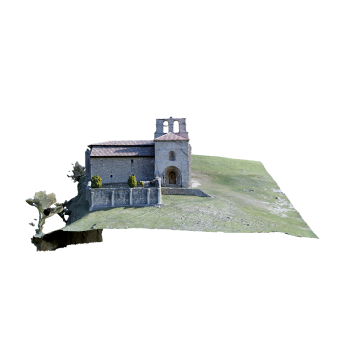
San Lorenzo Gate, Laredo, Spain

San Lorenzo Gate, Laredo, Spain

An ancient city gate located in Laredo, Cantabria Autonomous Community, Spain. As an important historical site in the city of Laredo, the San Lorenzo Gate witnesses the rich historical and cultural heritage of the region. Laredo city is located near the Atlantic Ocean and has a beautiful coastline, making it a scenic tourist destination. The San Lorenzo Gate is not only a part of the city's defense system, but also a legacy of medieval urban structures, providing visitors with a window to glimpse past history and architectural art.
The porch of Leyre Monastery in Navarre, Spain

The porch of Leyre Monastery in Navarre, Spain

A magnificent 12th century porch located in the Leyre Monastery in Navarre, Spain, is one of the important features of the monastery. Known for its complex architectural structure and narrative of biblical stories, it is an outstanding representative of Romanesque art. The design is very exquisite, decorated with columns and capitals of St. Peter, Our Lady, and the Apostles, as well as intertwined bird necks. These details were handmade by the master Esteban, who is also the author of the Plater í as Gate in Santiago de Compostela. Not only is it the public entrance of the monastery, but it is also a necessary path leading to the church.
Lycolette Monastery, Belgium

Lycolette Monastery, Belgium

Nivelle, located in the Walloon region of Belgium. This monastery has rich historical and cultural heritage value and is an important landmark in the city of Nivelle. Built in the mid-13th century, it was created by the Franciscan monk Leclert. The monastery is adjacent to the Church of St. John and Nicholas in Neverle, which is sometimes also known as the Leclert Church. The courtyard is not only a religious building, but also a center for community life and education, which is of great significance to local residents. The protection and reuse of monasteries have always been a focus of attention for local governments and cultural conservation organizations, aiming to preserve and highlight their historical and architectural value.
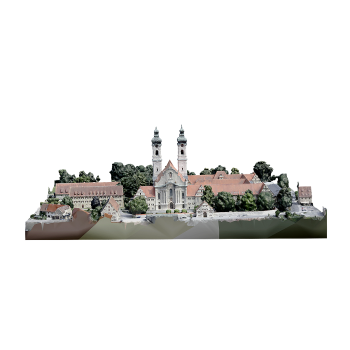
Zwefalten Monastery in Baden-W ü rttemberg, Germany

Zwefalten Monastery in Baden-W ü rttemberg, Germany

A former Benedictine monastery located near Leithringen in the state of Baden-W ü rttemberg, Germany. Built in 1089, during a period of controversy over the right to confer titles, it was established by Jerome of Aham and Count Kuno on the recommendation of the bishop. Not only is it a religious site, but it is also an important component of the region's history and culture. Prior to 1802, it was an important religious and cultural center with profound influence on the surrounding areas. Nowadays, as a historical relic, it attracts numerous tourists and history enthusiasts to visit.
Romanesque period peace church

Romanesque period peace church

It is a religious building with a long history, and its exact construction date is unknown, but it is known to have existed during the Romanesque period. It consists of a narrow nave and a rectangular choir. In the second half of the 14th century, the church underwent expansion, adding a west tower and two side aisles. In the early 15th century, a Gothic choir was added. Unfortunately, the Hussite attack in 1427 resulted in severe damage to the nave, which was later demolished and rebuilt in the second half of the 15th century. Despite experiencing vicissitudes, it remains an important relic for studying medieval religious architecture and regional history. People can learn about the history and cultural value of this church.
Vienna Central Cemetery Underground Tomb Chapel

Vienna Central Cemetery Underground Tomb Chapel

A new Gothic style underground tomb chapel located in the Vienna Central Cemetery. Designed by Austrian architect Max Fleischer and completed in 1905. The design of this chapel incorporates elements of Neo Gothic architecture, showcasing MaxFleischer's innovation and artistic pursuit in the field of architecture. He studied at the Technical University of Vienna and later entered the Academy of Fine Arts for further studies. He mainly designed synagogues, but unfortunately, many of his works were destroyed in 1938. This chapel is not only an architectural work, but also a testament to Max Fleischer's design talent.
power station

power station

Abandoned factory in Leipzig, Germany

Abandoned factory in Leipzig, Germany

Eastern Avenue Sewage Treatment Pumping Station in Baltimore, USA

Eastern Avenue Sewage Treatment Pumping Station in Baltimore, USA

An important municipal facility located in Baltimore, Maryland, United States. Built in 1912, it was a key component of Baltimore's new sewer system at the time. Designed by architect Henry Brauns and chief engineer Calvin Hendricks, the exterior design of the pump station incorporates classical elements. By 1959, the pump station underwent modernization and was replaced with one diesel pump and five electric pumps, which are still in operation today. Although the museum was closed in 2011 due to budget issues, the Eastern Avenue pumping station continued to provide necessary services to Baltimore citizens around the clock.
Victorian Bar in London

Victorian Bar in London

The historic Victorian style bar located in London, situated on the banks of the Grand Union Canal and close to Halston Underground Station, is easily accessible by subway to Wembley Stadium. Known for its superior geographical location and charming riverside scenery, it provides an ideal place to relax and unwind. Whether it's a gathering of friends or a family dinner, you can enjoy the peaceful canal scenery and delicious dining experience here. Offering a variety of craft beers, craft beers, and thirst inducing wines that perfectly complement their British seasonal menu. It is a riverside shelter away from the hustle and bustle of the city, enjoying peaceful time.
Pe ñ afel Castle, Spain

Pe ñ afel Castle, Spain

A historic castle located in Valladolid Province, Castile and Le ó n Autonomous Community, Spain, and one of the most famous landmarks in the region. The history can be traced back to the 10th century, but its current form is mainly the result of important renovations in the 14th and 15th centuries. In 1917, Pe ñ afel Castle was declared a national monument and became a cultural symbol of the wine route along the banks of the Duero River. Built on a highland near the Douro River, its unique ship design adapts to the needs of the terrain, making it strategically important.
Nepal Patan Palace Courtyard Fountain

Nepal Patan Palace Courtyard Fountain

A historic fountain located in the center of the Patan Palace courtyard in Nepal. It is believed to have been commissioned by King Siddhi Narasimha Malla of Patan in 1628. Not only is it a beautiful building, but its design and decoration reflect the society's emphasis and worship of water at that time. The courtyard was damaged in earthquakes in 1934 and 2015, but fortunately, the fountain itself was almost undamaged as the upper floors collapsed outward. Subsequently, through the efforts of the Kathmandu Valley Conservation Trust, the fountain and courtyard were fully restored.
St. Peter and St. Paul's Basilica in P é cs, Hungary

St. Peter and St. Paul's Basilica in P é cs, Hungary

It is the main church and Catholic church in the city of P é cs, Hungary. The history can be traced back to the 11th century, and its existing appearance was mainly reconstructed in the late 19th century based on the design of Frigyes Schmidt. Known for its Neo Romanesque style and four towers, its foundation can be traced back to the ancient Roman period. Not only is it the center of religious beliefs, but it is also a cultural symbol and important historical site of the city of P é cs. It was granted the status of a small temple in 1991 and underwent renovation before Pope John Paul II's visit to Hungary.
Wooden church with snow scenery

Wooden church with snow scenery