Swamp shell butterfly specimen

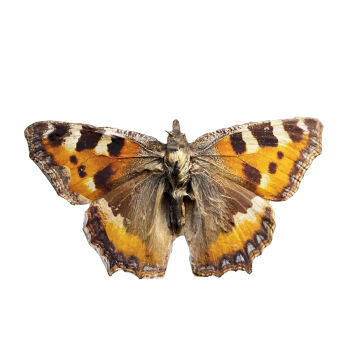
Swamp shell butterfly specimen

It is a butterfly distributed in Europe, especially in the UK, Ireland, and some Nordic countries. Named after their habitat in moist grasslands and marshy areas, they are highly dependent on these specific habitats. Wings usually appear orange and black, and the back of male butterflies' wings has a blue sheen. Larvae feed on specific plants, which is crucial for their survival. Therefore, the distribution of marsh shell butterflies is limited by the habitat of their host plants. Progress has been made in the conservation of marsh mother butterflies in some areas, such as increasing their population through the implementation of specific conservation projects and habitat restoration plans.
Monkey Skull 3D Model Animation

Monkey Skull 3D Model Animation

Belonging to the primate order, it is a mammal closely related to humans. Medium in size, with equal limbs or slightly longer hind limbs, varying tail lengths, cheek pouches and arm calluses, suitable for arboreal or terrestrial life. The skull is larger and the cranial cavity is spherical, which is due to the shortening of the jaw and flattening of the face. Smell is usually secondary to vision and touch, and certain species have highly developed olfactory centers in the brain. The social behavior of monkeys is complex, usually living in groups and forming a hierarchical social structure. There is a variety of food, including fruits, leaves, insects, small animals, etc. In culture, monkeys are often seen as symbols of wit and flexibility.
Jersey tiger moth specimen

Jersey tiger moth specimen

It is a medium-sized moth species distributed in the southern region of England, known for its striking black and white striped forewings and bright orange red hind wings, with black spots on the hind wings. Adults are active during both day and night, visiting various flowers in warm weather and being attracted by light sources at night. Larvae feed on various herbaceous plants and maintain a small body size in winter, until they start feeding and undergo their last molting in spring, followed by pupation. It is a native moth species in the UK, but it is also possible to migrate from the European continent during the summer. They were once only found along the southern coast of England, but in recent years their distribution has expanded.
Hippocampus specimen

Hippocampus specimen

It is a unique marine organism belonging to fish, but its morphology and living habits differ greatly from common fish. They have a horse like head, a curved neck, and a long tail, and the most prominent feature is that their males have a brood sac where they can hatch eggs. The fins are very unique, including a dorsal fin, a pectoral fin, and a small pelvic fin, which enable them to stand upright and move slowly in water. The skin is covered with bony rings, which are composed of hard bone plates and provide protection. Mainly distributed in tropical and subtropical waters around the world, it usually inhabits seaweed beds, mangroves, and coral reefs.
Buddha statue

Buddha statue

This statue depicts the Buddha's appearance before his enlightenment under the Bodhi tree. What happened before this moment is often described as a fierce struggle between good and evil, delusion and insight. Moro, the god of illusions, attacks Buddha and challenges the young prince's right to eliminate him. In response, the Buddha extended his right hand and called on the earth to witness his lifelong good deeds. In records from Southeast Asia, the goddess of the earth appeared and submerged the earth, destroying Moro and his army.
3D model of sperm whale teeth

3D model of sperm whale teeth

It is the largest surviving toothed whale, known for its huge head and unique teeth. There are significant differences in the number and size of teeth between genders and individuals, with males typically having more teeth than females. Having larger teeth that can grow up to 20 centimeters long, conical in shape, mainly located in the lower jaw. Teeth may serve a display function during mating and competition for mates, but are not used for predation. The teeth of female sperm whales are usually smaller and sometimes even underdeveloped, with almost no gum exposed. Sperm whale teeth are composed of dentin, a hard tissue that can resist the immense pressure of deep-sea predation.
3D model of sperm whale ear bone

3D model of sperm whale ear bone

It is the largest surviving toothed whale, known for its massive head and complex sonar system. The head accounts for one-third of its body length and contains special ear structures that are crucial for their navigation and communication in deep-sea environments. The ears of sperm whales do not have obvious external ear structures like terrestrial mammals, but are hidden in complex structures on the head. Characterized by high adaptability to deep-sea environments, including an inner ear structure capable of withstanding extreme water pressure. The hearing is very sensitive and can detect very low frequency sounds that travel far underwater, helping to locate prey, navigate, and communicate with companions.
Philippine deity - Rice Protector

Philippine deity - Rice Protector

The Filipino deity, known as Bul ul (Rice Protector), crouches naked. His elbows are on his knees, and his hands are on his cheeks. It sits on a small pedestal with an irregular hemisphere shape. Black wood grain.
Yi Beike

Yi Beike

It is a common marine shellfish that is loved by people for its delicious meat and rich nutritional value. Shells are wedge-shaped, with a black brown surface and a gray blue interior, giving them a pearl like luster. Usually inhabiting coastal rocks, especially in areas with rapid seawater currents and clear water quality. It has strong resistance to adverse environments such as red tide and sewage, and mainly feeds on organic debris and diatoms. The reproductive ability is strong, and female clams can lay up to 25 million eggs. Strong vitality and easy to cultivate artificially. In terms of consumption, the meat is delicious, rich in protein, essential amino acids, vitamins, and minerals, and is known as the egg of the sea.
3D model of conch shell

3D model of conch shell

Usually refers to the shells of marine snails, which are loved by people for their unique shape and beautiful texture. The size, shape, and color vary, with some shells having smooth surfaces and others having rough textures or nodules. It also holds a unique position in culture and history. In ancient times, snail shells were used as horns or musical instruments in some cultures, while in other cultures they were used as decorative or ceremonial objects. In modern times, conch shells are often used to make various handicrafts such as jewelry, wind chimes, and other decorations. It also has ecological functions in nature. Some marine creatures, such as hermit crabs, use empty snail shells as a home to protect themselves
Leopard skull

Leopard skull

It is a large feline with an elegant body shape and both strength and speed. Known for its unique spotted fur, these spots are called "rose spots" and help camouflage in forest and grassland environments. Widely distributed in various habitats in Africa and Asia, from tropical rainforests to arid desert regions. He is a lonely hunter, skilled in climbing and swimming, often resting and storing prey in trees. The body size of felines is considered moderate, with strong muscles, sharp claws, and strong jaw power, capable of hunting and killing various prey. They usually avoid contact with humans and exhibit strong defensive measures when threatened.
Fossil teeth of megalodon shark

Fossil teeth of megalodon shark

It is an extinct giant shark, considered the largest shark in history and possibly the largest fish. Living during the Early Miocene to Pliocene period, approximately 23 to 2.6 million years ago. Fossil teeth are the main evidence for the existence of this ancient predator, and these teeth can grow up to 18 centimeters long, more than three times the size of modern great white shark teeth. It has a huge body size and a very strong biting force, making it the strongest known animal. The teeth are similar to modern great white sharks, with triangular, serrated edges and symmetry, but larger, thicker, more evenly spaced serrations, and a darker, V-shaped area near the root of the teeth.
3D model of dolphin skull

3D model of dolphin skull

It is a highly intelligent marine mammal belonging to the dolphin family of the cetacean order. Known for its streamlined body, agile swimming ability, and friendly nature. Widely distributed in oceans and certain rivers worldwide, it adapts to various environments ranging from cold polar waters to warm tropical seas. Having a developed sonar system that can detect the surrounding environment by emitting sound waves and receiving echoes, this ability makes underwater navigation and hunting very efficient. It is a social animal that often lives in groups, with complex communication and collaborative behaviors among group members. They feed on fish, squid, and other marine organisms.
Collie Shepherd (Clay)

Collie Shepherd (Clay)

The pottery Collie, made around 100-300 AD, is currently housed at the Minneapolis Academy of Arts. Scottish Shepherd, also known as Collie Shepherd. The coat is long and shiny, with a considerable amount of hair covering the entire body except for the head and limbs; The upper hair is coarse and dense setae, while the lower hair is soft and dense, with characteristic long whiskers.
Shakyamuni Buddha statue (8th century AD)

Shakyamuni Buddha statue (8th century AD)

The limestone Buddha head of Shakyamuni, dating back to the 8th century AD, is currently housed in the Minneapolis Academy of Arts. The Buddha statue of Shakyamuni is highly compatible with the classical style developed by early sculptors of the Tuora bowl. The face is square, the mouth is wide, the nose is flat, and the hair is curly. Although the artist of the Tara bowl drew inspiration from the idealized sculpture concepts of India, this portrait indicates that the facial features of the local residents quickly integrated into their religious art.
The Giant Feet of Roman Emperor Constantine

The Giant Feet of Roman Emperor Constantine

Constantine's giant foot is 2 meters long and 1.5 meters high, making it one of the largest marble feet still standing in ancient times. It is part of a 12 meter tall seated statue. The original is at the Capitoline Museum in Rome. This scan is from a copy in front of the entrance to the Roman Empire Baths in Trier, Germany. The remaining giant feet, hands with fingertips pointing upwards, and the portrait of the emperor all outline a chilling image of the emperor.
Bronze statue of the twelve zodiac animal heads in Yuanmingyuan - pig head

Bronze statue of the twelve zodiac animal heads in Yuanmingyuan - pig head

Originally part of the fountain outside the Haiyan Hall of the Yuanmingyuan. The pig head bronze statue represents the hour of Hai (21:00 to 23:00) and is one of the twelve zodiac bronze statues. It was designed by European missionary, Italian Lang Shining, supervised by French Jiang Youren, and produced by Qing court craftsmen. The pig head bronze statue symbolizes wealth and auspiciousness, and is an important symbol in traditional Chinese culture. In 1860, the Anglo French coalition invaded China and set fire to the Old Summer Palace, causing the loss of pig head bronze statues overseas. In 2003, Macau entrepreneur Dr. Stanley Ho purchased a pig head bronze statue and donated it to the Poly Art Museum, allowing the pig head bronze statue to return to China.
Bronze Statue of the Twelve Zodiac Beasts in Yuanmingyuan - Dog Head

Bronze Statue of the Twelve Zodiac Beasts in Yuanmingyuan - Dog Head

Originally part of the fountain outside the Haiyan Hall of the Yuanmingyuan. The bronze statue of the dog's head represents the hour of Xu (19:00 to 21:00) and is one of the twelve zodiac bronze statues. It was designed by European missionary, Italian Lang Shining, supervised by French Jiang Youren, and produced by Qing court craftsmen. The bronze statue of a dog's head is renowned for its exquisite casting techniques and the fusion of Eastern and Western art. In 1860, the Anglo French coalition invaded China and set fire to the Old Summer Palace, causing the loss of the bronze dog head statue overseas. Until now, its whereabouts are still unknown. Like several other animal heads, its fate has become a symbol of the loss of cultural relics overseas from the Yuanmingyuan and a witness to the loss of Chinese cultural heritage.
Bronze statue of the twelve zodiac animal heads in Yuanmingyuan - chicken head

Bronze statue of the twelve zodiac animal heads in Yuanmingyuan - chicken head

Originally part of the fountain outside the Haiyan Hall of the Yuanmingyuan. The bronze statue of the rooster's head represents the hour of You (17:00-19:00) and is one of the twelve zodiac bronze statues. It was designed by European missionary, Italian Lang Shining, supervised by French Jiang Youren, and produced by Qing court craftsmen. The chicken head bronze statue symbolizes punctuality and diligence, and is an important symbol in traditional Chinese culture. In 1860, the British and French coalition invaded China and set fire to the Yuanmingyuan, causing the chicken head bronze statue to begin to be lost overseas. Until now, its whereabouts are still unknown. Like several other animal heads, its fate has become a symbol of the loss of cultural relics overseas from the Yuanmingyuan and a witness to the loss of Chinese cultural heritage.
Bronze statue of the twelve zodiac animal heads in Yuanmingyuan - Monkey Head

Bronze statue of the twelve zodiac animal heads in Yuanmingyuan - Monkey Head

Originally part of the fountain outside the Haiyan Hall of the Yuanmingyuan. The bronze statue of the monkey's head represents the hour of Shen (15:00 to 17:00) and is one of the twelve zodiac bronze statues. It was designed by European missionary, Italian Lang Shining, supervised by French Jiang Youren, and produced by Qing court craftsmen. The monkey head bronze statue is renowned for its exquisite casting techniques and the fusion of Eastern and Western art. In 1860, the Anglo French coalition invaded China and set fire to the Yuanmingyuan, causing the monkey head bronze statue to begin to be lost overseas. In the 1980s, it was purchased by China Poly Group for HKD 8.185 million at Christie's auction house and is now housed in the Poly Art Museum.
Sculpture: Girl

Sculpture: Girl

Bronze statue of the twelve zodiac animal heads in Yuanmingyuan - Sheep Head

Bronze statue of the twelve zodiac animal heads in Yuanmingyuan - Sheep Head

Originally part of the fountain outside the Haiyan Hall of the Yuanmingyuan. The bronze statue of the sheep's head represents the hour of Wei (13:00 to 15:00) and is one of the twelve zodiac bronze statues. It was designed by European missionary, Italian Lang Shining, supervised by French Jiang Youren, and produced by Qing court craftsmen. The bronze statue of a sheep's head is renowned for its exquisite casting techniques and the fusion of Eastern and Western art. In 1860, the Anglo French coalition invaded China and set fire to the Yuanmingyuan, causing the loss of the sheep head bronze statue overseas. Until now, its whereabouts are still unknown. Like several other animal heads, its fate has become a symbol of the loss of cultural relics overseas from the Yuanmingyuan and a witness to the loss of Chinese cultural heritage.
Bronze statue of the twelve zodiac animal heads in Yuanmingyuan - horse head

Bronze statue of the twelve zodiac animal heads in Yuanmingyuan - horse head

Originally part of the fountain outside the Haiyan Hall of the Yuanmingyuan. It represents noon (11:00 to 13:00) and is one of the twelve bronze statues of the Chinese zodiac. It was designed by European missionary, Italian Lang Shining, supervised by French Jiang Youren, and produced by Qing court craftsmen. Known for its exquisite casting techniques and fusion of Eastern and Western art. In 1860, the Anglo French coalition invaded China and burned down the Old Summer Palace, leading to its loss overseas. In 2007, he was successfully recovered by patriotic Stanley Ho in Hong Kong with HK $69.1 million and donated to the country. On November 13, 2019, it was officially donated to the National Cutural Heritage Administration and allocated to the Beijing Yuanmingyuan Management Office for collection
Bronze statue of the twelve zodiac animal heads in Yuanmingyuan - Snake Head

Bronze statue of the twelve zodiac animal heads in Yuanmingyuan - Snake Head

Originally part of the fountain outside the Haiyan Hall of the Yuanmingyuan. The snake head bronze statue represents the time of the Si (9am to 11pm) and is one of the twelve zodiac bronze statues. It was designed by European missionary, Italian Lang Shining, supervised by French Jiang Youren, and produced by Qing court craftsmen. The bronze statue of a snake's head symbolizes wisdom and prudence, and is an important symbol in Chinese culture. In 1860, the Anglo French coalition invaded China and set fire to the Yuanmingyuan, causing the snake headed bronze statue to begin to be lost overseas. Until now, the whereabouts of the snake head bronze statue are still unknown. Like several other animal heads, its fate has become a symbol of the loss of cultural relics overseas from the Yuanmingyuan and a witness to the loss of Chinese cultural heritage.
The bronze statue of the twelve zodiac animal heads in Yuanmingyuan - Dragon Head

The bronze statue of the twelve zodiac animal heads in Yuanmingyuan - Dragon Head

Originally part of the fountain outside the Haiyan Hall of the Yuanmingyuan. The bronze statue of the dragon head represents the hour of Chen (7am to 9pm) and is one of the twelve zodiac bronze statues. It was designed by European missionary, Italian Lang Shining, supervised by French Jiang Youren, and produced by Qing court craftsmen. The bronze statue of the dragon's head symbolizes power and nobility, and is an important symbol in traditional Chinese culture. In 1860, the Anglo French coalition invaded China and burned down the Old Summer Palace, causing the bronze dragon head statue to begin to be lost overseas. It is now collected in Taiwan, China, China, but the specific situation is still unclear. On December 17, 2018, the dragon head, suspected to be one of the twelve animal heads of the Yuanmingyuan zodiac, appeared at a small auction in Paris, France.
Bronze Statue of the Twelve Zodiac Beasts in Yuanmingyuan - Rabbit Head

Bronze Statue of the Twelve Zodiac Beasts in Yuanmingyuan - Rabbit Head

Originally part of the fountain outside the Haiyan Hall of the Yuanmingyuan. The bronze statue of the rabbit's head represents the hour of Mao (from 5:00 to 7:00) and is one of the twelve zodiac bronze statues. It was designed by European missionary, Italian Lang Shining, supervised by French Jiang Youren, and produced by Qing court craftsmen. The copper statue with a rabbit head symbolizes agility and speed, symbolizing hope and joy. In 1860, the Anglo French coalition invaded China and set fire to the Yuanmingyuan, causing the loss of the rabbit head bronze statue overseas. On April 26, 2013, the French Pinault family announced that they would donate a rabbit head to the Chinese government without compensation. On June 28 of the same year, they officially donated a bronze statue of the rabbit head to China, which is currently housed in the National Museum of China.
Bronze statue of the twelve zodiac animal heads in Yuanmingyuan - Tiger Head

Bronze statue of the twelve zodiac animal heads in Yuanmingyuan - Tiger Head

Originally part of the fountain outside the Haiyan Hall of the Yuanmingyuan. The bronze statue of the tiger head represents the Yin period (3 to 5 o'clock) and is one of the twelve zodiac bronze statues. It was designed by European missionary, Italian Lang Shining, supervised by French Jiang Youren, and produced by Qing court craftsmen. The bronze statue with a tiger's head symbolizes bravery and authority, and is regarded as the embodiment of a king. In 1860, the Anglo French coalition invaded China and burned down the Old Summer Palace, causing the tiger headed bronze statue to begin to be lost overseas. After wandering overseas for many years, he was finally purchased by Dr. Ho Hung shen, a patriot, in 2000 and donated to Poly Art Museum for collection, so that he could return to the motherland.
Bronze Statue of the Twelve Zodiac Beasts in Yuanmingyuan - Ox Head

Bronze Statue of the Twelve Zodiac Beasts in Yuanmingyuan - Ox Head

Originally part of the fountain outside the Haiyan Hall of the Yuanmingyuan. The bronze statue of the ox head represents the hour of ugliness (1 to 3 o'clock) and is one of the twelve zodiac bronze statues. It was designed by European missionary, Italian Lang Shining, supervised by French Jiang Youren, and produced by Qing court craftsmen. Each animal capital has its unique symbolic meaning, with the cow's head representing diligence and resilience. In 1860, the Anglo French coalition invaded China and set fire to the Yuanmingyuan, causing the loss of bronze statues of the twelve zodiac animals, including the ox head, overseas. After wandering overseas for many years, he was finally purchased by Dr. Ho Hung shen, a patriot, in 2000 and donated to Poly Art Museum for collection, so that he could return to the motherland.
Bronze Statue of the Twelve Zodiac Beasts' Heads in Yuanmingyuan - Rat Head

Bronze Statue of the Twelve Zodiac Beasts' Heads in Yuanmingyuan - Rat Head

Originally part of the fountain outside the Haiyan Hall of the Yuanmingyuan in Beijing, it was designed by Italian missionary Lang Shining and made by craftsmen in the Qing court. Each animal capital has its unique symbolic significance. In 1860, when the British and French coalition burned down the Yuanmingyuan, it was stolen and lost overseas. The bronze statue of the rat's head represents the hour of Zi (23:00 to 1:00 the next day) and is one of the twelve zodiac bronze statues. It was auctioned at Christie's in France in 2009, but ultimately failed to sell. On April 26, 2013, the French Pinault family announced that they would donate rat and rabbit heads to China without compensation, and held a donation ceremony at the National Museum of China on June 28 of the same year.
Chinese Zodiac - Pig Statue

Chinese Zodiac - Pig Statue

The pig in the Chinese zodiac symbolizes wealth, good luck, and honesty. In traditional Chinese zodiac culture, the twelve earthly branches corresponding to the pig are "Hai", hence also known as "Hai Pig". With its gentle personality and rich image, it is regarded as a symbol of abundance and harvest. In the legends of the twelve zodiac animals, it appears with its simple, cute, and carefree image. Legend has it that in the process of selecting zodiac animals, although pigs move slowly, they ultimately succeed in obtaining their zodiac position through their honesty and kindness. In Chinese culture, the Year of the Pig is often considered a year full of opportunities and prosperity, suitable for accumulating wealth and enjoying life.
Chinese Zodiac - Dog Statue

Chinese Zodiac - Dog Statue

Symbolizing loyalty, courage, and integrity. In traditional Chinese zodiac culture, the twelve earthly branches corresponding to dogs are called "xu", hence also known as "xu dog". He is regarded as the most loyal friend of humanity due to his loyalty to humanity and natural instinct to protect his homeland. In the legends of the twelve zodiac animals, it appears in the form of loyalty and bravery. It is said that in the process of selecting zodiac animals, with his firm will and unremitting efforts, he successfully obtained the position of zodiac animal. In Chinese culture, the Year of the Dog is often considered a year full of loyalty and protection, suitable for establishing solid interpersonal relationships and maintaining family harmony. It is also associated with the word 'wang'.
Twelve Zodiac Animals - Chicken Statue

Twelve Zodiac Animals - Chicken Statue

Symbolizing diligence, punctuality, and honesty. In traditional Chinese zodiac culture, the twelve earthly branches corresponding to the rooster are "You", hence also known as "You Ji". With its characteristic of waking up early and singing, it is regarded as a symbol of the beginning of a new day, representing brightness and hope. In the legends of the twelve zodiac animals, it appears in the image of diligence and punctuality. It is said that in the process of selecting zodiac animals, with his unremitting efforts and persistence, he successfully obtained the position of zodiac animal. In Chinese culture, the Year of the Rooster is often considered a year full of opportunities and challenges, suitable for diligent work and proactive progress. It is also associated with "auspiciousness" because "chicken" sounds similar to "auspiciousness".
Chinese Zodiac - Monkey Statue

Chinese Zodiac - Monkey Statue

Symbolizing wit, flexibility, and liveliness. In traditional Chinese zodiac culture, the twelve earthly branches corresponding to the monkey are "Shen", hence also known as "Shen Monkey". Due to its intelligence, wit, and playful nature, it is regarded as a symbol of wisdom and skill. In the legends of the twelve zodiac animals, it appears in the form of wit and agility. According to legend, in the process of selecting zodiac animals, with his flexible skills and clever mind, he cleverly utilized the help of other animals and ultimately won the position of zodiac animal. In Chinese culture, the Year of the Monkey is often considered a year full of vitality and creativity, suitable for pursuing new ideas and challenges. Often appearing in art and folklore
Buddha sculpture

Buddha sculpture

The highest fruit of Buddhist practice. Buddha is a transliteration of Sanskrit, abbreviated as Buddha, also translated as Futu or Futu, originally meaning enlightenment. Perception has three meanings: one is self-awareness, which is the so-called self realization of one's nature; The second is called Jue He, which means to speak and guide people; The three are called perfect perception and action. Those who possess these three points of enlightenment can be called Buddha. It is said that Shakyamuni attained enlightenment at the age of 35, gaining insight into the true essence of the universe and life, achieving liberation, and began to proclaim the true meaning of his enlightenment to the public, earning him the title of "Buddha". So, Buddha or Buddha often became synonymous with Shakyamuni, but not only Shakyamuni is named after Buddha.
Chinese Zodiac - Sheep Statue

Chinese Zodiac - Sheep Statue

Represents gentleness, kindness, and auspiciousness. In traditional Chinese zodiac culture, the twelve Earthly Branches corresponding to the sheep are called 'Wei', hence also known as' Wei sheep '. In Chinese culture, it is usually associated with peace, prosperity, and harvest. In the legends of the twelve zodiac animals, they are loved by people for their gentle nature and social characteristics. According to legend, in the process of selecting zodiac animals, he successfully obtained the position of zodiac with his kind personality and benefits to humanity. In Chinese culture, the Year of the Sheep is often considered a harmonious and peaceful year, suitable for socializing, building relationships, and pursuing inner peace. It is also an important sacrifice in sacrificial activities.