Moorish helmet

Moorish helmet

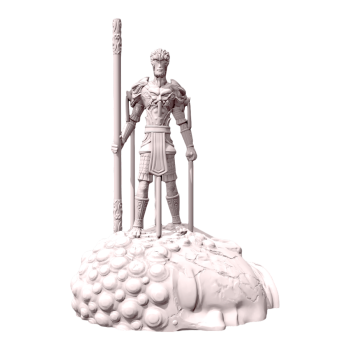
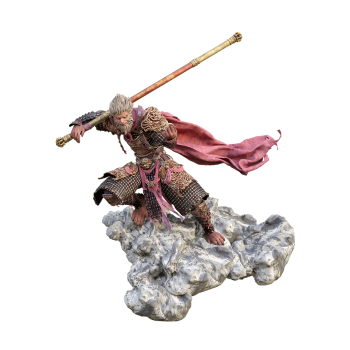
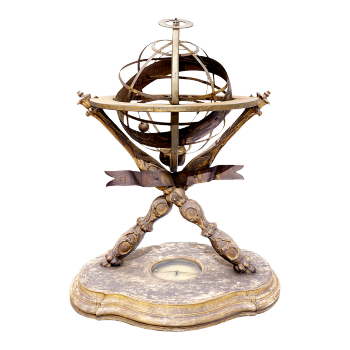
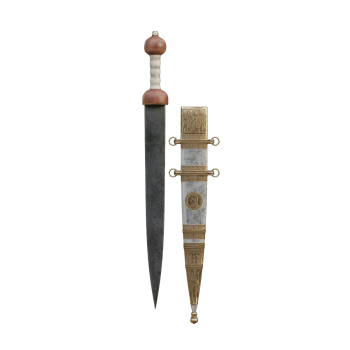
A 16th century Moorish helmet collected in the Heiligenkreis Monastery Museum. Morion helmet, an open helmet without armor. Composed of two pieces.
Etruscan Holy Grail - Castello Banfi Collection

Etruscan Holy Grail - Castello Banfi Collection

It is an Etruscan Holy Grail from the Castello Banfi collection, featuring a high trumpet shaped base and concave sides decorated with horizontal grooves and foot ridges. It is a product from the central Italian city of Wolsey, made around the mid-6th century BC, possibly during the middle to last quarter of the 6th century BC. This Holy Grail was discovered in the PoggioalleMura region of Montalcino. Their existence proves the Etruscans' superb skills in ceramic craftsmanship and their important role in cultural exchange in the ancient Mediterranean region.
Gottfried Marshall Memorial Medal

Gottfried Marshall Memorial Medal

The front displays a bust of Godfrey Marschall. EXZELL DR. GODFRED MARSCHELL WEIHBISHOF U. GENELLIKAR VON WIEN, meaning "Outstanding Dr. Gottfried Marcel, Bishop and General Agent of Vienna". Issued in 1908, the material is bronze and silver plated.
Etruscan pottery jars - Castello Banfi collection

Etruscan pottery jars - Castello Banfi collection

It refers to Etruscan pottery jars. The Etruscan civilization was an ancient civilization that existed in the central part of the Italian peninsula from the 8th century BC to the 1st century BC. The Etruscan pottery jar is a typical pottery of this civilization period, with a unique artistic style and craftsmanship. The pottery jar from Castello Banfi's collection is made of brown coarse clay, which was very common in the production of coarse pottery in the late Iron Age, around the 8th to 7th century BC. This pottery jar was unearthed in Montalcino as a relic of the Etruscan civilization, showcasing the exquisite craftsmanship and aesthetic features of ancient pottery.
Emperor Joseph recites the seal in the first century

Emperor Joseph recites the seal in the first century

A silver medal in honor of Emperor Joseph I, commemorating the birth of Emperor Joseph I. The inscription on the edge of the medal reads "Memoria AVGVSTISSIMAE NATIVITATIS IOSEPHI ARCHIDVCIS AVSTRIAE D 26 IVLII A 1678", meaning "In memory of the birth of the most esteemed Joseph, Archduke of Austria, on July 26, 1678".
Maria Theresa Statue

Maria Theresa Statue

The statue of Maria Theresa located in the French Garden of Grassakovich Palace in Bratislava. This statue is a reconstruction of a horse sculpture from the second half of the 18th century. Maria Theresa was a famous Grand Duchess and Queen of Hungary in Austrian history, and her reign had a profound impact on the Austrian Empire and later the Austro Hungarian Empire.
Ancient Etruscan civilization double ear bottle - Castello Banfi collection

Ancient Etruscan civilization double ear bottle - Castello Banfi collection

It is a type of pottery made by the ancient Etruscan civilization, with unique cultural and artistic value. This type of double ear bottle is commonly used for storing and transporting liquids, and is also commonly used as a burial accessory at funerals. In the Castello Banfi collection, it is made of orange clay and coated with red talc, with the inscription "tinalnania" engraved on its body, which has been confirmed in funeral backgrounds in the Kiusi region. It can be traced back to the 2nd century BC and was unearthed at PoggioalleMura in Montalcino.
Virgin Mary Statue

Virgin Mary Statue

This statue is a colorful Virgin Mary statue from Kittsee, located in the central green space of Kittsee village. The Marian Column is a common religious monument in Central Europe, especially during the Baroque period. They are often used to celebrate the miracles of the Virgin Mary or as a symbol of protection for the village.
Marcus Aurelius Statue

Marcus Aurelius Statue

The statue of Marcus Aurelius located in Bad Deutsch Altenburg. Marcus Aurelius was an important ruler of the Roman Empire and a renowned philosopher. His Meditations had a profound impact on later generations.
Ancient Etruscan civilization pottery - Castello Banfi collection

Ancient Etruscan civilization pottery - Castello Banfi collection

It is an ancient Etruscan pottery with a unique single handle design and a black glossy surface decoration. This single handled cup was produced in Etruria in the mid-6th century BC, particularly in the Vulci region. It is a piece from the Castello Banfi collection, made of black clay and decorated with plastic on the handle. This cup was not only very important in Etruscan culture, but also had an impact on later Greek pottery, with design and production techniques adopted by the Greeks and used for export to Etruscan.
Former Royal Infantry Regiment Monument

Former Royal Infantry Regiment Monument

On a war memorial in Sopron, there is a lion statue standing on a pedestal with a coat of arms. This monument was built to commemorate the 8625 fallen soldiers of the former Royal Infantry Regiment. Sopron is a city in western Hungary, located near the Austrian border, and was historically a military strategic location. This monument is not only a commemoration of the soldiers who lost their lives in war, but also a witness to historical events and a reflection on peace.
The Old Centaur and the Love God Eros

The Old Centaur and the Love God Eros

The bronze statues of the centaur and the riding goddess Eros, located in front of the Academy of Fine Arts in Vienna, were created in 1892. This statue represents the characteristics of old age through the image of an old centaur and the riding of Eros, and is a typical example of the combination of art and mythology.
Elizabeth Memorial

Elizabeth Memorial

This is a monument located in the People's Park in the first district of Vienna, commemorating Empress Elisabeth. Queen Elizabeth, also known as Sissi, was assassinated in Geneva on September 10, 1898. On June 4, 1907, it was unveiled in the presence of Franz Joseph I. Her family calls her Sisi, and since Ernst Marischka's films, her name "Sisi" has become widely known around the world.
Bust of Joseph II

Bust of Joseph II

The bust of Holy Roman Emperor Joseph II, located next to the Klein Grosnau Baths, was created in 1905. Joseph II was an Austrian emperor in the 18th century, known for his enlightened rule and numerous reforms.
Statue of Julius Caesar

Statue of Julius Caesar

The statue of Julius Caesar located on the slope of the first district council building in Vienna. Julius Caesar was an outstanding politician, military leader, and writer of the late Roman Republic, known for his victories in the Gallic Wars and subsequent civil wars. He is considered by historians to be the uncrowned king of the Roman Empire and had a profound impact on Roman history.
Bust of John Calvin

Bust of John Calvin

A bust of John Calvin in front of the Reformed Church in Sopron. John Calvin (1509-1564) was one of the most influential systematic theologians in the 16th century Reformation movement. John Calvin is not only renowned for his theological works, but also for the theocratic political system he established in Geneva. His teachings emphasize the sovereignty of God, the fall of humanity, and predestination, which form the core of Reformed theology.
Bust of Johann Wolfgang von Goethe

Bust of Johann Wolfgang von Goethe

Portrait bust of Johann Wolfgang von Goethe located next to the Klein und Gro ß au beach. Johann Wolfgang von Goethe is one of the most famous literary figures in German history, and his works include "Faust" and "The Sorrows of Young Werther", which have had a profound impact on world literature. This bust is a tribute to Goethe's cultural heritage.
Stephen Statue

Stephen Statue

Stephen's story is recorded in the Book of Acts, where he faced opposition from Jewish religious leaders for bravely promoting the Christian faith and was ultimately stoned to death. His martyrdom became an important event in Christian history, inspiring later Christians to persevere and sacrifice for their faith. The image of St. Stephen in the sculpture group of the Hardroad at the Heiligenkreis Monastery not only commemorates his historical position as the first martyr, but also reflects the reverence of Christianity for faith and martyrdom spirit. The statue is located on the Hardroad at the Heiligenkreis Monastery.
San Sebastian Monument

San Sebastian Monument

Saint Sebastian was an early Christian saint and martyr, often depicted in art as being pierced by arrows, as he was tied to a tree and shot while being persecuted. In the Christian tradition, he became a symbol of resistance to epidemics and other diseases, and the statue is located on the bitter road of the Heiligenkreis Monastery.
San Sebastian Statue

San Sebastian Statue

Saint Sebastian was an early Christian saint and martyr, often depicted in art as being pierced by arrows, as he was tied to a tree and shot while being persecuted. In the Christian tradition, he became a symbol of resistance to epidemics and other diseases, and the statue is located on the bitter road of the Heiligenkreis Monastery.
Statue of Saint Robustus

Statue of Saint Robustus

St. Paul of Thebes, located on the bitter road of the Heiligenkreis Monastery. Statue making began in 1731. Saint Robustus is a saint in Christianity. According to legend, he was the first hermit of Egypt and the father of the desert, hence he is also known as the hermit of Saint Robutus I.
Ancient Greek Red Pottery Vase - Yibelo Archaeological Museum

Ancient Greek Red Pottery Vase - Yibelo Archaeological Museum

It is an ancient Greek pottery named after its red background and black patterns. The red painted pottery vase unearthed in Camarina, Sicily, is a product of the classical period (5th century BC) and is currently housed in the Ibero Archaeological Museum in Ragusa, Italy. This kind of pottery bottle is usually used to contain oil or perfume, as burial objects at funerals, and also used in religious ceremonies. The bottle depicts a four horse chariot, which is a type of chariot pulled by four horses and commonly seen in ancient Greek mythology and art works. This demonstrates the ancient Greeks' emphasis on war and sports, as well as their worship and artistic expression of mythological stories.
Ancient Greek Black Statue Pottery Bottle - Ibero Archaeological Museum

Ancient Greek Black Statue Pottery Bottle - Ibero Archaeological Museum

It is an ancient Greek pottery characterized by patterns painted with black pigment on the surface of the pottery, with a white background. The black statue pottery vase unearthed at the Kamarina site is from Ragusa, Sicily, Italy. It belongs to the classical period and was made around the 5th century BC. Currently housed in the Ibero Archaeological Museum in Ragusa. The decorative style reflects the characteristics of ancient Greek black pottery, which is to draw black patterns on a white background. It reflects the ancient Greeks' pursuit of beauty and their worship of mythological stories. It showcases the superb craftsmanship of ancient Greek pottery making and provides us with valuable materials for studying ancient Greek culture and art.
Ancient Chinese Blue Glazed Pottery Bowl - Minneapolis Institute of the Arts

Ancient Chinese Blue Glazed Pottery Bowl - Minneapolis Institute of the Arts

Ceramic art from the 12th century AD, now collected at the Minneapolis Institute of Art. It is one of the outstanding representatives of ancient Chinese ceramic art, showcasing the exquisite skills of Song Dynasty ceramic art with its unique colors and craftsmanship. Blue glaze, also known as blue color, is a glaze color formed by applying cobalt containing blue pigment to the surface of porcelain and firing it at high temperatures. It became popular in the Song Dynasty and was loved by people for its bright and pure blue color. Not only is it a masterpiece of ancient Chinese ceramic art, but it is also a bridge for cultural exchange between the East and the West. Enable people from all over the world to appreciate the charm of ancient Chinese ceramics and learn about China's long history of ceramic culture
Owl Red Painted Pottery Bottle - Igleio Archaeological Museum

Owl Red Painted Pottery Bottle - Igleio Archaeological Museum

It is a type of pottery from ancient Greece, characterized by the use of red to depict patterns and scenes on a black background of the pottery. The production technology originated in the 6th century BC and remained popular until the 4th century BC. It is often used to contain oil, perfume or other liquids, and it is also often used as burial goods, and sometimes used in religious ceremonies. This pottery bottle is from the Kamarina region of Sicily, Italy, and belongs to the classical period. It was made around the 5th century BC. The surface depicts the image of an owl, which has important symbolic significance in ancient Greek culture and is often used in art and literary works. It is currently housed in the Igleio Archaeological Museum in Ragusa.
Ceramic containers from ancient Andean civilization

Ceramic containers from ancient Andean civilization

It is a common ceramic container in ancient Andean civilization, especially popular during the late middle period (around 1000-1470 AD). It usually has unique designs and decorations that reflect the culture and aesthetics of the society at that time. In 2021, a citizen named Laura Balllini initiated a cultural property return campaign in Germany and successfully returned the artifact from Germany. This behavior is not only a respect for cultural heritage, but also a contribution to the inheritance of history and culture. Enriched our understanding of ancient Andean civilization and reminded us of the importance of protecting and respecting cultural heritage.
Late Horizon style ceramic container

Late Horizon style ceramic container

It is a late horizon style ceramic artwork that appeared approximately between 1476 and 1532 AD. Horizon style is an art style in ancient Central America, particularly related to the Aztec civilization, characterized by the expression of a horizontal horizon element in pottery, sculpture, and other works of art, often associated with gods, myths, and cosmology. The voluntary return from the United States in 2021 reflects the international community's emphasis on cultural heritage protection and respect for the ownership of cultural heritage in the country of origin.
C á ntaro Ancient Andean Ceramic Container

C á ntaro Ancient Andean Ceramic Container

It is a ceramic container unique to the ancient Andean region, commonly used to hold liquids. It holds significant social and ceremonial importance in Andean culture. The Intermedio Tardio period (approximately 1000-1470) showcased the characteristics of ceramic craftsmanship during this period, including exquisite craftsmanship and unique artistic styles. The ceramic craftsmanship during this period underwent significant technological and stylistic changes. It usually has a dual function of practicality and ceremony. Formally, it may be relatively simple, but in terms of decoration and production techniques, it is very complex, reflecting the needs and aesthetic trends of society at that time.
Thai pear shaped covered pottery jar - Hunter Museum in Limerick

Thai pear shaped covered pottery jar - Hunter Museum in Limerick

It is a ceramic artwork from Thailand. Made of earthenware material, it is currently housed in the Hunter Museum in Limerick, Ireland. Shaped like a pear, with a lid at the top. The lid design is unique, with a stepped shape and a spherical handle on top. The decoration of the jar is very exquisite, with blue lines surrounding the bottom, middle, and neck of the jar. Between these lines, the can body is decorated with curved leaf patterns, adding a natural and elegant beauty. Not only does it showcase the exquisite craftsmanship of Thai ceramic art, but it also reflects the traditional aesthetics and cultural characteristics of Thailand.
Ceramic containers from the Late Horizon period in Peru

Ceramic containers from the Late Horizon period in Peru

It is a ceramic container made during the late horizon period in Peru (approximately 1470 to 1532). Not only is it a practical container, but it is also a symbol of art and culture. It usually has a unique shape and decoration that reflects the aesthetic and religious beliefs of the society at that time. In 2022, a ceramic container voluntarily returned from France was received by the Association of Friends of Heritage. This voluntary return behavior reflects respect and protection for cultural heritage, and also demonstrates the international community's emphasis on the return of cultural relics and the protection of cultural property. It holds an important position in the pre Columbian culture of Peru, showcasing the ceramic making techniques of that time.
Duck shaped ceramic container

Duck shaped ceramic container

Ceramic containers with duck like features were very popular in ancient Peruvian culture, especially during the Mochica culture period. The Mochika culture existed approximately between the 1st century and 800 AD, and its artistic works are renowned for their intricate sculptures and paintings, reflecting the social life, religious beliefs, and agricultural activities of the time. During this period, ceramic art experienced significant development, resulting in many representative works. Not only as daily necessities, but also as works of art, showcasing the craftsmanship and aesthetic style of the time. This ceramic container returned from the United States in 2022.
Late intermediate ceramic containers

Late intermediate ceramic containers

It is a ceramic container from the late middle period (approximately 1000-1470 AD). This type of ceramic is often associated with ancient cultures in South America, especially in the Peruvian region. During this period, local potters made various ceramic vessels for daily life and ceremonial purposes. In 2022, a late intermediate period ceramic container was successfully retrieved from the United States and returned to its legal owner James Englehorm. This reflects the international community's emphasis on the protection of cultural heritage and the crackdown on illegal trade in cultural relics. It is also a respect and protection for cultural heritage.
Moche Culture Human Image Sculpture

Moche Culture Human Image Sculpture

Human image sculptures with Moche cultural characteristics, which existed between 200 BC and 600 AD. The Moche culture is an ancient civilization in the coastal region of northern Peru in South America, known for its exquisite metalworking, pottery, and sculpture. This sculpture is an important work of art in the Moche culture, showcasing the society's portrayal of character images and aesthetic concepts at that time. In 2021, this sculpture was returned from Canada. The return of the sculpture represents respect and protection for cultural heritage, and also reflects the international community's emphasis on illegal cultural relic trade and cultural heritage protection.
Late middle period humanoid ceramic bottle

Late middle period humanoid ceramic bottle

The humanoid ceramic vase from the late middle period (approximately 1000-1470 AD) is a historically significant artwork, with its origins dating back to ancient American civilization. This specific ceramic bottle was returned from the Dutch Republic and sold at an auction in Vendu Rotterdam in 2022. It is an important physical evidence for studying ancient culture, craftsmanship, and trade exchanges. During this period, pottery exhibited diversity in shape, decoration, and usage. Ceramic bottles, as representatives of that era, not only reflected the daily needs of people at that time, but also showcased their artistic aesthetics and cultural characteristics.
Human sculpture artwork

Human sculpture artwork

It is a type of humanoid sculpture artwork created between approximately 1000 and 1470. It usually has unique cultural characteristics and artistic styles, reflecting the social beliefs, religious rituals, and aesthetic concepts of the time. During this period, many civilizations made significant achievements in artistic creation, with sculpture art particularly developed. It was not only more mature in technology, but also more rich and delicate in artistic expression. Successfully recovered from the Netherlands in 2022. This is not only a protection of cultural heritage, but also a respect for history and culture.