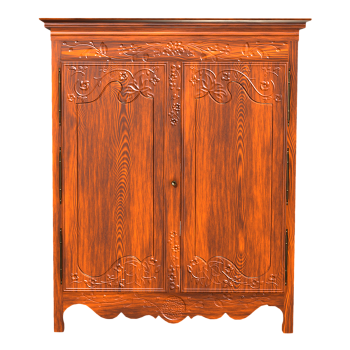
The marble statue of the Lion King crushing the evil snake in Rittenhouse Square

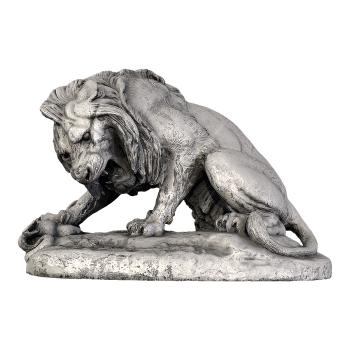
The marble statue of the Lion King crushing the evil snake in Rittenhouse Square

The sculpture is the first one installed in Rittenhouse Square, and the Lion King crushing the evil snake is a sculpture created by French Romantic sculptor Antoine Louis Barry, symbolizing the monarchy's lion suppressing the evil snake. This sculpture may be seen as a meaningful statement about social order: the lion here generally refers to the royal family, and more specifically, to the city of Lyon, as its emblem features a lion with an open mouth and a royal iris decoration below. The sculpture is now housed in the Smithsonian Museum of American Art in the United States.
The brass statue of Shiva Temple during the reign of King Mahler in India, titled 'Palace Brass Lion'

The brass statue of Shiva Temple during the reign of King Mahler in India, titled 'Palace Brass Lion'

The brass lion, at the Shiva Temple in Barktapur Durbar Square. This temple is built directly in front of the palace. This metal lion was built in the 18th century and is made of brass with a thin layer of other metal coating on top. Nepal's metal products were later introduced. The oldest sculptures are usually built from stone. It is believed that the first batch of metal statue workers in the early days were Buddhist monks working for their Vihara religious school. In the past two or three centuries, metal works have flourished during the reign of King Mahler, when metal sculptures were coated with additional metal as a protective layer and decoration to eliminate degradation and corrosion.
Pottery Figurines of the Zodiac in the Northern Wei Dynasty: Pottery Figurines Dog

Pottery Figurines of the Zodiac in the Northern Wei Dynasty: Pottery Figurines Dog

The Terracotta Warriors of the Twelve Palaces is a work of the Northern Wei Dynasty in China, made in the 500 AD era. This terracotta figure is made of gray terracotta, and there are traces on the surface that show that it was coated with slippery soil. This pottery figurine is part of the Zodiac series, and the animals represent the traditional concept of time in ancient China. This group of pottery figurines is currently in the collection of the Cleveland Museum of Art. The pottery figurines of the Northern Wei Dynasty showed the great confluence of the farming culture of the Han nationality in the Central Plains and the nomadic culture of the northern grassland at that time, as well as the new look of ancient pottery under the influence of the flourishing Buddhist statues and sculptures.
Pottery Figurines of the Zodiac in the Northern Wei Dynasty: Pottery Figurines Dragon

Pottery Figurines of the Zodiac in the Northern Wei Dynasty: Pottery Figurines Dragon

The Terracotta Warriors of the Twelve Palaces is a work of the Northern Wei Dynasty in China, made in the 500 AD era. This terracotta figure is made of gray terracotta, and there are traces on the surface that show that it was coated with slippery soil. This pottery figurine is part of the Zodiac series, and the animals represent the traditional concept of time in ancient China. This group of pottery figurines is currently in the collection of the Cleveland Museum of Art. The pottery figurines of the Northern Wei Dynasty showed the great confluence of the farming culture of the Han nationality in the Central Plains and the nomadic culture of the northern grassland at that time, as well as the new look of ancient pottery under the influence of the flourishing Buddhist statues and sculptures.
Pottery Figurines of the Zodiac in the Northern Wei Dynasty: Pottery Figurines Rat

Pottery Figurines of the Zodiac in the Northern Wei Dynasty: Pottery Figurines Rat

The Terracotta Warriors of the Twelve Palaces is a work of the Northern Wei Dynasty in China, made in the 500 AD era. This terracotta figure is made of gray terracotta, and there are traces on the surface that show that it was coated with slippery soil. This pottery figurine is part of the Zodiac series, and the animals represent the traditional concept of time in ancient China. This group of pottery figurines is currently in the collection of the Cleveland Museum of Art. The pottery figurines of the Northern Wei Dynasty showed the great confluence of the farming culture of the Han nationality in the Central Plains and the nomadic culture of the northern grassland at that time, as well as the new look of ancient pottery under the influence of the flourishing Buddhist statues and sculptures.
Ancient Cave Bear Skull

Ancient Cave Bear Skull

The cave bear (scientific name: Ursus spelaeus) is a prehistoric bear that lived in Europe and Asia, living in the Pleistocene period about 300000 to 15000 years ago. They are much larger than modern bears, with male cave bears weighing up to 1,000 kilograms. The skull of the cave bear is an important and interesting specimen for paleontologists and researchers studying prehistoric mammals. The characteristics of the cave bear's skull include its enormous size and strong structure, reflecting the bear's enormous size.
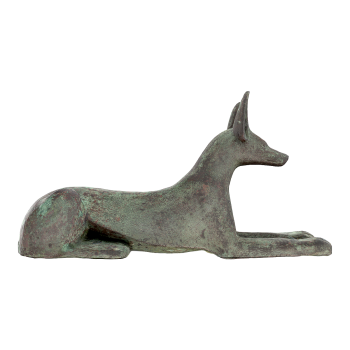
Ancient Egyptian statue of a jackal in the Seth period

Ancient Egyptian statue of a jackal in the Seth period

The Seth period was the 26th dynasty in the history of ancient Egypt (664-525 BC), also known as the Seth dynasty. This period lasted from approximately 664 BC to 525 BC. Egypt was ruled by foreign invaders, including Assyrians and Persians. Saite or Saite gods usually appear in the image of jackals. Saite is regarded as the god of war, chaos and the desert, and his image is often associated with the jackal or jackal head. This copper alloy statue is now located at the Art Institute of Chicago.
Pottery Figurines of the Zodiac in the Northern Wei Dynasty: Pottery Figurines Pig

Pottery Figurines of the Zodiac in the Northern Wei Dynasty: Pottery Figurines Pig

The Terracotta Warriors of the Twelve Palaces is a work of the Northern Wei Dynasty in China, made in the 500 AD era. This terracotta figure is made of gray terracotta, and there are traces on the surface that show that it was coated with slippery soil. This pottery figurine is part of the Zodiac series, and the animals represent the traditional concept of time in ancient China. This group of pottery figurines is currently in the collection of the Cleveland Museum of Art. The pottery figurines of the Northern Wei Dynasty showed the great confluence of the farming culture of the Han nationality in the Central Plains and the nomadic culture of the northern grassland at that time, as well as the new look of ancient pottery under the influence of the flourishing Buddhist statues and sculptures.
Pottery Figurines of the Zodiac in the Northern Wei Dynasty: Pottery Figurines Chicken

Pottery Figurines of the Zodiac in the Northern Wei Dynasty: Pottery Figurines Chicken

The Terracotta Warriors of the Twelve Palaces is a work of the Northern Wei Dynasty in China, made in the 500 AD era. This terracotta figure is made of gray terracotta, and there are traces on the surface that show that it was coated with slippery soil. This pottery figurine is part of the Zodiac series, and the animals represent the traditional concept of time in ancient China. This group of pottery figurines is currently in the collection of the Cleveland Museum of Art. The pottery figurines of the Northern Wei Dynasty showed the great confluence of the farming culture of the Han nationality in the Central Plains and the nomadic culture of the northern grassland at that time, as well as the new look of ancient pottery under the influence of the flourishing Buddhist statues and sculptures.
Pottery Figurines of the Zodiac in the Northern Wei Dynasty: Pottery Monkey

Pottery Figurines of the Zodiac in the Northern Wei Dynasty: Pottery Monkey

The Terracotta Warriors of the Twelve Palaces is a work of the Northern Wei Dynasty in China, made in the 500 AD era. This terracotta figure is made of gray terracotta, and there are traces on the surface that show that it was coated with slippery soil. This pottery figurine is part of the Zodiac series, and the animals represent the traditional concept of time in ancient China. This group of pottery figurines is currently in the collection of the Cleveland Museum of Art. The pottery figurines of the Northern Wei Dynasty showed the great confluence of the farming culture of the Han nationality in the Central Plains and the nomadic culture of the northern grassland at that time, as well as the new look of ancient pottery under the influence of the flourishing Buddhist statues and sculptures.
Pottery Figurines of the Zodiac in the Northern Wei Dynasty: Pottery Figurines and Sheep
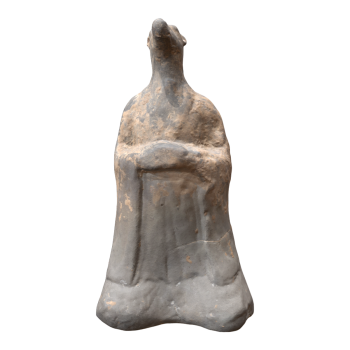
Pottery Figurines of the Zodiac in the Northern Wei Dynasty: Pottery Figurines and Sheep

The Terracotta Warriors of the Twelve Palaces is a work of the Northern Wei Dynasty in China, made in the 500 AD era. This terracotta figure is made of gray terracotta, and there are traces on the surface that show that it was coated with slippery soil. This pottery figurine is part of the Zodiac series, and the animals represent the traditional concept of time in ancient China. This group of pottery figurines is currently in the collection of the Cleveland Museum of Art. The pottery figurines of the Northern Wei Dynasty showed the great confluence of the farming culture of the Han nationality in the Central Plains and the nomadic culture of the northern grassland at that time, as well as the new look of ancient pottery under the influence of the flourishing Buddhist statues and sculptures.
Pottery Figurines of the Zodiac in the Northern Wei Dynasty: Pottery Figurines Horse

Pottery Figurines of the Zodiac in the Northern Wei Dynasty: Pottery Figurines Horse

The Terracotta Warriors of the Twelve Palaces is a work of the Northern Wei Dynasty in China, made in the 500 AD era. This terracotta figure is made of gray terracotta, and there are traces on the surface that show that it was coated with slippery soil. This pottery figurine is part of the Zodiac series, and the animals represent the traditional concept of time in ancient China. This group of pottery figurines is currently in the collection of the Cleveland Museum of Art. The pottery figurines of the Northern Wei Dynasty showed the great confluence of the farming culture of the Han nationality in the Central Plains and the nomadic culture of the northern grassland at that time, as well as the new look of ancient pottery under the influence of the flourishing Buddhist statues and sculptures.
Pottery Figurines of the Zodiac in the Northern Wei Dynasty: Pottery Figurines Snake

Pottery Figurines of the Zodiac in the Northern Wei Dynasty: Pottery Figurines Snake

The Terracotta Warriors of the Twelve Palaces is a work of the Northern Wei Dynasty in China, made in the 500 AD era. This terracotta figure is made of gray terracotta, and there are traces on the surface that show that it was coated with slippery soil. This pottery figurine is part of the Zodiac series, and the animals represent the traditional concept of time in ancient China. This group of pottery figurines is currently in the collection of the Cleveland Museum of Art. The pottery figurines of the Northern Wei Dynasty showed the great confluence of the farming culture of the Han nationality in the Central Plains and the nomadic culture of the northern grassland at that time, as well as the new look of ancient pottery under the influence of the flourishing Buddhist statues and sculptures.
Pottery Figurines of the Zodiac in the Northern Wei Dynasty: Pottery Figurines Rabbit

Pottery Figurines of the Zodiac in the Northern Wei Dynasty: Pottery Figurines Rabbit

The Terracotta Warriors of the Twelve Palaces is a work of the Northern Wei Dynasty in China, made in the 500 AD era. This terracotta figure is made of gray terracotta, and there are traces on the surface that show that it was coated with slippery soil. This pottery figurine is part of the Zodiac series, and the animals represent the traditional concept of time in ancient China. This group of pottery figurines is currently in the collection of the Cleveland Museum of Art. The pottery figurines of the Northern Wei Dynasty showed the great confluence of the farming culture of the Han nationality in the Central Plains and the nomadic culture of the northern grassland at that time, as well as the new look of ancient pottery under the influence of the flourishing Buddhist statues and sculptures.
Pottery Figurines of the Zodiac in the Northern Wei Dynasty: Pottery Tiger

Pottery Figurines of the Zodiac in the Northern Wei Dynasty: Pottery Tiger

The Terracotta Warriors of the Twelve Palaces is a work of the Northern Wei Dynasty in China, made in the 500 AD era. This terracotta figure is made of gray terracotta, and there are traces on the surface that show that it was coated with slippery soil. This pottery figurine is part of the Zodiac series, and the animals represent the traditional concept of time in ancient China. This group of pottery figurines is currently in the collection of the Cleveland Museum of Art. The pottery figurines of the Northern Wei Dynasty showed the great confluence of the farming culture of the Han nationality in the Central Plains and the nomadic culture of the northern grassland at that time, as well as the new look of ancient pottery under the influence of the flourishing Buddhist statues and sculptures.
Pottery Figurines of the Zodiac in the Northern Wei Dynasty: Pottery Figurines Cattle

Pottery Figurines of the Zodiac in the Northern Wei Dynasty: Pottery Figurines Cattle

The Terracotta Warriors of the Twelve Palaces is a work of the Northern Wei Dynasty in China, made in the 500 AD era. This terracotta figure is made of gray terracotta, and there are traces on the surface that show that it was coated with slippery soil. This pottery figurine is part of the Zodiac series, and the animals represent the traditional concept of time in ancient China. This group of pottery figurines is currently in the collection of the Cleveland Museum of Art. The pottery figurines of the Northern Wei Dynasty showed the great confluence of the farming culture of the Han nationality in the Central Plains and the nomadic culture of the northern grassland at that time, as well as the new look of ancient pottery under the influence of the flourishing Buddhist statues and sculptures.
Furniture Designer Roberto Giovannini Wood Carvings Grey Hound Statue

Furniture Designer Roberto Giovannini Wood Carvings Grey Hound Statue

Bali stone lion made of Indonesian marble
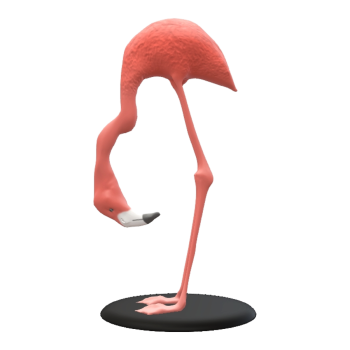
Bali stone lion made of Indonesian marble

Flamingo Plaster Sculpture Black Ceramic Round Base-Low Head

Flamingo Plaster Sculpture Black Ceramic Round Base-Low Head

Flamingo Plaster Sculpture Black Ceramic Round Base-Leg Lift Like

Flamingo Plaster Sculpture Black Ceramic Round Base-Leg Lift Like

Flamingo Plaster Sculpture Black Ceramic Round Base-Standing Statue

Flamingo Plaster Sculpture Black Ceramic Round Base-Standing Statue

An Egyptian eagle-headed sphinx hidden in the British Museum

An Egyptian eagle-headed sphinx hidden in the British Museum

This is a falcon head sphinx also known as the eagle-headed lion. It is a statue of a lion with a human face on its upper body and a falcon on its head. In ancient Egyptian religious beliefs, this image may have represented different deities or symbolism. The Sphinx usually symbolizes power and authority, while the eagle's head may be associated with the sky, the universe, or other mysterious aspects. Found in the temple of Ramses II in Abu Simbel, Egypt (Nubia), this is one of the pair. It is now in the British Museum in London.
A bronze sculpture of "Vaca das Cordas" (a cow on a rope) in the city of Santa Cruz, Portugal

A bronze sculpture of "Vaca das Cordas" (a cow on a rope) in the city of Santa Cruz, Portugal

"Vaca das Cordas" (also known as "Cow on Rope") is a sculpture located in the city of Santa Cruz, Portugal. The sculpture depicts a cow with its whole body tied to a shelf with ropes. It is part of a traditional cultural symbol and celebration of the city of Santa Cruz. The sculpture was created by a sculptor named jose rodrigues(1936 - 2016) and was unveiled on May 21, 2008 in a small square between the library and the church in Ponte de Lima, Portugal.
Rhinoceros Orsay Museum Collection

Rhinoceros Orsay Museum Collection

This is a cast-iron sculpture by Henri Alfred Jacquemart, made in 1878 for the Universal Exhibition in Paris, now located outside the Musée d'Orsay. The sculpture is very realistic and shows the image and power of an Indian rhinoceros.
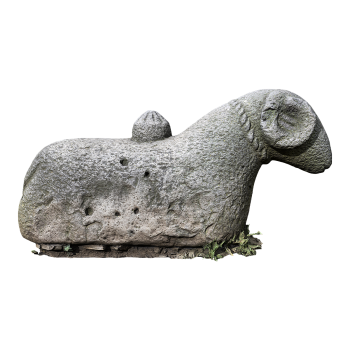
Stone carving of a ram at the Tbilisi Ethnographic Museum

Stone carving of a ram at the Tbilisi Ethnographic Museum

Stone Lion Stone Carved Pillar at the Gate
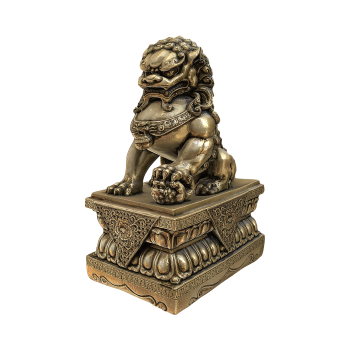
Stone Lion Stone Carved Pillar at the Gate

Palace Lion 3D Model
Palace Lion 3D Model

The Forbidden City lion is the royal guard portal to ensure the peace of the palace of the Swiss beast, because the lion is the king of beasts, it is strong, powerful, very imposing. The rulers believed that the lion could not only ward off evil spirits, but also bring auspicious air.
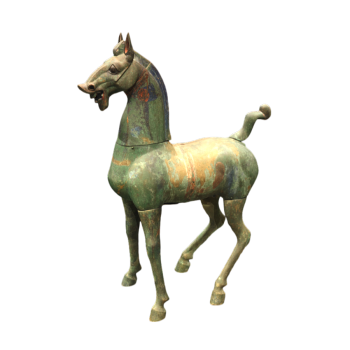
Ancient Chinese Bronze Horse 3D Model

Ancient Chinese Bronze Horse 3D Model

Town house god beast scanning stone lion 3D model

Town house god beast scanning stone lion 3D model

"Elephant and Lion Paws" 3D Sculpture AR Cultural Relics

"Elephant and Lion Paws" 3D Sculpture AR Cultural Relics

"Statue of Elephant and Lion Paws" from southwest India, now at the Victoria and Albert Museum in London.
Cat Stone Sculpture AR Static 3D Model

Cat Stone Sculpture AR Static 3D Model

Statue (statue) is a kind of work that uses materials to go through special processes to make various sculptures.
Chinese Ancient Candlestick 3D Model Pure Copper Phoenix Ornaments AR Cultural Relics Antique Art

Chinese Ancient Candlestick 3D Model Pure Copper Phoenix Ornaments AR Cultural Relics Antique Art
Qing Dynasty Pure Copper Phoenix Oil Lamp Candlestick Ornaments Household Fragrance Lighting Supplies Home Living Room Craft Decorations Copper
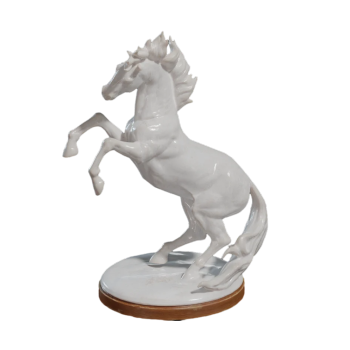
Sky Horse Ornaments 3D Model European Home Crafts Ceramic White Horse AR

Sky Horse Ornaments 3D Model European Home Crafts Ceramic White Horse AR