Gypsum model of terror elephant skull

Gypsum model of terror elephant skull

This artifact is a plaster model of an elephant skull located at the Goldfoss Museum at the University of Bonn. The terror elephant is an extinct large mammal that looks a bit like an elephant, but its long teeth curve downward and inward, extending from its lower jaw.
Marble sculpture of horse head from ancient Greek classical period

Marble sculpture of horse head from ancient Greek classical period

This marble horse head sculpture was discovered from a tomb monument or temple located in Taranto, Italy. It can be traced back to 350-300 BC, which is the classical period of ancient Greece. This sculpture is now preserved at the British Museum in London.
Bronze Statue of Korsabad's Bronze Lion from the Neo Assyrian Period

Bronze Statue of Korsabad's Bronze Lion from the Neo Assyrian Period

This artifact is exhibited in the Oriental Antiques Department of the Louvre Museum in France. The statue is made of bronze. It is a lion statue in a lying position, with its mouth open to display its teeth. The lion's fur and facial details are carefully carved, displaying its vivid and realistic appearance. There is a circular handle above the statue, which may be used to carry or hang this item. The place where the statue was made was Korsabad, an important city in ancient Assyria located in northern Iraq today. The Neo Assyrian period was an important stage in Assyrian history, during which the Assyrian Empire reached its maximum territory.
The bronze statue of the Casagrande civilization, 'Pachime Rattlesnake Turtle'

The bronze statue of the Casagrande civilization, 'Pachime Rattlesnake Turtle'

The name of the cultural relic is Pachime Rattlesnake Turtle, which is made of copper and was made in Pachime, Chihuahua, Mexico. This place is the political center of the Casagrande civilization, which is one of the most prominent and complex cultures in northern Mexico and southwestern United States. The production period of this cultural relic was around 1200 AD. This period was the peak of the Casagrande culture, which had a widespread influence in northern Mexico and southwestern United States. The statue is made by the lost wax method, which requires the destruction of the mold, so there are no two identical works. The statue is now part of the collection of the National Museum of Anthropology in Mexico.
Jennings Dog Marble Statue

Jennings Dog Marble Statue

This statue is called Jennings Dog, also known as Duncombe Dog or Alcibiad's Dog. It is a marble statue of a Molossican dog with a trimmed tail, a Roman replica of a copper original from the Hellenistic period. This statue is 1.05 meters high and was discovered in Monte Cagnouolo, Rome. This statue became very famous after arriving in England and was praised as one of the masterpieces of Roman animal sculpture. It was acquired by the British Museum in 2001 and is now exhibited in the G22 exhibition hall.
Goldfish shaped root

Goldfish shaped root

Genfu is a type of miniature sculpture art from the Edo period in Japan (1615-1868), commonly used for decorating and securing small items hanging on kimono belts. This goldfish shaped rootstock is made of boxwood by rootstock sculptor Masanao Ise, and the eyes are set with light and dark keratin. This root has a width of 5.5 centimeters and is located in the British Museum. Masanao Masanao (Ise) was a famous root carving artist during the Edo period in the 19th century. His works usually depict animals, and he is considered one of the greatest artists in the art form of Genfu.
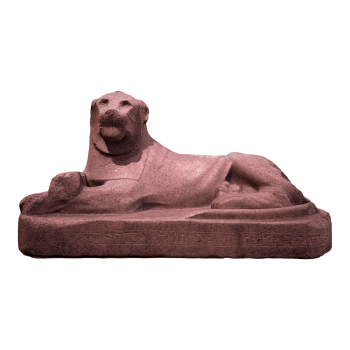
Ancient Egyptian Lion Sculpture

Ancient Egyptian Lion Sculpture

This is one of a pair of lions. The sculpture is carved from red granite, with each lion measuring approximately 1.20 meters in height and 2.20 meters in length. The sculpture is from the Sulib Temple in Nubia, which was built by King Amenhotep III of the 18th Dynasty. Later in the third century AD, it was transferred to Gebel Barkal in Sudan by King Amanislo of the Meroe Kingdom. In the early 19th century, Lord Prudhoe took the lions from Gebel Barkal and handed them over to the British Museum in 1835.
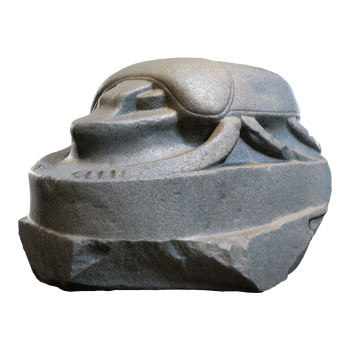
Ancient Egyptian Scarab Sculpture

Ancient Egyptian Scarab Sculpture

The Scarabeus sacer is a lasting symbol of ancient Egypt, representing rebirth and associated with the rising sun. This beetle lays eggs by rolling dung balls, a behavior believed by ancient Egyptians to be similar to the process of the sun rolling from the east across the sky to the west. This sculpture is carved from green diorite and measures approximately 1.5 meters in length, making it one of the largest known beetle figures.
Bronze elephant statue, a folk handicraft in Uttar Pradesh, India
Bronze elephant statue, a folk handicraft in Uttar Pradesh, India

In India, elephants play an important role in both art and religion. In traditional Indian art, elephants are often used as themes and carved into various forms of statues, including deities, decorations, and memorabilia. In Hinduism, elephants are regarded as auspicious symbols, and the elephant headed god Ganesh is one of the important deities in Hinduism. In the northern region of India, folk people are skilled in using various materials such as wood, stone, metal, etc. to create animal statues, especially elephant statues.
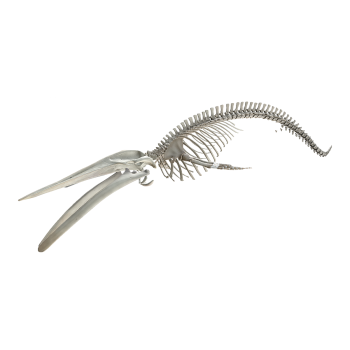
Blue Whale Skeleton, Skeleton Specimen from the Natural History Museum in the UK

Blue Whale Skeleton, Skeleton Specimen from the Natural History Museum in the UK

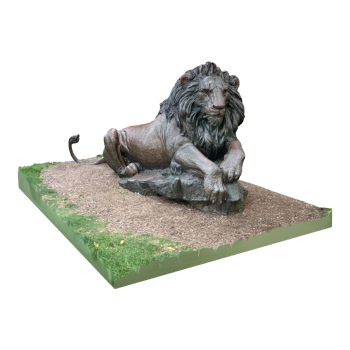
The marble statue of the Lion King crushing the evil snake in Rittenhouse Square

The marble statue of the Lion King crushing the evil snake in Rittenhouse Square

The sculpture is the first one installed in Rittenhouse Square, and the Lion King crushing the evil snake is a sculpture created by French Romantic sculptor Antoine Louis Barry, symbolizing the monarchy's lion suppressing the evil snake. This sculpture may be seen as a meaningful statement about social order: the lion here generally refers to the royal family, and more specifically, to the city of Lyon, as its emblem features a lion with an open mouth and a royal iris decoration below. The sculpture is now housed in the Smithsonian Museum of American Art in the United States.
The brass statue of Shiva Temple during the reign of King Mahler in India, titled 'Palace Brass Lion'

The brass statue of Shiva Temple during the reign of King Mahler in India, titled 'Palace Brass Lion'

The brass lion, at the Shiva Temple in Barktapur Durbar Square. This temple is built directly in front of the palace. This metal lion was built in the 18th century and is made of brass with a thin layer of other metal coating on top. Nepal's metal products were later introduced. The oldest sculptures are usually built from stone. It is believed that the first batch of metal statue workers in the early days were Buddhist monks working for their Vihara religious school. In the past two or three centuries, metal works have flourished during the reign of King Mahler, when metal sculptures were coated with additional metal as a protective layer and decoration to eliminate degradation and corrosion.
Pottery Figurines of the Zodiac in the Northern Wei Dynasty: Pottery Figurines Dog

Pottery Figurines of the Zodiac in the Northern Wei Dynasty: Pottery Figurines Dog

The Terracotta Warriors of the Twelve Palaces is a work of the Northern Wei Dynasty in China, made in the 500 AD era. This terracotta figure is made of gray terracotta, and there are traces on the surface that show that it was coated with slippery soil. This pottery figurine is part of the Zodiac series, and the animals represent the traditional concept of time in ancient China. This group of pottery figurines is currently in the collection of the Cleveland Museum of Art. The pottery figurines of the Northern Wei Dynasty showed the great confluence of the farming culture of the Han nationality in the Central Plains and the nomadic culture of the northern grassland at that time, as well as the new look of ancient pottery under the influence of the flourishing Buddhist statues and sculptures.
Pottery Figurines of the Zodiac in the Northern Wei Dynasty: Pottery Figurines Dragon

Pottery Figurines of the Zodiac in the Northern Wei Dynasty: Pottery Figurines Dragon

The Terracotta Warriors of the Twelve Palaces is a work of the Northern Wei Dynasty in China, made in the 500 AD era. This terracotta figure is made of gray terracotta, and there are traces on the surface that show that it was coated with slippery soil. This pottery figurine is part of the Zodiac series, and the animals represent the traditional concept of time in ancient China. This group of pottery figurines is currently in the collection of the Cleveland Museum of Art. The pottery figurines of the Northern Wei Dynasty showed the great confluence of the farming culture of the Han nationality in the Central Plains and the nomadic culture of the northern grassland at that time, as well as the new look of ancient pottery under the influence of the flourishing Buddhist statues and sculptures.
Pottery Figurines of the Zodiac in the Northern Wei Dynasty: Pottery Figurines Rat

Pottery Figurines of the Zodiac in the Northern Wei Dynasty: Pottery Figurines Rat

The Terracotta Warriors of the Twelve Palaces is a work of the Northern Wei Dynasty in China, made in the 500 AD era. This terracotta figure is made of gray terracotta, and there are traces on the surface that show that it was coated with slippery soil. This pottery figurine is part of the Zodiac series, and the animals represent the traditional concept of time in ancient China. This group of pottery figurines is currently in the collection of the Cleveland Museum of Art. The pottery figurines of the Northern Wei Dynasty showed the great confluence of the farming culture of the Han nationality in the Central Plains and the nomadic culture of the northern grassland at that time, as well as the new look of ancient pottery under the influence of the flourishing Buddhist statues and sculptures.
Ancient Cave Bear Skull

Ancient Cave Bear Skull

The cave bear (scientific name: Ursus spelaeus) is a prehistoric bear that lived in Europe and Asia, living in the Pleistocene period about 300000 to 15000 years ago. They are much larger than modern bears, with male cave bears weighing up to 1,000 kilograms. The skull of the cave bear is an important and interesting specimen for paleontologists and researchers studying prehistoric mammals. The characteristics of the cave bear's skull include its enormous size and strong structure, reflecting the bear's enormous size.
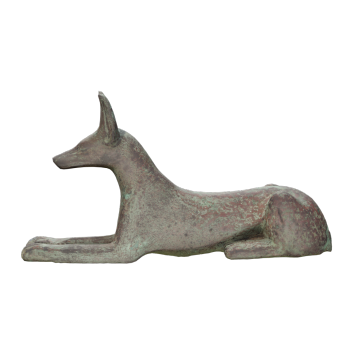
Ancient Egyptian statue of a jackal in the Seth period

Ancient Egyptian statue of a jackal in the Seth period

The Seth period was the 26th dynasty in the history of ancient Egypt (664-525 BC), also known as the Seth dynasty. This period lasted from approximately 664 BC to 525 BC. Egypt was ruled by foreign invaders, including Assyrians and Persians. Saite or Saite gods usually appear in the image of jackals. Saite is regarded as the god of war, chaos and the desert, and his image is often associated with the jackal or jackal head. This copper alloy statue is now located at the Art Institute of Chicago.
Pottery Figurines of the Zodiac in the Northern Wei Dynasty: Pottery Figurines Pig

Pottery Figurines of the Zodiac in the Northern Wei Dynasty: Pottery Figurines Pig

The Terracotta Warriors of the Twelve Palaces is a work of the Northern Wei Dynasty in China, made in the 500 AD era. This terracotta figure is made of gray terracotta, and there are traces on the surface that show that it was coated with slippery soil. This pottery figurine is part of the Zodiac series, and the animals represent the traditional concept of time in ancient China. This group of pottery figurines is currently in the collection of the Cleveland Museum of Art. The pottery figurines of the Northern Wei Dynasty showed the great confluence of the farming culture of the Han nationality in the Central Plains and the nomadic culture of the northern grassland at that time, as well as the new look of ancient pottery under the influence of the flourishing Buddhist statues and sculptures.
Pottery Figurines of the Zodiac in the Northern Wei Dynasty: Pottery Figurines Chicken

Pottery Figurines of the Zodiac in the Northern Wei Dynasty: Pottery Figurines Chicken

The Terracotta Warriors of the Twelve Palaces is a work of the Northern Wei Dynasty in China, made in the 500 AD era. This terracotta figure is made of gray terracotta, and there are traces on the surface that show that it was coated with slippery soil. This pottery figurine is part of the Zodiac series, and the animals represent the traditional concept of time in ancient China. This group of pottery figurines is currently in the collection of the Cleveland Museum of Art. The pottery figurines of the Northern Wei Dynasty showed the great confluence of the farming culture of the Han nationality in the Central Plains and the nomadic culture of the northern grassland at that time, as well as the new look of ancient pottery under the influence of the flourishing Buddhist statues and sculptures.
Pottery Figurines of the Zodiac in the Northern Wei Dynasty: Pottery Monkey

Pottery Figurines of the Zodiac in the Northern Wei Dynasty: Pottery Monkey

The Terracotta Warriors of the Twelve Palaces is a work of the Northern Wei Dynasty in China, made in the 500 AD era. This terracotta figure is made of gray terracotta, and there are traces on the surface that show that it was coated with slippery soil. This pottery figurine is part of the Zodiac series, and the animals represent the traditional concept of time in ancient China. This group of pottery figurines is currently in the collection of the Cleveland Museum of Art. The pottery figurines of the Northern Wei Dynasty showed the great confluence of the farming culture of the Han nationality in the Central Plains and the nomadic culture of the northern grassland at that time, as well as the new look of ancient pottery under the influence of the flourishing Buddhist statues and sculptures.
Pottery Figurines of the Zodiac in the Northern Wei Dynasty: Pottery Figurines and Sheep

Pottery Figurines of the Zodiac in the Northern Wei Dynasty: Pottery Figurines and Sheep

The Terracotta Warriors of the Twelve Palaces is a work of the Northern Wei Dynasty in China, made in the 500 AD era. This terracotta figure is made of gray terracotta, and there are traces on the surface that show that it was coated with slippery soil. This pottery figurine is part of the Zodiac series, and the animals represent the traditional concept of time in ancient China. This group of pottery figurines is currently in the collection of the Cleveland Museum of Art. The pottery figurines of the Northern Wei Dynasty showed the great confluence of the farming culture of the Han nationality in the Central Plains and the nomadic culture of the northern grassland at that time, as well as the new look of ancient pottery under the influence of the flourishing Buddhist statues and sculptures.
Pottery Figurines of the Zodiac in the Northern Wei Dynasty: Pottery Figurines Horse

Pottery Figurines of the Zodiac in the Northern Wei Dynasty: Pottery Figurines Horse

The Terracotta Warriors of the Twelve Palaces is a work of the Northern Wei Dynasty in China, made in the 500 AD era. This terracotta figure is made of gray terracotta, and there are traces on the surface that show that it was coated with slippery soil. This pottery figurine is part of the Zodiac series, and the animals represent the traditional concept of time in ancient China. This group of pottery figurines is currently in the collection of the Cleveland Museum of Art. The pottery figurines of the Northern Wei Dynasty showed the great confluence of the farming culture of the Han nationality in the Central Plains and the nomadic culture of the northern grassland at that time, as well as the new look of ancient pottery under the influence of the flourishing Buddhist statues and sculptures.
Pottery Figurines of the Zodiac in the Northern Wei Dynasty: Pottery Figurines Snake

Pottery Figurines of the Zodiac in the Northern Wei Dynasty: Pottery Figurines Snake

The Terracotta Warriors of the Twelve Palaces is a work of the Northern Wei Dynasty in China, made in the 500 AD era. This terracotta figure is made of gray terracotta, and there are traces on the surface that show that it was coated with slippery soil. This pottery figurine is part of the Zodiac series, and the animals represent the traditional concept of time in ancient China. This group of pottery figurines is currently in the collection of the Cleveland Museum of Art. The pottery figurines of the Northern Wei Dynasty showed the great confluence of the farming culture of the Han nationality in the Central Plains and the nomadic culture of the northern grassland at that time, as well as the new look of ancient pottery under the influence of the flourishing Buddhist statues and sculptures.
Pottery Figurines of the Zodiac in the Northern Wei Dynasty: Pottery Figurines Rabbit

Pottery Figurines of the Zodiac in the Northern Wei Dynasty: Pottery Figurines Rabbit

The Terracotta Warriors of the Twelve Palaces is a work of the Northern Wei Dynasty in China, made in the 500 AD era. This terracotta figure is made of gray terracotta, and there are traces on the surface that show that it was coated with slippery soil. This pottery figurine is part of the Zodiac series, and the animals represent the traditional concept of time in ancient China. This group of pottery figurines is currently in the collection of the Cleveland Museum of Art. The pottery figurines of the Northern Wei Dynasty showed the great confluence of the farming culture of the Han nationality in the Central Plains and the nomadic culture of the northern grassland at that time, as well as the new look of ancient pottery under the influence of the flourishing Buddhist statues and sculptures.
Pottery Figurines of the Zodiac in the Northern Wei Dynasty: Pottery Tiger

Pottery Figurines of the Zodiac in the Northern Wei Dynasty: Pottery Tiger

The Terracotta Warriors of the Twelve Palaces is a work of the Northern Wei Dynasty in China, made in the 500 AD era. This terracotta figure is made of gray terracotta, and there are traces on the surface that show that it was coated with slippery soil. This pottery figurine is part of the Zodiac series, and the animals represent the traditional concept of time in ancient China. This group of pottery figurines is currently in the collection of the Cleveland Museum of Art. The pottery figurines of the Northern Wei Dynasty showed the great confluence of the farming culture of the Han nationality in the Central Plains and the nomadic culture of the northern grassland at that time, as well as the new look of ancient pottery under the influence of the flourishing Buddhist statues and sculptures.
Pottery Figurines of the Zodiac in the Northern Wei Dynasty: Pottery Figurines Cattle

Pottery Figurines of the Zodiac in the Northern Wei Dynasty: Pottery Figurines Cattle

The Terracotta Warriors of the Twelve Palaces is a work of the Northern Wei Dynasty in China, made in the 500 AD era. This terracotta figure is made of gray terracotta, and there are traces on the surface that show that it was coated with slippery soil. This pottery figurine is part of the Zodiac series, and the animals represent the traditional concept of time in ancient China. This group of pottery figurines is currently in the collection of the Cleveland Museum of Art. The pottery figurines of the Northern Wei Dynasty showed the great confluence of the farming culture of the Han nationality in the Central Plains and the nomadic culture of the northern grassland at that time, as well as the new look of ancient pottery under the influence of the flourishing Buddhist statues and sculptures.
Furniture Designer Roberto Giovannini Wood Carvings Grey Hound Statue

Furniture Designer Roberto Giovannini Wood Carvings Grey Hound Statue

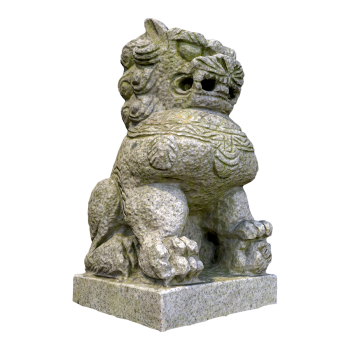
Bali stone lion made of Indonesian marble

Bali stone lion made of Indonesian marble

Flamingo Plaster Sculpture Black Ceramic Round Base-Low Head

Flamingo Plaster Sculpture Black Ceramic Round Base-Low Head

Flamingo Plaster Sculpture Black Ceramic Round Base-Leg Lift Like

Flamingo Plaster Sculpture Black Ceramic Round Base-Leg Lift Like

Flamingo Plaster Sculpture Black Ceramic Round Base-Standing Statue

Flamingo Plaster Sculpture Black Ceramic Round Base-Standing Statue

An Egyptian eagle-headed sphinx hidden in the British Museum

An Egyptian eagle-headed sphinx hidden in the British Museum

This is a falcon head sphinx also known as the eagle-headed lion. It is a statue of a lion with a human face on its upper body and a falcon on its head. In ancient Egyptian religious beliefs, this image may have represented different deities or symbolism. The Sphinx usually symbolizes power and authority, while the eagle's head may be associated with the sky, the universe, or other mysterious aspects. Found in the temple of Ramses II in Abu Simbel, Egypt (Nubia), this is one of the pair. It is now in the British Museum in London.
A bronze sculpture of "Vaca das Cordas" (a cow on a rope) in the city of Santa Cruz, Portugal

A bronze sculpture of "Vaca das Cordas" (a cow on a rope) in the city of Santa Cruz, Portugal

"Vaca das Cordas" (also known as "Cow on Rope") is a sculpture located in the city of Santa Cruz, Portugal. The sculpture depicts a cow with its whole body tied to a shelf with ropes. It is part of a traditional cultural symbol and celebration of the city of Santa Cruz. The sculpture was created by a sculptor named jose rodrigues(1936 - 2016) and was unveiled on May 21, 2008 in a small square between the library and the church in Ponte de Lima, Portugal.
Rhinoceros Orsay Museum Collection

Rhinoceros Orsay Museum Collection

This is a cast-iron sculpture by Henri Alfred Jacquemart, made in 1878 for the Universal Exhibition in Paris, now located outside the Musée d'Orsay. The sculpture is very realistic and shows the image and power of an Indian rhinoceros.
Stone carving of a ram at the Tbilisi Ethnographic Museum

Stone carving of a ram at the Tbilisi Ethnographic Museum