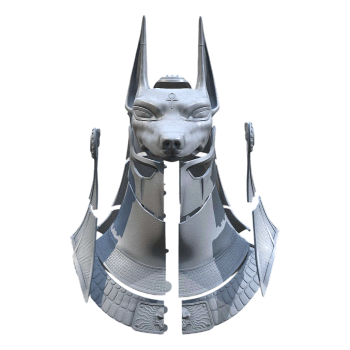
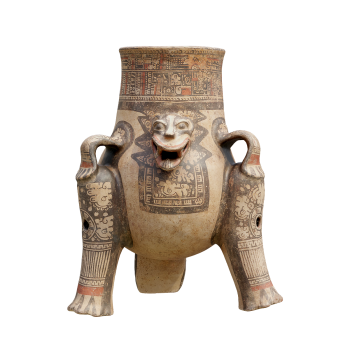
Egyptian Scepter of Life (supports 3D printing)
Egyptian Scepter of Life (supports 3D printing)

5 Frankfurt coins (support 3D printing)
5 Frankfurt coins (support 3D printing)

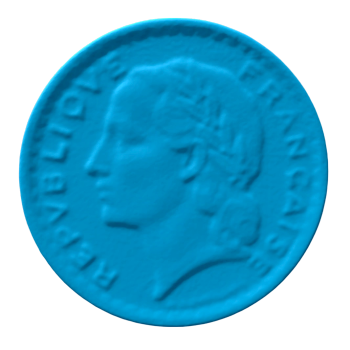
The monetary system of the Kingdom of France under the old system originated in the period of Charlemann, with silver as the benchmark, gold for high denominations and various alloys for lower denominations. Its exchange rules are a mixture of decimal and binary, while distinguishing between the currency of account and the currency in circulation.
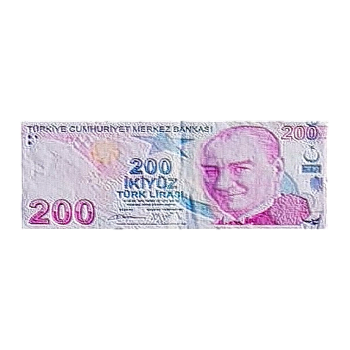
New Turkish Lira Two Hundred Face Value
New Turkish Lira Two Hundred Face Value

The Turkish lira (Türk Lirası) was originally the currency used in Turkey, but due to its large face value, it was once one of the world's least valuable currencies. The new Turkish lira (Yeni Türk Lirası) was opened on January 1, 2005. 1,000,000 old Turkish lira for 1 new Turkish lira.
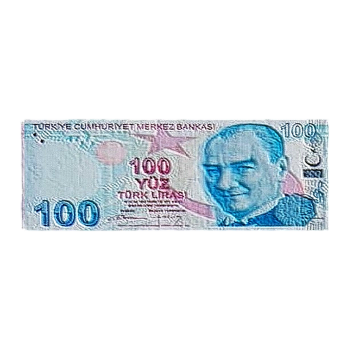
New Turkish Lira One Hundred Face Value
New Turkish Lira One Hundred Face Value

The Turkish lira (Türk Lirası) was originally the currency used in Turkey, but due to its large face value, it was once one of the world's least valuable currencies. The new Turkish lira (Yeni Türk Lirası) was opened on January 1, 2005. 1,000,000 old Turkish lira for 1 new Turkish lira.
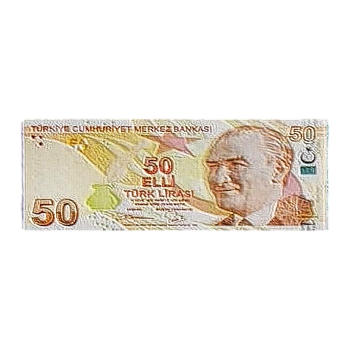
New Turkish Lira Fifty Face Value

New Turkish Lira Fifty Face Value
The Turkish lira (Türk Lirası) was originally the currency used in Turkey, but due to its large face value, it was once one of the world's least valuable currencies. The new Turkish lira (Yeni Türk Lirası) was opened on January 1, 2005. 1,000,000 old Turkish lira for 1 new Turkish lira.
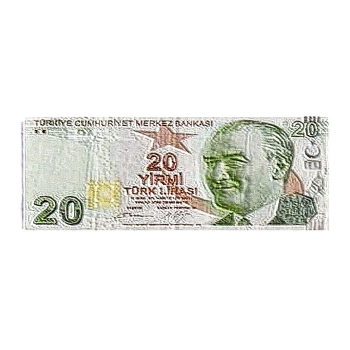
New Turkish Lira Twentieth Face Value
New Turkish Lira Twentieth Face Value

The Turkish lira (Türk Lirası) was originally the currency used in Turkey, but due to its large face value, it was once one of the world's least valuable currencies. The new Turkish lira (Yeni Türk Lirası) was opened on January 1, 2005. 1,000,000 old Turkish lira for 1 new Turkish lira.
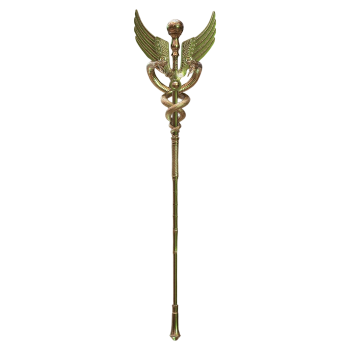
Two-headed snake pharaoh scepter (assembled components can be 3D printed)

Two-headed snake pharaoh scepter (assembled components can be 3D printed)

World War I Nokloy Detention Camp Medal-Stranraer

World War I Nokloy Detention Camp Medal-Stranraer

The "World War I Nocoloy Detention Camp Medal-Stranraer" is a historical monument associated with the "Nocoloy Detention Camp" (Knockaloe Internment Camp) in Stranraer (Stranraer), Scotland, England. It is not only the material testimony of the "enemy expatriate detention policy" in the First World War, but also reflects the tragedy of civilians being forced to be involved in the conflict due to the war during the First World War, as well as the reflection and commemoration of this period of history after the war.
El Canio, Panama Whalebone Crocodile Pendant

El Canio, Panama Whalebone Crocodile Pendant

"Panamanian El Canio Whalebone Crocodile Pendant" is a traditional handicraft in El Caño (El Caño, located near the Panama Canal Zone) in central Panama. It uses whale bone as material and carves crocodile shapes. It is a typical representative of the integration of Panamanian aboriginal culture and natural ecology. It is not only a daily accessory for local residents, but also an important material symbol of Panama's "Ocean-Jungle" culture, carrying the awe of nature and the memory of ancestors.
Golden Earrings of Kimbaya Civilization

Golden Earrings of Kimbaya Civilization

"Jinbayan civilization earrings" is one of the most representative gold jewelry of ancient Jinbayan civilization in Colombia (Quimbaya culture, about 1000 BC-16th century AD). It is famous for its exquisite craftsmanship, complex decoration and profound cultural connotation. The Kimba culture is mainly distributed in the western Andes of Colombia, and its name is derived from the discovery of the "Kimba Cemetery" by Colombian archaeologists in the 19th century. The culture is known for its highly developed metallurgical technology, complex social hierarchy and unique religious system, and is considered to be the most advanced civilization in pre-Columbian South America.
Painted pottery plate relief

Painted pottery plate relief

This relief is the collection of the Poole Museum, painted pottery plate is a low temperature tin glazed pottery, originated in the 15th century Italy Faenza (Faenza), after widely popular in Europe (such as France, Germany, Britain, etc.).
Knight's Cross of the Fifth Order of Military Merit, the highest Polish military medal
Knight's Cross of the Fifth Order of Military Merit, the highest Polish military medal

The silver cross of the Virtuti Militari Order of the Cavalry type is housed in the Nowy Sącz District Museum. It is the highest military medal in Poland, awarded to soldiers who have demonstrated outstanding bravery in combat. The design of this medal usually includes a cross with the words "Virtuti Militari" to show recognition and respect for the winner.
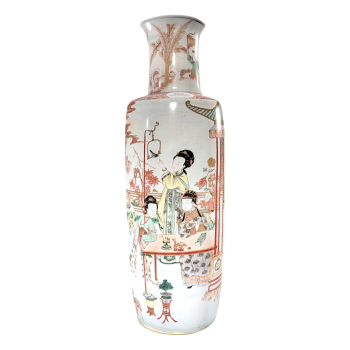
Jingde Cylindrical Porcelain Vase in Qing Dynasty

Jingde Cylindrical Porcelain Vase in Qing Dynasty

This cylindrical porcelain vase was made in Jingdezhen, China, 1710-1715, decorated with overglaze and gold colors (famille verte). The exhibit is numbered PO 6257 and is in the porcelain collection of the Dresden State Art Collection.
Qing Dynasty Period Riverview Jingde Porcelain Lantern

Qing Dynasty Period Riverview Jingde Porcelain Lantern

This is a Chinese Qing Dynasty lantern decorated with river landscape. Made in Jingdezhen, China, early 18th century. The material is porcelain, with overglaze painting (famille verte) and gold color decoration. This exhibit is numbered PO 3318 and is in the porcelain collection of the Dresden State Art Collection.
19th century collection square bottle porcelain perfume bottle

19th century collection square bottle porcelain perfume bottle

This square porcelain perfume bottle is currently in the collection of the Sosenko Family Foundation and is one of the Foundation's precious collections. The bottle body is decorated with hand-painted floral patterns, demonstrating superb craftsmanship and artistic value. It is not only a perfume container, but also a work of art. Its design is inspired by natural landscapes and is made using complex craftsmanship.
Eighteenth-century collection heart-shaped porcelain perfume bottle

Eighteenth-century collection heart-shaped porcelain perfume bottle

The heart-shaped porcelain perfume bottle is one of the precious items in the collection of the Sosenko Family Foundation. The design of the perfume bottle is very unique, the bottle body is heart-shaped, with metal decoration and bottle cap at the bottleneck. The sides of the bottle are decorated with red stripes and hand-painted gold arches. The surface of the bottle is decorated with a large flower pattern with leaf stems. The metal decoration and bottle cap are made by casting technology and decorated with floral patterns.
Nineteenth Century Collection Porcelain Florals Perfectionery Bottle

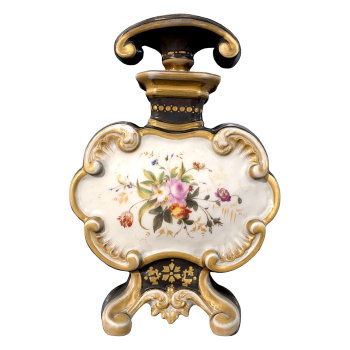
Nineteenth Century Collection Porcelain Florals Perfectionery Bottle

This porcelain vase is one of the precious items in the collection of the Sosenko Family Foundation. The porcelain vase is hand-painted with exquisite floral miniature patterns and plated with gold-edged, demonstrating superb craftsmanship and artistic value. Porcelain bottles are usually made of high-grade materials, and hand-painted patterns may be completed by skilled craftsmen, reflecting the exquisite skills of the producers and the ultimate pursuit of details.
Nineteenth Century Collection Porcelain Scenery Perfectionery Bottle

Nineteenth Century Collection Porcelain Scenery Perfectionery Bottle

The porcelain landscape perfume bottle is one of the precious items in the collection of the Sosenko Family Foundation. The design of the perfume bottle is very unique, the bottle body is decorated with exquisite landscape patterns, showing superb craftsmanship and artistic value. Perfory bottles are usually made of high-grade materials, and the landscape patterns on the bottle body may be hand-painted or carved, reflecting the maker's superb skills and the ultimate pursuit of details.
The national emblem of the Kingdom of Poland in the nineteenth century

The national emblem of the Kingdom of Poland in the nineteenth century

This 19th century emblem of the Kingdom of Poland comes from a drugstore in Jedrzejov. The emblem is beautifully designed and symbolizes the authority and history of the Kingdom of Poland. It is currently housed in the Museum of Pharmacy, Jaguellów University School of Medicine, Kraków.
Joachim Lieberman's Pocket Watch

Joachim Lieberman's Pocket Watch

This pocket watch belongs to Joachim Lieberman and symbolizes the personal history and family destiny of that era. This pocket watch is not only a personal item, but also reflects the social background and historical events of that period. The exquisite design and precise craftsmanship of the pocket watch demonstrated the superb craftsmanship of watch making at that time. Joachim Lieberman's pocket watch is now in the museum as a historical witness, recording the story and people's lives during that turbulent period. Joachim Lieberman's pocket watch is currently in the Auschwitz Jewish Center Museum.
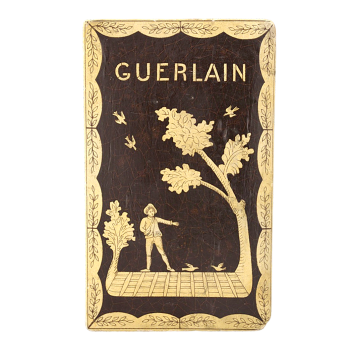
Eighteenth-century collection Guerlain perfume bottle

Eighteenth-century collection Guerlain perfume bottle

Guerlain perfume bottle is made by the famous French perfume brand Guerlain (Guerlain). Guerlain perfume bottles are known for their exquisite design and noble quality. The design of perfume bottles is usually very unique, reflecting the brand's ultimate pursuit of detail and craftsmanship. This perfume bottle is currently collected by the Sosenko Family Foundation and is one of the foundation's precious collections.
Polish Legion 2nd Brigade Commemorates First World War Badge
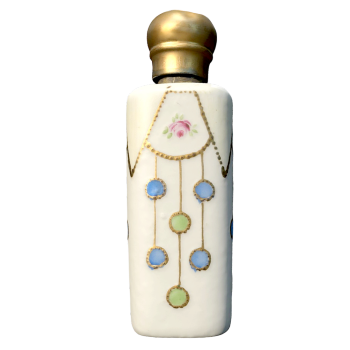
Polish Legion 2nd Brigade Commemorates First World War Badge

This insignia belongs to the 2nd Brigade of the Polish Legion and is present at the Nowy Sącz District Museum. This insignia commemorates the 2nd Brigade of the Polish Legion during the First World War. The Polish Legion was a military unit formed in Poland during World War I, mainly by Polish nationalists, to fight for Polish independence. The 2nd Brigade performed heroism in battle, so its coat of arms has historical and cultural value and is an important part of Poland's military heritage.
19th Century Collection Art Nouveau Perfume Bottle

19th Century Collection Art Nouveau Perfume Bottle

This porcelain perfume bottle is part of the Sosenko Family Foundation collection and showcases the unique Art Nouveau style of that period. The characteristics of Art Nouveau include the smooth curves of nature, the form of plants and the ornate decoration. This perfume bottle is not only a daily necessities, but also a work of art, reflecting the pursuit of beauty in the new art style and the artistry of life.
Huzur District Memorial Dinner Plate

Huzur District Memorial Dinner Plate
The collection, a commemorative plate from the Huzur region, is currently on display at The Seweryn Udziela Ethnographic Museum in Kraków. The plate dates back to the 20th century and is made from a variety of materials, including wood, glass and brass. The Huzur region is known for its unique folk art and multiculturalism, and this commemorative plate is one of the representatives of these cultural heritages.
Nineteenth Century Collection Roger and Calais Fragrant Box
Nineteenth Century Collection Roger and Calais Fragrant Box

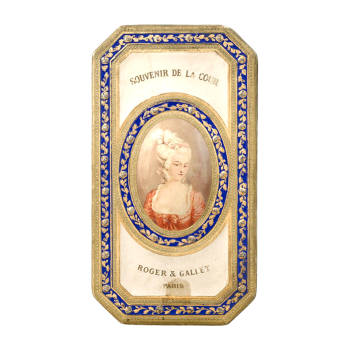
This perfume box is made by the famous French perfume brand Roger & Gallet and belongs to the collection of the Sosenko Family Foundation. The perfume box is decorated with exquisite cardboard and gilt, showing the elegant style of the late 19th and early 20th centuries. The unique charm of Roger & Gallet brand in perfume packaging design is the combination of art and craftsmanship, reflecting the fashion and taste of the time.
Nineteenth Century Collection Celadon Powder Slant Porcelain Perfume Bottle
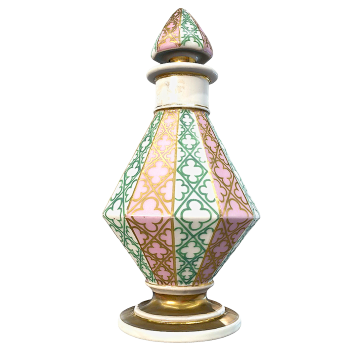
Nineteenth Century Collection Celadon Powder Slant Porcelain Perfume Bottle

This porcelain perfume bottle is one of the collections of the Sosenko Family Foundation. It has a unique celadon and pink beveled design and is a treasure in the history of cosmetics. The design of the perfume bottle is very delicate, with celadon and pink bevels set off against each other, adding a touch of elegance and softness to the bottle. This design was very popular in the 19th century, especially among the European aristocracy and upper class.
Eighteenth-century collection gold-plated perfume bottle with floral miniatures
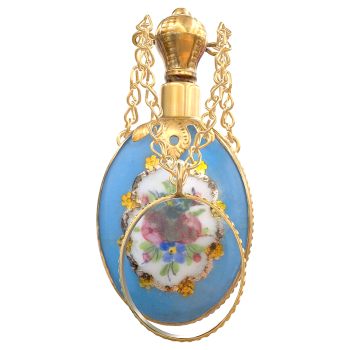
Eighteenth-century collection gold-plated perfume bottle with floral miniatures

The perfume bottle, with its exquisite floral miniatures and gilded decoration, is one of the collections of the Sosenko Family Foundation. This piece shows superb craftsmanship and unique design, and belongs to the treasures in the history of cosmetics. This design was very popular in the 18th century, especially among the European aristocracy and upper class. It is not only a cosmetic container, but also a fine art and collectible. Perfume bottles are usually made of porcelain or other precious materials, and the surface is decorated with exquisite paintings and gilded decorations, which reflects people's pursuit of luxury life at that time.
Nineteenth century collection chain perfume bottle

Nineteenth century collection chain perfume bottle

The perfume bottle is a unique piece of art that belongs to the collection of the Sosenko Family Foundation. This piece shows exquisite craftsmanship and unique design, and is a precious part of the history of cosmetics. The design is very easy to carry and can be hung on a chain and worn as an ornament. At that time, people's pursuit of luxury life. This design was often very popular in Europe in the late 19th and early 20th centuries.
19th century Imperial Russian Emblem

19th century Imperial Russian Emblem

This national emblem of the Russian Empire comes from a pharmacy in Kvobuk and is now in the Museum of Pharmacy (The Museum of Pharmacy at the Jagiellonian University Medical College in Kraków) of the Medical College of Jagiellón University in Krakow. This national emblem is made of cast iron in the 19th century and displays the double-headed eagle emblem of the Russian Empire. The double-headed eagle symbolizes authority and rule, and the two ends of the eagle face east and west respectively, symbolizing the vast territory and influence of the Russian Empire.
Chinese Lion-Shaped Ink Disc

Chinese Lion-Shaped Ink Disc

This Chinese lion-shaped ink plate is a work of art in the Krakow National Museum. The shape of the ink plate is a traditional Chinese lion image, beautifully carved, and there is a little lion next to it, implying protection and prosperity. The image of the lion symbolizes authority, guardianship and auspiciousness in Chinese culture.
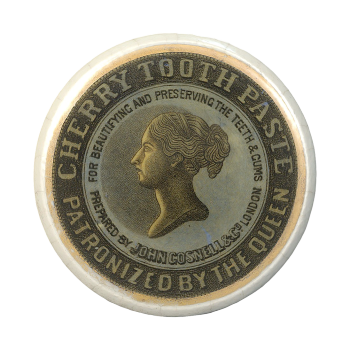
Early 20th Century Collection Cherry Toothpaste Box

Early 20th Century Collection Cherry Toothpaste Box

This cherry toothpaste box is an exhibit in the collection of the Sosenko Family Foundation. It shows an interesting object from everyday life in the past. The design of cherry toothpaste packaging is unique and colorful, reflecting the packaging art and design style of the time. The Sosenko Family Foundation has a collection of many similar objects of daily life. Through these exhibits, the audience can learn about the past life style and cultural background.
Haiqing Lotus Pottery

Haiqing Lotus Pottery

Haiqing is a brightly colored, cyan-glazed pottery, often used to make fine pottery and porcelain. This pottery is much loved for its unique color and glaze, and has high artistic and collectible value.
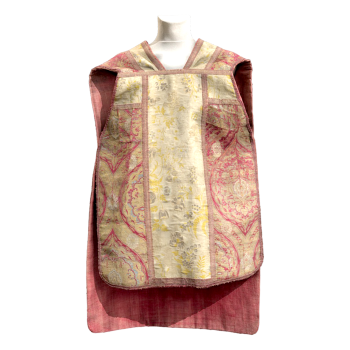
Seventeenth-Century Polish Bishop's Red Sacrifice

Seventeenth-Century Polish Bishop's Red Sacrifice

The red sacrificial gown is a traditional dress used in religious ceremonies, usually worn by clergy during major religious celebrations and ceremonies. This red memorial is a work from the 16th to 17th centuries and was made in France and Turkey around 1770. It is currently housed in the Miekhov Land Museum in Miyekhov, Poland.
Friedrich Jagueronzik's episcopal scepter

Friedrich Jagueronzik's episcopal scepter

This scepter is a work of art with a long history and great significance. This scepter was presented by Polish Cardinal Friedrich Jagalonzik and was produced by artist Marchin Marchinnets between 1493 and 1495. The scepter is now in the collection of the Jagueronia University Museum (Collegium Maius) in Krakow, Poland. It reflects the craftsmanship and artistic style of the late 15th century. The scepter is usually made of precious metal and decorated with elaborate carvings and precious stones, demonstrating the level of craftsmanship and aesthetic value of the time.
19th century Austrian Imperial coat of arms

19th century Austrian Imperial coat of arms

The central element of the Austrian Emblem is the double-headed eagle. This eagle is usually black and flies on its wings, symbolizing the power and domination of the Empire. The two heads of the double-headed eagle represent the two main parts of Austria and Hungary, symbolizing unity and power. A crown is usually worn on the head, symbolizing the authority of the royal family and the monarchy of the empire. The double-headed eagle usually bears a coat of arms on its chest, with multiple small shields inside the coat of arms representing various regions and provinces within the empire. It was not only used in official documents, buildings and military equipment in the 19th century, but also in public events and ceremonies.
1 2 3 4 5 6 7 8 9 Next