Nature/Plants
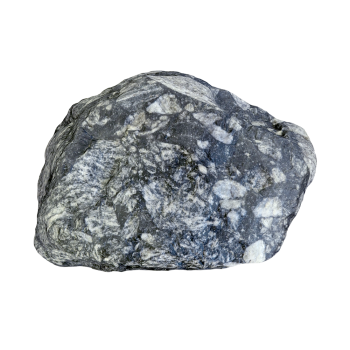
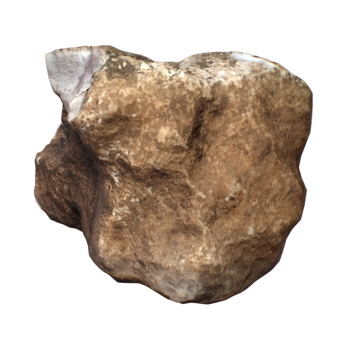
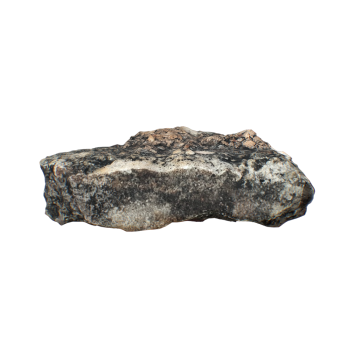
andesite mineral stone
Andesite, a neutral erupting igneous rock with a grayish black or dark gray background color and with white or light gray spots (porphyry). These are usually plagioclase and may also contain dark minerals such as amphibole or pyroxene. Anshan magma is usually formed when the oceanic plate subducted under the continental plate.
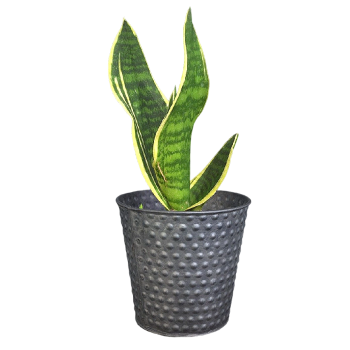
Phnom Penh Tiger Piran Potted Plant
Tiger skin orchid, commonly known as "snake skin orchid" or "mother-in-law tongue". Known for its toughness and low maintenance, this plant is considered one of the easiest to feed houseplants. It can withstand drought, does not require high light, and has the ability to purify the air, especially suitable for decorating the living room, study or bedroom. The flower pot is cylindrical and has an industrial wind or vintage embossed style. This design is durable and beautiful, and is suitable for modern or rustic home decoration.
Wooden Flower Box Artificial Plant Decoration
This is a wooden flower box artificial plant decoration. The ornament combines several simulated plants in a distressed wooden crate container, which is very suitable for interior decoration. The main large-leaf bamboos have natural cracks and holes in their leaves. There are also some long green plants and a few small pink flowers as ornaments. These plants look like realistic simulation plants, without watering maintenance. The plant is planted in a rectangular, light-colored wooden crate or pot in a rustic style.
Silver dollar vine succulent potted plant
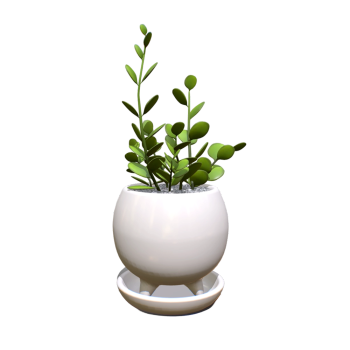
Silver dollar vine, in Japan is often called "green Taiko", because it has a thick round blade, shaped like a coin or a small drum. The leaves are fleshy, round, bright green, and the stems are long and trailing. It is a climbing succulent plant, native to Madagascar, simple to maintain and suitable for novices.
potted yucca plant
Yucca, commonly referred to as "elephant-legged yucca" or "Dutch iron". It has hard, sharp, banded green leaves in a rosette cluster. Known for its sculptural appearance and low maintenance needs, this plant is a common indoor ornamental.
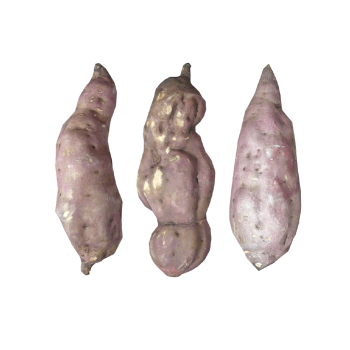
Sweet potato
Sweet potato is an important food crop, which is rich in starch and sugar. It is rich in dietary fiber, which helps intestinal motility and digestion. It also contains beta-carotene, vitamin C, vitamin E, potassium, calcium and other vitamins and minerals. Sweet potato cooking methods are diverse, can be roasted, steamed, boiled, fried, can also be used to make sugar, starch or alcohol and other processed products.
flower and leaf evergreen potted plant
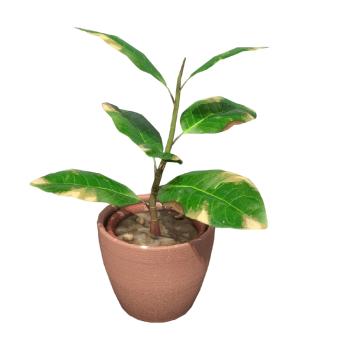
The flower leaf evergreen (Dieffenbachia), commonly known as "dumb sugar cane" (Dumb Cane). It has large ovate or heart-shaped leaves that are dark green with creamy white or pale green markings (mosaic leaves). This plant is a popular indoor foliage plant, preferring bright scattered light and moderately moist soil.
dry branches covered with lichen and moss
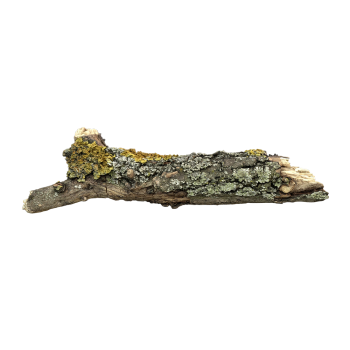
This is a dry branch covered with lichen and moss. It is not a single organism in itself, but a natural object composed of multiple elements and organisms. Lichens and mosses themselves do not harm healthy trees, they just use the bark as a stable attachment point to collect sunlight and rain. Their presence usually indicates that the branch has died or aged, as they prefer to grow on sunny, slow-growing surfaces.
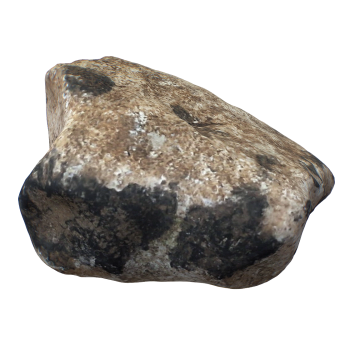
meteorite sample
This meteorite contains about 21.3 percent iron and is usually in the form of tiny silver metal flakes scattered in the rock matrix. The samples are usually black in color, and the surface may have weathered iron oxides or other silicate minerals (such as olivine and superbasic pyroxene), often with a molten shell.
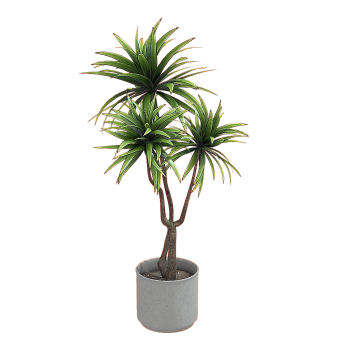
potted dracaemia
Dacaas are distinguished by their slender, sturdy brown trunks and their arched top with sword-shaped green leaves. It usually has multiple trunks growing from the base, giving it a lush, palm-like appearance.
Aster (Aster)
Aster is a popular ornamental plant commonly used in gardening and flower arrangement. Asteraceae. Herbs perennial. Stems erect, robust; basal leaves withered at anthesis, oblong or elliptic-spatulate; lower leaves spatulate-oblong; middle leaves oblong or oblong-lanceolate; involucral bracts linear or linear-lanceolate; style appendage lanceolate; achene obovate-oblong, purple-brown. The flowering period is from July to September and the fruiting period is from August to October. Because of its root color purple and soft, hence the name "aster".
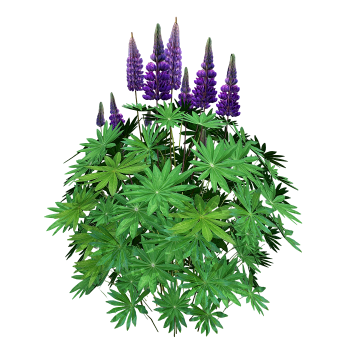
Lupine
Popular for their showy flowers, fan beans are often planted in gardens as an ornamental plant. In some areas, it is also used for agricultural purposes, and some varieties (such as white lupin and narrow-leaved lupin) are edible, but wild varieties often contain toxic alkaloids and need to be handled with caution.
A potted olive tree planted in a stone flowerpot.
The olive tree is an evergreen tree or shrub of historical and cultural importance. Olive trees are important crops in the Mediterranean region, mainly used for the production of olive oil and edible olive fruit.
Phalaenopsis potted plant
Phalaenopsis, also known as butterfly orchid, known as "orchid queen" reputation. The original meaning of the Greek word for Phalaenopsis is "like a butterfly-like orchid", and the flowers dance like a butterfly. Its main value is reflected in the ornamental, economic and cultural aspects. It is not only a high-end indoor potted plant and holiday gift, a symbol of purity and happiness, but also an important economic crop in the flower industry.
Potted plant with spider eggs (commonly known as "cast iron plant")
Spider holding eggs are tall and tidy, with thick green and bright leaves, graceful posture and strong adaptability. They are excellent foliage plants for indoor greening and can be placed in study rooms, bedrooms and other places with weak light. Spider eggs can absorb formaldehyde, hydrogen fluoride, can also absorb dust, can purify the air.
palm potted plant
Also known as the Washington palm or the Chinese fan palm, this palm is one of the most useful and widely grown palms in China. It has a high tolerance to air pollution, so it is suitable for cultivation in urban centers.
Potted plant of money grass
money grass, name of traditional chinese medicine. Lysimachia the dried whole grass of christinae Hance for the Primrose family. It is distributed in Yunnan, Sichuan, Guizhou, Shaanxi (southern), Henan, Hubei, Hunan, Guangxi, Guangdong, Jiangxi, Anhui, Jiangsu, Zhejiang, Fujian and other places. It has the effects of diuresis and yellow, diuresis, detoxification and swelling. Commonly used in damp-heat jaundice, gallbladder distension and hypochondriac pain, stone shower, hot shower, urination and astringent pain, carbuncle swelling and boils, snake and insect bites.
Western Fern
"Western fern", scientific name Pteridium aquilinum (linnai) Kuhn subsp. aquilinum, is a large perennial herbaceous fern of the genus fern (Pteridium) of the fern family (Pteridophyta), the true fern class (Filicopsida), the fern family (Filicales), the fern family (Pteridiaceae). It is one of the most common wild ferns in temperate to subtropical regions of the northern hemisphere, with both ecological value and toxicity risk, and carries historical literature.
Gentian Flower
"Gentiana", the scientific name Gentiana scabraBunge is a perennial herbaceous plant of the genus Gentiana (Gentiana) in the family Gentianaceae (Gentianaceae). Its core value is root medicine, and its blue funnel-shaped flowers also have ornamental charm. As the "heat-clearing and dampness-drying medicine" of traditional Chinese medicine, it carries the classical theory of "purging liver and gallbladder fire" in traditional Chinese medicine, and is also one of the representatives of wild medicinal plants in East Asia.
short stemmed wisteria flower
"Short-stemmed wisteria" scientific name Wisteria brachybotrys Siebold & Zucc., is a woody vine of the genus Wisteria (Wisteria) in the leguminous (Fabaceae) family. Its most notable feature is that the inflorescence is short and compact ("brachybotrys" is derived from the Greek "brachys" short "botrys" inflorescence), and the flowers are mainly lavender. It is a traditional vine with great ornamental value in East Asia. It has both medicinal and ecological significance.
Wide-leaf Hemerocallis Flower Specimen
"broad-leaved Hemerocallis", whose scientific name is Hemerocallis fulva var. is a classic variety of Hemerocallis. It has become one of the most representative ornamental plants in east Asia with wide leaves, gorgeous inflorescences and profound cultural implication, and has both medicinal and ecological value. Originated in China (the Yellow River Basin to the Yangtze River Basin), the Korean Peninsula and Japan; now widely cultivated in the global temperate to subtropical regions (such as Europe, America, Southeast Asia). It likes sandy loam with sufficient sunshine (resistant to half shade) and good drainage (avoid low-lying water accumulation), suitable for pH 6.0-7.5; Drought tolerance and barren tolerance.
Engraved Leaf Corydalis Specimen
"Corydalis vitae", scientific name Corydalis incisa Pers., is a perennial herb of the genus Corydalis (Corydalis) in the poppy family (Papaveraceae). Its leaves have deep-split texture and flowers are lavender or blue-purple. It is a common wild herb in East Asia and has both medicinal value and ecological significance.
large pine cone
Adapt to a variety of natural scene requirements-can be used as the core props for forest landscape, deciduous pile, plant specimen display, or used for ecological science, natural theme illustration and other scenes; Detailed design supports single use (single pine cone) or combined scenes (pine cone group, pine cone and pine needle collocation); Material performance is compatible with realistic rendering or mild stylization treatment, transmitting natural and simple atmosphere, and at the same time through the element of pine cone, the theme of indirectly associating the ecological characteristics of pinaceae plants with natural cycles.
Japanese taro
The clear theme of the model is Japanese Yinyu (also known as Japanese Yinyu), which is an evergreen shrub of the genus Rutaceae. It is characterized by leathery green leaves, aromatic white flowers and red fruits in winter. It is native to Japan, China and Southeast Asia. The model restores its core form as an ornamental plant and conveys the vitality and natural beauty of evergreen shrubs.
Random Model
Krishnabai Temple
358 View
Single Fabric Backrest Chair Sofa
435 View
Old style fire hydrant
261 View
Chocolate cake cup
180 View
Nachos with Mexican Dip
209 View
Australian Fold Terrain
284 View