Aloe vera

Aloe vera

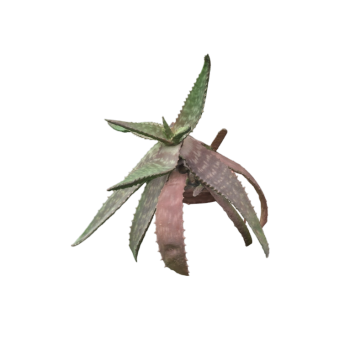
Aloe vera leaves are clustered, large and hypertrophic, seated or born at the top of the stem, and the leaves are mostly lanceolate, with sharp toothed spines on the edge. Its scape is higher, the inflorescence is umbel, racemose, etc., the flower color is mostly red, yellow or with red spots, and the flowering period is at the end of winter. It is native to tropical arid areas of Africa and has high medicinal value. Its products are widely used in food, beauty, health care and other fields.
Yushu

Yushu

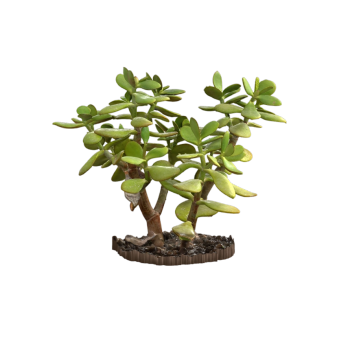
It presents a small and medium-sized shrub-like plant type, the stem is thick and lignified (the base is thick, and gradually branches upward), and the branches grow horizontally or obliquely, forming a compact and full crown; the plant height ratio is natural, and the stem surface has obvious node-like protrusions, simulating the growth trend of real Yushu.
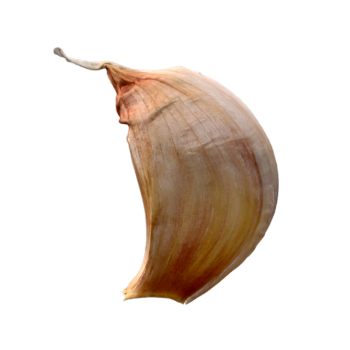
Garlic

Garlic

It presents the spherical or oblate outline of garlic bulb, which is tightly wrapped by multiple garlic cloves. The top may have dried garlic bolt residues or green buds, and the bottom has a discoid bulb disk (the part connecting the root). The overall shape is plump, showing the complete state when garlic is not peeled off. Part of the model may present the state of peeling off the outer skin, exposing the internal white garlic cloves, garlic cloves are wedge-shaped, different sizes, closely arranged, restoring the layered structure characteristics of garlic.
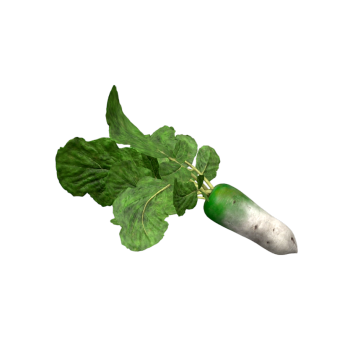
White Radish with Leaves

White Radish with Leaves

The body is long conical or cylindrical, the root is slightly thick, the top is tapered, the epidermis is smooth but with natural growth texture (such as longitudinal fine lines), there may be slight curvature or protrusion (simulating the irregularity of natural growth), and the bottom is marked with fine fibrous roots, reducing the root characteristics of white radish buried in the soil. The proportion of fleshy roots is coordinated, and the length and thickness are in line with the growth proportion of real white radish, avoiding oversimplification or exaggeration.
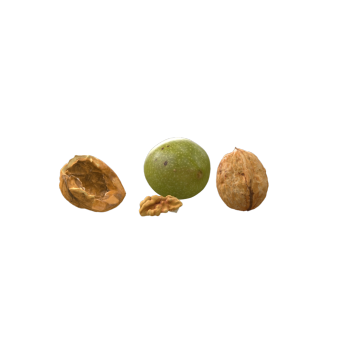
walnut combination

walnut combination

Complete walnut is nearly spherical or oval, with irregular convex ribs, concave gully and natural growth texture on the surface of the shell, with pedicle marks retained at the top and rounded closed at the bottom. Some walnuts may be cracked, with rough edges, and the folds and textures of the internal nuts can be clearly seen, restoring the structural characteristics of the hard shell and full nuts of walnuts.
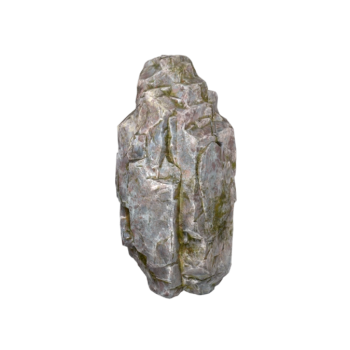
Moss-covered rock

Moss-covered rock

The work may be integrated into the association of natural scenes: moss-covered rocks often appear in ecological environments such as forest streams and wet valleys, and the creation may strengthen the natural context through background elements (such as scattered dead leaves, dripping water drops and hazy fog) to convey the natural philosophy of "quiet time is good. Whether it is the extreme depiction of micro-texture or the poetic expression of natural ecology, it highlights the creator's keen observation of natural details and the ability to transform ordinary natural elements into artistic images.
Ginger root

Ginger root

The skin texture is highly realistic, including dry skin folds, slight cracks, residual traces of soil (such as fine soil particles in the root crevice), mottled feeling of skin shedding, and light yellow brown background color and local dark spots unique to mature ginger. The texture performance is both rough and warm, the convex part may be slightly smooth due to friction, and the concave fold retains rough texture, forming a natural light-dark transition under light irradiation, strengthen the three-dimensional sense of rhizome.
Raw Banana

Raw Banana

Raw "clearly defines the theme of the model as immature bananas, focusing on their appearance, texture and color characteristics in the immature state, which is different from the yellow and soft texture of mature bananas." Banana "indicates that the main body of the model is banana fruit, including the shape of a single banana or a string of raw bananas, restoring its curved radian, handle, skin texture and other iconic details, and transferring the green and hard texture of the fruit.
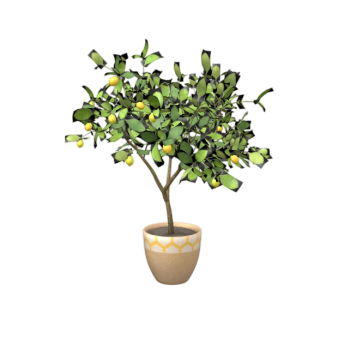
Potted Lemon Tree

Potted Lemon Tree

This 3D potted lemon tree model created by tochechka transforms natural plants into reusable digital assets through accurate form restoration and texture rendering, which not only meets the digital needs of natural elements in design, games, education and other fields, but also conveys the vitality and beauty of plants with delicate details, injecting real natural atmosphere into virtual scenes.
Inonotus obliquus

Inonotus obliquus

Inonotus obliquus is a species of parasitic/saprophytic fungus in the genus Corneomycetes (Fomitopsis) of the phylum Basidiomycetes (Basidiomycota) in the order Astrophoraceae (Agaricomycetes) in the family Hymenochaetaceae. Its fruit bodies often parasitize on the heartwood of birch (Betula spp.) and form a dark brown to black tumor-like structure. It is a very characteristic medicinal fungus in temperate to frigid forests and has attracted much attention due to its traditional medicinal value and ecological function.
Achobacteria hepato

Achobacteria hepato

Achobacteria hepato is a saprophytic fungus in the family Achobacteriaceae (Agaricaceae) of the family Basidiomycetes (Basidiomycota). It is named after the cap is often reddish-brown or dark purple-red similar to the liver. Its fruit body form is unique, ecological function is the key, is an important decomposer in the forest ecosystem, but also traditional medicine and modern research potential resources.
Ganoderma lucidum

Ganoderma lucidum

Ganoderma lucidum is a large wood-rotting fungus in Basidiomycetes (Basidiomycota), Poraceae (Polyporaceae) and Ganoderma (Ganoderma). Its fruiting body is leathery or woody, and its surface is often cracked. It is named because it grows in the branches of trees. It is an important decomposer in the forest ecosystem, and has attracted much attention in traditional medicine and modern research.
Tricholoma

Tricholoma

A reef with oyster shells

A reef with oyster shells

Shiitake mushroom

Shiitake mushroom

Lentinus edodes belongs to Basidiomycetes, Amatomycetes, Tricholomataceae (Tricholomatacete), Lentinus edodes (Lentinus), scientific name Lentinus edodes, originated in China, is the second largest mushroom in the world, and is also a famous precious edible fungus in China. China's earliest cultivation of mushrooms, has more than 800 years of history. Shiitake is also a famous medicinal mushroom in China. Chinese medical scientists have written about the medicinal properties and functions of Lentinus edodes. Lentinus edodes is a kind of food with the same source of food and medicine, with high nutritional, medicinal and health value.
Pinus pineculana

Pinus pineculana

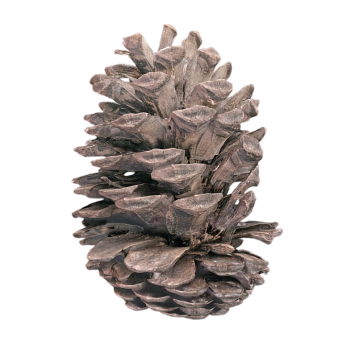
Pinus pinus (Pinus sylvestris L.) is a tree of the genus Pinus in the Pinaceae family. Its bark is reddish brown. Branchlets are dark grayish brown. Needle leaves are blue-green and thick and hard. Female globules have short stems and bend downward. The cones are dark yellow brown at maturity and conical ovoid. The seeds are dark brown oblong or ovoid, slightly flat. Flowering period may-June, the cones mature in September-October of the second year.
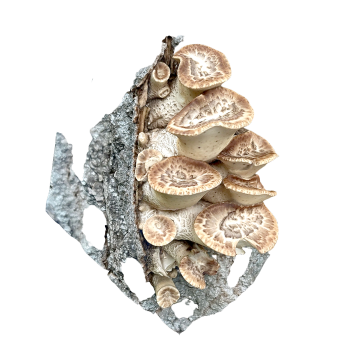
scale-porous bacteria

scale-porous bacteria

Polyporus (squamosus) is a typical saprophytic fungus of the genus Poromycetaceae of Basidiomycetes, named after the dense scale-like protrusions on the surface of the cap. It is one of the most common wood-rotting fungi in temperate to subtropical forests, playing a key decomposer role in ecosystems, while having traditional medicinal value. Mainly infects broad-leaved trees (such as oak, birch, maple) and some conifers (such as pine) withered standing, fallen or rotten wood.
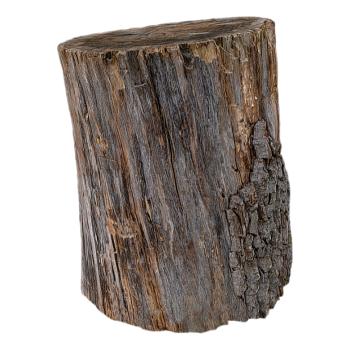
Cut good oak

Cut good oak

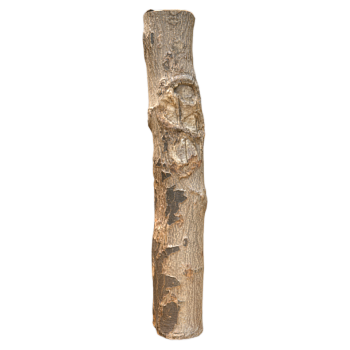
Chopped birch

Chopped birch

pine cones

pine cones

Flowering cactus potted plant

Flowering cactus potted plant

a pile of wood

a pile of wood

Domestic Aloe Green Plant

Domestic Aloe Green Plant

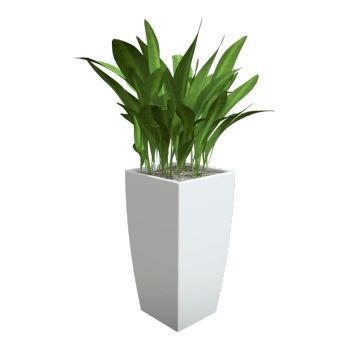
It is a perennial evergreen herb belonging to the genus Aloe, Lilaceae. It is native to Africa, but is now widely cultivated in tropical and subtropical regions of the globe. Known for its medicinal value and cosmetic effects, it is known as the "magic plant". The leaves are juicy and rich in gel, which can be extracted directly for use in medical and cosmetic products. It has anti-inflammatory, antibacterial, analgesic and wound healing properties and is commonly used to treat burns, scalds, cuts and skin inflammation. Aloe vera gel is also rich in vitamins, minerals, amino acids and antioxidants that help nourish the skin, reduce scarring and improve skin condition.
Rock 3D model

Rock 3D model

3D model of plane tree

3D model of plane tree

Platanus orientalis L (Latin name: Platanus orientalis L) is a tree in the family Plataceae. The plane tree is a deciduous tree that can reach a height of up to 5 meters. The branches are spread out, and the tree crown is broad, forming a long oval shape. The bark is gray green or gray white, irregularly flaked off, and after peeling off, it appears pink green, smooth, with buds under the stem and long hair at the base of the nut. Distributed in Southeast Europe, India, and the Americas, it has also been introduced for cultivation in China.
A withered old tree

A withered old tree

Lotus 3D model

Lotus 3D model

Lotus is an aquatic herbaceous plant of the Lotus genus in the Lotus family. The rhizome of lotus is thick and grows underground; The leaves are shield shaped and round, extending out of the water surface. The petiole is hollow and often prickly; The flower is solitary at the top of the stem, with sepals falling early and petals mostly red, pink, or white; The fruit is oval or ovoid in shape, black brown in color; Seeds are oval or elliptical in shape, red or white in color; Flowering period from June to August; The fruiting period is from August to October. Regarding the origin of the name "lotus", it is recorded in the "Shuowen Jiezi" that "lotus is the essence of the lotus." Xu Hao, a Qing person, said that the reason why it was called "lotus" was because the shape of the lotus pod was connected like a honeycomb. The original meaning of "lotus" is lotus seed, later used to refer to lotus flower.
Spring spruce trees

Spring spruce trees

Abies is an evergreen tree in the genus Abies of the pine family, also known as Canadian fir, North American fir, and Balsan desert fir. Plants can grow up to 8-20 meters in height; The bark of the old tree is thick and dark reddish brown, with scaly lobes. The young trees are relatively smooth, gray, and the young branches are light yellow green with gray short hairs; Winter buds are small, nearly spherical or broadly ovoid, with resin; The leaves on a tree undergo significant changes, with two rows of flat, dark green leaves arranged on either side.
Winter spruce trees

Winter spruce trees

Abies is an evergreen tree in the genus Abies of the pine family, also known as Canadian fir, North American fir, and Balsan desert fir. Plants can grow up to 8-20 meters in height; The bark of the old tree is thick and dark reddish brown, with scaly lobes. The young trees are relatively smooth, gray, and the young branches are light yellow green with gray short hairs; Winter buds are small, nearly spherical or broadly ovoid, with resin; The leaves on a tree undergo significant changes, with two rows of flat, dark green leaves arranged on either side.
3D model of mountain ripples

3D model of mountain ripples

Beilschmiedia appendiculata (C. K. Allen) S. K. Lee&Y. T. Wei): a small tree in the family Lauraceae and genus Cymbidium, with a height of 6-30 meters and a diameter at breast height of up to 60 centimeters; The bark is grayish yellow. The apical bud is densely covered with gray brown short hairs. Branchlets are hairless or covered in soft hairs, often thick and slightly angular. Leaves opposite or alternate, fruit elliptical or ovate elliptical, 1-1.8 cm long, about 1 cm in diameter, often with small nodules, green when immature, black when mature; The stem is 1.5-2 millimeters thick.
Laurel 3D model

Laurel 3D model

Laurel, scientific name: Laurus nobilis L., is an evergreen tree belonging to the Lauraceae family and the Lauraceae genus. It is distributed in Asia, Europe, and Africa, and has been introduced to many countries including China. Up to 12 meters tall, leathery leaves, oblong or oblong lanceolate, apex pointed or gradually pointed, petiole purplish red; The inflorescence bracts are nearly round, hairless, and the lobes are oblong or nearly round; The fruit is dark purple oval shaped; The flowering period is from March to May, and the fruiting period is from June to September. The name Laurel comes from the Greek mythological goddess Laurel.
Mediterranean pine 3D model

Mediterranean pine 3D model

Mediterranean pine (scientific name: Pinus haleepensis), also known as Aleppo pine, is a tree species in the pine genus, native to all low altitude areas around the Mediterranean Sea. Mediterranean pine is generally found at altitudes below 200 meters (660 feet), but can grow up to 1000 meters (3300 feet) in southern Spain, 1200 meters (3900 feet) in Crete, and can also be found in areas up to 1700 meters (5600 feet) above sea level in Morocco, Algeria, and Tunisia.
Nine spice potted plant

Nine spice potted plant

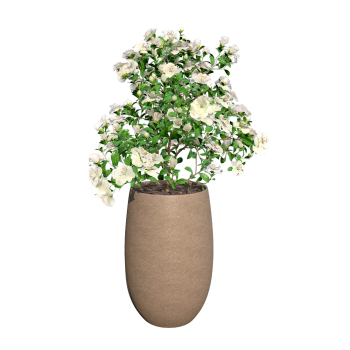
Murraya exotica, also known as Stone Chili, Nine Autumn Fragrance, Mountain Yellow Peel, Thousand Eyes, and Moon Orange. In the Rutaceae family, the Nine Mile Incense genus is an evergreen shrub that can sometimes grow into small trees with beautiful plant posture, beautiful branches and leaves, and rich floral fragrance. The chemical composition of the roots, stems, and leaves is similar to that of Qianli Xiang, and it is produced in the southern provinces of Taiwan, Fujian, Guangdong, Hainan, and Guangxi. Commonly found in shrubs on flat ground, gentle slopes, and small hills not far from the coast. Likes to grow in sandy soil and sunny places. In the southern region, it is often used as a fence material, or as a decoration for flower beds and hotels, and also as a bonsai material.
Eucalyptus 3D model

Eucalyptus 3D model

Eucalyptus spp. (scientific name: Eucalyptus spp.) is a collective term for plants in the Eucalyptus, Eucalyptus, and Eucalyptus genera of the Myrtle family. Most of them are evergreen trees with a wide variety of species. Eucalyptus is derived from the transliteration of French by modern Chinese scholar Wu Zonglian. "Eucalyptus" is related to "case" in ancient Chinese and is named "Eucalyptus", which means that its material can be used to make objects. Eucalyptus also has the function of treating diseases and preventing epidemics. The name "Eucalyptus" means safe but not dangerous.
3D model of taro

3D model of taro

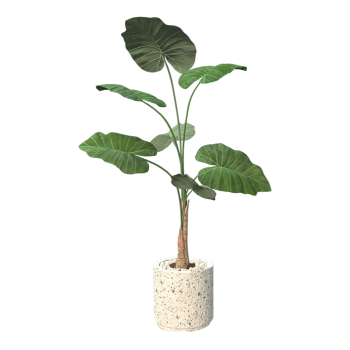
Alocasia odora (Roxburgh) K. Koch is a large evergreen herbaceous plant in the Araceae family, belonging to the genus Alocasia; Having creeping rhizomes, upright above ground stems, and adventitious buds growing at the base; Leaves mostly, sub leathery, grass green, arrow shaped ovate, petiole green or purplish, arranged in a spiral pattern, thick and thick; The inflorescence stem is cylindrical, green, sometimes stained purple, with a yellow green boat shaped and elongated eave. The flesh inflorescence is fragrant, the female inflorescence is white, the sterile male inflorescence is green white, and the fertile male inflorescence is light yellow; Berry red, egg shaped; During the flowering period, flowers often do not bloom in dense forests throughout the four seasons.