


Freecreat category
Nature/Plants
Browse models in this category, preview details, then continue to download when ready.
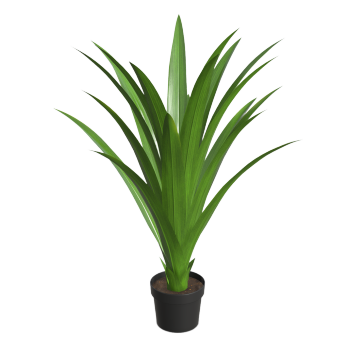
Silk Orchid
Silk orchid is a plant of the genus Silk orchid in the family Asparagaceae. Short stem or no stem; Cone shaped candlestick, cup-shaped flowers, drooping, white; The base of the leaves is sword shaped and radiating, covered in white powder and leathery texture; The flowering period is from August to October. Silk orchid is native to North America and is cultivated in the Yangtze River Basin and North China region of China. It is also distributed in areas south of the Yangtze River. Silk orchid is a sun loving species that prefers sunny and warm climates, is relatively cold resistant, and prefers well drained and fertile sandy soil. The propagation methods of silk orchids are divided into sowing, splitting, or cutting.

Olive tree potted plant
The olive tree (Canarium spp.) is a common name for approximately 75 species of plants in the olive family and genus Olivaceae. There are over 500 cultivated varieties of olive trees worldwide. The flowering period is from April to May, and the fruit ripening period is from October to December. Light loving tree species with certain cold resistance; Originating from the Mediterranean coastal region in southern Europe. Widely introduced in China, it is planted in 15 provinces and regions south of the Yangtze River Basin, including Guangdong and Guangxi, with the highest number in Hubei, Sichuan, Yunnan, Guizhou, and Shaanxi provinces. The fruit can be pressed for oil, consumed, or used to make candied fruits.

Bengali Banyan
Ficus bengalensis, also known as Indian Banyan in English. The transliteration of Chinese Buddhist scriptures is: Nikhulu Tree, Nikhulu Tree, Nikhulu Tree, Nikhulu Tree, etc. Bengali fig is a member of the mulberry family and genus Ficus, native to the Indian Peninsula in South Asia.

Spider Aloe Vera
Spider aloe vera is a beautiful low rise succulent plant. Born and raised in South Africa, it thrives in warm regions and can withstand cold conditions. Aloe vera requires lightweight and well drained soil. Extreme humidity can cause most aloe vera roots to rot.
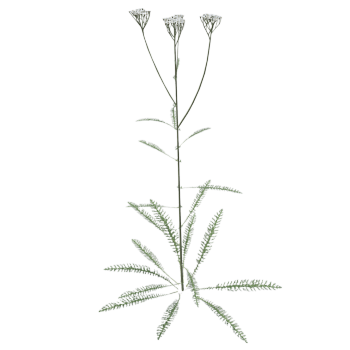
Yarrow
Achillea millefolium L. is a perennial herbaceous plant in the Asteraceae family, with slender creeping rhizomes. The stem is upright, reaching up to 100 centimeters in height, with fine stripes, leaves without stems, leaves with two to three fully lobed feather like structures, numerous head shaped inflorescences, bracts rectangular or nearly ovate, sparsely covered with soft hairs; The bracts are arranged in a tile like pattern, the bracts are rectangular and elliptical in shape, membranous, the tongue is nearly circular, white, pink or light purple red, the flowers are bisexual, tubular, yellow, and the achene is rectangular in shape. They bloom and bear fruit from July to September.

Walnut
Walnut, also known as walnut, is a tree of the walnut genus in the walnut family. The walnut tree has a broad crown, and the bark is gray green when young and gray white with shallow longitudinal cracks when old; Branchlets are hairless, glossy, covered with shield like glands, gray green, later brownish; The small leaves are elliptical ovate to elongated elliptical in shape, with blunt rounded or acute pointed tips, short gradually pointed tips, and sparse fine serrations along the entire margin or on young trees. The upper part is dark green, hairless, and the lower part is light green; The bracts, bracteoles, and carpels of male flowers are all covered with glandular hairs, and the anthers are yellow and hairless. The bracts of female flowers are covered with extremely short glandular hairs, and the stigma is light green; The fruit has a short fruiting period, with a drooping and almost spherical shape. It is hairless and has a flowering period of May and a fruiting period of October.

Amanita muscaria
It is called toad fungus, fly trap fungus, poisonous fly fungus, and poisonous fly umbrella. The sub entity is relatively large. The cap width is 6-20cm. The edges have obvious short ridges, the surface is bright red or orange red, and there are white or slightly yellowish granular scales. The gills are pure white, dense, free, and of unequal length. The mushroom meat is white and red near the epidermis.
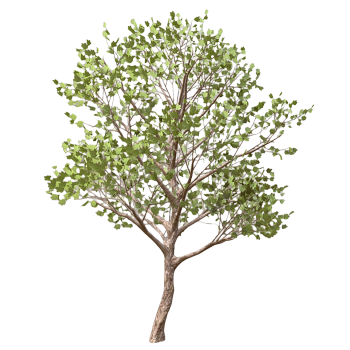
maple
Maple, a deciduous tree species belonging to the Acer genus in the Acer family. Its plants can grow up to 17 meters tall; Leaves opposite each other, with no hairs on the leaf axis; Small leaf paper, oblong elliptical or oblong ovate in shape, with a long and gradually pointed tip, serrated, and dark green on top; The seeds have a glossy appearance, ranging from olive green to yellow; The flowering period is in May every year, and the fruiting period is in August every year. Maple trees are named after the wind shaking their leaves, and when the wind blows, the leaves make a rustling sound, hence the name maple tree.

An'er Ke fruit
Lithocarpus Haipinii Chun, also known as An'er Ke, is a plant species in the family Fabaceae, with a height of up to 30 meters. The bark is not cracked, dark gray brown, the inner layer is light reddish brown, the leaves are thick, hard and brittle, wide elliptical, oval, inverted or inverted oval, and the leaf edges are rolled back. Male inflorescence with multiple spikes arranged in a conical shape; The female inflorescence is relatively short. The young shell of the nut is fully wrapped, with short bracts and mature shell shaped discs or pots; Nuts are nearly spherical and slightly flattened, with a flat bottom and chestnut brown color. When fully ripe, they have longitudinal cracks and a concave navel,. The flowering period is from July to August, and the fruit matures at the same time the following year. The fruit contains 58% starch.
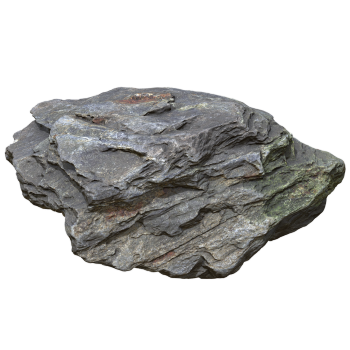
Rocks of the Matanuska Glacier in Alaska
Matanuska Glacier is a valley glacier located in Alaska, United States. 27 miles (43 kilometers) long and 4 miles (6.4 kilometers) wide, it is the largest glacier that can be reached by car in the United States. Its glacier terminus is the source of the Matanuska River. It is located near Glenn Highway, about 100 miles (160 kilometers) northeast of Anchorage. The Matanuska Glacier has a daily flow of approximately 1 foot (30 centimeters). Due to the melting of glaciers in lower areas, as of 2007, there has been little change in the position of glacier tips over the past 30 years.

White clover flower
White clover, as a ground cover plant. This is a leguminous plant that not only has the characteristic of covering the ground surface as a ground cover plant, but also has the ability to fix nitrogen and increase soil nitrogen levels. White clover, with a creeping stem, prefers warm, cool, and humid climates, reproduces quickly, has strong invasion, and quickly forms a flat. It is resistant to trampling, grows well in general soil, and is also tolerant to certain salinity and extensive management. Therefore, it is known as a ground cover plant that can kill two birds with one stone.

White clover
White clover, as a ground cover plant. This is a leguminous plant that not only has the characteristic of covering the ground surface as a ground cover plant, but also has the ability to fix nitrogen and increase soil nitrogen levels. White clover, with a creeping stem, prefers warm, cool, and humid climates, reproduces quickly, has strong invasion, and quickly forms a flat. It is resistant to trampling, grows well in general soil, and is also tolerant to certain salinity and extensive management. Therefore, it is known as a ground cover plant that can kill two birds with one stone.

Calanthe
Calanthe discolor Lindl. is a plant of the genus Calanthe in the Orchidaceae family. The rhizomes are not very obvious, and the pseudobulbs are thick and short, nearly conical in shape; The leaves are not fully unfolded during the flowering period, and are inverted oval or elliptical in shape; The flower stem rises above the leaves and is densely covered with short hairs; Flowers bloom, sepals and petals are brownish purple in color, petals are oblong or lanceolate in shape, lips are white and fan-shaped, flowering period is from April to May. Shrimp spine orchid is mainly distributed in southwestern Jiangsu, Zhejiang, Fujian, northern Guangdong, Hunan, Hubei, and Guizhou in China. Shrimp spine orchid is relatively cold resistant, tolerant to semi shade but not drought, and prefers warmth and humidity.

Russula virescens
Russula virescens (Schaeff.) Fr. is a fungus belonging to the family Russula and genus Russula. The fruiting body grows on the ground and can reach a height of up to 10 centimeters. The flesh is crisp, perishable, and the cap is initially spherical, later it is slightly concave in the middle, and slightly rolled down around. The cap surface is light green or grayish green, with irregular copper green spots, white pleats, white and smooth than the dense handle cylinder, white when the spores are spherical, and there are small warts on the outer wall, distributed in Liaoning, Jilin, Heilongjiang, Jiangsu, Zhejiang, Fujian, Henan, Taiwan, Guangdong, Guangxi, Guizhou, Yunnan, Xizang and other places in China.

Polyporus squamosus
Polyporus squamosus, belonging to the family Polyporus, is a medium-sized saprophytic mushroom that inhabits wood and is edible. It is widely distributed and found in North America, Australia, Asia, and Europe, living in hardwood forests. This species was first described by British biologists in 1778 and was named Boletus squamosus at the time. The current name was proposed by Swedish biologist Elias Magnus Fries in 1821 in Systema Mycologicum.
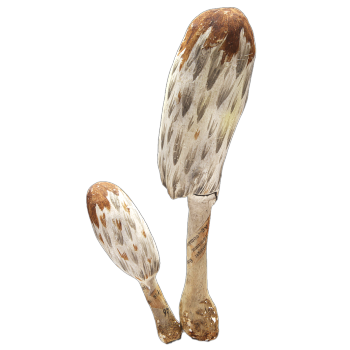
lawyer's wig
Chicken leg mushroom, also known as chicken leg mushroom, is commonly known as Mao Tou Ghost Umbrella in northern China. In the old classification, it belonged to the Ghost Umbrella genus along with other varieties of Ghost Umbrella mushrooms, but in the new classification, it was classified under the Coprinus genus. Chicken leg mushroom is a wild edible mushroom found in Europe, Asia, and North America. Depending on the regional climate, it may emerge after rain in late spring, summer, or autumn. Chicken leg mushrooms belong to the mid high temperature type of mushrooms and are grass rot soil growing fungi. After the chicken leg mushroom matures, it will turn into ink, and after harvesting, it will also turn into ink within a few hours. Some mushrooms in the same family as chicken leg mushrooms can be poisoned when consumed together with alcoholic beverages.

Tulsi
Saint Basil, also known as God Basil, Dipper Leaf, Dipper or Gabo, is a perennial herbaceous plant in the genus Lamiaceae. It is native to the Indian subcontinent and is widely planted in Southeast Asia and tropical regions. Saint Basil is an upright small shrub that stands between 30-60 centimeters tall. The leaves are green or purple in color and interact with each other. Purple flowers.

Mango saplings
Mango tree (scientific name: Mangifera indica), also known as lemon fruit tree or mango fruit tree, is a plant of the mango genus. Its fruit is mango, native to northeastern South Asia and the Indochinese Peninsula. It is called ā mra in Sanskrit, transliterated as "anluo". It prefers high temperature and dry weather, and the most suitable temperature for its nutritional growth period (roots, stems, leaves) is 24-30 ℃. When the temperature drops below 18 ℃, it grows slowly and stops growing below 10 ℃. During the reproductive growth period (flowers, fruits), higher temperatures are required, and sandy soil with good drainage and humus content is most suitable, with a pH value of 5.5-7.5.

The mango tree
Mango tree (scientific name: Mangifera indica), also known as lemon fruit tree or mango fruit tree, is a plant of the mango genus. Its fruit is mango, native to northeastern South Asia and the Indochinese Peninsula. It is called ā mra in Sanskrit, transliterated as "anluo". It prefers high temperature and dry weather, and the most suitable temperature for its nutritional growth period (roots, stems, leaves) is 24-30 ℃. When the temperature drops below 18 ℃, it grows slowly and stops growing below 10 ℃. During the reproductive growth period (flowers, fruits), higher temperatures are required, and sandy soil with good drainage and humus content is most suitable, with a pH value of 5.5-7.5.
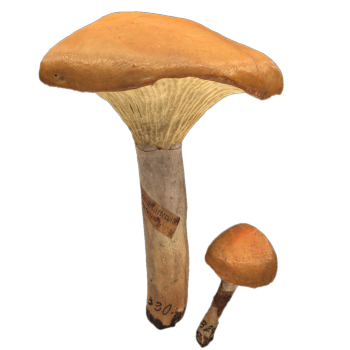
Grassland wax umbrella
Cuphophyllus pratensis (also known as grass wax umbrella) is a type of umbrella mushroom belonging to the mushroom family. In North America, it is also known as grass wax umbrella, salmon wax umbrella, or butter grass umbrella. Its fruiting body is as tall as 15 centimeters, and the cap initially appears convex, then flattened, with a slightly concave center and a diameter of up to 12.5 centimeters. The surface of the cap is smooth and dry, ranging from light salmon to orange brown. The gills are waxy, light in color, widely attached to the stem and extending downwards. The stem is smooth, cylindrical or gradually thinner towards the base, with a milky color. Spore print is white, the spores are smooth, non starchy, and elliptical in shape.

Mushroom clusters
Mushrooms belong to the order Basidiomycota, order Agaricales, family Tricholomatacete, and genus Lentinus. The scientific name Lentinus edodes originated in China and is the world's second-largest mushroom. It is also a precious edible mushroom that has long been renowned in China. The earliest cultivation of shiitake mushrooms in China has a history of over 800 years. Mushrooms are also famous medicinal mushrooms in China. Chinese pharmacologists throughout history have written about the medicinal properties and functions of shiitake mushrooms. Mushrooms have thick and tender meat, delicious taste, unique aroma, and rich nutrition. They are a food with both food and medicine, and have high nutritional, medicinal, and health value.

Rough scaled green pleated umbrella
The rough scaled green gilled umbrella belongs to a genus in the umbrella mushroom family. These types of fungi usually grow in saprophytic environments and have a medium to large body size. The cap is usually a brown to light brown scale, with a diameter of up to 5-25 centimeters, and a hemispherical or flattened spherical shape. It gradually unfolds in the later stage, with a slightly raised center. When young, the epidermis is dark brown or light brown, and as it matures, it cracks open. The scales at the top are large and thick, appearing brownish purple. The stem is smooth. White or pale yellow, some species will turn green after maturity. White or cream colored, some species have spore marks that are even green. Usually, there are thick walled fungal spores with no or flat covered pores, and a mesh like structure inside the gills.
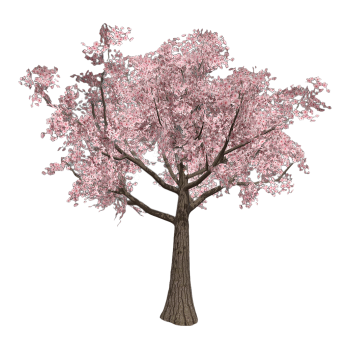
cherry tree
Cherry blossom or cherry blossom tree is a general term for plants in the Prunus subgenus Cerasus of the Rosaceae family. According to different contexts, cherry blossoms sometimes refer to the plant itself, and sometimes to the flowers that bloom. The cherry blossoms commonly referred to by people are ornamental cherry blossoms, not cherry blossoms that produce edible fruits.

Spicy Red Mushroom
Russula sardonia, commonly known as Primrose Brittlegill, is a species of red mushroom in the family Russula, belonging to the genus Russula commonly known as Brittlegill. This fungus has a reddish purple color and is commonly found in temperate coniferous forests during summer and autumn. This fungus is inedible and, like other non edible fungi, has a spicy taste.

Sleeping Hibiscus
Hanging Bellflower is a shrub plant in the Malvaceae family, belonging to the genus Hanging Bellflower. The plant height can reach up to 3 meters; Small branches covered in soft hairs; Leaves ovate lanceolate or ovate, apex gradually pointed, base broadly wedge-shaped or nearly rounded, with blunt teeth, both surfaces nearly hairless or veins sparsely covered with stellate soft hairs; The flower has a solitary leaf axil or branch tip, with small bracteoles spoon shaped and long hairs on the edges. The sepals are bell shaped, and the corolla is red and drooping cylindrical. The upper part is slightly expanded, and the stamen column extends outside the corolla. The stigma is head shaped; The fruit is a fleshy berry like body that splits after drying; The flowering period lasts throughout the year. The hanging lily is native to Mexico and Colombia, and is distributed in provinces such as Guangdong and Yunnan in China. I prefer environments with high temperatures, humidity, and ample sunlight.

Elephant Foot King Lan
Elephant footed king orchid is an evergreen woody plant of the genus Cymbidium in the family Tequila. Plant height of 4-6 meters; The stem is thick and upright, with the base often swollen and slightly grayish brown in color; The leaves are narrow lanceolate in shape, with sharp tips at the ends and densely clustered on the stem in a whorled pattern; Milk white flowers, conical inflorescence; The flowering period is summer and autumn. Elephant footed king orchid is native to North America and distributed in southern and northern China. I prefer a warm, humid, and sunny climate environment, and am tolerant to shade, drought, waterlogging, and cold. It is suitable for planting in loose, fertile, and well drained sandy soil, with a suitable growth temperature of 15-25 ℃. The general method of propagation is through cutting propagation.
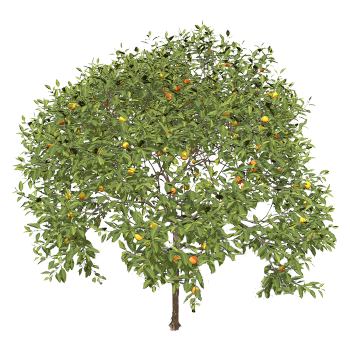
Sour Orange
Citrus × aurantium Engl. is a small tree in the Rutaceae family, belonging to the citrus genus. Its racemes have few flowers, sometimes accompanied by axillary single flowers; The fruit is spherical or flattened in shape, with a thick skin that is difficult to peel off. It is orange yellow or vermilion in color, with large oil cells and uneven surfaces. The flesh has a sour and sometimes bitter taste; Leaves ovate oblong or elliptical, entire margin or with shallow teeth, petioles and wings ovate; The flowering period of lime is from April to May, and the fruiting period is from November to December.
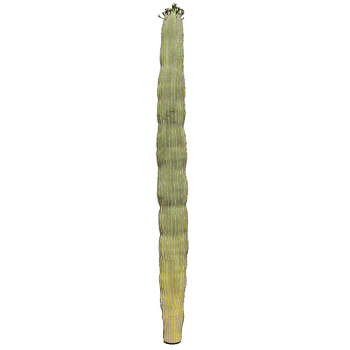
saguaro
Carnegie gigantea: It is the only species in the Cactaceae family and the genus Gigantea, and is also one of the tallest cactus varieties in the world. Its scientific name is named in honor of American entrepreneur and philanthropist Andrew Carnegie. The plant is tall and columnar, with branches in the shape of candlesticks and sharp edges. The trunk has dense, sturdy, and thick spines that can grow up to 3.8 centimeters in length, on 12-30 protruding vertical sharp edges. The thorn base has brown fluffy hair and radiating thorns. The flower thorn is trumpet shaped and blooms on the thorn base near the top of the stem. The berry is red in color and the flesh is edible. It is known as the "fairy peach".

delonix
Delonix regia, also known as Shadow Tree, Phoenix Tree, Phoenix Flower, Golden Phoenix, Fire Phoenix, Western Jacaranda, Red Jacaranda, Fire Tree, Red Fire Jacaranda, Flame Wood, Forest Flame, Panxia Na, etc., is a plant of the Phoenix Wood genus in the legume family. The flowering time of Phoenix Wood is around May to July in Hong Kong and early summer in Taiwan, often around the graduation season of schools. It stands out with its gorgeous flowers and fern like green leaves. It grows in many tropical and subtropical regions of the world as a decorative and sun shading tree.

Ku Liu
Salix elaeagnos, also known as bitter willow, olive willow, gray white willow or desert willow, is a flowering plant that grows in Central, Southern and Southwest Asia. It is an upright shrub that can grow up to 3 meters tall and 5 meters wide, with narrow gray green leaves that can grow up to 20 centimeters long. It turns yellow in autumn. In spring, green male inflorescences appear together with leaves, and the male inflorescences have yellow anthers. Like all willow trees, this species is dioecious.
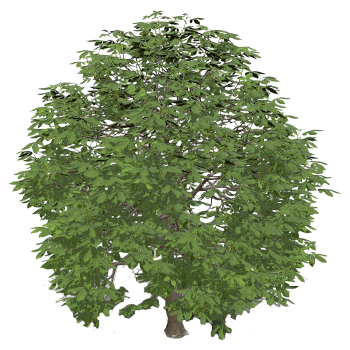
European Seven Trees
European seven leaf tree, scientific name: Aesculus x carnea, also known as Horse Chestnut, is an authentic angiosperm in the Sapindaceae family of the Sapindaceae order. It is a horticultural variety with a tree height of 5-15 meters, palm shaped compound leaves, 5 leaves, long petioles, serrated leaf edges, and a cone-shaped floral inflorescence with a height of 15-25 cm. The flowers are dark pink/red in color and bloom from May to June with a diameter of 1.5-2.5 cm. The fruit season is in October. It is a street and park viewing tree.
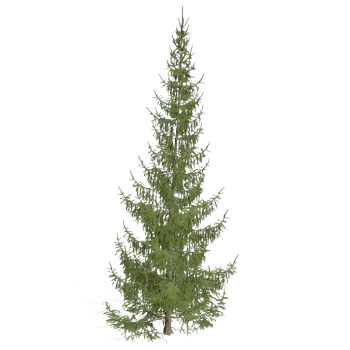
European spruce
European spruce (scientific name: Picea abies (L.) H. Karst.) It is a tree of the spruce genus in the pine family. The plant can reach a height of 60 meters and a breast height diameter of 4-6 meters; Young trees have thin bark, while old trees have thick bark that splits into small thin pieces; Branches often droop, young branches are light reddish brown or orange red, hairless or sparsely hairy, persistent bud scales at the base are significantly rolled back, and winter buds are conical in shape; Leaves are square shaped with four edges, straight or curved, pointed at the tip, oblique in cross-section, and have pink white stomatal lines on all four sides; The cone is cylindrical in shape, with seeds about 4 millimeters long and wings about 16 millimeters long.

North American Red Oak saplings
North American red oak is a native plant of North America, also known as red oak, red oak, or northern red oak, as a distinction from southern red oak. It is also the state tree of New Jersey and the provincial tree of Prince Edward Island. The distribution area extends north to the Great Lakes region, south to Georgia, Mississippi, Alabama, and Louisiana, east to Nova Scotia, west to Oklahoma, Kansas, Nebraska, and Minnesota in the eastern and central United States, as well as southeastern and central southern Canada. North American red oak has now been introduced to a small part of Western Europe as an ornamental tree species for planting in gardens and parks.

red oak
North American red oak is a native plant of North America, also known as red oak, red oak, or northern red oak, as a distinction from southern red oak. It is also the state tree of New Jersey and the provincial tree of Prince Edward Island. The distribution area extends north to the Great Lakes region, south to Georgia, Mississippi, Alabama, and Louisiana, east to Nova Scotia, west to Oklahoma, Kansas, Nebraska, and Minnesota in the eastern and central United States, as well as southeastern and central southern Canada. North American red oak has now been introduced to a small part of Western Europe as an ornamental tree species for planting in gardens and parks.

North American Mountain Hemlock
Tsuga mertensiana, also known as the North American mountain hemlock, is a species of hemlock native to the west coast of North America, found between central southern Alaska and central southern California. Cedar is a large evergreen coniferous tree that can grow up to 20 to 40 meters in height, with special individuals reaching up to 59 meters in height. Their trunk diameter is as high as 2 meters. The bark is about 3 centimeters thick, with square cracks or wrinkles, and a color ranging from purple brown to gray. The crown of young trees is a neat, slender cone shape, with slanting or drooping lead buds, while the crown of old trees becomes cylindrical. At all ages, it is characterized by slightly drooping tips of small branches.

Random Model

3D model of candy machine
815 View


Copper Chinese dragon vase
934 View

British CenturionMKIII Tank
793 View

octopus
867 View


Antique movie camera
810 View


Metal Statue of Thai Women
767 View