Freecreat category
Nature/Plants
Browse models in this category, preview details, then continue to download when ready.
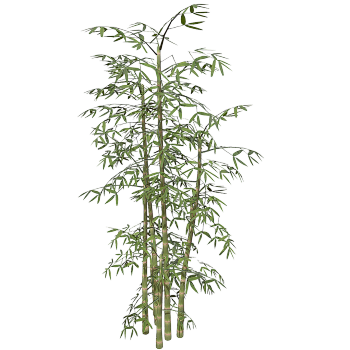
Bamboo 3D model
Bamboo is a perennial herbaceous plant belonging to the Poaceae family and the Bamboo genus. Its stems are mostly woody with some grassy material, slightly hollow in the middle, and have many dense nodes. It is usually 5-10 meters tall, and some can even reach over 40 meters; Bamboo leaves are narrow lanceolate in shape, with a dark green leaf surface; Bamboo flowers resemble rice ears, with the main color being yellow; The flowering period is usually in May, and the fruiting period is in October. The name "bamboo" comes from its ancient Chinese characters, which represent drooping bamboo leaves and later evolved into the current Chinese character "bamboo".
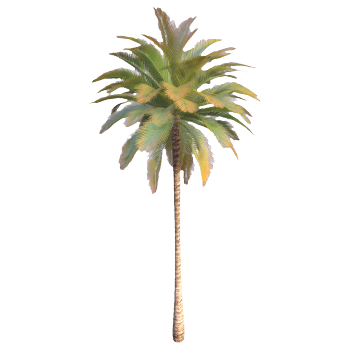
3D model of coconut tree
Coconut (Cocos nucifera L.) is a fruit produced by plants in the palm family of the genus Cocos. This plant is a tall and sturdy tree like plant with thick stems; The leaves are fully lobed, with most of the petals being linear lanceolate, and the petioles being thick and robust; Petals are oval or nearly spherical in shape; The outer skin is thin, the middle skin is thick and fibrous, and the inner skin is woody; When seeds germinate, they emerge through holes, and the fruit cavity is rich in endosperm and juice. The skin is thin, and the seeds germinate excessively; The flowering and fruiting period mainly occurs in autumn. The origin center of coconut trees is in the Melanesian Islands and New Zealand in the Pacific Ocean, where archaeologists have discovered coconut fossils dating back one million years in the alluvial deposits.
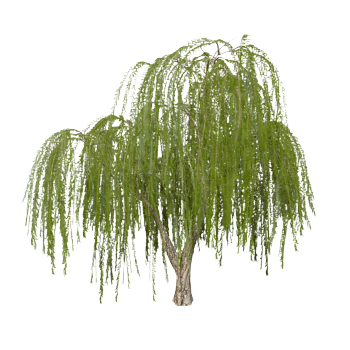
Willow tree 3D model
Willow trees are trees of the willow genus in the willow family. Branches are cylindrical in shape, with a nearly circular pith; No apical buds, lateral buds usually adhere closely to the branch, and bud scales are single; Leaves alternate, sparsely opposite, usually narrow and long, often lanceolate, feather veins, serrated or entire, petiole short, with supporting leaves, often serrated; The inflorescence of the hibiscus is upright or obliquely spread, with the bracts covering the entire edge, and the pistil composed of two carpels; The capsule is split into two petals; The seeds are small and often dark brown in color. The flowering period is from February to March, and the fruiting period is from March to April. The name of willow tree comes from its head wood working method. The result of the head tree homework is to preserve the trunk for continuous use of the branches, and the pronunciation of the word "willow" is the same as that of "liu", hence the name "willow tree".

3D model of withered tree
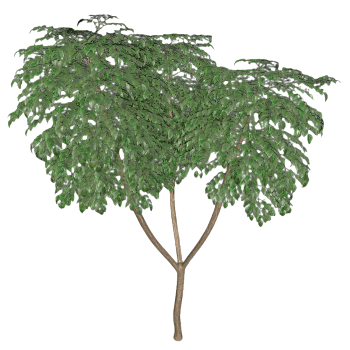
Four Seasons Gui 3D Model
Osmanthus fragrans' Emperflorens' is a plant species in the family Meliaceae. Tree crown oval; Leaves opposite, smaller, with serrated edges; Umbelliferae inflorescence axillary, with light yellow flowers; Oval shaped drupe; It can bloom several times a year and has a light fragrance. The flowering period is from September to early October, and the fruiting period is in March of the following year. Because it blooms four times a year, it is called Four Seasons Osmanthus.
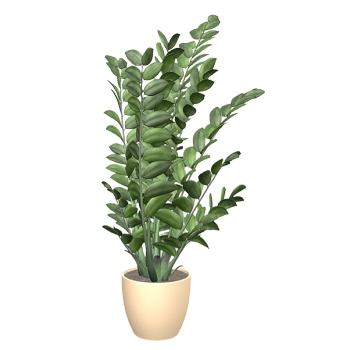
Snow iron taro potted plant
Snow iron taro, also known as Zemiye Tiannanxing, Zamiye, Zamilian, Meitie taro, Snow iron taro, Longfengmu, Jinjinshu, etc., is an upright, evergreen perennial plant of the Snow iron taro genus in the Araceae family. The plant height is 30-50cm. The aboveground part has no main stem, while the underground part has thick tubers. Small leaves elliptical, opposite or semi opposite, ovate, apex acute, entire margin, thick leathery, glossy; The flesh inflorescence is relatively short, and the Buddha flame flower bud is boat shaped. The fruit is a white berry. The seed is ellipsoidal, the embryo is large, and there is almost no endosperm. The flowering period is in the winter and spring seasons.

Yushu 3D model
Ulmus pumila L. is a deciduous tree species belonging to the genus Ulmus in the family Ulmus. The bark of the young tree is smooth, while the bark of the large tree is dark gray; Winter buds are nearly spherical or oval in shape; Leaves are elliptical and ovate in shape, with smooth and hairless leaves. The back of the leaves is covered in short hairs when young, and the petiole surface is covered in short hairs; The samara is nearly round in shape; The flowering and fruiting period is from March to June. Shuowen ":" Yu, Jian. From wood, Yu sound. "Yu is a canoe, and elm wood is a good material for making canoes. Therefore, the characters" wood "and" Yu "refer to elm wood as a tree species for making canoes, and elm trees are named after it.
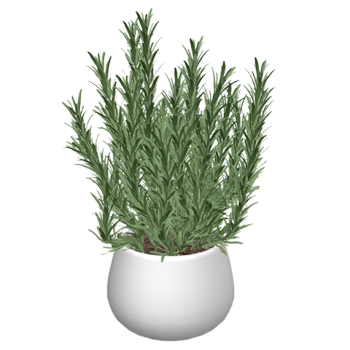
Large flowered purslane potted plant
The large flowered purslane is an annual herb, measuring 10-30 centimeters in height. The stem is lying flat or slanting upwards, purple red in color, with many branches and clustered hairs on the nodes. The leaves are densely distributed at the ends of the branches, and the lower leaves are irregularly interlocked. The leaves are thin cylindrical and hairless. Flowers solitary or clustered at the ends of branches, with a diameter of 2.5-4 centimeters, open on the day and close at night; 8-9 leaf shaped bracts, whorled, with white long soft hairs; Petals 5 or double, inverted, slightly concave at the top, measuring 12-30 millimeters in length, red, purple, or yellow white. Capsule nearly elliptical, lid cracked; The seeds are small, mostly round kidney shaped, with a diameter of less than 1 millimeter. The flowering period is from June to September, and the fruiting period is from August to November.
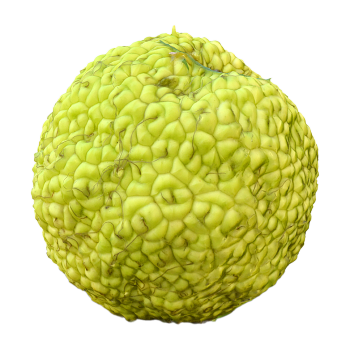
Orange Mulberry 3D Model
Orange mulberry is a plant of the genus Orange mulberry in the family Moraceae, also known as Zhe orange, Ma apple, Gongmu, or Osage orange. Due to the appearance of its fruit resembling a brain, it is commonly referred to as monkey brain fruit and is native to the central United States. The plant is a deciduous small tree or large shrub, usually growing to 8-15 meters high. Flowers are dioecious, with female and male flowers growing on different plants, and the same plant only blooms flowers of one gender. The fruit is a aggregated lean fruit, spherical in shape, with rough and uneven skin, a diameter of 7-15 cm, and white viscous juice inside the flesh. When the fruit is immature, it appears green, but in autumn it turns bright yellow green with a faint orange aroma.
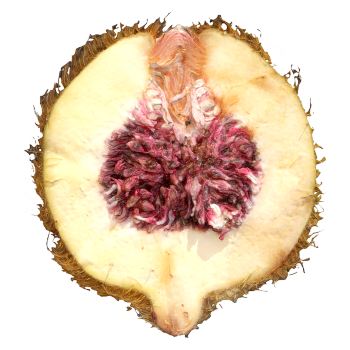
3D model of Huangmaorong fruit
Ficus esquiroloiana H. L é v. is a small tree or shrub in the Ficus genus of the family Moraceae. The plant height can reach 10 meters; The young branches are hollow and covered with brownish yellow long hairs; Leaves alternate, broadly ovate, sparsely covered with rough long hairs on the top, wavy hairs gray white or brownish yellow on the bottom, long hairs on the tooth tips, sparsely covered with long hard hairs on the petiole, and lanceolate bracts; Ficus fruit axillary, cone-shaped elliptical, covered with light brown long hair, top navel shaped, basal bracts ovate lanceolate; Male flowers are clustered at the opening of the Ficus microcarpa, with the entire top margin. The galls are covered by the same male flowers, and the stigma is funnel-shaped. The achene is oblique ovate in shape; The flowering period is from May to July, and the fruiting period is in July.

fringe tree
A deciduous shrub or small tree belonging to the family Oleaceae and the genus Cymbidium. Known for its unique tassel shaped flowers, which are white or pale yellow in color and usually bloom in spring, forming beautiful flower curtains that are highly ornamental. The leaves are elliptical in shape, with fine teeth on the edges, and the color of the leaves is bright green, complementing the flowers. Its trunk and branches are relatively slender, with a moderate growth rate, making it suitable as an ornamental plant in courtyards or gardens. Strong adaptability to the environment, able to adapt to various soil types, cold and drought resistant, and easy to maintain. It is widely distributed in China, especially in the Yangtze River Basin and its southern regions.

Riverbed gravel

Riverbed gravel
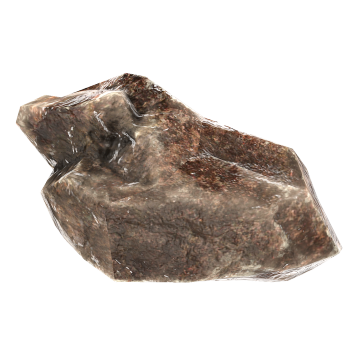
Riverbed gravel
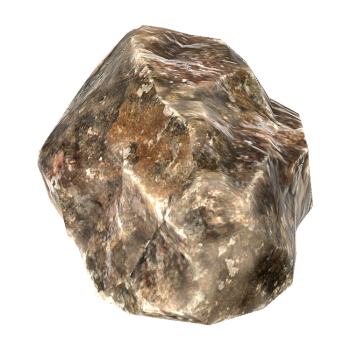
Riverbed gravel

Riverbed gravel

Riverbed gravel

Riverbed gravel

Riverbed gravel

Riverbed gravel

Riverbed gravel
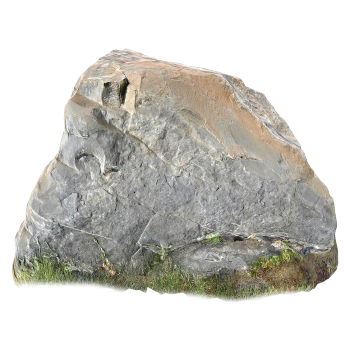
Rocks in the grassland
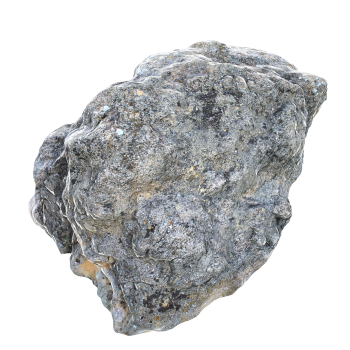
Granite porphyry
Granite porphyry belongs to acidic rocks and is variegated; Spotted structure; Blocky structure; The main mineral composition is potassium feldspar and quartz. The mineral composition of granite porphyry is the same as that of the corresponding plutonic rock - granite, but it has a porphyritic structure, indicating that it is a shallow plutonic rock.

Feldspar sandstone
Feldspathic sandstone is a sedimentary rock mainly composed of various sand particles cemented together, with particle diameters ranging from 0.05-2mm. The sand content should be greater than 50%, and the structure is stable. It usually appears light brown or red and mainly contains silicon, calcium, clay, and iron oxide. The vast majority of sandstone is composed of quartz or feldspar.
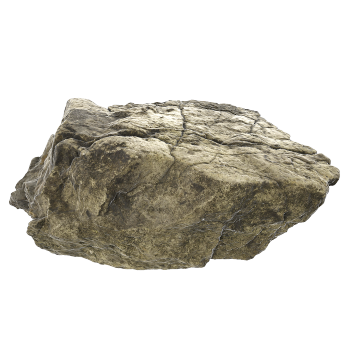
Surface granite
Granite belongs to intrusive rocks in acidic (SiO2>66%) magmatic rocks, which is the most common type of rock in this category, mostly in light flesh red, light gray, gray white, etc. Medium coarse grain, fine grain structure, blocky structure. There are also some structures such as speckled structures, spherical structures, and gneiss like structures. The main minerals are quartz, potassium feldspar, and acid plagioclase, while the secondary minerals are biotite, amphibole, and sometimes a small amount of pyroxene. There are many types of accessory minerals, including magnetite, garnet, zircon, apatite, tourmaline, fluorite, etc. Quartz content is the highest among various magmatic rocks, ranging from 20% to 50%.
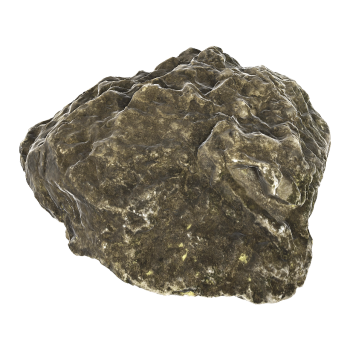
Volcanic breccia
Volcanic breccia is a conglomerate formed by volcanic activity with angular and sub angular gravel content>50%. The diameter is generally greater than 4 millimeters, and the lava fragments contained are mostly tuff, with fewer glass fragments and whole stones. It is mainly composed of volcanic breccia with a particle size of 2-64 millimeters, and also contains breccia from other rocks and a small amount of mineral crystal fragments such as quartz and feldspar.

quartzite
Quartzite is a metamorphic rock mainly composed of quartz (with a quartz content greater than 85%), formed by metamorphic processes of quartz sandstone and siliceous rocks. It is generally formed by regional metamorphism and recrystallization of quartz sandstone or other siliceous rocks. It is also possible that siliceous rocks near magma undergo thermal contact metamorphism to form quartzite. Common colors include green, gray, yellow, brown, orange red, white, blue, purple, red, etc.
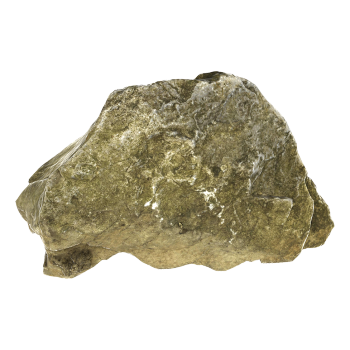
Sandstone
Sandstone is a sedimentary rock mainly composed of various sand particles cemented together, with particle diameters ranging from 0.05-2mm. The sand content should be greater than 50%, and the structure is stable. It usually appears light brown or red and mainly contains silicon, calcium, clay, and iron oxide. The vast majority of sandstone is composed of quartz or feldspar.

Volcanic breccia
Volcanic breccia is a conglomerate formed by volcanic activity with angular and sub angular gravel content>50%. The diameter is generally greater than 4 millimeters, and the lava fragments contained are mostly tuff, with fewer glass fragments and whole stones. It is mainly composed of volcanic breccia with a particle size of 2-64 millimeters, and also contains breccia from other rocks and a small amount of mineral crystal fragments such as quartz and feldspar.
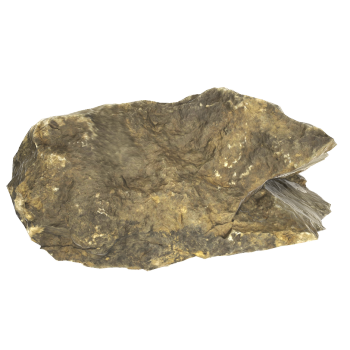
Sandstone
Sandstone is a sedimentary rock mainly composed of various sand particles cemented together, with particle diameters ranging from 0.05-2mm. The sand content should be greater than 50%, and the structure is stable. It usually appears light brown or red and mainly contains silicon, calcium, clay, and iron oxide. The vast majority of sandstone is composed of quartz or feldspar.
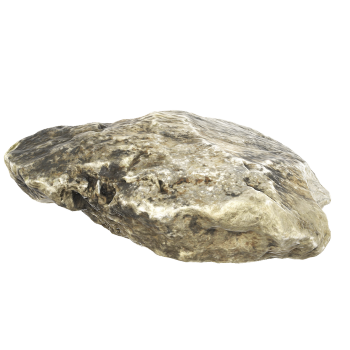
Tuff
Tuff: It is a type of volcanic debris rock, composed of volcanic debris material with more than 50% of particles with a diameter less than 2 millimeters. The main component is volcanic ash, with a loose, rough or dense appearance. Layered tuff is called layered tuff; Due to different ingredients, the colors are diverse, including purple red, gray white, gray green, etc.
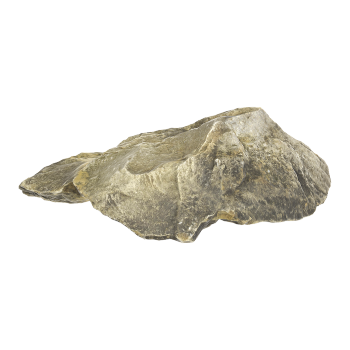
Sandstone
Sandstone is a sedimentary rock mainly composed of various sand particles cemented together, with particle diameters ranging from 0.05-2mm. The sand content should be greater than 50%, and the structure is stable. It usually appears light brown or red and mainly contains silicon, calcium, clay, and iron oxide. The vast majority of sandstone is composed of quartz or feldspar.
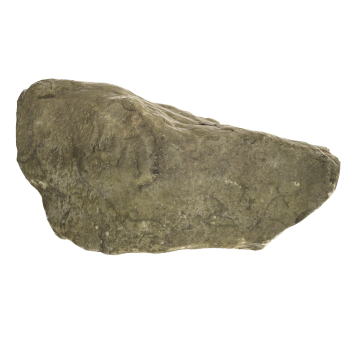
Sandstone
Sandstone is a sedimentary rock mainly composed of various sand particles cemented together, with particle diameters ranging from 0.05-2mm. The sand content should be greater than 50%, and the structure is stable. It usually appears light brown or red and mainly contains silicon, calcium, clay, and iron oxide. The vast majority of sandstone is composed of quartz or feldspar.
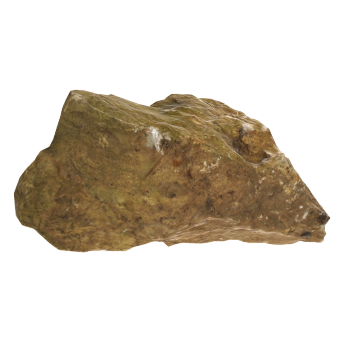
Sandstone
Sandstone is a sedimentary rock mainly composed of various sand particles cemented together, with particle diameters ranging from 0.05-2mm. The sand content should be greater than 50%, and the structure is stable. It usually appears light brown or red and mainly contains silicon, calcium, clay, and iron oxide. The vast majority of sandstone is composed of quartz or feldspar.

Sandstone
Sandstone is a sedimentary rock mainly composed of various sand particles cemented together, with particle diameters ranging from 0.05-2mm. The sand content should be greater than 50%, and the structure is stable. It usually appears light brown or red and mainly contains silicon, calcium, clay, and iron oxide. The vast majority of sandstone is composed of quartz or feldspar.